Destination Ochoco Reservoir
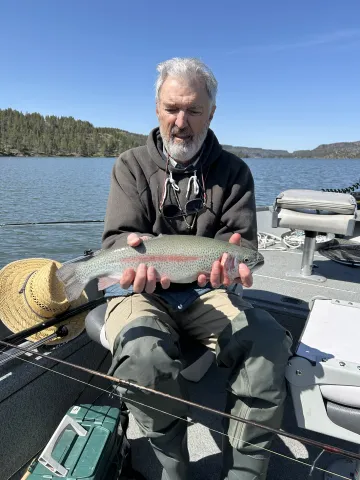
It was a windier day than we had hoped for, but the waves were not white-topped, and we had a 40-horse Merc and a trolling motor to fight the wind with. It was my first trip to Ochoco for the season, but my dad had been fishing it since March and knew right where we wanted to start. It didn't hurt that the wind was blowing us that way, too.
We started at the top of the lake where the creeks come in, around the flooded willows.
For my main rod, I had selected a rust-colored, sparsely tied mohair leech and was using a floating line with a 4X tippet.
My young dog Pepper was with me for her first time fishing. She thought she was expected to work and was watching tweety birds while we unlimbered the fly rods. I tried to keep her from tangling in the expensive tackle. Once she got so excited, she jumped into the lake. After she realized this was just supposed to be a pleasure trip for her, she settled down and was just irritated for the rest of the day.
A big trout took my fly on the first pass but was able to throw the hook after a brief battle. Dad was also using a rust-colored fly, and our friend Keith Gran, fly-fishing for the first time in his misspent life, was using a fly called the Autumn Splendor, which might have reminded Keith of someone he used to know because he kept whispering to it, saying her name.
Whatever he was whispering to the Autumn Splendor was working because soon he hooked and landed a trout. And then caught another.
For my part, I began catching bass. And dad, running the trolling motor and a 4-weight rod, began catching bass too, and a crappie.
OCHOCO AT FULL POOL
After three winters of better-than-average snowpack, a lot of central Oregon waters that were very low, even dry in some cases, are back and better than ever. Ochoco Reservoir has always been a bit of a local's secret. It is only six miles outside of Prineville, and when conditions are good, the trout grow fat, putting on an inch a month. Better yet, this reservoir has good wintering conditions, meaning that holdover trout are common, going 16 to 17 inches in late spring and early summer.
With water in it, Ochoco Reservoir is three miles long. Because it is an irrigation reservoir, water levels can change over the year. Surface acreage at low pool can go as low as 120 acres, but filled to full pool by early spring this year, the reservoir is full at approximately 1,100 acres.
At full pool, Ochoco averages 30 feet in depth with a maximum of 100 feet near the dam. A few lava outcroppings fortify the banks but because of up-and-down water levels, shorelines are composed of exposed silty bottom and muddy flats. Mill Creek and Ochoco Creek form channels in the reservoir. In the spring and summer, afternoon winds can be substantial.
When targeting rainbows with a fly rod, try trolling from a float tube, canoe, or a pontoon boat. Fish along the riprap near the dam or on the east end of the lake near the inlets. Use an intermediate sinking line and troll leech patterns like the Woolly Bugger, Lake Bugger and Mohair Leech or a soft hackle wet fly like the Carey Special.
Crappie are often in large schools and may hold at specific depths around sunken structures. The challenge lies in locating them and plumbing the precise depth where the school is holding.
Because of the abundance of water, the trout fishing is going to continue excellently through July. But this is a great time of year to target smallmouth. And there are some surprisingly heavy bass in the lake. If fly-fishing is the game, use "bass nymphs" which are generally on No. 4 hooks tied like Woolly Buggers but with a heavy bead and black or yellow or orange rubber legs. These can be presented on floating lines under indicators or cast tight against the rocks or other structures. Bass will often take the fly on the drop. And you might be surprised by a big rainbow.
When fishing with spinning gear, use spinner baits and crankbaits, or curly-tail grubs.
Ochoco Reservoir has been overlooked for the last ten years because it has been hard to fish. But those days are behind us. This Central Oregon fishery is running full pool, and the trout and bass fishing is full tilt.
/articles/destination-ochoco-reservoir
Washington Saltwater Salmon Opportunities
The list of saltwater salmon fishing options in early summer are far and wide, and in this column, I’ll break down the path to success around Puget Sound and off the Washington coast.
One important factor to keep in mind, when planning a fishing excursion is that the entire 2025-2026 season package won’t be officially adopted until sometime in early to mid-June. What tends to happen is that these early-season summer fisheries will require emergency opening approvals, so anglers should regularly check the Washington Department of Fish and Wildlife (WDFW) website (https://wdfw.wa.gov/) for possible updates and changes.
Back in mid-April, the Pacific Fishery Management Council held meetings in San Jose, California, and the 2025-2026 tentative statewide salmon fishing seasons were adopted by the Council. The season recommendations set forth by WDFW are then moved forward for federal approval by NOAA Fisheries.
While we wait for the ink to officially dry on the approval process, let’s visualize the possibilities of where to go and wet a line in the upcoming weeks, as well as a few pro tips to improve your chances of hooking a fish.
Since no salmon fishing season mirrors another, anglers have learned to become more adaptable to the constant ebb and flow of change. First off, anglers should be mobile and willing to move from location to location to maximize their time on the water.
Don’t focus all your time on one specific area. By doing a little bit of homework and reading this column below, you’ll likely find more choices by going outside of the box. Second, since many seasons are driven by catch quotas/guidelines, it is wise to go sooner rather than later.
Next, build a communication network to stay informed about the latest fishing trends, including the WDFW website and blog posts. Many other social media platforms can be used to gather this kind of information. Attending fishing seminars is another good avenue to gain more knowledge.
Other tips include reading blogs and watching YouTube videos from fishing influencers, especially publications like this magazine, which provide a plethora of information.
Where to go in June
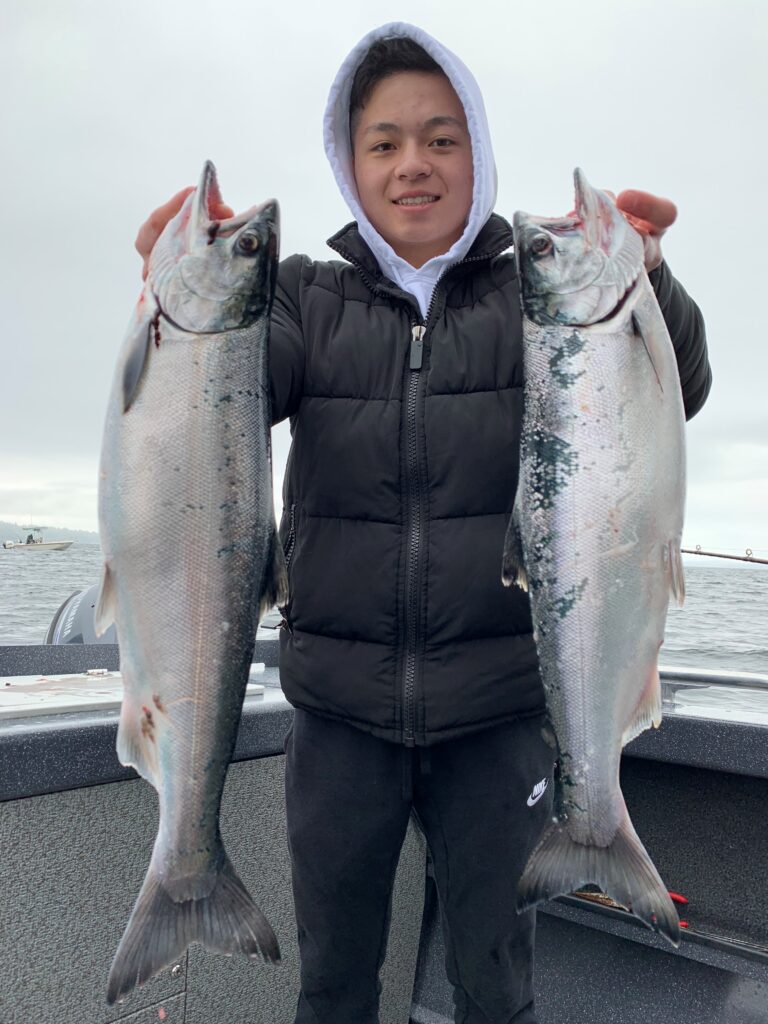
For the past several summers, Marine Area 10 (Seattle-Bremerton Area), mainly the northern portion, has been good for early coho and is open daily beginning June 1. The resident coho average 2 to 4 pounds, along with a few larger ones, and are fairly snappy. Their bright red-orange meat is excellent for the BBQ grill. This is due in part to the abundant schools of krill: small, microscopic, shrimp-like crustaceans found in Marine Area 10 during the summer.
Most will target coho in the shipping lanes off Jefferson Head to the Kingston-Apple Tree Point boundary line, and from the Edmonds oil dock to Richmond Beach. Other locations worth a try are Point Monroe off the north side of Bainbridge Island, West Point south of Shilshole Bay, Blake Island/Southworth area, and the entire eastern side of Bainbridge Island.
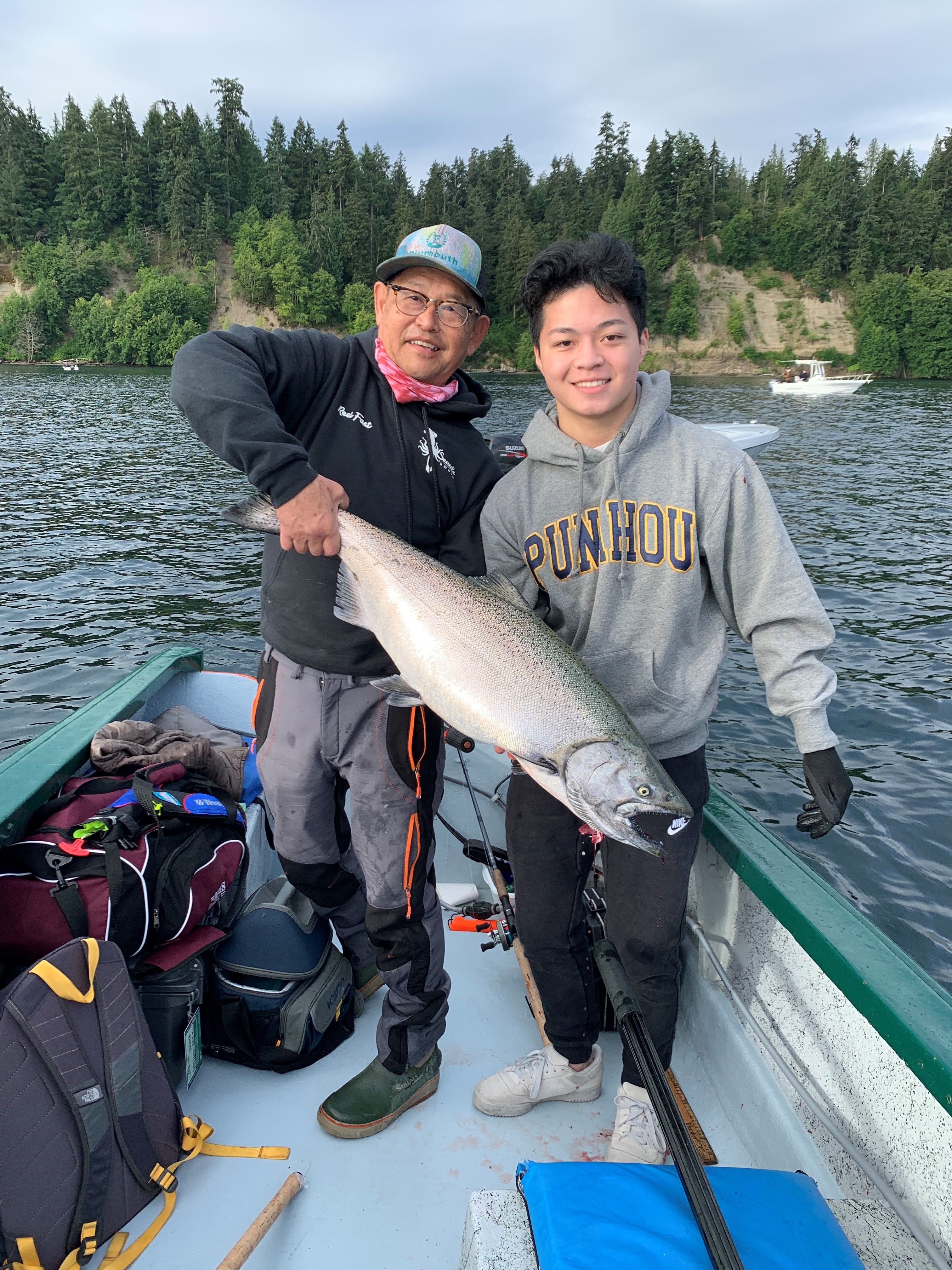
If you’re looking to catch an early summer hatchery Chinook, then Marine Area 11 (Tacoma-Vashon Island) is an option and open Wednesdays through Saturdays only from June 4 to 30. These hatchery kings average 8- to 15-pounds along with some topping exceeding the 25-pound mark.
WDFW will regularly monitor the Marine Area 11 fishery and could close sooner if the quota or other guidelines are attained. The Chinook catch quota for June is 1,423 (1,423 in 2024 and 2023, 580 in 2022, and 431 in 2021) with a total unmarked encounter of 818, and a total sublegal encounter of 1,601. The Chinook fishery is managed under two separate summer quotas, and a second window of opportunity happens in late July. Commencement Bay east of the Cliff House Restaurant/Sperry Ocean Dock boundary line is closed to salmon.
Those who fish for salmon regularly in Puget Sound marine areas – especially in the Tacoma region – know that dogfish can be an issue in the summer.
To avoid pesky schools of dogfish, anglers will jig or troll with downriggers and meat liners using plugs, spoons or a plastic hoochie squid. If you drop a whole or cut plug herring, make sure you’ve got plenty of extra leaders tied. The sharp teeth and abrasive sandpaper-like skin of a dogfish will fray leaders. Lesson learned, I’ve burned through more than a dozen in a matter of a couple of hours.
In Marine Area 11, look for Chinook lurking around the Clay Banks to Owen Beach at Point Defiance Park in Tacoma, the Slag Pile off the Tacoma Yacht Club, the “Flats” outside of Gig Harbor, Quartermaster Harbor, and Point Dalco on the southwest side of Vashon Island.
In the northern part of Marine Area 11, try Dolphin Point and Point Robinson on the northeast side of Vashon Island, south of the Southworth Ferry Landing, Colvos Passage, Dash Point, and Apple Tree Cove to Redondo Beach.
Keep in mind that the salmon fisheries mentioned above for Marine Area 10 and Marine Area 11 are only for June, and that additional salmon fishing opportunities will occur in both areas. Anglers should check the WDFW North of Falcon webpage for additional season information.
Another June option for hatchery Chinook is south of the Tacoma-Narrows Bridge in Marine Area 13 (South Puget Sound), which is open seven days per week. Look for fish are Gibson Point, the concrete dock off Fox Island’s east side, Hale Passage, Johnson Point and Point Fosdick.
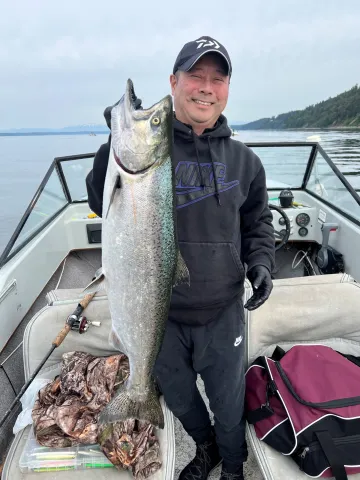
The Tulalip Bubble Fishery (Marine Area 8-2) is open through Sept. 1 with fishing allowed from 12:01 a.m. Fridays to 11:59 a.m. on Mondays of each week, and closed June 21. Before going, anglers should check the WDFW website as intermittent closures may be needed to ensure the hatchery is meeting spawning escapement goals. Fishing is also open Sept. 6 to 21 and allowed Saturdays and Sundays of each week. The bubble fishery is open within the terminal boundary only – closed east of a line from Mission Point to Hermosa Point – and can be decent for summer Chinook in the 10- to 20-pound range, and is mainly a trolling or jigging show.
You can jig drop down a glow, chartreuse, pearl-white, green-nickel, blue-pearl or blue-gold pattern in three to six-ounce sizes depending on the current and wind. Remember, store-bought jigs have a treble hook, and they’re illegal for salmon in all marine areas. Only single-pointed barbless hooks and one fishing line with up to two hooks may be used.
Trolling is the popular method with downriggers and a flasher combined to plug, spoon, and/or a plastic hoochie squid. Before or at daybreak, the fish tend to be found from the surface down to 90 feet, and as the sun rises, they’ll go deeper up to around 100 to 175 feet.
Many anglers are making plans to visit the coastal ports where Chinook and hatchery coho fishing get underway in late June. The ocean salmon season includes a recreational Chinook quota of 53,750 (41,000 in 2024) and a hatchery-marked coho quota of 99,720 (79,800 in 2024).
Marine Area 1
(Ilwaco)
Is open seven days per week from June 25 through Sept. 30, all salmon, with a subarea guideline of 16,600 Chinook (12,510 in 2024) and a subarea quota of quota of 49,860 marked coho (39,900 in 2024). The daily limit is two salmon and one Chinook only. Columbia Control Zone closed.
Marine Area 2
(Westport-Ocean Shores)
Is open seven days per week from June 21 through June 28, with a subarea guideline of 22,270 Chinook (17,430 in 2024), and the daily limit is one salmon, release all coho. Open seven days per week beginning June 29 through Sept. 15, all salmon, with a subarea quota of 36,900 marked coho (29,530 in 2024). Beginning June 29, the daily limit is two salmon, and only one may be a Chinook.
Marine Area 3
(La Push)
Is open seven days per week from June 21 through July 3, with a subarea guideline of 2,280 Chinook (1,630 in 2024), and the daily limit is one salmon, release all coho. Open seven days per week beginning July 4 through Sept. 15, all salmon, with 2,590 marked coho subarea quota (2,070 in 2024). Beginning July 4, the daily limit is two salmon. No chum retention beginning Aug. 1.
Marine Area 4
(Neah Bay)
Is open seven days per week from June 21 through July 3, with a subarea guideline of 12,600 Chinook (9,430 in 2024), and the daily limit is one salmon, release all coho. Open seven days per week beginning July 4 through Sept. 15, all salmon, with a subarea quota of 10,370 marked coho (8,300 in 2024). Beginning July 4, the daily limit is two salmon. No chum retention beginning Aug. 1. Beginning Aug. 1, Chinook non-retention east of the Bonilla-Tatoosh line during the managed ocean fishery.
WDFW fishery managers will monitor the number of salmon caught in season and may close areas earlier if quotas or guidelines are met. In-season management may be used to sustain season length and keep harvest within the overall Chinook and coho total allowable catch.
Piers open year-round for salmon in Puget Sound include the Edmonds Marina (usually a good place for early summer kings in June), Fox Island, Mukilteo Ferry Landing, Seacrest in West Seattle, Dash Point Dock, Point Defiance Park Boathouse, Les Davis, and Des Moines.
Note: The salmon daily catch limits, species and size restrictions, and other regulations vary for each marine area. Emergency closures or adjustments to marine area seasons are also possible. Anglers should check for details on the WDFW website or the 2025-2026 regulation pamphlet.
(Mark Yuasa is a Washington Department of Fish and Wildlife Communications Manager and a longtime local fishing and outdoor writer.)
/articles/washington-saltwater-salmon-opportunities
Razor Clam Forecast
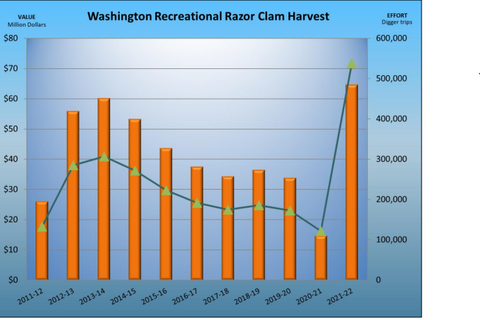
It’s no secret that last year’s razor clam season was a banner year. Record number of clam diggers swarmed beaches, working hard to get their limits. 484,388 diggers showed up, harvesting 8,352,279 clams, over 120 total harvest days. That’s a lot of razor clams! This was a welcome success after the 2019-2020 and 2020-2021 seasons closed early due to COVID-19 and domoic acid, respectively. Thousands of eager razor clam diggers are wondering if this season will be as successful as the last.
Dust off those razor clam guns and get your hip boots ready, because the forecast is looking promising! WDFW assessed razor clam populations throughout the summer and all had strong, harvestable populations except for at Kalaloch, which will be closed this year to allow recovery. Let’s take a closer look at this year’s forecast, and how WDFW determines annual razor clam harvests.
Razor clams have been enjoyed by millions of people over thousands of years. They are a valuable resource to hungry fishermen and local economies. WDFW estimated the fishery value to be $71,689 last year. So how are these crucial resources managed? Since 1929, WDFW has managed the coastal razor clam harvest. It’s a difficult job- they have to balance the demands of recreational fishermen with the rights of the tribes, all while keeping public safety in mind. Management strategies have been ever evolving.
From 1929 to 1942, there was a year-round season, and a 36-clam limit. In 1943, WDFW limited the season from March 1st to September 30th, and in 1960, the clam limit was reduced to 18. In 1973, the seasons were further reduced, and in 1974, the 15 clam limit we are familiar with today was implemented. In 2000, the seasons became much less set in stone and varied from October to May, depending on counts conducted through the “pumped area” method. In 2004, WDFW switched to the system still in use today, the “adjusted exploitation rate” method. Management strategies are ever evolving based on the increasing amounts of clam diggers every year, and changing oceanic conditions.
There are 3 pieces to the puzzle that WDFW must take into account before announcing razor clam digs: population counts, domoic acid levels, and tribal rights. The first piece of the puzzle is population counts. Each summer, WDFW conducts population counts at every beach: Long Beach, Twin Harbors, Copalis, Mocrocks, and Kalaloch. Based on these counts, they estimate the total number of clams measuring under 3 inches, and the total number of clams measuring over 3 inches.
They allow a certain percentage of razor clam population over 3 inches to be harvested each year, in order to make sure the population stays sustainable for years to come. Up to 40% of razor clams 3 inches and above may be harvested every year for the population to remain sustainable. After every harvest, WDFW calculates the remaining TAC (total allowable harvest), and sets further days based on that number. This way, poor tidal conditions and weather don’t mean we get shorter seasons. Alternatively, if conditions are great and there are more harvesters than predicted, the season may close early on that beach. Population counts are closely monitored throughout the year to make sure this popular fishery will remain for years to come.
Before WDFW opens recreational harvesting, they must also determine whether the clams are safe to eat. WDFW’s goals are not only to keep the resource around for years to come, but also to protect public health and safety. Unfortunately, clams are subject to accumulating marine toxins in their bodies which can make harvesters sick. Harmful algae blooms are naturally occurring, but concentrate in razor clam tissue. The most prevalent toxin is domoic acid, caused by consumption of marine plankton, called diatoms.
Eating a razor clam that has high levels of domoic acid can cause nausea, dizziness, memory loss, and stroke-like symptoms. There is no antidote, and the toxin is not destroyed by cooking/freezing. WDFW carefully tests razor clam populations for domoic acid throughout the year, and will close seasons accordingly, even if TAC (total allowable catch) hasn’t been met.
The final piece which WDFW must take into account is tribal fishing rights. Each year in August, WDFW discusses population estimates and domoic acid levels with the coastal tribes that have fishing rights on razor clam beaches, and comes up with the total allowable catch (TAC). 50% of the TAC goes to recreational fishermen and 50% goes to the tribes.
The coastal tribes work with WDFW staff to come up with joint population assessments, and share their data together. Tribal seasons take place on different days than non-tribal seasons, and each group makes their own harvest estimates and enforces the rules themselves. Razor clams are a co-managed resource that tribal and non-tribal stakeholders take very seriously.
Beach has by far the largest TAC (total allowable catch) share at 5,865,490 clams, and Mocrocks has the smallest, at 1,964,732. Interestingly, the average size of clams is slightly smaller this year. Last year, they were 4.4 inches long, and this year they were 4.22 inches on average. Although the clams are a little smaller, there are plenty of them! Overall, the forecast looks promising. WDFW always tries to schedule razor clam digs on weekends at least once a month during the months of October through May. The WDFW director checks marine toxin levels and looks at the remaining TAC for the year before announcing that the harvest dates can proceed. Clam digs have been tentatively approved throughout November and December.
In an unprecedented move, WDFW increased the limits from 15 to 20 razor clams last year. Will it happen again this year? For now, keep an ear to the ground and always check your rules and regulations before heading out. Speaking of rules and regulations, it’s always a good idea to brush up.
Make sure each harvester has their own container to put clams in. Many sporting goods stores sell clam nets, which readily tie to your wading belt to keep your hands free for digging and holding flashlights. Remember that the first 15 clams dug must be kept, no matter the size or condition. We’ve all accidentally crunched clams while digging them, or dug up a tiny one, but they still must be retained as part of your 15-clam limit. That being said, there are plenty of clams out there to be had. It’s shaping up to be a good year, so go out and get those razor clams!
/articles/razor-clam-forecast-0
Catch More Bass This Summer!
Summer is an exciting season for bass anglers. The bass are done spawning and are actively feeding in both the shallows as well as deeper depths. There are also a variety of ways to catch bass, both largemouth and smallmouth, this time of year.
Perhaps the most exciting way to catch bass during the summer months is using topwater baits. Watching a largemouth bass explode out of the water to smash your lure is always an exhilarating experience! Just make sure you don’t set the hook when the bass comes out of the water. Pause and let them take it first. Easy to say, I know, but hard to do.
When it comes to topwater fishing, have a frog rigged up on at least one rod. Whether you use a standard frog or a popping frog, you have the advantage of fishing this weedless offering in heavy cover, whether it be weeds, grass, or lily pads.
If you are casting into more open water, I like to fish a topwater popper. My go-to popper is a Berkley Bullet Pop in either a bluegill, bass, or frog pattern. The Whopper Plopper made quite a splash in the bass fishing world when it was introduced in 2008, and many anglers insist it’s still a great offering. However, this is a low-confidence lure for me, and while I’ve had a blow-up or two, I’ve yet to catch a fish with a whopper plopper.
And then there are the classics. The Arbogast Jitterbug and Hula Popper have been around for over 70 years, but they still work, especially in the evening hours. Speaking of which, when is the best time to fish with a topwater lure? Conventional wisdom says you should fish topwater lures in the early morning and in the evening. However, if the weather is cloudy, you can experience good topwater fishing all day long.

LIPLESS CRANKBAITS
Lipless crankbaits like the original Bill Lewis Rat-L-Trap or my favorite, the Berkley War Pig, are great search lures. You can cast them a “country mile” and retrieve at a fast or moderate pace, which means you can cover a lot of water while looking for schools of bass. Places to fish lipless crankbaits are in shallow water (two to eight feet deep), especially parallel to brush lines, weed lines, or near points of land. These lures also work well over submerged grass or weed beds. One thing that can be particularly effective is to pause your retrieve, just for a moment, from time to time while you reel.
SPINNERBAITS
The spinnerbait, like the lipless crankbait, is used to search for schools of bass. One advantage the spinnerbait has is that, by design, it is more snag-proof than lipless crankbaits or topwater plugs with treble hooks. The spinner bait can be fished a couple of different ways in the summer. You can fish it mid-depth with a moderate retrieve, just under the surface of the water, creating a wake, with a fast retrieve. Or slow roll it, letting the spinnerbait sink to the bottom in six to 15 feet of water and bringing it slowly back just off the bottom. While ¼ and 3/8-ounce spinnerbaits are widely sold, I prefer to use a ½ or ¾ ounce spinnerbait, especially if I am fishing deep.
DEEP DIVING CRANKBAITS
High summer temperatures will drive those bass into deeper waters, especially smallmouth bass. So, how do you reach them? With a deep diving crankbait! Rapala and Berkley are two lure companies that make quality deep-diving crankbaits. I tend to use two types of crankbaits in the summer months. That would be lures that dive 8 to 12 feet deep and lures that will dive to 25 feet deep. Once you locate the fish, you can stay put and cast to them or switch over to a jig to pull bass out of the deep. As for crankbait colors, I try to “match the hatch” and use patterns that are forage for bass. Trout, perch, bluegill, and largemouth bass patterns all work well if these species live where you are fishing.
JIGS
I always have a weedless jig with a crawfish trailer tied on to one of my rods because they catch bass in the spring, summer and fall months. They can be fished in partially submerged brush, under docks, around beaver huts, trees and other areas where bass live, but other lures would get hung up.
Jigs can also be fished in deeper water on sloping banks, on underwater humps and other structure. Your choice is also wide. In addition to weedless jigs, you can fish neko rigs, which work great for smallmouth bass, and swim jigs, which have become a favorite for many bass anglers.
SOFT PLASTICS
You can’t go wrong fishing soft plastic baits. Drop Shot fishing with a weight a foot or two below a hook tied on the same line can work great, especially on heavily pressured waters. Put a small 4-inch worm or other small plastic grub or swimbait on your hook and just drop it to the bottom. Texas-rigged worms still work great for bass on the bottom, as do the tried-and-true Carolina rig, where a weight and glass bead are placed above a swivel. A foot to 18 inches of leader with a worm is tied behind that. Finally, tube baits, which were all the rage 25 years ago, still work fine today for bass.
The bottom line is this: When it comes to catching bass this summer, you have a lot of options. Don’t get stuck on one or two baits. If they are not working, try something new. As you can see, there is more than one way to catch a bass.
John Kruse
/articles/catch-more-bass-summer
The Derby Mentality
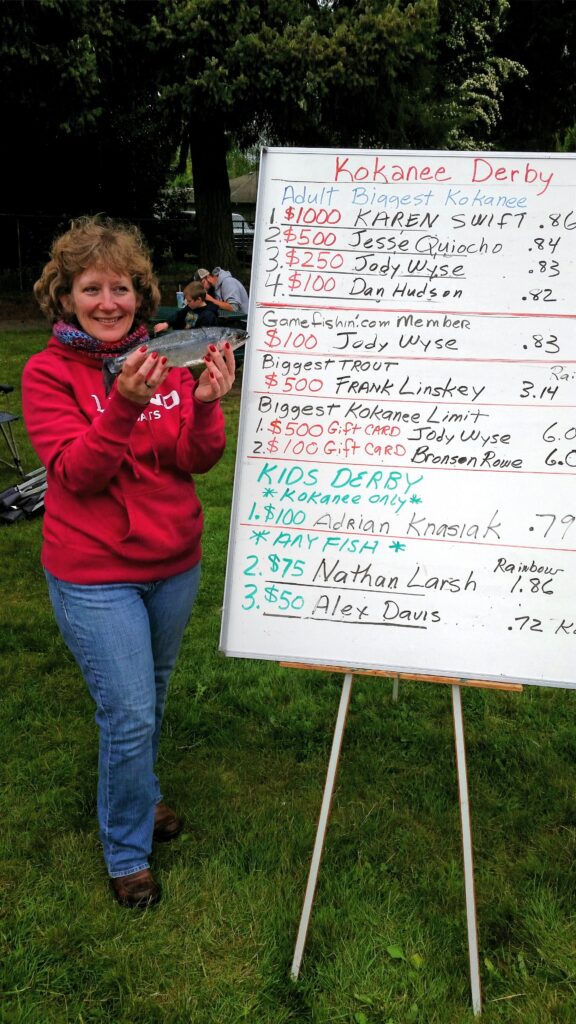
A fishing derby? I'd better set up a team and sign up. I’m the “Fish Whisperer", my buddies and I can outfish anybody! Actually, that’s not fair. Although the fame and money would be nice. Most people sign up for a derby just to participate in the event and to enjoy the camaraderie and fellowship. Winning would be a sidebar to enjoying the fishing trip, enhancing the overall experience.
Fishing derbies and tournaments for just about everything that swims are organized throughout the country each year. In the US, there are 30,000-50,000 derbies and tournaments organized each year. In 2023, there were around 58 million licensed anglers. Even if only a small percentage of licensed anglers participate in an event, participation could range from 1.5 million to 5 million anglers annually.
Here in the Pacific Northwest, there are derbies for trout, kokanee, walleye, tuna, salmon, surf perch, halibut, razor clams, and chowder cook-offs. There may be derbies targeting other species, and those anglers will know the whens and wheres. The basics of this article will cover all species.
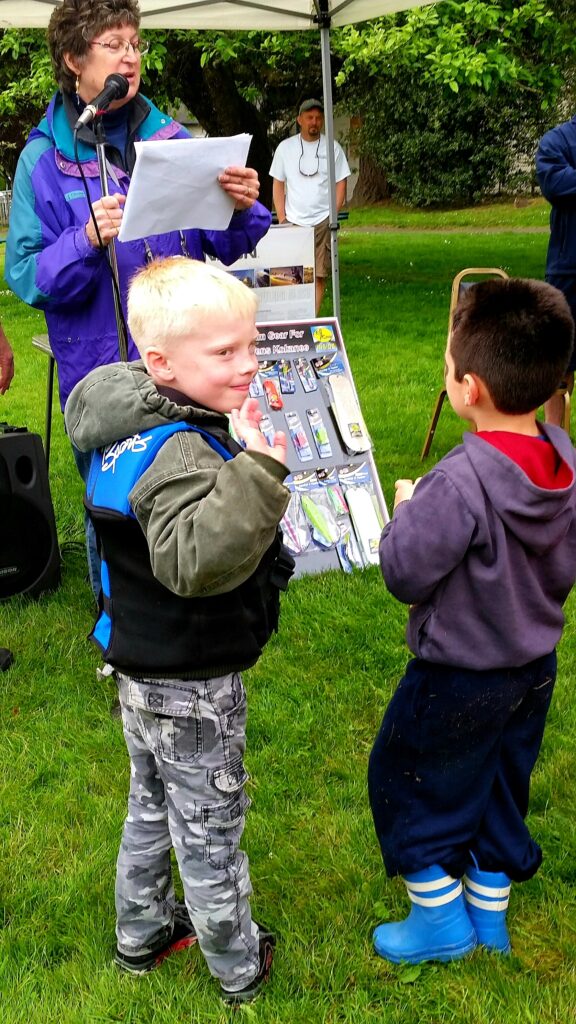
Although over the years the Castello clan has enjoyed occasional success while participating in various derbies, overall success has been metered. That said, I’ve had many “almost” in the money derby experiences.
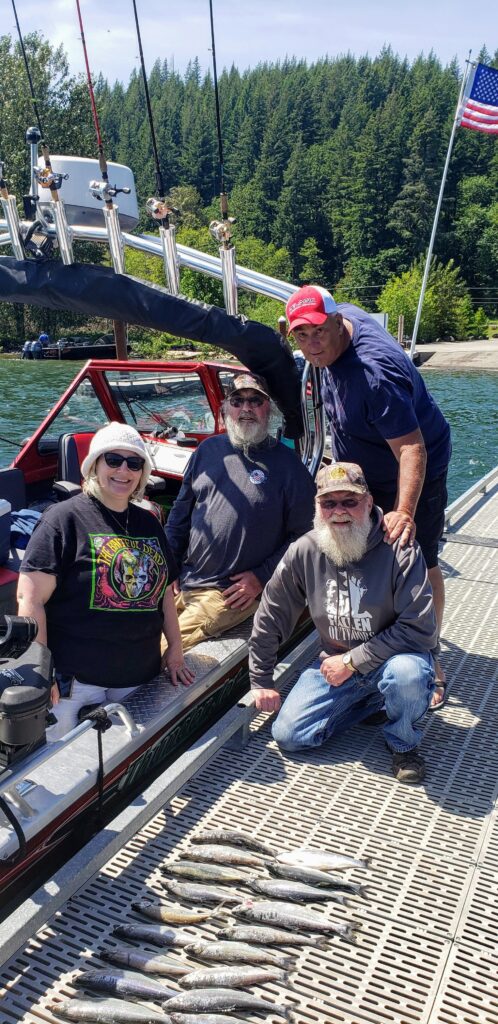
Many years ago, while fishing in a big money tuna tournament out of Ensenada, Mexico, we hooked a large big eye tuna with just hours to go before the weigh-in. By the time the fish was secured on deck, we only had a short few hours to make a 40+ mile run back to the marina for weigh-in. Despite having one of the fastest boats in the tournament, we did not make the weigh-in queue in time. We were quite the talk around town, but made the drive back to the border with nothing more than a stack of swag bags and my own flip-flop print on my board shorts.
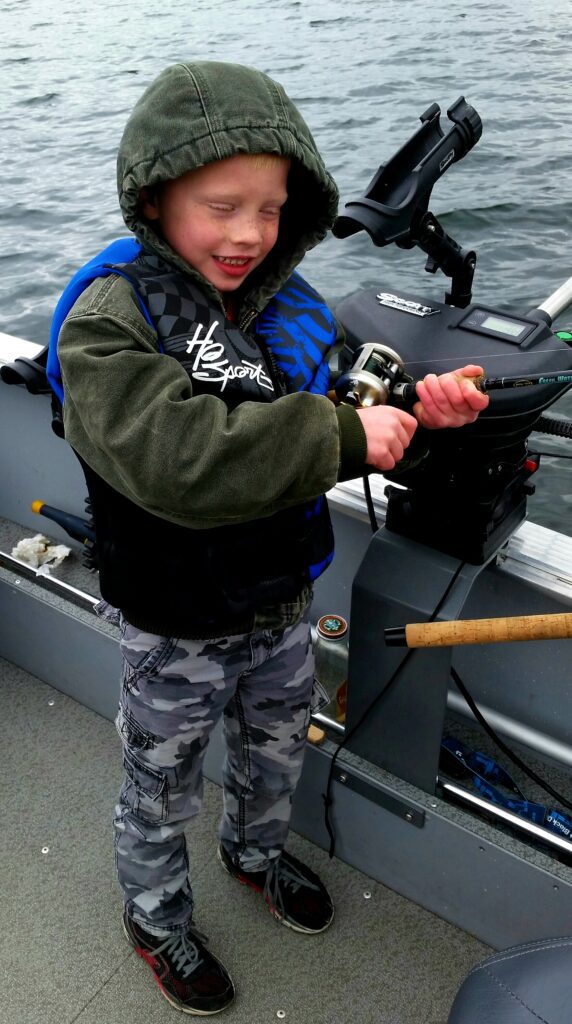
Then locally, with a derby contender, coho on ice, I’ve missed the weigh-in for the Everett Coho Derby by probably 15 minutes because of another last-minute fish. These were all skipper miscalculations where I knew the rules but pushed the time limit. The list goes on, but you get the idea. These kinds of errors can be minimized by creating a plan and then sticking with it.
If you plan to fish a derby or tournament, have a plan! Although it doesn’t hurt, your plan does not need to be written out. Either way, you and your fishing partners need to sit down and come up with a plan for derby day.
In working out a plan, consider basic things like getting enough sleep, being on time, and not showing up at the dock hung over.
One of the first items to discuss is how to handle winnings. On my boat, there is usually an agreement that all winnings are split evenly. Occasionally, we just let the prize go to the person catching the fish, but either way, this should be agreed upon before Derby morning. If a juvenile is part of the team, they always get their winnings in full.
There are many variations of how to distribute derby winnings. The team should consider a means of covering the day's expenses, such as fuel, launch fees, and moorage. Back to my boat, I usually cover the boat-related expenses, fuel, bait, and provide all the gear, but this is a team decision. Again, discuss winnings as an element of your derby plan, friendships depend on it!
In your derby plan, you should also discuss your catch rotation. Again, on my boat, we do a rotation through solid hookups with the skipper being last. Many teams will take a more traditional route where each angler runs with their personal gear, but this is a team decision.
Your derby plan needs to address technique, gear, and location. It is important that the boat fishes as a team, and everyone knows what to expect. At the end of the day, you want everybody to have fun and feel like they had an equal say in your potential success or if so, disappointment.
The plan should include an agreement for a meeting place, time, and ensure the skipper has everyone’s phone numbers. Also, decide what each angler should bring. Example: ice, lunch, derby tickets, license, and gear if required. Maybe also discuss parking and usage fees at the launch area.
For derby day, you want your deck as clear as possible, so it could be a good idea to address storage space and limit personal items. Use a common ice chest for fish. I have a case of fish bags, and each angler gets 1 for their Derby catch.
Back to location, your derby day plan should include an agreement regarding fishing location throughout the day or changes required for changing conditions. This is especially important when fishing in marine areas influenced by the tides.
The skipper is responsible for making sure the boat and gear are ready for derby day. This includes a rod and reel check, replacing line and or top shots as required. I always have a backup rod or three on the boat. Typically, I have two nets on board anyway, but having two nets available is especially important on derby day.
Depending on the derby, it is also important that at least one other team member can run the boat, drive the tow vehicle, and be familiar with the boat’s electronics. (Mostly in case the team gets tired of the skipper and the flipping plan, thus throwing the skipper overboard.)
As the skipper, I find Derby days pretty stressful. To be honest, I experienced this for any fishing trip, but for me derby day is worse. It’s not that I’m not having fun, but I feel a true responsibility towards my crew’s success.
That said, don't forget to have fun. Turn setbacks into opportunities and laugh in the face of calamity. Winning is icing on the cake of an otherwise enjoyable fishing trip. By developing a derby day plan, the skipper and crew are more likely to enjoy the day, even increasing their chances of putting a fish on the leader board.
/articles/derby-mentality
Of Damsels, Dragons, and Snails for Stillwater Trout
Be the best big stick by slowing down the presentation and lightening the tippet.
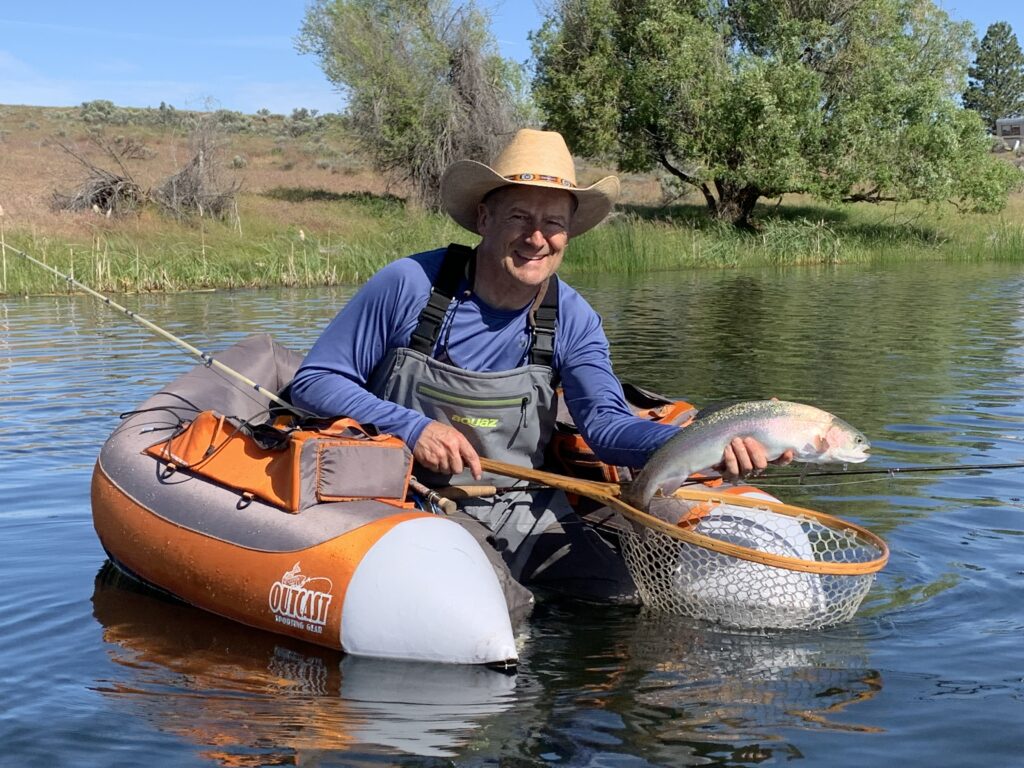
Last year, in early June, we fished a small reservoir in the high desert. Like a lot of private waters in Central Oregon, the lake had tules along one side and willows on the other.
We started in float tubes, backing into the water, then settling in.
My dad called out that he was seeing lots of damselflies. For which I thanked him and immediately tied on a damselfly imitation.
Kicking away from the launch into deeper water, I observed midges, PMDs, snails, dragonflies, and damsels.
My first fish to the net was a 21-inch rainbow. Dad was on the other side of the lake and could not get a picture for me. While I was using a damsel, I was thinking about how I usually like to start with a Renegade or a Brown Hackle or some other snail imitation.
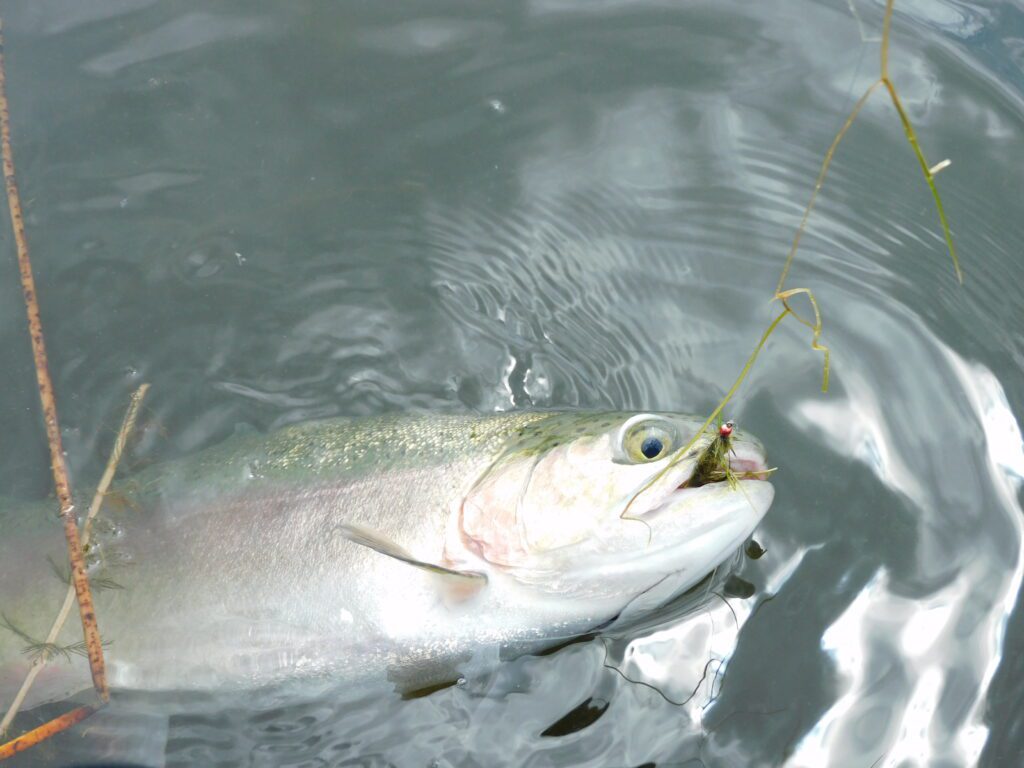
A person has a chance in the first hour of daylight to catch trout close-in to the tules on snail patterns before the fish sense the vehicle traffic or start to feel pressured by people in float tubes. But a lot of my friends don't want to fish using snails. It is not something they think about. Why would fish eat snails? And what do snails even look like? I think the real reason a lot of us don't fish using snails is because we are too restless. The snail just sits there on the surface or just under it. Until a trout eats it. It is so simple to fish snails.
The best thing to do is walk along the reed beds and scout the weed lines with polarized glasses. Look for swirls. Look for shaking tules. Watch for fins and tails or the white gum line as a trout opens its mouth and flares its gills.
Pattern choice is as simple as it gets. A No. 10 Woolly Worm. A Brown Hackle. A Renegade. These are all suggestive of snails when fished at snail speed. Cast or dap, and let it sit. Wait for the butt of the fly line or the leader to move. The fish will often have to change course to take the fly, so as the trout turns, it will feel the fly and spit it. Don't wait to feel the take, set the hook when the leader starts to move. After the sun comes up, the fish tend to retreat to deeper water, and now is the time to switch to a leech, damsel nymph, or dragonfly nymph.
While it is tempting to use old standbys like the Woolly Bugger or even the Thin Mint, don't forget, the fish have seen all these flies before. We can catch more fish if we use lifelike patterns that are faithful to the profile, contrast, and color of the food source, but also incorporate rubber legs, gill movement, and eyes.
It's okay to experiment with retrieve, but in general, these critters don't move fast and can spend a lot of time at rest. One-inch increments are my rule for retrieves. Unless I am fishing a minnow imitation.
We need to be more patient and precise with our presentations. Once I watched a guy in a float tube. He was using the right fly, but his tube was underinflated, so when he kicked, he leaned way back, transmitting all of that back-and-forth motion to his fly rod and his fly. His fly was probably making two-foot moves. No bug does that. Some guys don't like to be told what they are doing wrong, so I just kept my mouth shut. While the guy's buddy caught half a dozen trout that morning, this guy didn't land one. The difference between a poor day of fishing and a good day might just be the way the fly swims.
A good presentation is one where the bug swims and rests naturally. Since real bugs don't get towed around on lines, we have to minimize the way the line affects the movement of the fly. The smaller the tippet, the more that the fly will work in the water like the tyer intended. If you have been using 3X, go down to 4X tippet or even 5X on smaller flies. Don’t forget, fluorocarbon was made so that you can catch more fish. And the guy with fluoro will probably out-fish the guy with mono five-to-one if everything else is equal.
Like it or not, you might have to learn a new knot. Try a non-slip or a perfection loop and see how the fly behaves differently at rest. My biggest fish of the morning was a 25-incher with a thick wrist, one of my best trout of the year. But it was in the late afternoon with a low-pressure system coming in when I earned a 20-inch rainbow.
"What are you using?" Dad wanted to know.
"A damselfly."
"Oh, good idea," Dad said. "Why didn't you tell me earlier?"
"Because you told me, I figured you already knew."
"Oh yeah, I'm pretty smart," Dad said.
# # #
For a copy of the Fishing Central Oregon book, send $29.99 to Gary Lewis Outdoors, PO Box 1364, Bend, OR 97709 To contact Gary Lewis, visit www.GaryLewisOutdoors.com
/articles/damsels-dragons-and-snails-stillwater-trout
Omak Lake Cutthroat Action
Omak Lake, nestled within the picturesque landscape of Washington State, is a hidden gem for anglers seeking the thrill of catching Lahontan cutthroat trout. This expansive body of water is renowned for its crystal-clear waters and the bountiful presence of this unique trout species.
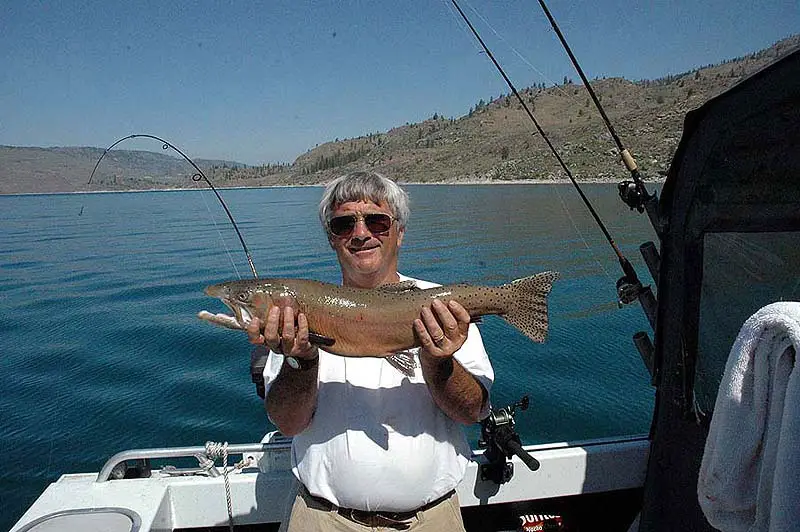
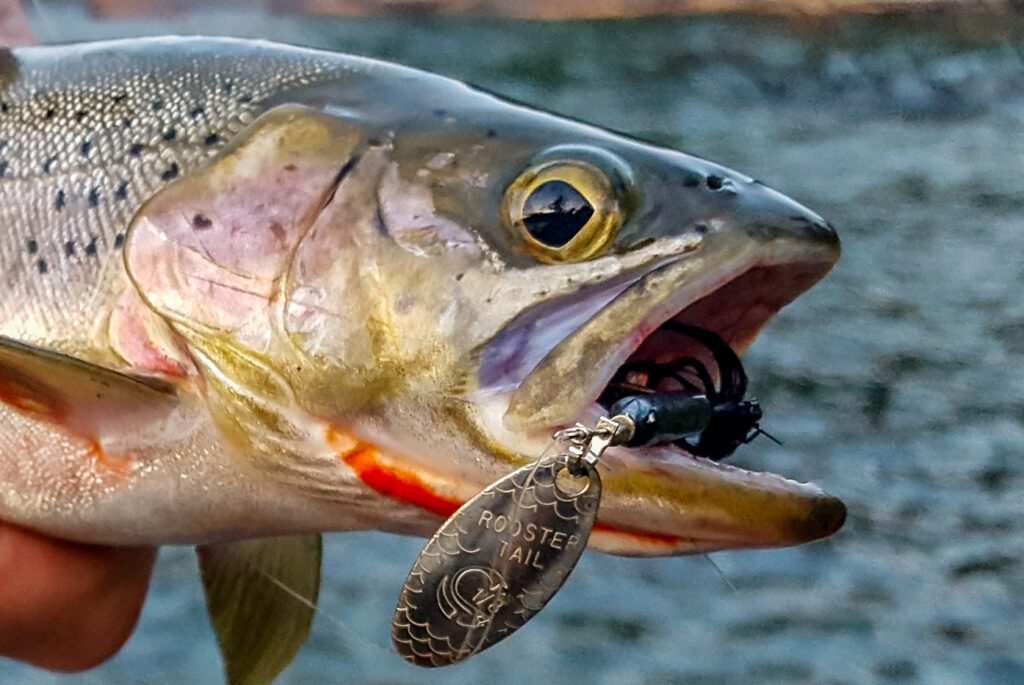
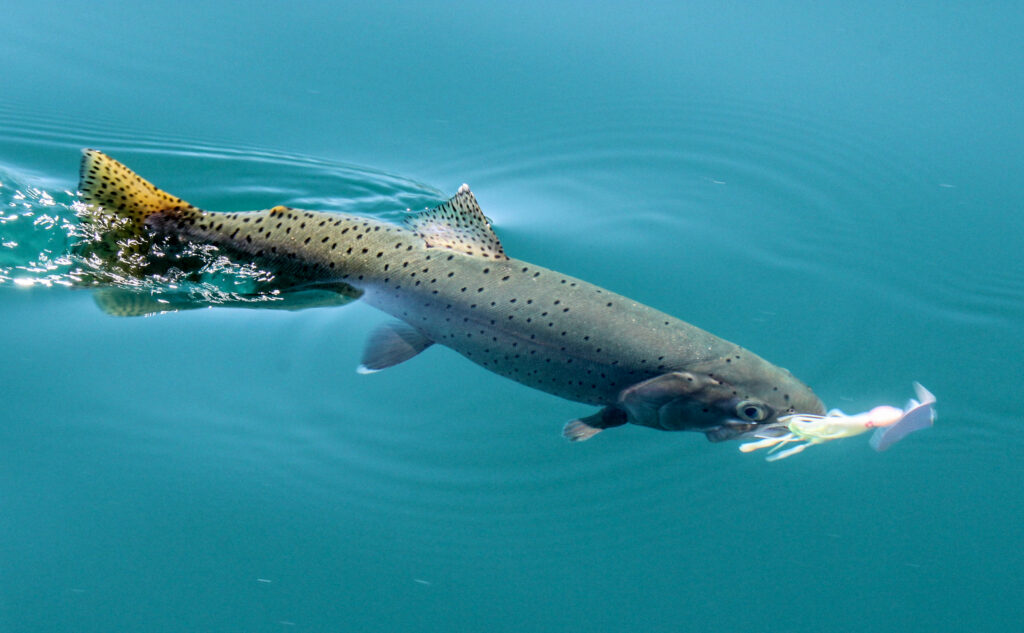
The Lahontan cutthroat trout (Oncorhynchus clarkii henshawi) is native to the Lahontan Basin of Nevada, Eastern California, and Southern Oregon. These trout are well-adapted to the alkaline and saline conditions of the region, making Omak Lake an ideal habitat. Lahontan cutthroat trout are known for their striking appearance, characterized by vivid red and orange hues along their sides and beneath their jaws. They can grow to impressive sizes, with the Washington State record at 18.04 pounds and was caught out of Omak Lake.
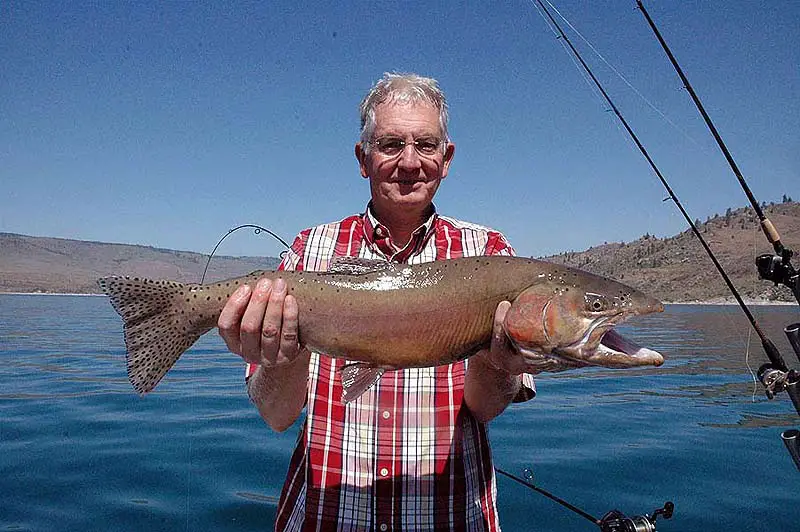
Omak Lake is located on the Colville Confederated Tribes Reservation, and is 3,244 acres, nestled in a high desert of rolling sagebrush hills. The prime fishing season at Omak Lake runs from early spring to late autumn. During these months, the water temperatures are optimal for trout activity, and the fish are more likely to be found near the surface. The early mornings and late afternoons are particularly productive times for fishing, as the trout are more active in these cooler hours
Due to its large size and regulations by the tribe that protects the shallow shorelines in the northern part of the lake during the May spawning period, this is primarily a boat fishery. As the lake begins to thaw in March and warms up through May, the regulations change from a catch and keep to a catch and release fishery, which means using fly gear or single barbless hooks on lures and no bait. Just like the other popular Lahontan waters in Washington, the fish start cruising the shallows and shorelines looking for creeks and sources of cold water for spawning.
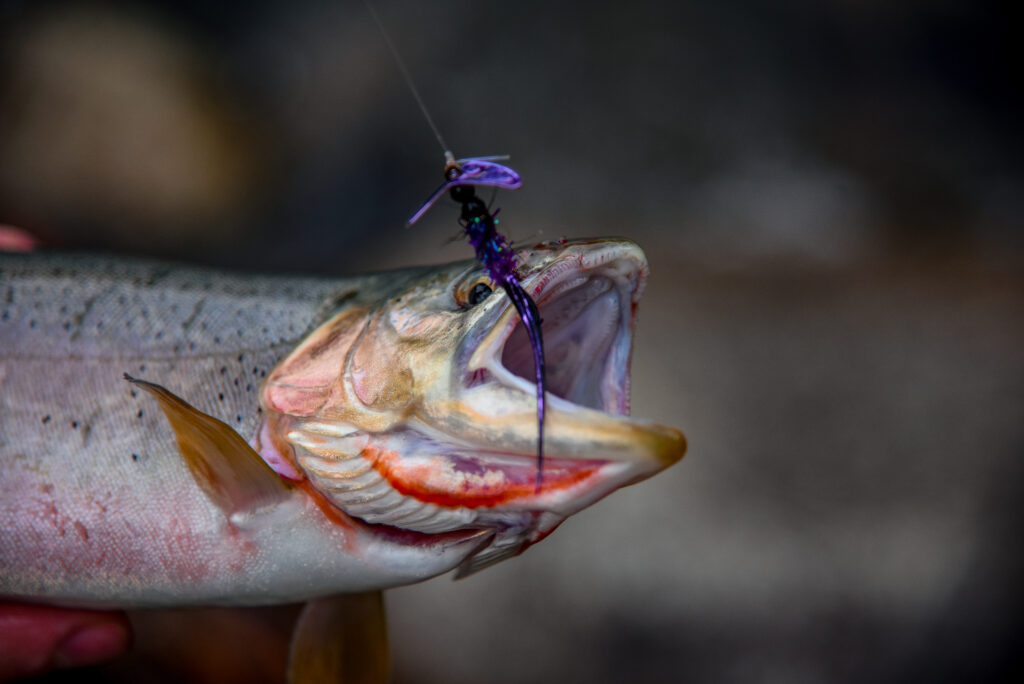
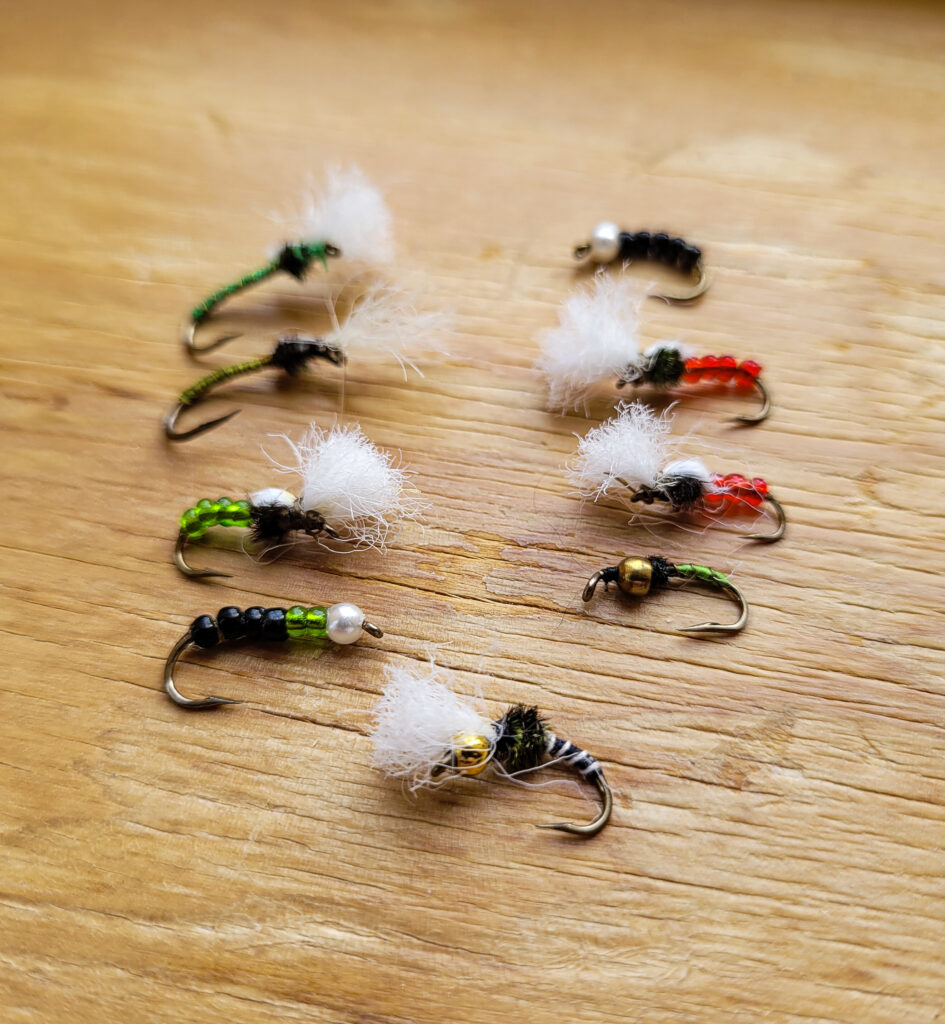
Fly rod toting anglers usually target these areas with the same standard flies for Lake Lenore, another Lahontan Cutthroat producing lake in Washington. A black or green whooly bugger in size 8 to 4, or very small bead head chironomids in sizes 14 to 18. A heavy 6-weight rod is best since fish can be measured in pounds over inches, but some anglers will use a 5-weight or even a 4-weight. Sinking lines and the ability to cast in an afternoon thermal breeze are a must.
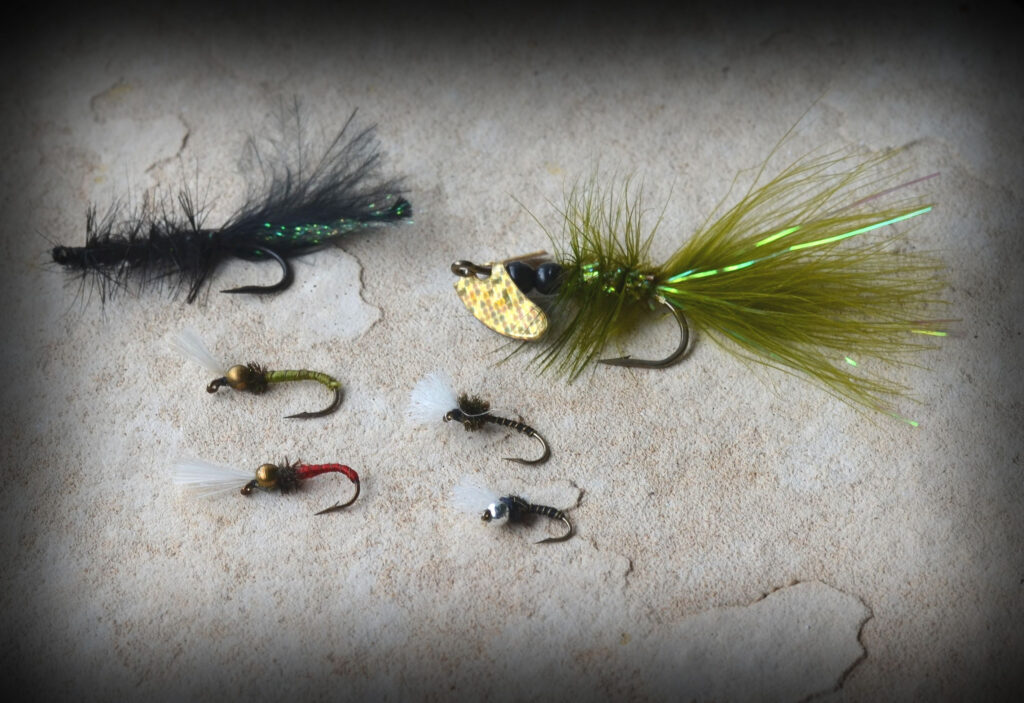
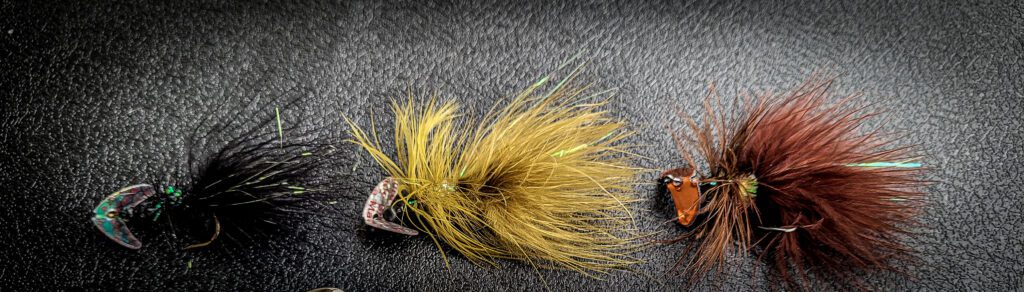
For those who prefer to use a spinning or casting rod, using lures such as spoons, spinners, and soft plastics can be highly effective. These lures mimic the movements of baitfish and can provoke aggressive strikes from predatory trout. Top producing lures to try are the Luhr-Jensen Krocodile spoon in the frog pattern and Dick Nites in silver and chartreuse. Another option is to troll the F4 Kwik Fish in a frog pattern. For both fly fishermen and gear trollers can do very well using a Smile Blade Fly by Macks Lure, which is a whooly bugger with a smile blade in front as a “go to” fly. For the gear guys, simply put a few split shots a foot or two above the fly and troll at slow speed. The fly anglers should use a slow-sinking tippet line and strip it in slowly.
Fishing for Lahontan cutthroat trout at Omak Lake is more than just a sport; it's an experience that connects anglers with nature. The serene beauty of the lake, surrounded by rolling hills and open skies, creates a tranquil setting for a day on the water. What makes this trip to Omak Lake unique is that you are fishing a part of history.
First, the region itself should be explored. It is rich in Native American culture. In fact, Chief Joseph of the Nez Perce, who gave the famous surrendering speech “I will fight no more forever” died on the Colville Reservation in 1904 and is buried at Nespelem. The Grand Coulee Dam is bringing back its laser night show during the summer months, and just seeing this dam is worth the nearby side trip. There are also several trails to hike and, of course, the Columbia River to fish if you want to add other places to cast a line.
Omak Lake received its first plantings of Lahontan Cutthroats in 1968, which is noted in a report “Colville Lakes Compendium, Limiting Factors, and Management Plan” published by John Arterburn in 2003. These fish were a cross of rainbow hybrids from Lake Heenan in California and Lahontan’s from Pyramid Lake in Nevada. The reason why these fish were put in the lake was due to its alkalinity. Back in 1953 a netting of the lake revealed only chum suckers lived there.
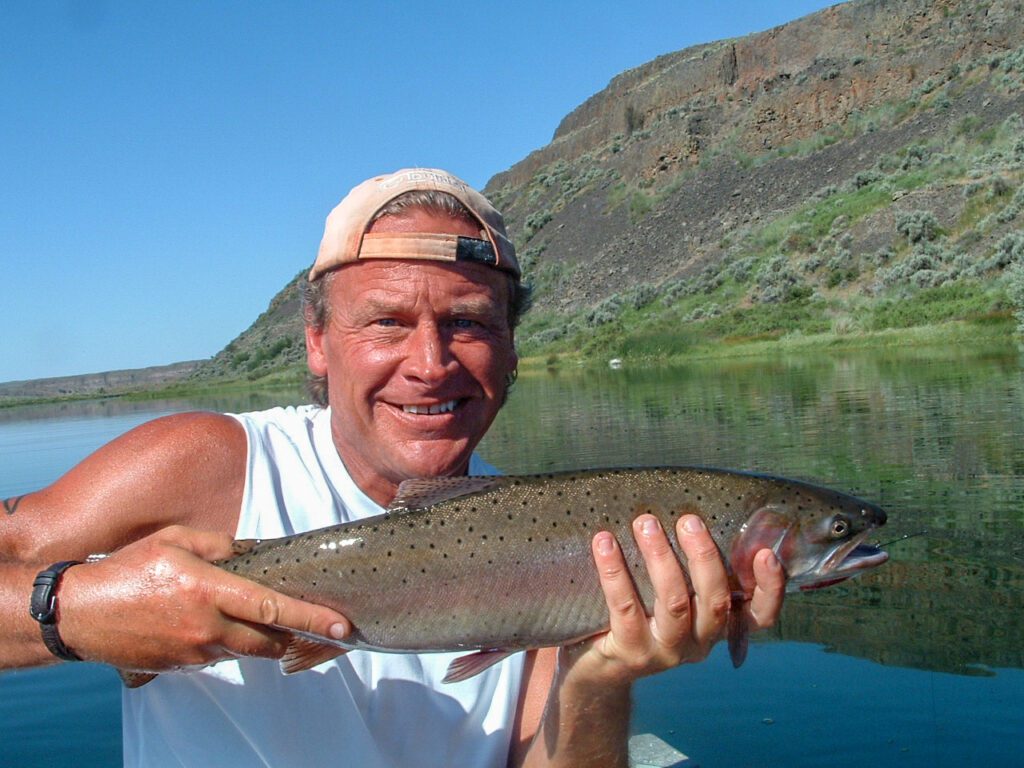
The lake was stocked with rainbows from 1950 to 1960, and in 1956, brook trout were planted. None of these fish survived, so in 1968, they tried the Lahontan’s which did well in the alkaline waters with successful fishing since 1975. A creel census that the tribes conducted from 1975 to 2001, over 26 years of data showed that the average fish caught weighed just under 2 ½ pounds, with most of the fish in the 19 to 20 inch range, but some fish were recorded over 30 inches, including that state record of 18 pounds.
You will need a fishing permit from the tribe. For non-tribal members, the cost is $10 for a single-day use permit, a three-day permit is $20, a seven-day is $30, and the yearly permit is $40. Also, get a copy of the current regulations as it will describe the closed waters, closed shorelines to all access, and also give launch sites that can be used by non-tribal members. There is some camping available, but again, contact the tribe for more information.
Before going to Omak, you should contact the Colville Confederated Tribes Fish and Wildlife Department for current regulations and also where to launch. The Mission Bay launch was recently closed, and other launches are mostly for small watercraft. A launch permit is also needed in addition to a fishing license. The south end of the lake’s shoreline is closed to non-tribal members, and the north end is closed to fishing.
Colville Tribes Fish & Wildlife Department can be contacted at:
Front Desk (509) 634-2110
Main website: https://www.cct-fnw.com/
/articles/omak-lake-cutthroat-action
Westside Trout Roundup
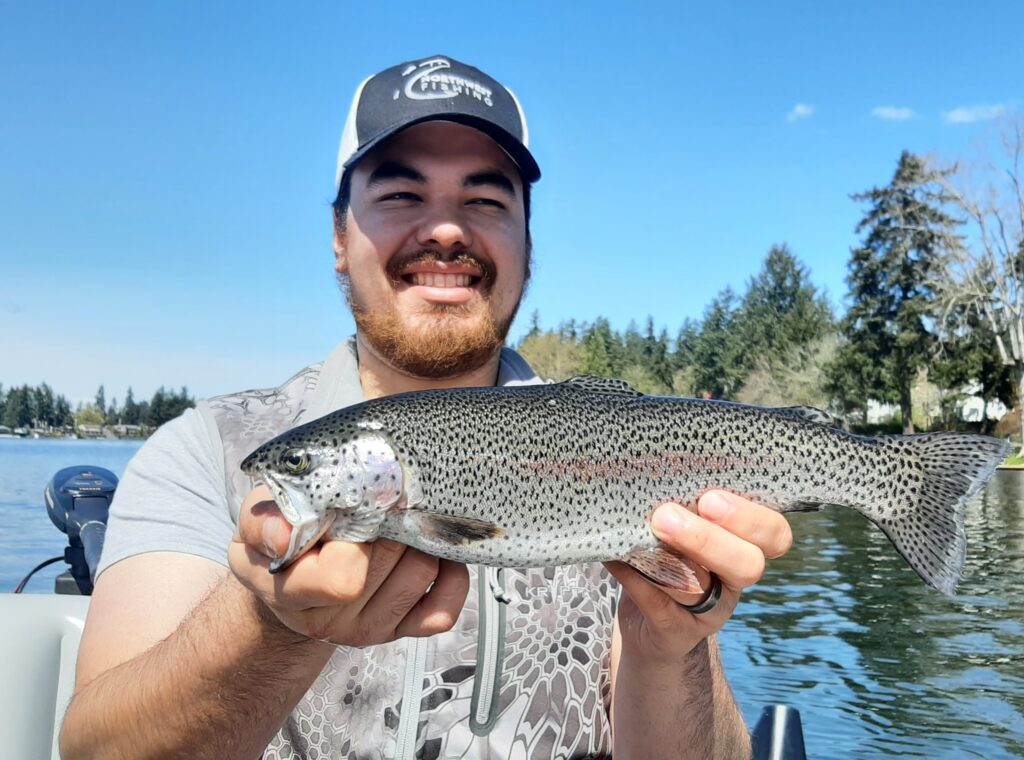
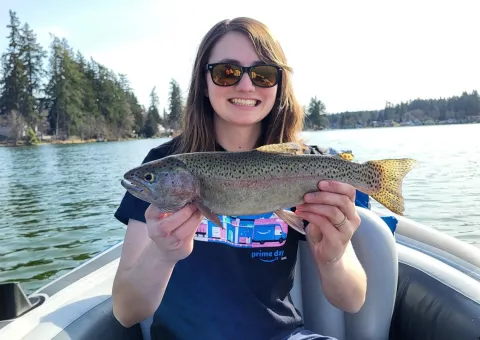
It's that time of year again, trout fishing has finally kicked off! May is a great time to take your family out to your local lake. WDFW stocks many lakes with thousands of catchable size rainbow trout every spring. These fish are hungry and active, and taste great on the grill. There's nothing like a relaxing day of fishing followed by a good trout dinner. Let's talk about my favorite Western Washington trout lakes. I will include lakes with both boat ramps and good shore access on this list.
American Lake
Let's kick off this list with a beloved Pierce County lake. There are multiple boat ramps and shore access spots on this large lake. This is a popular spot for jet skis and pleasure boaters, so exercise caution if you're on a small boat. This lake is deeper and larger than most lakes in the area. The fish can be a bit more difficult to find since they have room to spread out. However, WDFW usually plants twenty thousand or more fish, so your odds are pretty good! Try fishing the shore or dock at Harry Todd Park, or pay a small fee to fish at Bill's Boathouse. They also offer boat rentals. If the trout aren't biting, you can also try your luck for yellow perch.
Lake Ballinger
This northern lake has good shore access and a large fishing pier. It's a great spot for fishermen with small boats, rafts, or kayaks. Gasoline motors are not permitted, so you won't have to worry about getting blown off the water by jet skis or large boats. The south end of the lake is a bit deeper, and that's where the fish tend to hang out.
Mineral Lake
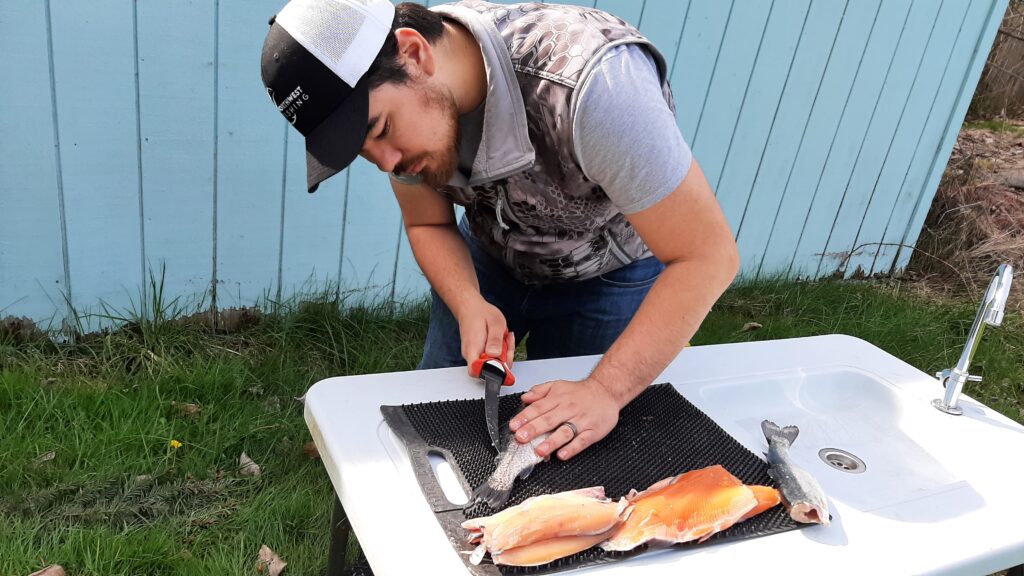
This lake is a bit off the beaten path, but you have the best chance of scoring a trophy trout here. There is a fishing dock and decent shore access. You'll have company on weekends, however. There are also brown trout in this lake! A word of caution for boaters- there are many stumps on the lake, and some are difficult to see. Keep an eye out!
Black Lake
Located close to Olympia, this popular lake boasts a variety of different kinds of fish. If the trout aren't biting, try for panfish! There is good shore access at the park and boat launch. WDFW has planted over twenty thousand trout here this spring.
Lake Padden
No list of West side trout lakes is complete without this one. It has some of the best shore access around! The shoreline is dotted with families enjoying a tranquil day on the water. There is a boat launch, but gasoline motors are not allowed. This lake is small and shallow, I'd definitely recommend soaking dough baits or using a bobber and worm.
Harts Lake
This secluded, serene lake has amazing scenery and even better fishing. There is a small campground, pay to fish dock, and tackle shop right next to the boat ramp. Troll around the edges of the lake until you figure out where the fish are holding, it seems to change frequently. You can also drop anchor and toss dough bait. This lake is also great for catfish, the shore fills up with fishermen on hot summer nights.
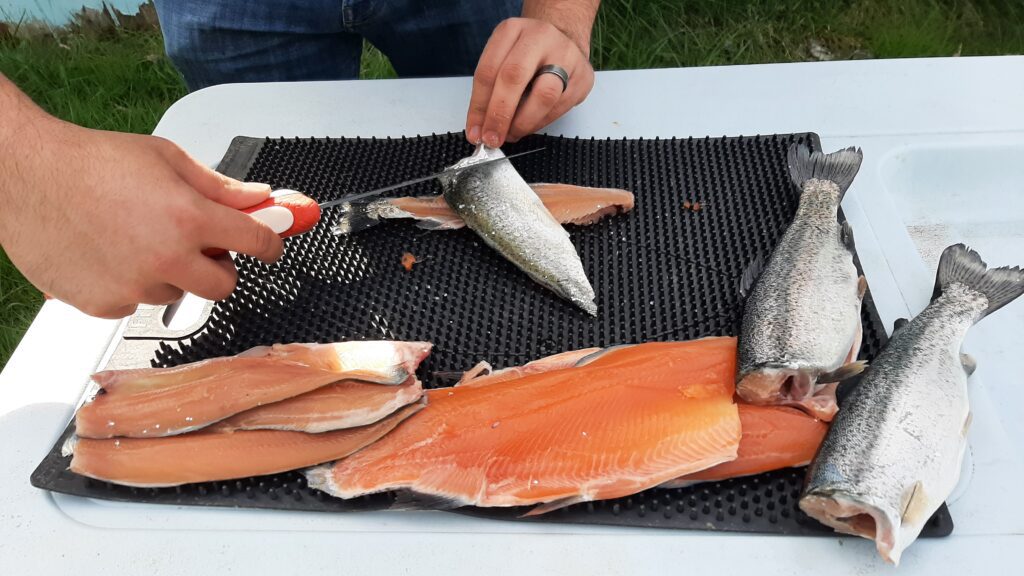
Remember to check the weather forecast before heading out, bring life jackets, and put on plenty of sunscreen! For the best meat quality, bleed, gut, and ice your fish right away. Most importantly, have a great time! Rainbow trout put up a good fight for their size and are eager biters. They are easy for kids to handle because they don't have spines on their body like many other fish. May is the perfect time to go out and explore your local lake!
/articles/westside-trout-roundup
Springers Are Here
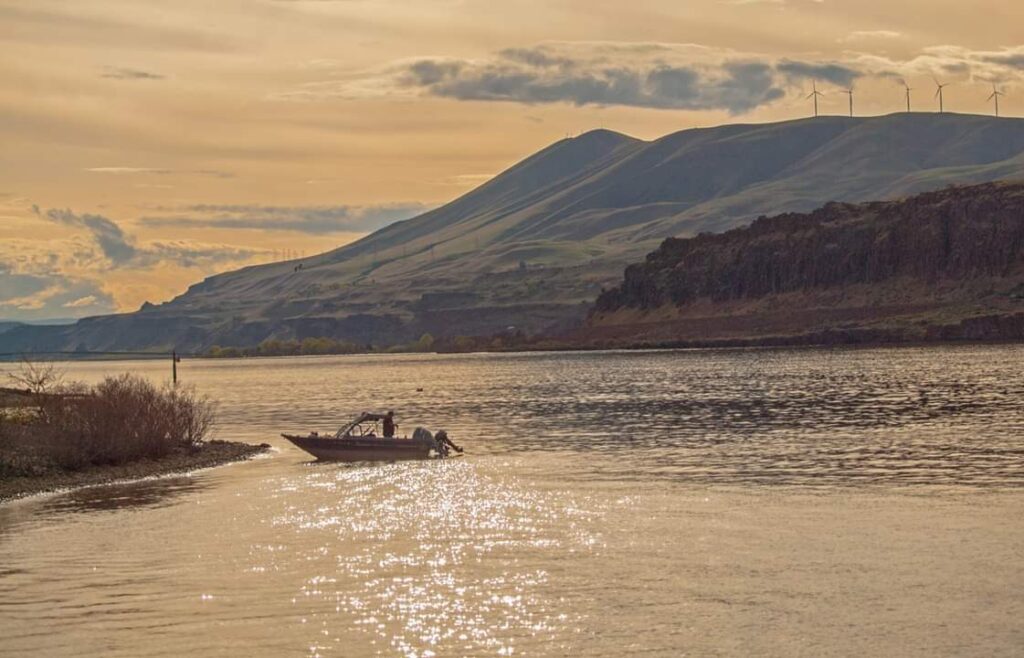
When May rolls around, the spring Chinook fishery kicks into high gear as more and more fish begin filtering into the “Big-C.”
While most of the effort will shift to tributaries in May, the Columbia River mainstem spring Chinook fishery opportunities both above and below Bonneville Dam still remained up in the air as of this magazine’s publication deadline.
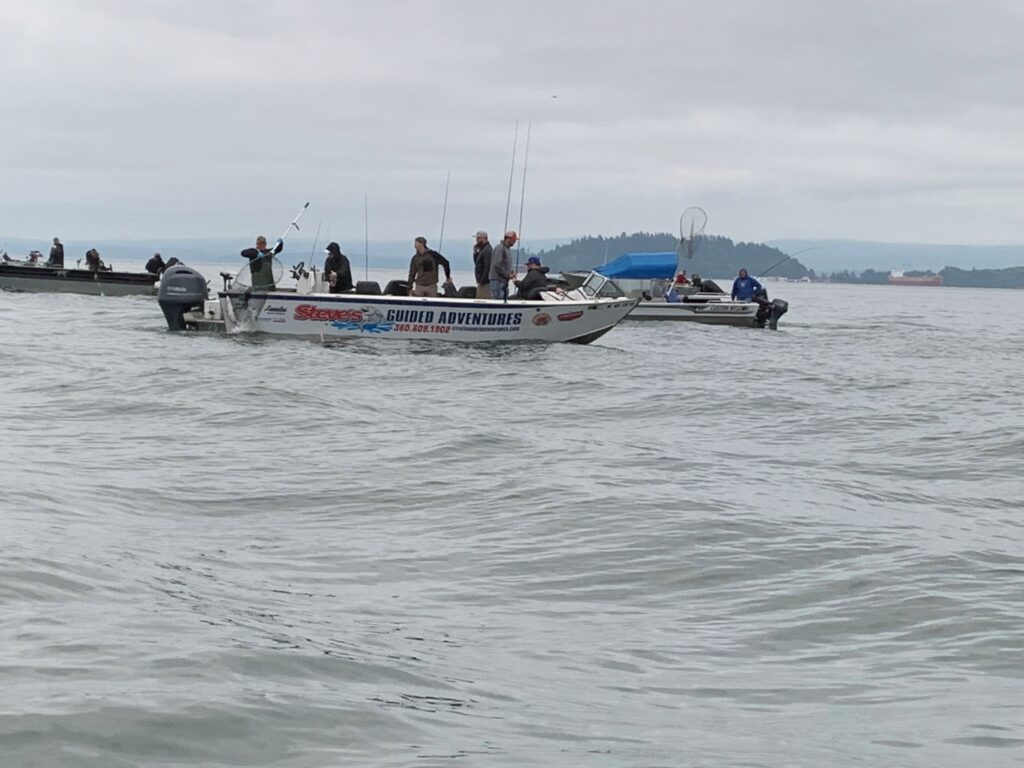
All decisions on whether the Columbia River mainstem reopens later in May and possibly into early summer are left up to joint Washington and Oregon in-season management decisions. To keep track of updates, the public is encouraged to sign up for WDFW Columbia River Compact mailing list notices at https://wdfw.wa.gov/about/lists.
The 2025 forecast for Columbia upriver spring Chinook is 122,250 fish, more than the 116,332 that returned in 2024, but lower than the 10-year average of 139,676 fish.
Several factors influence the arrival of spring Chinook, including flow patterns, which can change on a daily basis. These fish are known to work their way up the maze of channels and will follow bottom structure in the river. They will avoid turbulent water and are known to stall below dams when abrupt changes occur at the tailrace and fish ladder channels.
The initial spring Chinook fishing seasons for the Columbia River mainstem were set in late February, with end dates in mid/early April for below Bonneville Dam and late April upstream. It is usually soon after that when the run begins to ramp up. In recent years, the timing of the run has been later and later.
As of mid-April, the spring Chinook fishing success was just starting to build in the lower river. The number of fish seen at the Bonneville Dam fish ladder was also sporadic. Anglers can track daily fish counts by going to Columbia River adult salmon counts at https://www.fpc.org/currentdaily/HistFishTwo_7day-ytd_Adults.htm, which is key to knowing when to go fishing.
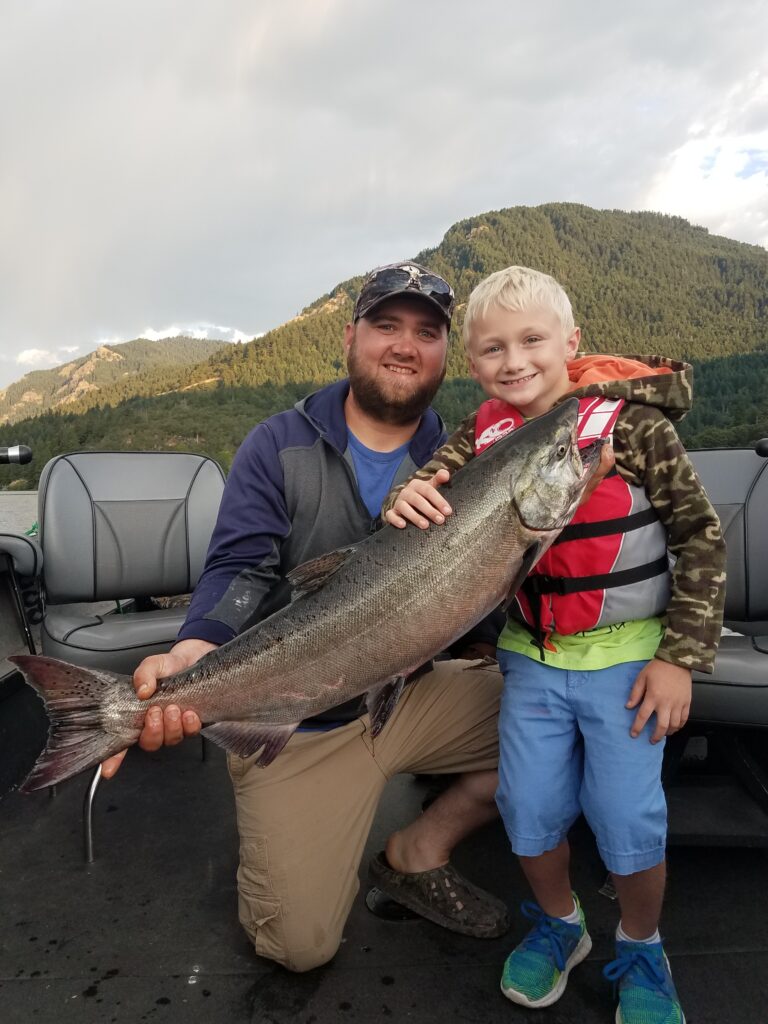
It’s also wise to not wait to go fishing once the run begins to peak, as you’ll likely miss out on the best time period. “For 2025, the corresponding harvest rate tiers are determined by the Snake River wild abundance estimate. Following that, we apply a 30% buffer applied to the forecast until we get a run size update, this is then used to determine the harvest rate,” said Ryan Lothrop, Columbia River fisheries manager with the Washington Department of Fish and Wildlife (WDFW), which he referred to as step one.
Next, fishery managers calculate the allowable catch. Lastly, fishery managers apply the commission guidance of proportion of the Endangered Species Act splits by sector and area.In 2025, recreational anglers are projected to harvest approximately 5,200 adult spring Chinook below Bonneville Dam in the Columbia mainstem, and 550 spring Chinook from Bonneville Dam upstream to the Washington/Oregon border.
“Fortunately, we were able to provide additional quality April days of opportunity downstream of Bonneville Dam this year, given there was a substantial balance remaining,” Lothrop said. “Upstream of Bonneville Dam, increasing catch rates in recent years have led to early closures, resulting in fewer open fishing days before this year’s in-season run size update."
However, if the run size update is large enough or if there’s remaining catch allocation, additional fishing time is likely. ”Fishery managers will monitor the fisheries, dam counts, and hatchery returns as the season progresses and adjust as necessary. The U.S. v. Oregon Technical Advisory Committee typically provides a run size update in mid-May. Based on the 2025 preseason forecasts, anglers can expect to find a decent number of spring Chinook in the Cowlitz, Kalama, and Lewis rivers. Tributary fisheries are managed based on hatchery spring Chinook surplus.
Places like the Cowlitz experienced closures a few years ago, but with a forecast of 13,310 (4,580 and 8,822), a closure isn’t necessary in 2025. The Cowlitz spring Chinook forecast to the tributary mouth is greater than the recent five-year and 10-year average return of 5,300 and 9,800, respectively. In the Kalama River, the spring Chinook forecast to the tributary mouth is 2,900 (1,840 was forecast with an actual return of 2,310 in 2024).
The Kalama spring Chinook forecast to the tributary mouth is similar to the recent five-year and 10-year average return of 2,200 and 2,500, respectively.In the Lewis River, the spring Chinook forecast is 3,060 (3,270 and 2,553). The Lewis spring Chinook forecast to the tributary mouth is similar to the recent five-year average return of 3,700 and greater than the 10-year average return of 2,600. During May a lot of the spring Chinook fishing attention also shifts to tributaries above Bonneville Dam such as Drano Lake, and the Wind and Klickitat rivers. The best way to gauge when it’s time to go is by watching the fish counts at Bonneville Dam.
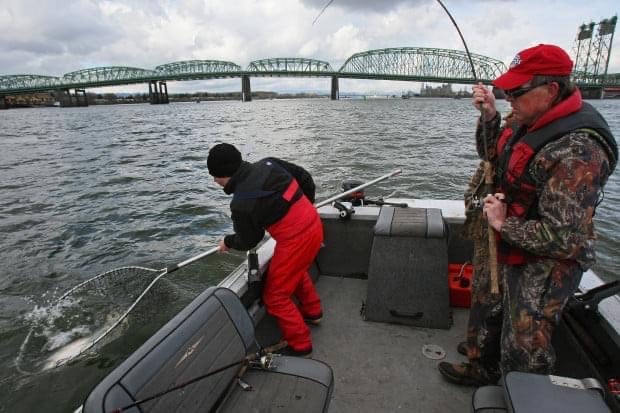
The Wind forecast is 4,900 (4,200 forecast and actual return of 4,604 in 2024) and is greater than the recent five-year and 10-year average return of 4,100 and 4,000, respectively. In Drano Lake (aka Little White Salmon) the forecast is 7,600 (5,300 and 7,863) and forecast is similar to the recent five-year average return of 7,400 and less than the recent 10-year average return of 8,100. The Klickitat forecast is 1,200 (1,300 and 491) and is similar to the recent five-year average return of 1,300 and less than the recent 10-year average return of 1,500.
In Drano Lake, the best action happens in the area referred to as “Toilet Bowl,” a popular spot where anglers troll in a tight circle near the entrance of the lake. While most are Drano Lake stock fish some of these fish are known as “dip-ins” as they first enter the lake before migrating further up the Columbia River. There isn’t much space to troll so make sure you’re following the same path as others and are good at handling your boat and keep your lines right underneath to avoid getting tangled up with others. If someone nearby hooks a fish stay clear of them.
If you plan to fish Drano Lake, be aware the Columbia River outside the mouth of Drano Lake is closed. There is a marked boat fishing boundary area in Drano to allow for some bank angling to occur near the mouth. From the shore cast spinners or Wiggle Warts. Anglers also fishing for springers in the Wind River must stay within the fishing boundary of the river itself and not stray into Columbia River mainstem area. Spring Chinook tips and tactics I could list a hundred different ways to successfully catch spring Chinook and what to use varies depending on river location, flow patterns and water clarity but the most important factor to keep in mind is patience.
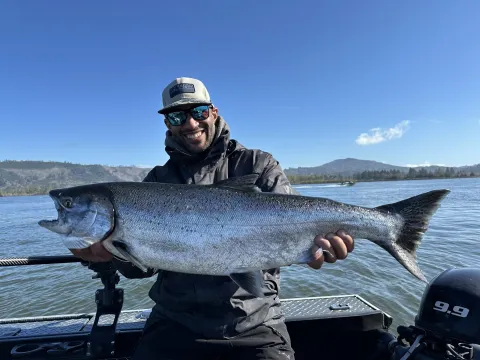
Earlier last month, I had a friend who spent six days and nearly 50 hours on the water of the Lower Columbia River and managed to bring home one hatchery-marked fish.
As for fishing gear, don’t skimp on the rod and reel and spending money wisely will be an investment toward catching more fish. The rods of choice are usually a 9 ½ to 10 ½ foot of 15 to 25 pounds with a lot flex and soft tip. Oftentimes these fish will grab the bait and turn away so flexibility in the rod will allow for a proper hook-up. Let the salmon pull your rod tip down a few times before gently setting the hook and don’t jerk hard since usually the depth of water you’re fishing isn’t very deep to begin with.
Line counter reels are the norm nowadays and enable you to find the sweet spot by aligning the depth on your fish finder to the area where the fish are lurking. Many like to use braided line, but I’m old school and will stick with monofilament line for a bit of stretch and give when the fish bites. The standard setup for trolling is a three-way swivel with 10 to 18 inches of 15-pound monofilament to an eight- to 15-ounce dropper weight, depending on current and flow.
On the other end of the swivel is 24 inches of 30-pound monofilament line to your fish flash and then another 40 to 50 inches of 30-pound monofilament line with a swivel halfway down the leader to allow the bait or lure to spin freely and eliminate the line from twisting and tangling. Often I’ll go “naked” and not use a fish flash which creates less drag too.
The traditional bait is a green-label herring, whole or cut-plug, with the proper tight spin. Many will soak their bait in a brine mixture to toughen them up. After bouncing off the bottom a few times or running into debris they’ll tend to get blown out or will lose their quality spin. To get the right spin on a whole herring, I like to insert a toothpick in the anal vent of the herring and bend the herring to a 45 degree angle. Then take the top hook and insert it under the lower jaw and out through the hard spot between the eyes. About halfway down the side of the body insert and pull out the trailing hook so it dangles freely.
Others like to pin a plastic bait helmet – Krippled Herring or Rhys Davis – to avoid wear and tear on the herring. Before dropping it down, add some scent and make sure it has the right spin. Other top choices are a 3.5 spinner and prawn, flat fish wrapped with a sardine or a Brad’s Super Bait. Downsizing to smaller Kokanee Cut Plugs, or a 2.5 or 3.0 Spinfish filled with tuna to tandem trailing hooks are effective in warmer water conditions and when it gets crowded during a slow troll like at Drano Lake.
Colors are also key to catching fish. Be sure to carry a wide variety but usually chartreuse, silver, orange and red work well. The scent of bare hands can be a deterrent so keeping some environmentally safe liquid soap, clean hand towels and elastic nitrile gloves will enable you to stay in the game of catching fish. Have a small bucket to wash down your lures and be sure to keep your rod handles and cranks on the reel clean.
Be sure to check the WDFW website at https://wdfw.wa.gov/ for current daily limits, other area-specific rules, any emergency rule changes, and closures or openings that tend to occur during the spring Chinook fisheries.
Tight lines, and I’ll see you on the water very soon!
(Mark Yuasa is a Washington Department of Fish and Wildlife Communications Manager. He was also the outdoor reporter at The Seattle Times for 28 years.)
/articles/springers-are-here
Spring Means Rockfish
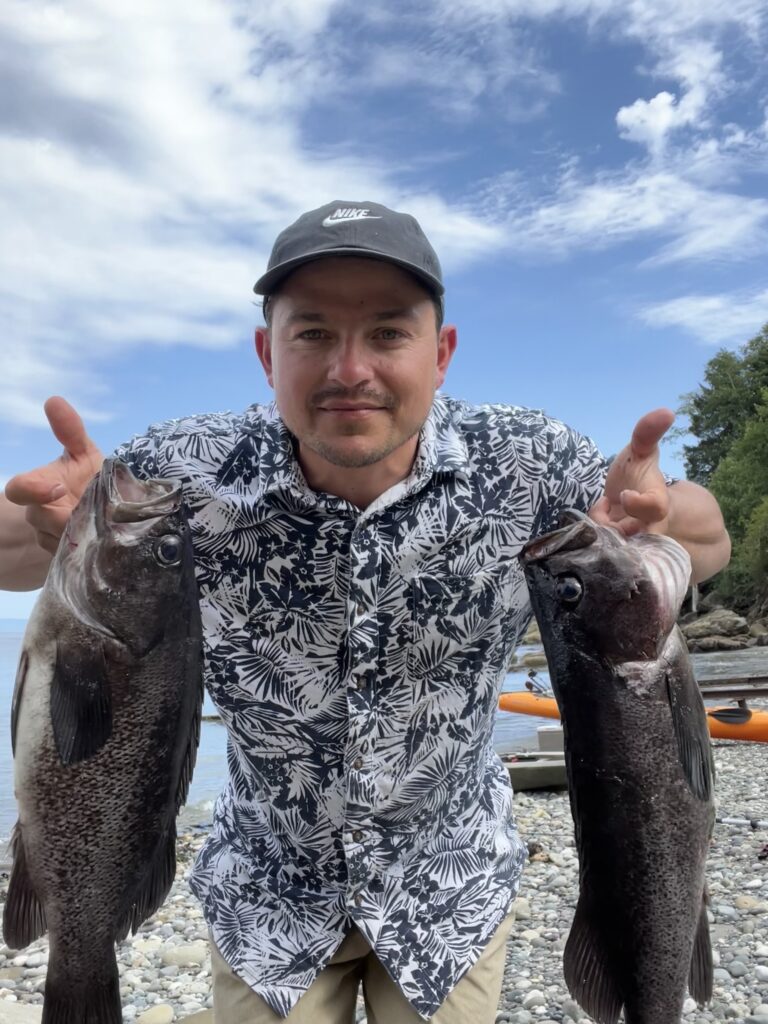
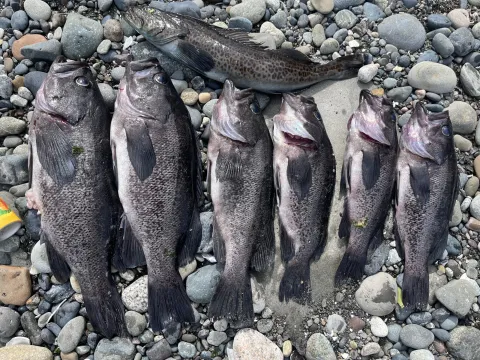
If you’ve fished anywhere off the coast of Washington state, chances are at some point you’ve landed a rockfish, or depending on who you talk to, a black seabass. While rockfish are often seen as only a bonus catch during the pursuit of something larger, like lingcod, they are, in my opinion, some of the best-eating fish that swim along our coastline. The name “Rockfish” is an umbrella term that encompasses over 100 different species of fish, but the ones we most commonly fish for here in the northwest are the canary rockfish, black rockfish, blue rockfish, and deacon rockfish.
Where to fish
Though Rockfish do inhabit the waters of the Puget Sound, it is illegal to retain or target them here due to conservation concerns. As you move northwest into the straights of Juan De Fuca, you’ll find that the populations of rockfish become healthier and fishing opportunity increases the closer you get to the Pacific Ocean. Marine Area 5 (Sekiu) is where allowable rockfish retention begins, though as of 2025, in MA 5, you can only retain 1 rockfish per day. Moving further west to MA 4 (Neah Bay) the possession limit increases to 7 and the season is year-round.
Aside from Neah Bay and Sekiu in Clallam Bay, you can also target rockfish southward along the Washington coast around Westport, Ocean Shores, and Pacific County near the mouth of the Columbia River. Boat fishing Rockfish tend to prefer deeper waters near rocky structures, reefs, kelp beds, or even shipwrecks, which in general makes fishing from shore not a viable option (though there are some exceptions). Fishing from boats, kayaks, or canoes, are generally the most effective method. And because rockfish are such aggressive feeders, it makes them a great species to target when bringing the family along on a boating trip, as these fish aren’t terribly difficult to catch.
Most soft plastic grubs on a 1-3 oz lead jig-head can entice a bite. Use lighter-weight jigs-heads when the current is mild, and heavier jig-heads during strong currents. The amount of sunlight should influence your choice of jig colors. I try to stick with darker color soft plastics during overcast days and brighter colors on sunny days. Flashy metal jigs anywhere from 2-4 oz can prove phenomenal for catching rockfish as well.
My favorite jig as of lately has been a 2.5 oz blue and silver laser minnow, and I seem to catch rockfish on this regardless of weather conditions and current strength. Most of the rockfish you catch will likely be around 2-3 lbs (though they can get much larger), considering this, they are a blast to catch on lightweight gear. However, larger fish like lingcod and cabezon will bite at the same jigs and lures as rockfish, so anglers should be prepared for this potential. I almost always run 25 lb braided mainline with a 20 lb monofilament leader off of a 6-7 ft medium light rod and find this to be a good middle of the road setup.
Jetty fishing
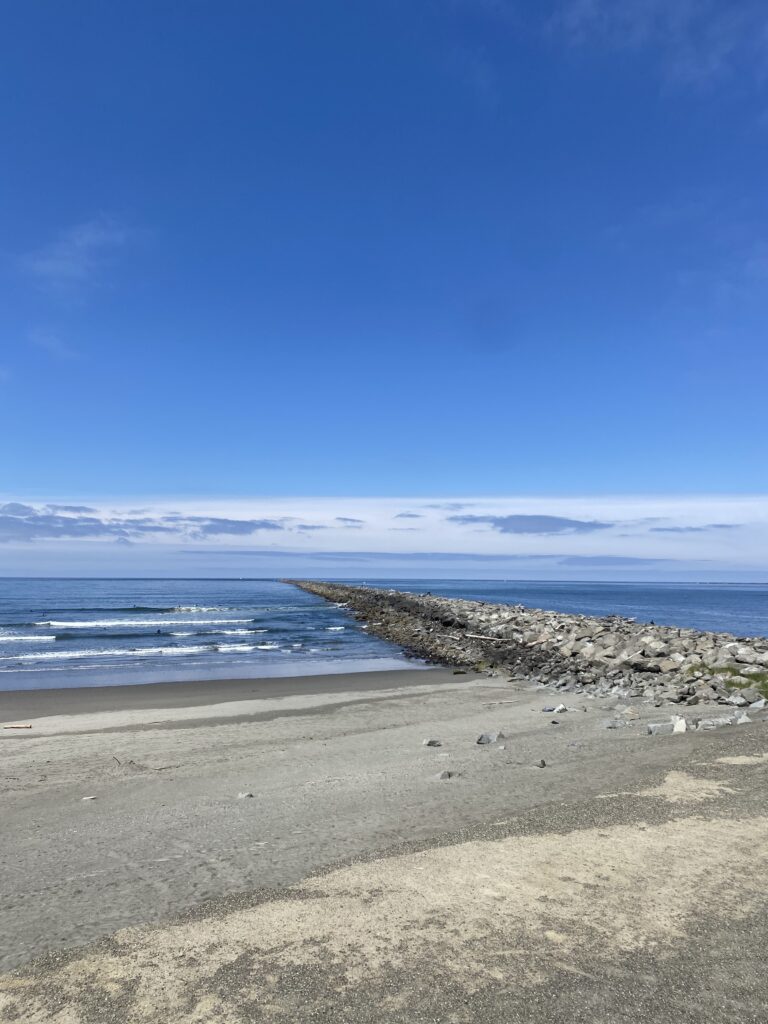
Though boat fishing may be the most effective method for catching rockfish, land dwellers should not fret because there are options for folks who prefer to stay off the water! Jetties or rocky outcroppings that extend into deep water offer ample opportunity for a limit of rockfish. The Westport jetty, the north jetty in Ocean Shores, and the Columbia River north jetty all allow somewhat easy access to this fishery. Furthermore, if you normally fish out of a boat for rockfish, and have had plenty of success over the years, you might find that the process, though fun, can eventually become a bit repetitive.
Jetty fishing offers a welcome change of pace as it provides an altogether different experience and requires different techniques and tackle to land the fish. When fishing from a jetty, netting the fish off the rocks isn’t always an option. This means you will have to lift the fish out of the water with your rod and line. That process can put an excessive amount of strain on your line, thus, jetty anglers should stick with a 25-40 lb mainline and 20-25 lb leader.
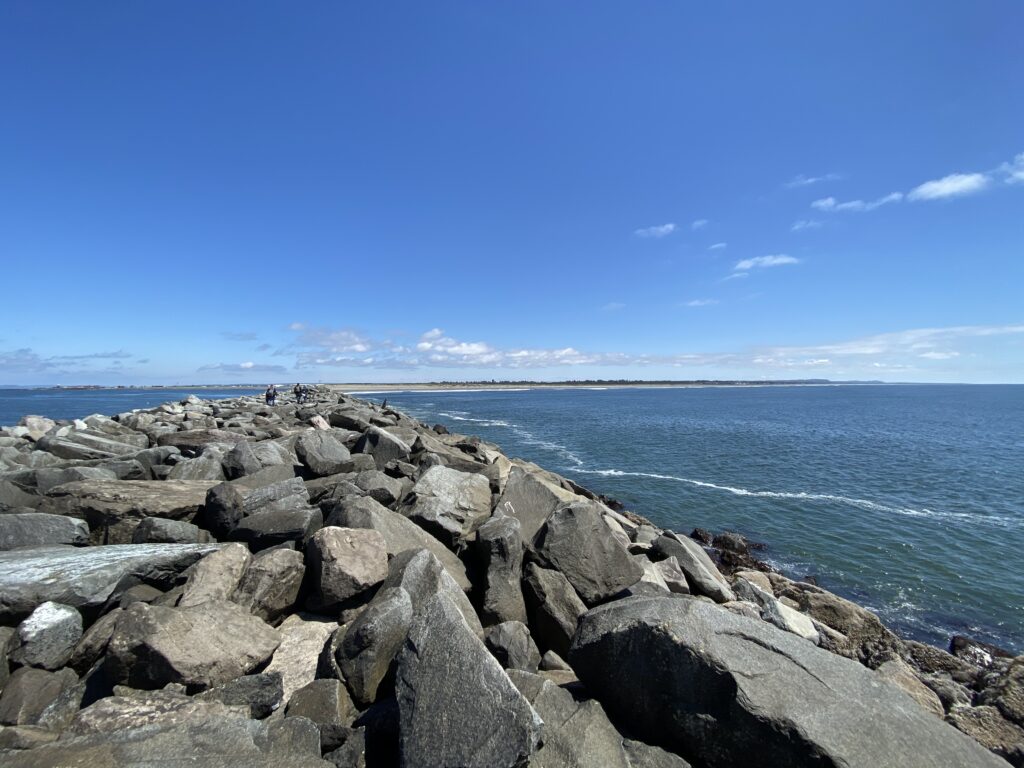
A soft plastic swim bait lure with a weight of 1/2 - 1 oz weight between your mainline and leader will allow your gear to fall deep enough into the water column while also remaining high enough to avoid snagging on the rocks. If you run a soft plastic jig, you can retrieve, jig and repeat. For a swim bait, anglers can find success by either doing a steady retrieve or by doing a steady retrieve with an occasional jig or twitch. Safety is a major concern while fishing on jetties. With this in mind, anglers should monitor weather, tides, and swell activity. During extreme conditions, waves can crash onto the jetties and pose a risk for anyone who’s on the rocks. Refer to NOAA for weather conditions and surf reports for swell and wave activity. Hiking boots, felt-soled boots, or even toe-shoes are favored by jetty anglers for walking around on wet rocks.
The rockfish fishery is a great way to get back out onto the water and get the sun back on your face as we crawl out of our long Pacific Northwest winter. Whether you're launching a kayak at Hobuck beach in Neah Bay, motoring out onto the straights, or climbing around on some rocks at the Westport jetty, there’s nothing better than introducing the upcoming summer season with a cooler full of rockfish and a fish taco dinner at home with the family.
/articles/spring-means-rockfish