Everett Coho Derby: Supporting our Fisheries by Brent Knight
Here we are, mid-summer. And for many of us sportsmen, waiting patiently for the fall salmon runs to begin. With very limited Chinook opportunities in Western Washington, most of us are looking forward to our coveted coho fishery. I know that I am organizing my gear, tying leaders, prepping bait, and doing anything that I can to pass the time. I get in a day or two of kokanee or trout fishing here and there, but it is just not the same. Coho are hard-fighting fish and arguably among the best-tasting salmon, either on the BBQ or in the smoker. The 2026 forecasted return of coho salmon to the Puget Sound projects a strong, healthy return overall, ranking as one of the best seasons in recent memory for total forecasted abundance. This means that we should be both optimistic and excited for what is to come.
Along with the returning salmon come numerous derbies, all up and down the West Coast. Every September, there is a salmon derby unlike any other on the West Coast: The Everett Coho Derby, taking place in September when the Coho are stacking up in the Puget Sound on their way to their natal rivers and spawning grounds. This great event celebrated its 32nd year in 2025 and has become the largest fishing derby on the West Coast, with around 2000 adults and 300 kids registering annually. That’s a lot of sportsmen (and women) and anglers on the water!
I have been fortunate to be a volunteer for the past five years. For me, it’s easy. I just show up at the Edmonds Marina and meet and greet people as they bring their catch in for weighing. We laugh and talk to all the smiling kids, proud to weigh in their fish and compete for prizes. Outside of all the fun that we have over the two days of the derby, many others spend the year planning the event, and it is a lot of hard work.
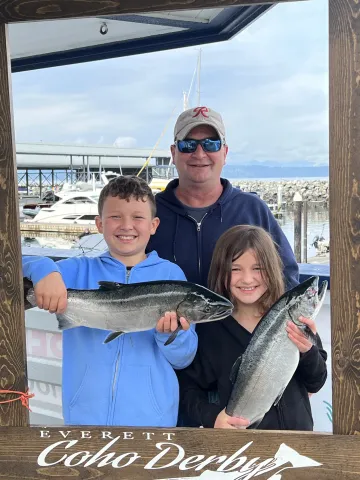
The Everett Coho Derby is sponsored by the Everett Steelhead and Salmon Club/Everett Chapter of the Puget Sound Anglers and the Snohomish Sportsmen’s Club. These two groups work together to plan the event. The money made in this derby goes to support the many fish enhancement projects of the clubs.
Coho can be caught in any of the open marine areas or the open rivers in Snohomish and Skagit Counties. First, second, and third prizes fetch $10K, $5K, and $2.5K, respectively. Gary Hanson from Puyallup won the 2025 Everett Coho Derby with a 12.62 lb coho salmon. The annual derby concluded on September 21, 2025, with Betty Wood (Snohomish) taking second place with a 12.11 lb fish, and David Taylor (Tulalip) in third place with an 11.57 lb fish. The event saw a highly competitive weekend for the top spots.
A little history about the derby: In 1993, the local recreational fishing industry was in a quandary. To protect many of the threatened runs of coho salmon, the State of Washington declared much of the saltwater off limits to salmon fishing, as well as closing most of the local rivers. The only area available was the Snohomish River system and a small “Bubble” right outside the mouth of the Snohomish River called the Tulalip Bubble. Interest in salmon fishing was waning, and the sporting goods stores were worried about their livelihoods - the sale of fishing gear.
One of the local store managers, Fabian Loomas from Jerry’s Surplus in Everett, approached Jim Brauch of the Everett Steelhead and Salmon Club and Mark Spada of the Snohomish Sportsmen’s Club with a proposal. If a salmon derby was created, targeting the small area that was open, Fabian would try to solicit prizes from the various distributors. In addition, if not enough tickets were sold to cover the prize money, Fabian would guarantee that the prize money would be paid. This was a win-win scenario for the two clubs, and the decision was made quickly to create and organize the derby!
That first year, the derby was called the Snohomish River Coho Derby, and it made about $400-$500 per club. Not a lot by today’s standards, but in those days, most of the club’s income came from small raffles and coffee rest-stop donations. Four hundred dollars was significant for both clubs, and they were overjoyed at the additional revenue. Those guiding the effort muddled along for the next few years, happy to have a derby and happy to make a little money from it. A Humpy Derby was attempted one year, and two things were discovered: humpy (pink salmon) anglers don’t buy derby tickets, and most humpies entered in the derby weighed about the same (10th through about 50th differed by less than 2 oz). In about the year 2000, Mac McReynolds - a representative from Olympic Boats, a local retail boat sales operation - approached the group to see if they could help sponsor the derby. McReynolds arranged for a boat, motor, and trailer to be awarded as the grand prize, at no cost to the derby. Ticket sales surged that year, furnishing money for the many enhancement projects carried out by both clubs. Up until a couple of years ago, the boat, motor, and trailer package was a mainstay of the raffle portion of the derby and helped it to continue to grow to what it is today. Other past prizes have included trips to fish in Alaska and cash as alternatives to the raffle.
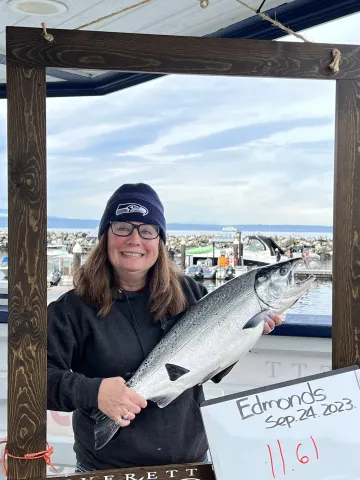
From these humble beginnings, the derby, now called the Everett Coho Derby, has become the largest derby on the West Coast of North America based upon the number of participants. Ticket sales have soared from 900 tickets sold in 2001 to 2527 sold in 2004, a year of inclement weather, along with over 300 free youth tickets. Over 2800 participants in total. The derby now averages 2000 adult paid tickets, and 270 free kids (12 and under) tickets each year. The prize money has also improved with cash for the five largest fish, from $500 for 5th place up to $10,000 for 1st place, along with many added cash prize categories. This derby has surely become a destination event on the West Coast.
The money made each year in the Everett Coho Derby goes towards the support of the many fish enhancement and propagation projects of the clubs - including stocking of the local lakes with trout, a salmon hatchery raising 60,000 coho smolt each year for release in the Skykomish River (Eagle Creek Hatchery), carcass planting in the upper Pilchuck River and Snohomish System, many different youth activities including trout clinics/fishing events, high school/college scholarships, sending kids to Youth Conservation Camp, as well as many other activities too numerous to mention. The money goes to good causes, and anglers have a chance to win prizes at the same time. What could be better?
These events take a ton of work to organize and coordinate, but the proceeds help more than most people realize. Also, many of the people who donate their time and energy to events like this are getting older, so there is a call for new blood. It is time for the next younger generation to get involved and start to take over so that we can keep these events going.
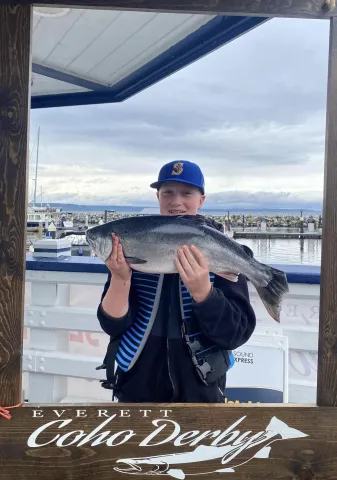
So, what does it take to get involved? There is nothing to it. Just volunteer, and they will be grateful for your help. If you are not the volunteering type, that is okay. Pay your entry fee and come try to win some prizes next year while filling your freezer with chrome bright coho salmon.
To learn more, you can visit https://everettcohoderby.com/. The 2026 derby will be held on Saturday and Sunday, September 26-27. Tickets will go on sale on July 1st. We hope to see you there.
/articles/everett-coho-derby-supporting-our-fisheries-brent-knight
Opening Day Means Trout Derby Time! By Mark Yuasa, WDFW
Warmer weather, coupled with longer days, is a sure sign that spring has finally arrived, and the kickoff to the statewide lowland lakes trout fishing opener is just a stone’s throw away.
To prepare for this special fishing occasion on April 26-25, the Washington Department of Fish and Wildlife (WDFW) hatchery staff have been busy stocking about 525 seasonal lowland lakes and ponds with nearly 15.5 million trout and kokanee.
“Opening day is one of our biggest and most important days for anglers to get out on the water,” said Steve Caromile, WDFW Inland Fish Program manager. “Spring weather can be hard to predict, but we’ve had a mild winter, and hopefully that’ll lead to plenty of success for weeks to come.”
The 2026 stocking plan reveals more than 2.1 million catchable-size trout (averaging 11 to 13 inches) and another 157,000 “jumbo size” trout measuring 14 inches or longer will be swimming in lakes and ponds in time for anglers to catch on the opener. Most of the jumbos are expected to be planted in March and April, while others will be stocked to boost fall fisheries. Adding to the stocking list is another 1.6 million-plus trout categorized as “put, grow and take” – reared in hatcheries and 2.6 to 10 fish per pound in size – stocked in 2025. The fish that survived through the winter should now average 8 to 12 inches.
To further boost fishing prospects, an estimated 11.5 million fingerling and fry trout and kokanee planted one or two years ago should be in the catchable size range when the 2026 season gets underway. Most fry were stocked in Eastern Washington opening day lakes, which are managed to create decent fry survival. To spice it up, the WDFW Trout Derby is April 25 through Oct. 31 with more than 100 stocked statewide lakes. Around 70 statewide businesses are offering an estimated 915 prizes valued at $44,000 and worth about $48 per prize. The number of tags turned in during the 2025 season was 59%. The success of the trout derby would only be possible through WDFW’s ongoing partnerships with business dealers/vendors throughout the state.
Prizes include: gift cards, fishing gear and tackle, annual magazine subscriptions, Seattle Mariners game tickets, hooded jackets, books, rounds of golf at multiple golf courses, local aquarium admission, car detailing bucket, and kayak rentals. Higher valued prizes include: a kayak, guided lake fishing trip for two, handheld GPS units, lifetime memberships for a streaming app to locate trout streams in Washington, stays at local resorts and campgrounds, a backpack, and a beverage refrigerator. This season, each of the prize-winning trout can be identified by a green tag inserted near the dorsal fin.
Anglers can participate in the WDFW photo contest during the first week of the trout derby on Instagram by using the hashtag #watroutderby.
Join WDFW staff for the WDFW/Filson Trout Derby Kickoff Party hosted by Filson on April 18 from 11 a.m. to 3 p.m. at the Filson Seattle Flagship store, 1741 1st Avenue South in Seattle’s SoDo neighborhood. Get trout derby information, watch a fly-tying demo, learn from local fishing experts, and enjoy cuisine served by a local chef. For details, refer to https://www.filson.com/pages/seattle-store.
The derby is open to anyone with a valid 2026-2027 fishing license, and a temporary license may be used. There is no entry fee or registration required. Children under age 15 fish for free.
The WDFW Trout Derby website at https://wdfw.wa.gov/fishing/contests/trout-derby will be updated soon to see which statewide lakes contain tagged trout and learn more about how the derby works.
Why wait? Go now!
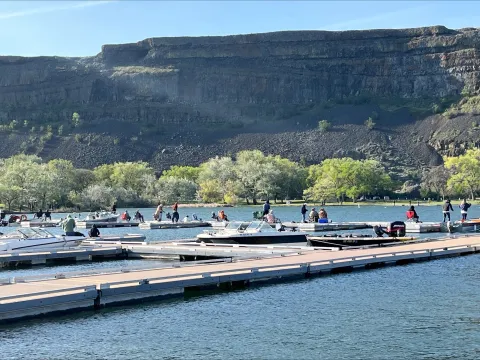
While most are gearing up for the later April opener, anglers can get a jump start right now by trekking to year-round westside lakes stocked with trout between March and May. Other lakes also receive bonus plants in the autumn/winter, and thousands of trout averaging 1- to 1.5-pounds apiece are going into some Puget Sound region lakes for the “Black Friday” fishing event in late-November. For the statewide stocking schedule, go to the WDFW fishing and stocking reports webpage at https://wdfw.wa.gov/fishing/reports.
More than 24 Eastern Washington lakes opened on March 1 for fishing and were or are being stocked with catchable-size rainbow trout. “As the days become longer, these early spring fisheries are a good way to start the season,” Caromile said. In Grant County, Martha and Upper Caliche lakes were recently stocked with catchable-size rainbow trout. Each also received rainbow trout fingerlings in March 2025 and an additional plant of catchable-sized trout in October 2025. These fish are expected to average 13 to 14 inches by opening day, with some reaching 20 inches.
WDFW stocked Quincy and Burke lakes with more than 21,000 trout fingerlings in spring 2025 and received an additional 1,500 catchable-size rainbow trout in February. Last year's fingerling plants are expected to be 10 to 12 inches, with some larger carryover fish in the 13- to 15-inch range.
Additional Grant County lakes open now for fishing are Cliff, Crystal, Cup, Lower Spring, and Upper Spring lakes. Lenice, Nunnally, Dry Falls, and Dusty lakes are also worth a try for trout. In Columbia County, try Blue, Deer, Rainbow, Spring, and Watson.
In Spokane County, head to Liberty Lake, which was stocked with catchable-size and jumbo rainbow trout. Amber and Medical lakes are open under selective gear rules and should fish well this spring.
In South Central Washington, many lakes in Benton, Franklin, Kittitas, and Yakima counties are open year-round and have been stocked with trout.
Weekly catchable trout stocking reports are posted on the fish stocking webpage at https://wdfw.wa.gov/fishing/reports/stocking/trout-plants.
Fishing gear to use
What anglers use for trout isn’t overly complicated, and a trout rod should be light and limber, in the four to 10-pound range, and lengthwise in the six- to seven-foot range. Many prefer a medium-sized spinning reel spooled with more than 100 yards of six- to eight-pound test fishing line.
From the main line, attach one or two number nine egg sinkers with a rubber bumper to a small barrel swivel. Leader length is vital; stay away from the store-bought pre-tied 12-inch leaders, which are way too short. Leaders should be three- to eight-pound test and 18 to 30 inches long. For hooks, think small and use an egg or worm hook in a size eight or 10, or try a No. 14 or 16 treble hook.
Traditional baits to use are worms, maggots, salmon eggs, or scented marshmallows, but dough bait like the wide variety of Berkley Power Baits is now the preferred option.
Fly patterns like a black or black-olive colored Woolly Bugger in a size eight or 10 attached to a five- or six-foot leader and trolled weightless close to the surface is a fun way to catch trout.
From a boat, troll a gang-flasher with a worm, maggot, or salmon egg laced with a tiny piece of scented dough bait or small spoon like a Dick Nite, Yakima Bait Triple Teazer, or Luhr Jensen Super Duper.
Bank anglers will usually cast out a bobber with their presentation sitting just below the surface in three to six feet of water. Others hang their presentation a few feet off the bottom, where the bigger fish tend to lurk. Once the stocked trout acclimate to their new surroundings, they’ll eventually spread out and move to deeper areas of the lake.
Keep in mind that most recently stocked trout tend to school near the surface, and many will swim around where the hatchery trucked them in the lake, usually within a short distance of the shoreline, boat ramps, and docks.
Lastly, remember to purchase a 2026-2027 fishing license before you head out, which is required for anyone age 16 or older. WDFW now offers two mobile apps to support outdoor recreation, available for free download in the Google Play and Apple App Stores. MyWDFW is a comprehensive licensing tool providing access to active fishing license privileges and can be found at https://wdfw.wa.gov/about/apps/mywdfw. The Fish Washington® mobile app at https://wdfw.wa.gov/fishing/regulations/app is tailored for anglers, offering fishing regulations and a feature that lets anglers manage their active license privileges, purchase license products, and enter catches or harvests.
Licenses may be purchased online at https://fishhunt.dfw.wa.gov/login or from hundreds of license dealers across the state at https://wdfw.wa.gov/licenses/dealers. The 2025–2026 fishing licenses expired on March 31.
(Mark Yuasa is a Washington Department of Fish and Wildlife Communications Manager and a longtime local fishing and outdoor writer.)
/articles/opening-day-means-trout-derby-time-mark-yuasa-wdfw
The Derby Mentality
A fishing derby? I'd better set up a team and sign up. I’m the “Fish Whisperer", my buddies and I can outfish anybody! Actually, that’s not fair. Although the fame and money would be nice. Most people sign up for a derby just to participate in the event and to enjoy the camaraderie and fellowship. Winning would be a sidebar to enjoying the fishing trip, enhancing the overall experience.
Fishing derbies and tournaments for just about everything that swims are organized throughout the country each year. In the US, there are 30,000-50,000 derbies and tournaments organized each year. In 2023, there were around 58 million licensed anglers. Even if only a small percentage of licensed anglers participate in an event, participation could range from 1.5 million to 5 million anglers annually.
Here in the Pacific Northwest, there are derbies for trout, kokanee, walleye, tuna, salmon, surf perch, halibut, razor clams, and chowder cook-offs. There may be derbies targeting other species, and those anglers will know the whens and wheres. The basics of this article will cover all species.
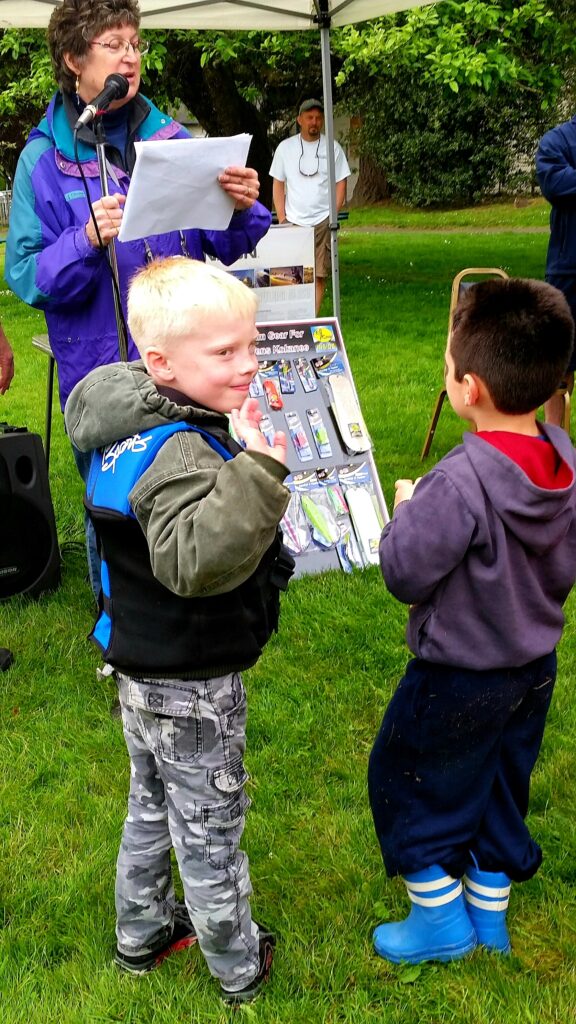
Although over the years the Castello clan has enjoyed occasional success while participating in various derbies, overall success has been metered. That said, I’ve had many “almost” in the money derby experiences.
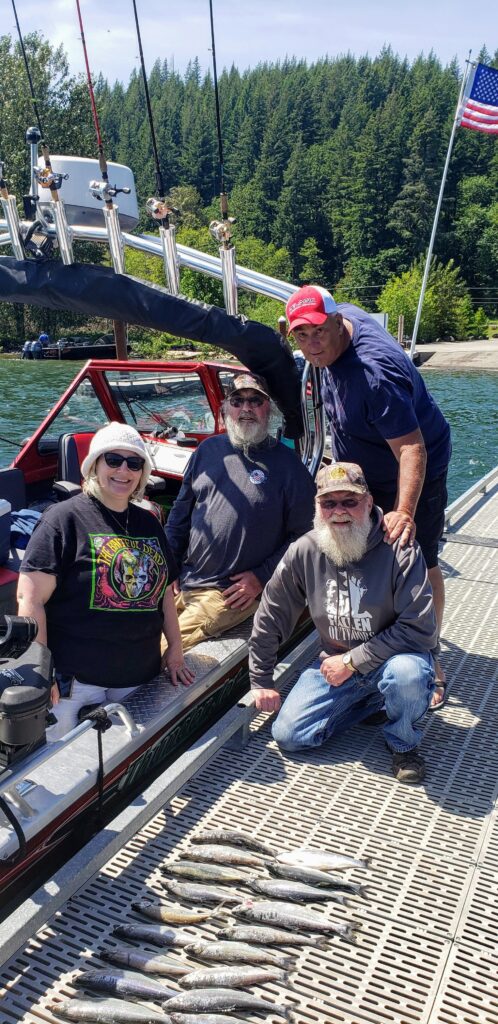
Many years ago, while fishing in a big money tuna tournament out of Ensenada, Mexico, we hooked a large big eye tuna with just hours to go before the weigh-in. By the time the fish was secured on deck, we only had a short few hours to make a 40+ mile run back to the marina for weigh-in. Despite having one of the fastest boats in the tournament, we did not make the weigh-in queue in time. We were quite the talk around town, but made the drive back to the border with nothing more than a stack of swag bags and my own flip-flop print on my board shorts.
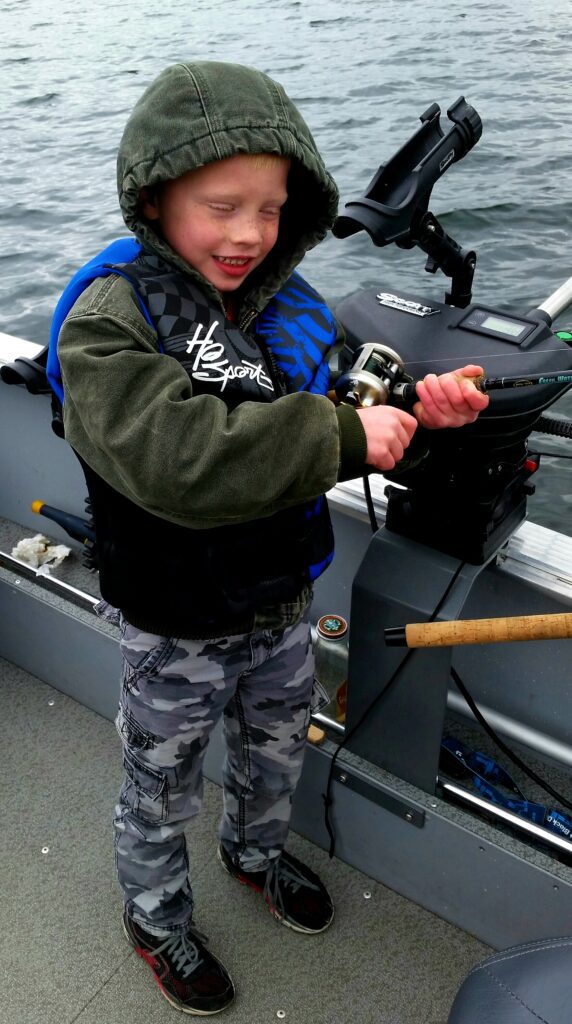
Then locally, with a derby contender, coho on ice, I’ve missed the weigh-in for the Everett Coho Derby by probably 15 minutes because of another last-minute fish. These were all skipper miscalculations where I knew the rules but pushed the time limit. The list goes on, but you get the idea. These kinds of errors can be minimized by creating a plan and then sticking with it.
If you plan to fish a derby or tournament, have a plan! Although it doesn’t hurt, your plan does not need to be written out. Either way, you and your fishing partners need to sit down and come up with a plan for derby day.
In working out a plan, consider basic things like getting enough sleep, being on time, and not showing up at the dock hung over.
One of the first items to discuss is how to handle winnings. On my boat, there is usually an agreement that all winnings are split evenly. Occasionally, we just let the prize go to the person catching the fish, but either way, this should be agreed upon before Derby morning. If a juvenile is part of the team, they always get their winnings in full.
There are many variations of how to distribute derby winnings. The team should consider a means of covering the day's expenses, such as fuel, launch fees, and moorage. Back to my boat, I usually cover the boat-related expenses, fuel, bait, and provide all the gear, but this is a team decision. Again, discuss winnings as an element of your derby plan, friendships depend on it!
In your derby plan, you should also discuss your catch rotation. Again, on my boat, we do a rotation through solid hookups with the skipper being last. Many teams will take a more traditional route where each angler runs with their personal gear, but this is a team decision.
Your derby plan needs to address technique, gear, and location. It is important that the boat fishes as a team, and everyone knows what to expect. At the end of the day, you want everybody to have fun and feel like they had an equal say in your potential success or if so, disappointment.
The plan should include an agreement for a meeting place, time, and ensure the skipper has everyone’s phone numbers. Also, decide what each angler should bring. Example: ice, lunch, derby tickets, license, and gear if required. Maybe also discuss parking and usage fees at the launch area.
For derby day, you want your deck as clear as possible, so it could be a good idea to address storage space and limit personal items. Use a common ice chest for fish. I have a case of fish bags, and each angler gets 1 for their Derby catch.
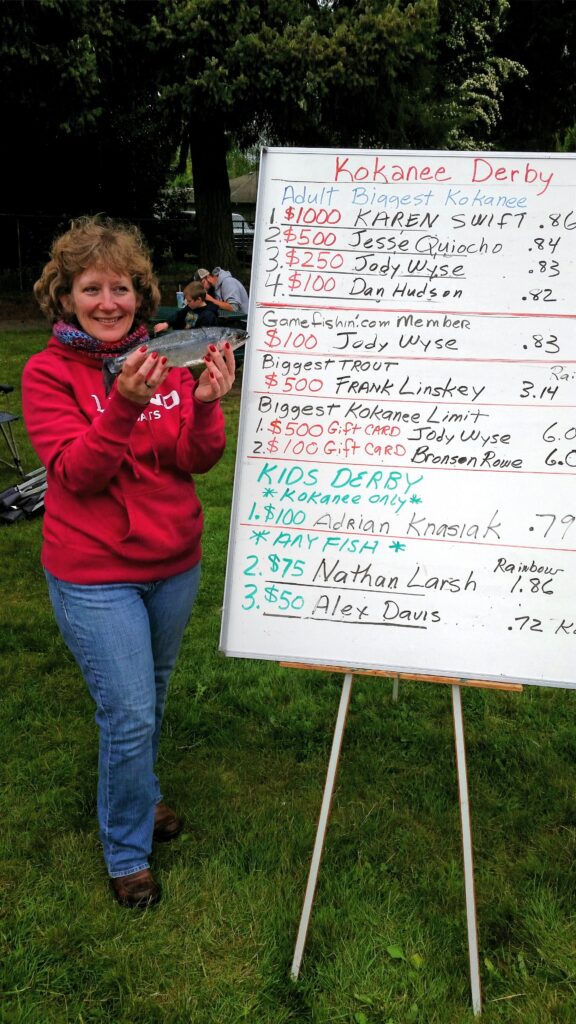
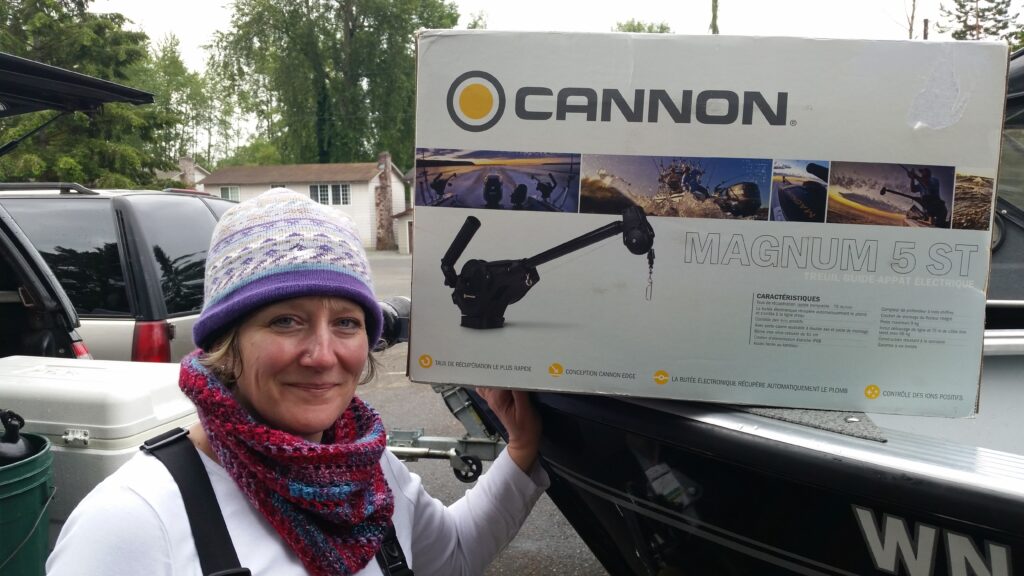
Back to location, your derby day plan should include an agreement regarding fishing location throughout the day or changes required for changing conditions. This is especially important when fishing in marine areas influenced by the tides.
The skipper is responsible for making sure the boat and gear are ready for derby day. This includes a rod and reel check, replacing line and or top shots as required. I always have a backup rod or three on the boat. Typically, I have two nets on board anyway, but having two nets available is especially important on derby day.
Depending on the derby, it is also important that at least one other team member can run the boat, drive the tow vehicle, and be familiar with the boat’s electronics. (Mostly in case the team gets tired of the skipper and the flipping plan, thus throwing the skipper overboard.)
As the skipper, I find Derby days pretty stressful. To be honest, I experienced this for any fishing trip, but for me derby day is worse. It’s not that I’m not having fun, but I feel a true responsibility towards my crew’s success.
That said, don't forget to have fun. Turn setbacks into opportunities and laugh in the face of calamity. Winning is icing on the cake of an otherwise enjoyable fishing trip. By developing a derby day plan, the skipper and crew are more likely to enjoy the day, even increasing their chances of putting a fish on the leader board.
/articles/derby-mentality