/articles/categories/destination
Soothing My Soul on the Sol Duc River
Of the many rivers in the beautiful state of Washington, the Sol Duc is one that can manage to keep just about everyone happy. Whether you fly fish, spin, or bait cast, there is, or at least was, a fish with your name on it!
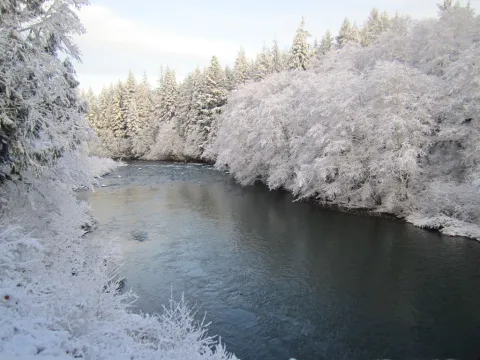
Fish species on the Sol Duc include Fall and Summer Chinook, Winter and Summer Steelhead, Coho, Sockeye, and both resident and sea-run cutthroat trout. The Sol Duc River runs 78 miles from the Olympic Mountains and cuts Southwestward through the most spectacular scenery in Washington State. With a variety of access points, you'll be greeted by precipitous gulches and mossy rocks in vivid green tones set a fire by the angle of the sun.
Picture perfect moments around every corner. The river is a pleasure whether you're catching or not. Just to be there, to catch a glimpse of an ancient creature born of the gravelly riverbeds. Traveling their way through genetic imprinting, magnetic fields, the temperatures, and conditions of the earth, making a 70-mile journey into the unknown.
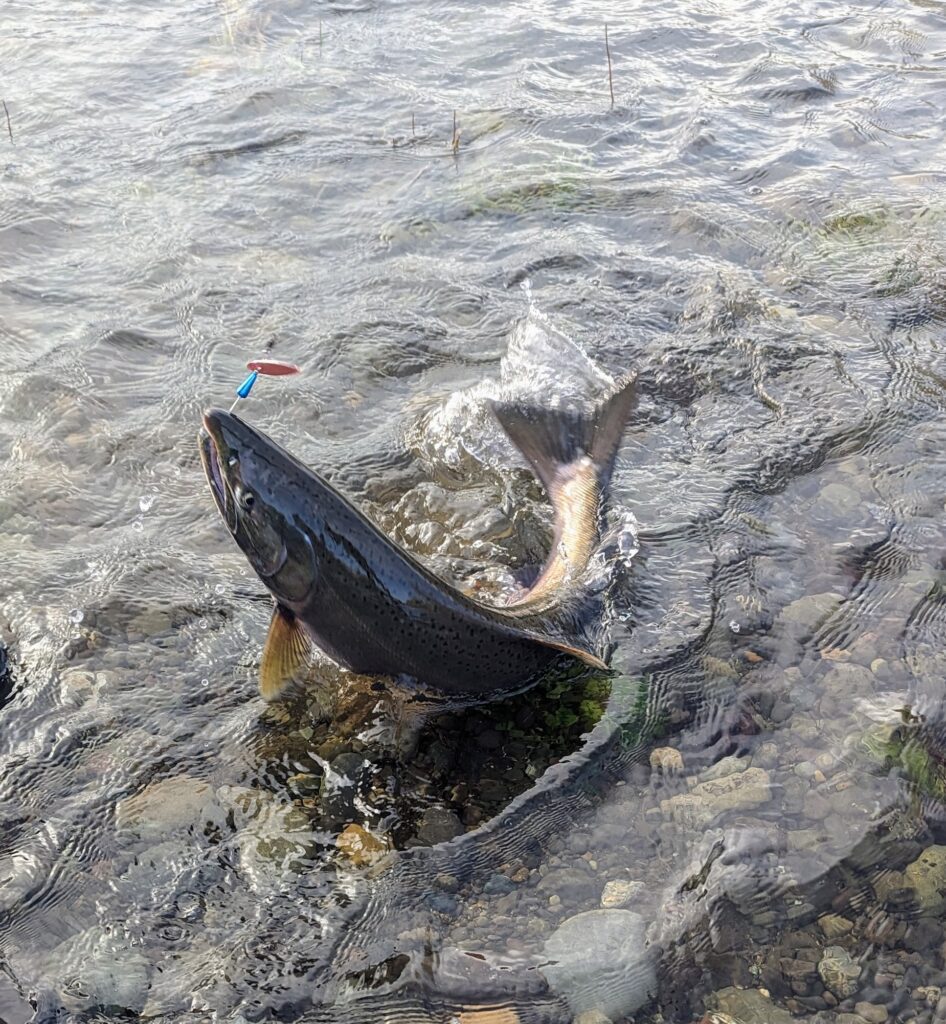
What is it that ensures a fish can find its way back to the place it was born? When I can't even find my way home without an app. An interesting factoid, scientists have discovered fish have ear stones called otoliths. These “otoliths” incorporate chemical elements from the water as the fish grow and move. Picture a growth band of a tree, with each ring recording a chemical map of where the fish has been, how long they stayed there, and how fast they grew. Scientific advances like this are pivotal in managing fish populations.
I have a deep concern and respect for the natural world, a curiosity for things we can and cannot explain. A desire to be a part of it all, to get my hands dirty and my mind clean. So, while we still can, I will travel my own way, finding places that provide an opportunity to get my line wet.
My most noteworthy experience would be a fantastic stay at the “Cabin on the Middle run” in Forks. (olympicpeninsulawaterfrontcabins.com) Easily accessible and found off 101, this well-appointed, clean and cozy cedar cabin boasts everything you need and more. For me it was the stocked kitchen and comfortable beds, topped off with a long hot shower. Though, I must admit we spent most of our time in the backyard. Our hosts and neighbors were so very friendly and helpful. Which isn't always the case when you're fishing in someone's backyard. We were rooted on and engaged in friendly conversations with guides floating by and neighbors on their decks. When I lost a huge dazzling Coho the echoes of disappointment hummed through the valley.
The comradery of fishing is something you'll never understand, until you feel it. Like a Folie à deux, are we driven by madness or passion and is there really a difference? Whatever it is, that makes us feel hyped up by each other's experiences, it is infectious and exhilarating. I desperately hope the rivers will return to a place where we can enjoy catching at least one fish. Not just for the fun, but also for the food. Nothing beats a filet from the river. I have become so spoiled by the flavor of a fresh catch, commercially sourced just doesn’t make the cut.
Make sure you check all regulations before heading out these days. Low returns have caused a system-wide closure in the Quillayute river system. This system includes the Sol Duc, Bogachiel, Calawah, Dickey, Sitkum Rivers and Thunder Creek.
As heartbreaking as these closures are, they are necessary to ensure that our rivers can support humans and the local ecosystem. I admit, a mix of resentment but also understanding that the system works to protect, preserve, and perpetuate fish and wildlife.
As a fisherwoman, my recreational opportunities are last in line and that is ok. Will this closure stop me from enjoying the beautiful Olympic rainforest and its awe-inspiring rivers? Never! I will plant my feet in the forest, hike to the waterfalls and sit my soul quietly by the river. Waiting my turn.
/articles/soothing-my-soul-sol-duc-river
5 Frozen Treasures
Washington State, known for its stunning landscapes and diverse outdoor activities, offers a unique and thrilling experience for anglers during the winter months, Ice Fishing. As the temperatures drop and the lakes freeze over, enthusiasts from all over gather their gear and head to some of the state's most picturesque frozen waters. In this article, we’ll dive into the icy wonderland of 5 lakes that stand out as prime destinations for ice fishing in Washington: Curlew Lake, Bead Lake, Sacheen Lake, Banks Lake, and Eloika Lake.
Curlew Lake: A Frozen Oasis In The Northeast
Curlew Lake, nestled more in the Northcentral portion of the state, transforms into a winter wonderland, drawing anglers seeking a tranquil ice fishing experience. The lake spans over 900 acres and is surrounded by snow-covered mountains and hills, creating a beautiful backdrop to your frozen adventure.
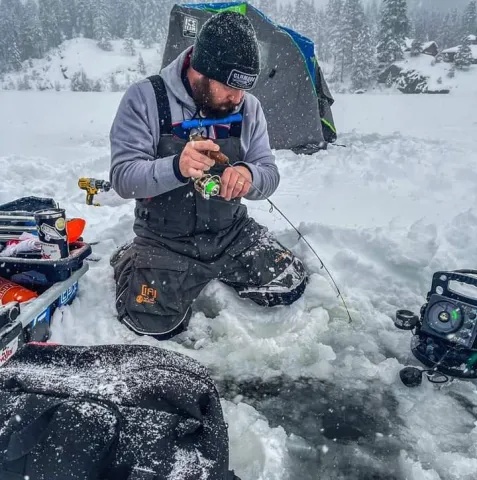
The lake is home to a variety of fish, with Rainbow Trout and Yellow Perch being the most sought-after during the winter months. Anglers often set up shanties or their ice fishing spots right outside the state park patiently waiting for the telltale signs of the fish below, which doesn't take long. The vast mud flat just outside the park holds amazing numbers and is easy to get into. The camaraderie among anglers and the stunning scenery make Curlew Lake a must-visit destination for any Ice Fishing aficionado.
Bead Lake: A Hidden Gem in The North Mts.
Nestled in the North of Spokane Mountains, Bead Lake is a hidden gem that offers a secluded and serene ice fishing experience. The lake, surrounded by dense forests and snow-covered peaks, provides a pristine setting for anglers looking to escape the hustle and bustle of everyday life.
Bead Lake is known for its healthy population of Kokanee, and the popular large lake trout that roams the depths. As large marks appear on your sonar, don't be surprised if it's not a laker, but a monster of a burbot making this lake an enticing destination for those seeking a variety of catches. As you set up your gear on the frozen expanse of Bead Lake, the quietude and natural beauty will transport you to a world of tranquility, making each catch a memorable moment.
Sacheen Lake: Serenity and Splendor In Pend Oreille County
Located in Pend Oreille County, Sacheen Lake offers a charming blend of serenity and splendor during the winter months. Surrounded by evergreen forests and snow-covered hills, the lake becomes a haven for ice-fishing enthusiasts seeking a peaceful escape.
Sacheen Lake is known for its panfish, including perch and crappie, which are abundant and fun to chase. Also, fun to target nice trout under the ice as well, with good chances of catching! Rainbow, Brook, and Tiger Trout provide excellent opportunities for ice anglers to enjoy a variety of catches. As you drill your fishing holes and set up your equipment, take a moment to absorb the quiet tranquility of Sacheen Lake, where the only sounds are the soft crunch of snow beneath your boots and the occasional call of a winter bird.
Banks Lake: A Vast Frozen Playground in Central Washington
For those looking for a more expensive ice fishing experience, Banks Lake in Central Washington is a prime destination. This reservoir spans close to 27,000 acres and is known for its diverse fish population, including Walleye, Rainbow Trout, Burbot, and Whitefish which are the most popular to go after.
Ice fishing on Banks Lake is a social affair at times, with clusters of anglers setting up their shanties in popular spots and many staying overnight. The vast frozen expanse provides ample opportunities for exploration, and to get away from the crowds if needed. As the sun sets over the snow-covered horizon, the frozen lake transforms into a canvas of colors. Banks Lake is not only a haven for anglers, but also a visual spectacle that captivates the senses.
Elokia Lake: An Ice Anglers Original
Nestled in the heart of Northeastern Washington State, Elokia Lake transforms into a winter wonderland for avid ice fishing enthusiasts. As temperatures drop, the lake's icy surface becomes a haven for those seeking the thrill of angling beneath a blanket of snow.
Eloika Lakes expands over 600 acres, providing ample space for ice fishermen to explore its frozen expanses. One of the primary draws for anglers is the diverse range of fish species that inhabit this lake. Brown Trout, Rainbow Trout, Large-mouth Bass, Perch, Crappie, and Sunfish. Seems that Crappie are what attracts most ice anglers.
The savvy ice anglers will target the Brown and Rainbow Trout early season just a couple of feet below the ice and near creek outlets. Eloika’s cold waters create an ideal environment for these fish. Anglers can also test their skills against the Large-mouth bass, known for their elusive behavior even in freezing temperatures, and they are big in this lake, especially on an ice rod.
Yellow Perch and Crappie add a variety to the fishing experience at Eloika. These panfish offer more of a relaxing angling experience, making the lake suitable for seasoned veterans and beginners alike. Perch are abundant and make sure to check the regulations for the Crappie size and limit.
As ice fishing shelters and anglers dot the frozen landscape, camaraderie flourishes among anglers who gather to share stories and tips. Eloika Lakes icy embrace beckons, offering a unique and thrilling experience for those willing to brave the cold pursuit and snag the perfect catch!
/articles/5-frozen-treasures
Brewster Salmon Derby Adventures
By Hannah Pennebaker
In all my years of fishing, I have heard many legends and stories about fishing at the infamous Brewster Pool. Articles on the Internet caution readers about hostile fishermen and hundreds of inexperienced boaters creating chaos.
My own experience couldn’t have been further from these stories. This year, I was lucky enough to get the opportunity to film and participate in the derby on behalf of Northwest Fishing.
From the moment I got to Brewster, I was blown away by the friendly locals and energetic atmosphere of the derby. Other fishermen were giving each other high fives and complementing one another on their catches.
This was far from the stories of combat fishing and fishermen yelling at one another that I had heard. Although there were hundreds of other boats out there, everyone was very patient and gave one another plenty of space. Guides and recreational fishermen alike were joking with one another and having a great time doing the sport we all love.
I saw hundreds of beautiful fish caught and weighed in over the 3 days of the derby, and even got to reel in some of my own. Here’s the story of my experience at this year’s Brewster Salmon Derby.

On day 1, Mike Mauk, the president of the Brewster Chamber of Commerce, greeted me with a warm handshake and a big smile. Mike organized this year’s derby, bringing together dozens of sponsors and coordinating prizes and staffing for the event.
He gladly took some time from his busy schedule to chat, and I interviewed him about the history of the derby and the town of Brewster. He told me that the proceeds from ticket sales go towards helping the community of Brewster and enabling them to run the derby year after year.
The Brewster Salmon Derby is the largest derby on the Columbia River, and up to $20,000 in cash and prizes are given out every year.
Next, I interviewed the derby weigh master, Ernie Mauk. Ernie brought incredible energy to the weigh station, high fiving each kid that brought a fish to him. He showed me how he weighs each fish, taking the girth and length measurements and calling them out to be recorded and put on the board. He said that even though he weighs hundreds of fish every year, he still admires the beauty of each and every fish he weighs.
WDFW also had a presence at the weigh station, scanning the fish for tags. When they found a tagged fish, they cut the nose of the fish off to remove the tag (after making sure the fisherman had gotten all the pictures they wanted).
They let me know that the information they get from the tag helps WDFW determine the health and abundance of salmon populations. Not only does the derby help the small community of Brewster, it also aids WDFW’s research and provides valuable insights into this amazing fishery.
While getting to see the ins and outs of the weigh station was certainly a fascinating experience, fishing is truly my passion, and my experience participating in the derby was absolutely unforgettable. Brianna Bruce of Livin’ Life Adventures was our guide during our 3-day adventure.
My friend Michael Francisco, my fiancé Chris Decker, and Northwest Fishing regulars Andrew and Joe Czapla were on board. Brianna (Bree) kept us entertained with dozens of fishing stories from her 11 years of guiding.
She told us all about the fishery and what makes it so productive and popular. Every year, thousands of sockeye and chinook salmon stage in Lake Pateros, also known as the Brewster Pool, between the dam and the mouth of the Okanogan River.
The mouth of the Okanogan River heats up and creates a thermal barrier, and the fish wait in the pool for it to cool down so they can enter and reach their spawning grounds. This year, Bree said there were over 100,000 sockeye in the pool! Good numbers of chinook are caught every year, some reaching over 30 pounds. Some fishermen got their limits of sockeye and headed back to town for breakfast before the heat of the day began.
Others stayed out until 6PM, braving the heat for a chance at a derby winning chinook. There was a 4 fish limit for sockeye, and a 2 fish limit for chinook. The bite seemed best in the early hours of the morning, but there were fish caught all day. Bree’s dog, Waylon, was our bite alarm throughout the weekend. Every other fisherman in the pool knew when we hooked onto a fish!
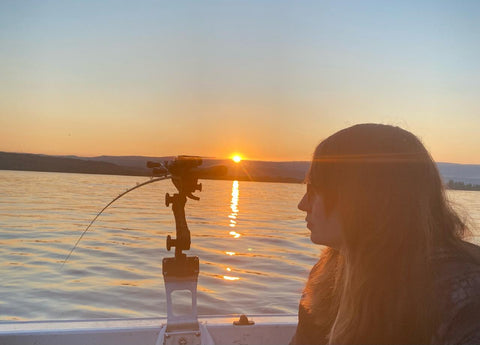
Bree alternated between steering around other boats, netting fish, baiting hooks, and swapping fishing stories, making it all look easy. Her natural talent, great humor, and mastery of the fishery made for an unforgettable experience.
On day 2, one of our cameramen had a big, feisty sockeye on the end of his line. As he brought it up to the boat, he lifted the fish out of the water and the hooks popped out. Our hearts sank, but Bree effortlessly scooped the fish into the net and saved the day!

We started off fishing for chinook the first day, armed with spinners and chrome flashers. Bree is an expert in this fishery, and told us that sockeye often hit chinook gear, and vice versa. The second day, we fished sockeye gear, and were rewarded with many nice fish.
For her sockeye gear, Bree ran homemade pink spinners and smaller flashers. On the third day of the derby, we fished a combination of sockeye and chinook gear. She ran 2 spinners, 2 sockeye setups, and 2 tuna stuffed Brad’s Super Baits.
It was tough to find the right speed to get the different gear to fish right, but like a true pro, Bree made it work. We trolled slowly, between .8 and 1.2 MPH, and kept an eye on the depth. To avoid tangling our 6 lines, Bree used a variety of different cannonball weights, which also allowed us to fish throughout the water column.
No matter how tired and hot we were after fishing all day, we always looked forward to lunch at one of Brewster’s amazing, locally owned restaurants. Mike Mauk and the Brewster Chamber of Commerce treated us to lunch and dinner each day.
The sizzling, fragrant fajitas at Campreros were absolutely delicious! Later in the afternoons, we usually got some time to explore the area each day. I was surprised by just how much the town of Brewster has to offer.
There are numerous family-owned stores that offer cool refreshments and homemade snacks. If you’re fishing the Brewster Pool, it’s definitely worth it to take the time to sample some of the local cuisine and explore the town.
On day 3 of our adventure, we got to see the winners of the derby take home their prizes and win their bragging rights. The winning fish, the “king of the pool”, was a tank of a chinook weighing in at 29 pounds and 10 ounces that got the winning angler a nice check for $2,000.
The top 10 winners got a beautiful wooden plaque to commemorate their win. One of the most memorable parts of the weekend was when a young girl weighed in a 26-pound chinook. She ended up winning the youth category of the derby!
Besides the competition for the top 25 biggest chinook, there were also side pots and a raffle to take part in. There were many raffle prizes, such as free fishing trips for 4 people, a bow, and a downrigger.
The grand prize for the raffle was a 9.9 HP Mercury outboard motor. Weigh master Ernie announced the winners, and photographer Cori Kogan snapped photos of them holding their prize next to Mike Mauk.
All 3 days of my experience at the Brewster Salmon Derby culminated into an unforgettable adventure. From Mike Mauk’s warm welcome to Bree’s terrific netting skills and incredible sense of humor, I’ll always tell stories about the derby with a smile. I know I’ll be back next year for another shot at winning the derby!
@hannahNWF on Facebook and Instagram
/articles/brewster-salmon-derby-adventures-0
Chasing Fish in The Straits of Juan De Fuca
By Josh DeBruler
As summer winds to an end, readers are likely anticipating glorious tales of monster sized salmon bending rod tips over the sides of boats, while adrenaline filled anglers run about with nets in hand, hoping to assist a buddy in bringing the big-one aboard for a well earned grip-and grin photo of a lifetime.
This story, regretfully, does not end in such a manner. The story does, however, dispel some myths about importance of boat size, shares some boating safety advice that pertains to smaller boats, and ends with a nice haul of tasty fish (the type that are more suited for a fryer rather than a smoker).
It was Saturday morning in the Sekiu village, and the gentle waves of the incoming tide at Clallum bay woke me in my tent at Masons Marina.
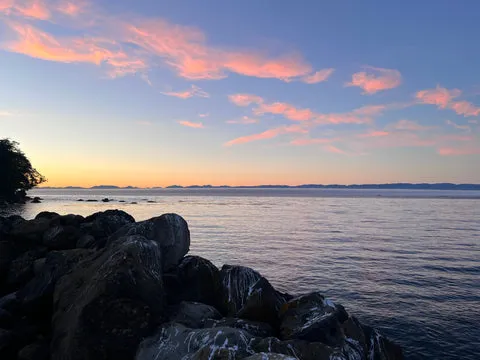
Thick marine fog typically blankets the waters from Sekiu to Neah Bay during the summer mornings, however, the start to this day greeted me with glassy calm seas, and blue skies that extended from Masons marina, all the way north, across the straits, and to the mountainous shores of Victoria B.C.
It was perfect weather, and it helped ease the nerves that had been accumulating over the past two days as I obsessed about all of the things that could possibly go wrong in a small boat out on the big water.
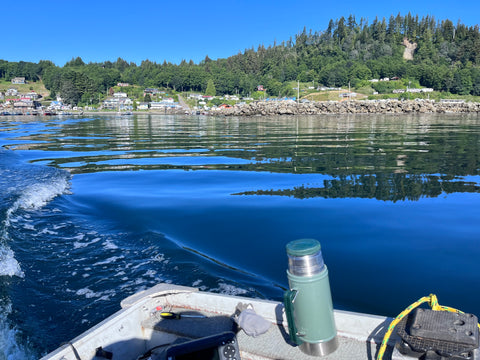
My boat is a V-hull 2008 14’ Smoker Craft Pro Mag with a 20 HP Honda. It’s a good little boat, equipped with a live well, an electric trolling motor, navigation lights, and a backup 6 hp Suzuki that I keep onboard in case of emergencies.
I take her out often, with most of my destinations being on the Puget Sound, Hood Canal, and various lakes in my region. But, as with many others that own boats similar to mine, the thought of taking a small boat out onto water that behaves a lot like the ocean never really crossed my mind.
Boating is fun, until it isn’t. And I’ve always figured it was better to avoid a bad situation than to plop myself directly into one. It wasn’t until I was on the Hood Canal that a friend told me about Sekiu, and how anglers were easily catching their limits of chinook and coho up there, that I began to put more thought into the idea.
Thus, a seed was planted. As I researched and asked around, I found that it was actually quite common to take smaller boats out around Clallum bay. In fact, 14’ kicker boats were at one time the most common sport-fishing boats seen on the water.
At least, that was the case in the 1940’s, when most people weren’t towing around larger boats and instead opted to rent the 14 footers from the marinas. The marinas still rent boats of this size today, most of them equipped with 15 HP outboards.
Sekiu is the quintessential small fishing town. It has two main marinas (both with campgrounds), a handful of motels, a cafe, a restaurant, and plenty of fishing tackle. The town got it start as a salmon cannery back in the late 1800’s, but after regulations ceased to allow commercial fishing, the cannery business crashed, and Sekiu had to look to other industries like logging, hide tanning, and sport fishing.
The latter of the three being the one that worked, and oh did it work well. The fishing is world-class, and seldom will you find anywhere outside of Alaska that has this type of salmon and other saltwater fishing. The unincorporated community is situated right inside Clallum bay, in the northwestern portion of the Strait of Juan De fuca.
The bay itself, and just west of the bay, enjoys decent protection from S,SW,W, and NW winds. Once you head further towards the ocean or out north into the open water, you become more exposed to the common west and northwesterly winds.
Luckily, you will find excellent fishing near-shore, or without having to travel too far west in the direction of the ocean. In fact, most fisherman catch their limits of salmon just west of the bay near what is known as “the Caves”.
Two main summer-run salmon routes exist in the area, and those two routes follow near shore on the Canada side and near shore on the Washington side. This is an ideal situation for a small boat fisherman who doesn’t want to venture too far out into the open water.
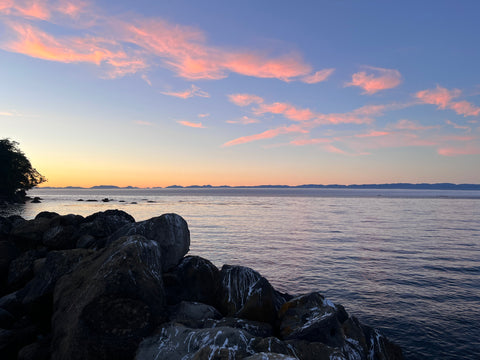
When I motored out of the marina that first morning, I was a day behind on my already limited schedule. This had me fishing on an odd numbered day of the month. At the time, odd days were closed to salmon retention due to emergency regulations set by the Department of Fish and Wildlife.
This meant that fishing for salmon that day was out of the picture. However, in Marine Area 4, just northwest of me, lingcod, rockfish, and other bottom dwellers were all very much on the table! To get to these, I had to run about 5 miles west to Shipwreck Point just east of Neah Bay.
So, with calm waters on my port side, I gunned it west towards the MA-4 boundary line. The swell and wind forecast for that day were predicted to be favorable up until around 1pm, and so far, the predictions seemed to be holding up.
My little boat planed quite nicely heading out with the ebb tide and gracefully skipped over the rolling swells. My first “yikes” moment occurred when I approached Kaydaka point. This large point that sits roughly 2 miles from the marina brings underwater structure out into the straits, and as a result, kicks up the wave height significantly.
Though the increased wave size didn’t pose a significant threat to me, I still figured it was a good idea to run a bit further offshore to avoid the turbulence. It’s worth noting that points like these can present sea conditions that might not be tolerable for particularly small boats during rougher conditions.
The bottom fishing was hot within minutes of being inside the MA 4 boundary.
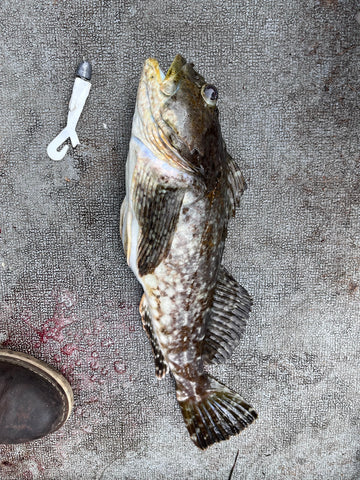
I fished a 2 oz jig head with a pearl white double tailed grub over some structure, and within minutes I was into some fish. A few good-sized lingcod found my hook, along with several rockfish and a beautiful cabezon that fought like a bull! All in all, the day was a success.
I won’t bore you with the details of my next morning’s salmon trolling trip. I only had an hour to get it done, and let’s just say I’m still eating last season’s silvers from my freezer (and yes, some of it’s looking a little freezer burnt). But the success was had in that I made it back to the marina both days in one piece.
This wasn’t accomplished in a 30’ fishing boat that’s worth more than my life savings- nope, this was done in 14’ aluminum boat with a small engine and an even smaller backup.
Small Boat Safety
Now, let’s talk the important stuff. Small boat safety. Is it safe to take a small aluminum boat onto the straits? It certainly can be! There are inherent risks that come with any type of boating, regardless of the boat size or the water that you are on.
Risk assessment, risk avoidance, and preparation are all key components to keeping you safe on the water.
DISCLAIMER: I am by no means, an expert on boating safety. All I can do is share what works for me and what I have learned myself.
My first bit of safety prep comes well before I arrive at the marina. Fortunately for me, I have a work schedule that affords me the liberty to plan my trips around weather windows, so I’ll start by looking for consistently fair weather in the long-range forecasts.
As I get closer to my desired departure dates, I’ll home in on the NOAA webpage and start looking at wind directions and speed, wind waves, then swell predictions (paying close attention to wave period or duration), and then tide charts. It’s important to know how wind, swell, and tide currents all work together to cause either rough or manageable conditions.
I don’t have the page space to get into that here, but there are plenty of resources available online for anybody who wants to educate themselves on the nuances of ocean behavior. The calm waters typically occur in the morning, so be up and ready before sunrise.
If the winds are predicted to pick up, say, by 1pm, then I’ll be heading back to the marina at least 2 hours before those winds are predicted to occur.
Safety Equipment
Before I leave the docks I want to make sure I have life jackets (I carry an auto-inflate and a standard), a waterproof radio, working navigations lights, at least two GPS devices, a manual bilge pump in case my auto fails, a well-tuned and properly functioning outboard motor, a backup kicker, flare gun, an air- horn, and a reflector to hang up in case of dense fog.
Aside from these things, I also try to scout out beaches nearby that would be suitable for beaching my boat in case a situation calls for it. This is definitely a last-ditch option, as the risk of damaging the boat on rocks is very present.
So, will I be taking my boat my boat out to Sekiu again? Absolutely! I already have my next trip planned! Do larger boats afford more comfort and protection in the event you get stuck in some adverse conditions?
They absolutely do. But, if a capable small boat is all that you have, and you have educated yourself on all the safety measures necessary, then there is no reason for you to wait till you get that 100k boat to go have some fun and catch fish in arguably the most productive fishing grounds in our region.
/articles/chasing-fish-straits-juan-de-fuca
Bull Trout in the Metolius
By Gary Lewis
With the water swirling around us, we waded in at the mouth of Jack Creek. Skip Morris had hooked and lost a big rainbow here the day before. Today he stood back while Carol plumbed the two-foot deep run with a big stonefly nymph trailing a small beadhead attractor, called Gabriel's Trumpet.
For a moment we thought Carol's rig was hung up, but when she tightened the line, a fish torpedoed away.
The fish rolled mid-river and I saw his tail and dark fins silhouetted against bright water: a bull trout. Close to eight pounds, I guessed. The line broke and Carol reeled in the slack. The fish had taken the big stonefly nymph after a 13-minute battle and a last headlong flight.
That’s what can happen when kokanee are on the move and bull trout follow them into the shallows.
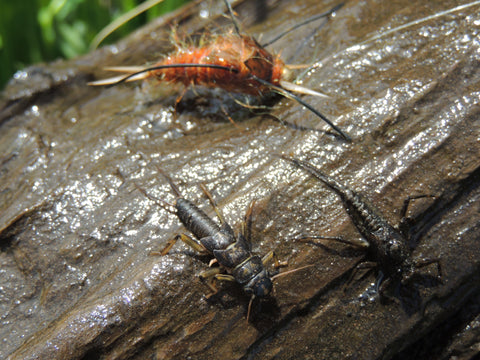
LAKE RUN BULL TROUT
Kokanee are thickest in the Metolius in late September and October. And the biggest bull trout, which can get to 30 inches or more, hammer them.
Bull trout are meat eaters and if it's a third of their size they will crunch it. If it's half their size, they will try to choke it down anyway. Anyone who has caught a bunch of big bull trout has seen the tail end of a kokanee or a whitefish sticking out of that gullet.
The Metolius River and Lake Billy Chinook are home to resident and migratory bull trout. The bulls move up the river to spawn in late August, September, and October.
Oriented to ice-cold water, bull trout stage near springs and off the mouths of major tributaries like Canyon Creek and Jack Creek. After the spawn, they need to replace the calories they expended over the last few weeks. That’s when they find the kokanee.
The kokanee spawn puts both species in the river at the same time. And the bull trout are the winners. Preoccupied, the landlocked salmon are easy prey for sharp-toothed bull trout.
Whitefish are on the menu for bull trout year-round, and many are the stories of anglers fighting whitefish only to lose them to bull trout which charge out from under a log to grab the hapless poor man's bonefish.
Bull trout are apt to eat the limp, the lame, the lazy. It’s the erratic behavior that trips the predatory sear in a bull trout's brain. Think strike triggers. Tie or buy streamers with big eyes, a flash of blood red near the gills. On the water, fish them on the wet fly swing, but give them action. Make the imitation twitch. Like a wounded fish in deep trouble.

FISHING LAKE BILLY CHINOOK
A down-running Metolius River bull trout ends up running into Round Butte Dam and turning around to make its living in a 4,000-acre reservoir fed by three rivers: the Metolius, the Deschutes and the Crooked River.
Best time to target bull trout in Lake Billy Chinook is when the waters begin to warm in March and April. Bull trout hunt close to shore in the late winter and early spring. Anglers who throw Zonkers and other minnow imitations on long casts and strip hard can elicit hard strikes from fish.
It's one of the best ways to get the biggest bull trout. A lot of 17- to 19-inchers will be brought to the net as well as the occasional 10-pounder.
SWINGING STREAMERS
When whitefish are schooled up, working the bottom, they are hard for bull trout to feed on, but when one of them leaves formation and streaks up to eat a mayfly emerger, its defenses are down and its easy money for bull trout.
When fishing a small streamer or a larger bunny leech, try to work it like a fish that is out of its element, a scared minnow that thought it could play in the deep end of the pool. It's vulnerable. It's lunch.
A variation on that theme is the sculpin. Bull trout eat sculpin year-round. In the river, they eat sculpin. In the lake - sculpin. When sculpin are doing what they do, daubing in the mud, they are pretty safe.
But when they climb up through the water column or get caught in the current, something is going to nail them. Big lead eyes, blood-red gill flare or Flashabou, and prominent fins are some of the strike triggers to play on when tying sculpin flies.
Cast down and cross-current, let it swing and chug it. On long runs and into the tailout, let the sculpin work back and forth. Tied small, a sculpin imitation can be fished with a slackline presentation that keeps it working back and forth over bull trout holding water.
Think big. If a 30-inch bull can choke down a 12-inch whitefish, it will go for a 10-inch streamer. Big bunny leeches double as flesh flies. Just change the presentation.

DREDGING WITH A TWO-FLY RIG
As kokanee carcasses and decaying flesh become harder to find, bull trout begin to focus on bugs. Streamers and flesh flies can provoke a grab, but a dead-drifted nymph can pay off as well.
To conserve strength, the biggest fish claim the best lies, hugging the bottom along downed timber and behind rock slabs and boulders. The major difference between drifting beadhead nymphs for rainbows and for bull trout is the length of the leader and the tightness of the presentation to the bottom.
Fish the bottom. Keep the leader short so the dropper fly doesn't ride too high in the water column.
Tie on a big, heavy stonefly nymph and knot eight to ten inches of fluorocarbon tippet material to the bend of the hook. The primary fly can be a Flashback Pheasant Tail, an egg pattern, or a No. 16 Serendipity.
The main thing is to get that heavy fly bumping on the bottom. Make it easy! That bull trout should be able to spot the trailing dropper fly, lean its head over, and grab without leaving its lie.
# # #
To contact Gary Lewis, visit www.GaryLewisOutdoors.com
/articles/bull-trout-metolius-0
The Hunt for Lake Washington Kokanee
By Hannah Pennebaker
What’s the first thing that comes to mind when you think about Lake Washington? The I-90 bridge, SeaFair hydroplane races, and waterskiing are all popular answers. Lake Washington is the state’s second largest lake, right behind Lake Chelan, and spans about 22 miles long and 108 feet deep on average.
Fishing may not be the first thing that comes to mind about Lake Washington, but there are an astounding variety of fish in the lake, and October is a great time to target them.
Although houses and parks surround the lake, there are many boat launches and fishing docks as well. You may have heard that crappie, bass, cutthroat trout, and yellow perch inhabit the lake.
There are several bass fishing tournaments every year at Lake Washington, with 6 pounders being fairly common. Anglers of all ages line up at the many docks during the summer to catch buckets full of crappie and yellow perch.
You may have also heard about the coho and sockeye salmon fisheries in this lake. While the sockeye fishery has been closed down for years, the coho fishery is still going strong, with good returns predicted this year. Few anglers know about the Lake Washington kokanee fishery, and even fewer still take the time to figure out how to catch them in this enormous lake.
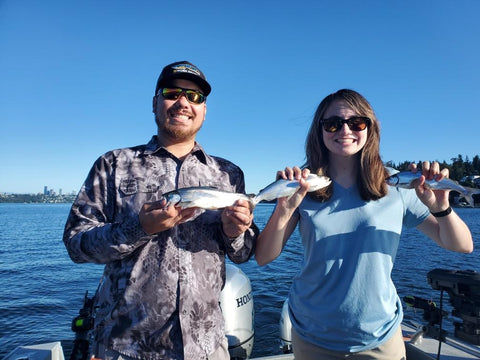
Intimidated by the size of the lake, many kokanee anglers will drive right past Lake Washington and go all the way up to Lake Samish or Lake Whatcom to fish. Don’t be daunted by this lake, it’s well worth taking the time to learn how to fish it.The fat, football shaped kokanee often measure up to 16 or 18 inches in size, and they have bright red meat that is hard to beat on the grill or smoker.
Fellow Northwest Fishing member and Lake Washington master Barry Dubnow often remarks that he would rather fish the lake and come home with 5 fat kokanee than drive all the way out to the Sound, then fight the wind and tides, only to have the chance at catching 2 fish at most!
Did I mention that the kokanee fishery is open year-round at Lake Washington? October is prime time for kokanee fishing, so don’t put the boat away for the season just yet. Let’s start off your Lake Washington journey with some tackle tips, then we’ll dive into locations and tactics.
While typical kokanee tackle works at Lake Washington, there are some strategies and tactics that can make your trip more successful. The kokanee fishery has its peculiarities, and it differs year by year, and day by day.
Short leaders seem to be the ticket, no matter what time of year. Mack’s Wiggle Hoochies, Brad’s Cut Plugs, and Mack’s Wedding Rings all work great. I’ve had days where Old Goat spinners and God’s Tooth spoons were all the fish wanted. Don’t forget to use scent, and plenty of it!
Tuna, herring, and anchovy are all tried and true. Leaded line works great early in the season, but as the fish push deeper due to the heat, you’ll likely need to use your downriggers. Pink is the old kokanee standby, and it works well, but color combinations with some contrast can do better on days when the bite is slow. Watermelon, pink and yellow, and orange and purple will all catch fish.
Like any good kokanee fishery, the key to success is having a few colors and scents of cured corn. Maggots will catch fish on some days, but corn seems to be the ticket. Keep in mind that no matter what you use, kokanee have soft mouths and tend to come off the hook, so take your time when playing your fish and have a net ready.
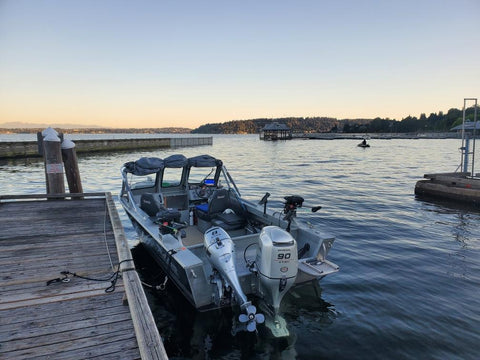
With miles of shoreline on both sides of Lake Washington, it can certainly be an intimidating lake to fish. How do we find the fish in such an enormous lake? The good news is that there are a few reliable spots around the lake where fish tend to congregate.
There are good kokanee spots throughout, so don’t feel like you need to run far from the boat launch. Those launching from Gene Coulon and Pacific Beach on the southern end of the lake tend to fish near the southern tip of Mercer Island. If you launch from Kenmore or the Kirkland Marina, you can fish in the cove near Juanita Beach Park and all alongside the shore near Kirkland.
Look for points and coves, and try to think about where the krill that kokanee feed on would tend to gather. Find those marks, and locate schools. Drop a pin where you get bites, and pay attention to what depth and speed you were fishing at.
Don’t be afraid to change up your speed or depth until you’ve figured out what the fish want that day. Remember to troll slow, and throw some s-turns and circles in!
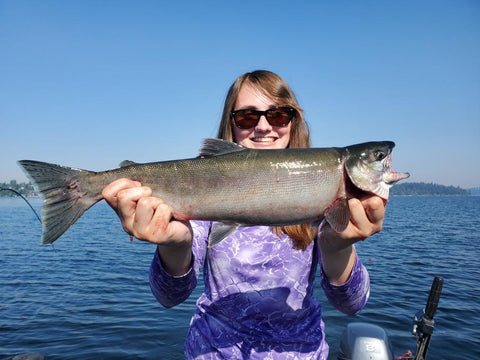
Before you grab your poles and cooler, there are a few things to keep in mind while fishing Lake Washington. If you fish during the late summer or early fall, there is a chance you may hook onto a sockeye salmon. You’ll know when the sockeye are in the lake: they show up as large arches near the bottom.
Unfortunately, the kokanee tend to mix in with the sockeye, particularly in the late season when the water heats up and pushes them closer to the bottom. This creates a problem because sockeye retention is forbidden in the lake, and they do not tend to survive catch and release well.
If your rod slams down and starts peeling drag more than usual, be prepared to net the sockeye and release it as quickly as possible. But how do you tell the difference between a sockeye and a kokanee? After all, a kokanee is just a land-locked sockeye salmon.
Legally, any kokanee over 18 inches is a sockeye and must be released, so keep a measuring tape on your boat! Although there is a fish consumption advisory in Lake Washington for pikeminnow, bass, and cutthroat trout, there are no advisories for kokanee as of this writing.
Bad news for those fishermen who like to fish as many rods as possible; two pole endorsement fishing is also not allowed on Lake Washington. Keep these peculiarities in mind, and you’re sure to have an amazing day reeling in your kokanee limit at Lake Washington!
While it can be hard to find information on how to fish this lake, you can find all the reports made by local anglers by visiting our website at www.northwestfishing.net and clicking on the “latest fishing reports” button. Good luck, and I hope to see you out there!
/articles/hunt-lake-washington-kokanee
Twitching Jigs for Trout on Holter Lake
By Mike Carey
My rod doubled over as the weight of another solid Holter Lake rainbow crushed my black and red jig. Drag screaming runs filled the air as the fish made several nice runs and jumps, clearing the water in a desperate attempt to throw the hook.
Gradually its efforts became less frantic, and I was able to slide the fish into the net as my son Matt skillfully scooped the fish up. After a couple minutes of rest in the knot-less net we eased the fish back and watched it dart away.
Those familiar with fishing for coho in rivers are well aware of the technique of twitching jigs. Many a coho has been caught, including by this writer. What I wasn’t aware of, however, was how effective twitching jigs can be for trout in a lake.
I can’t claim to have discovered this on my own (YouTube is a great source of inspiration) but I am more than happy to share the how-to so you can add another option to your trout-catching tool chest.
Rainbow in a lake or reservoir tend to inhabit the top 30 feet of the water column, making twitching jigs an ideal option for light gear. Jigs in 3/16 to 3/8 ounce size, paired with light line or braid, will easily descend to the depth you need to target these fish.
Mack’s Lure makes a great jig, the Rock Dancer, that has worked very well for twitching. Colors that seem to work best are the black jig heads with black/purple, black/red, black/blue, or all black bucktail. Glow eyes and mylar flash in the body add to the fish-attracting action.
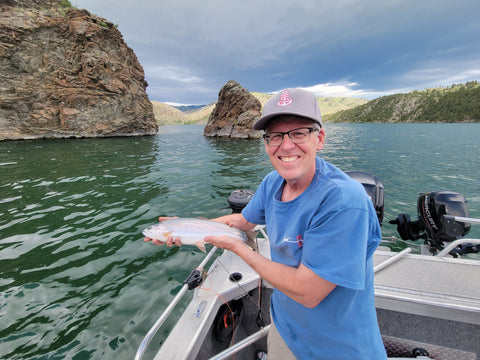
For rod/reel/line set-ups I have used my seven foot coho twitching rods, with medium fast to fast action tip, a quality spinning reel in 100-200 size, and 20 pound braid with a 12 pound fluorocarbon leader. Another option is to use straight mono or fluro on the reel, especially if you’re concerned about spooking the fish. In my experience the braid has not had a huge effect.
Holter Lake rainbows are super-aggressive and hungry! The advantages of braid are two-fold. First, the diameter of the line is tiny, making the jig drop quicker and behave livelier in the water column. Second, with no stretch it’s easy to feel the tick of a fish hitting the jig.
The disadvantages of braid are no give, which means hooks can pull out easier if you don’t have your drag set correctly (i.e., lose enough for a fish to be able to take line but not so loose that you can’t reel it in). Mono or fluro advantages are just the opposite of braid.
Thicker line diameter means slower jig descent, while mono has a very forgiving stretch when you actually hook up. Since you’ll not be fishing super deep water, the mono stretch is not as significant when doing the actual jigging.
Lake jigging differs from river twitching in a couple of ways. It can be used both fishing shore structure such as deep drop-offs and out in open water when your fish-finder lights up with a good number of fish. Lake jigging also lends itself to both horizontal cast and retrieve and vertical jigging under the boat.
If your boat has an electric trolling motor with anchor lock, you are in the best of all worlds! I like to start off shore structures and lock my position, fish the spot, and then drop down 20-30 feet to the next location, working my way along the shoreline, picking off fish as I go.
This technique also works on an open water scenario, or, let the wind drift your boat and hit the anchor lock when you get into the fish.
As to the technique itself, as I mentioned earlier you’ll have the option of horizontal or vertical jigging. In horizontal jigging, cast away from the boat. When the jig hits the water I like to let it sink for a few seconds and then close the bail.
Now, lift the rod tip in a jigging motion and then drop the tip. Reel in slack and repeat. The jig will descend as you bring it back to the boat, covering different depths as you retrieve. Vary your cadence and pay attention to how you were bringing the lure in when you get a fish – try to repeat that pattern on your next cast.
Rainbows will tend to hit the jig on the drop, so be ready as you raise your rod tip because you may well have a fish on!
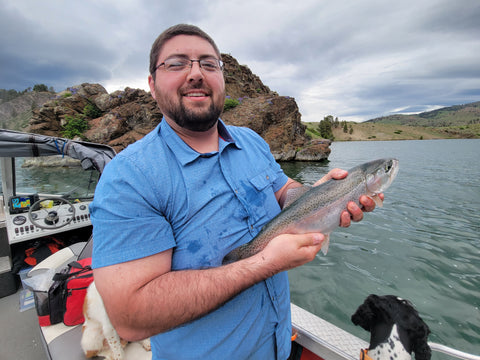
Vertical jigging is straight up and down jigging, under the boat. It comes into play when your fish-finder lights up with arches underneath you. A good fish-finder will show your line and jig so you’ll know exactly where your jig is relative to the suspended fish.
This technique requires either an anchor lock trolling motor or calm wind conditions. Too much breeze and your jig will drag away from the boat, making this method impractical. On marginal conditions you can up your jig weight a bit to help get down to the fish.
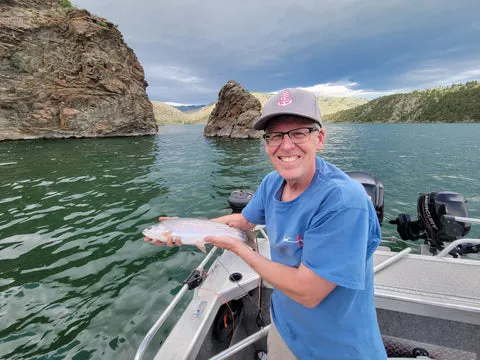
After explaining to Matt the technique involved, in no time at all he was into his first jigged Holter Lake rainbow, a beautiful 16” fat stocked specimen. The Montana Fish and Wildlife plant Holter with rainbow and it without a doubt yields some of the best rainbow fishing I have ever experienced.
These fish grow fast and fat on the abundant feed in the lake (which is the Missouri River system). 16-18” fish are the norm, with bigger fish always a possibility.
Whichever lake you try this technique on, I think you’ll agree it’s a fun option rather than the usual trolling or still-fishing methods we grew up on. The fish fight great with no gear getting in the way, putting on an acrobatic show not soon to be forgotten. Give jigging for trout a try the next time you go out!
/articles/twitching-jigs-trout-holter-lake
Washington Winter Kokanee Observations
By Randy Castello

As we say good bye to our summer boating weather you may find yourself wondering, “do I winterize or do I find something to fish for?” Either way, you should probably winterize your boat, motor, and trailer, but let’s talk trolling for winter kokanee.
Winter kokanee
Winter kokanee in Washington State? Sure, so go ahead and winterize, but keep the keys handy. Find your gloves and earmuffs and make a thermos of steaming hot coffee because there are kokanee opportunities to be had. Both Western Washington and the Eastside have winter kokanee lakes.
Kokanee are the non-anadromous form of sockeye salmon. Basically, by choice or otherwise, kokanee are landlocked sockeye salmon. Kokanee are native to many Pacific Northwest lakes and have been introduced to a number of lakes across the United States.
The life cycle is of particular interest to winter kokanee anglers. Although there are exceptions, kokanee typically live 3-4 years before they spawn and die. For the dedicated winter kokanee angler that means that there are 2-3, maybe even 4-year kokanee available during the chilly months.
Winter kokanee fishing is a little different than our spring and summer fisheries. Most winter kokanee fishing is done in deeper water. Kokanee prefer water that is 50-56 degrees. In part, they are more active in this zone because it is rich in oxygen boosting energy to chase down their next meal. Each lake varies, but finding “the zone’” is important during winter kokanee fishing. One way is to keep your eyes glued to your fish finder and look for fish.
This is where the best fish finder/chart plotter you can afford is your friend. When you find fish, mark the spot, and pretty soon you’ll have a winter kokanee map. With it you can amaze your guest fishermen and go right to where they are. They’ll think you are the “Koke-Wisperer”, maybe a kokanee-shaman or something… You can also use a Fish Hawk Digital Gauge or the Vexilar Deptherm to graph out the water temperature at depth.
Winter kokanee fishing is more of a love thing, there is rarely a hot bite. Each lake has a winter fishery sweet spot depth. Generally, in Western Washington it is 30-60’, and Eastern Washington 40-200’ deep. Each lake, especially on the westside, seems to have a brief period each day where the kokanee will put on the feed bag and go on the bite outside of your usual grind it out depth.
Kokanee are filter feeders, and the bulk of their calories come from plankton blooms. There are windows any given day where there is a bloom or hatch, and the kokanee will briefly leave their comfort zone to feed.
Because the bite may be 2:06-2:23 at 43’ it is best to choose your winter kokanee lake close to home and learn it. Especially when winter kokanee fishing, keep a detailed fishing log.
Both summer and winter fish are a noble opponent. They often make short runs, jump, and go bonkers at the net. Summer fish are more aggressive, but winter kokanee take more finesse to get them in the net. After plating, smoking, or chowder-izing hundreds of kokanee, both the summer and the winter fish are excellent table fare, but the winter fish are outstanding for whole or fillet pan-frys and grilling.
The following list includes winter kokanee lakes that I am familiar with, and is focused on trolling. I am sure there are other winter kokanee lakes available. My westside lakes were originally selected because they are open all year and they have deeper basins that may hold fish. Both the westside and the eastside winter kokanee lakes are listed by my preference. My preference is based on success, proximity to home, and the potential for a trophy fish.
Eastern Washington
Lake Roosevelt
Nothing in Eastern Washington is close to home, and to be honest, as I get older, I don’t like hauling the boat over the pass in the winter anymore. That said, I love fishing Lake Roosevelt, so with the right forecast we may head that direction. I’m sure kokanee are available throughout the lake, but we usually fish out of Spring Canyon and focus on the dam area, but we also fish the lower 5 or 6 miles. I typically start at about 40’, but may fish 100+ deep as required. Because there is the potential to hook a 3+ pounder, I typically up my leader to 20-pound fluorocarbon.
Lake Chelan
It is a great winter kokanee lake, offering pretty consistent fishing. The winter kokanee fishery is concentrated between Manson, maybe the Narrows, up to 25 Mile Creek. There is enough kokanee in the Wapato Point area to keep you on the water if, or should I say when, the weather kicks up. The winter fishery at Chelan is a deep fishery, you can expect to run your gear 80-200’ deep. Watch the weather!
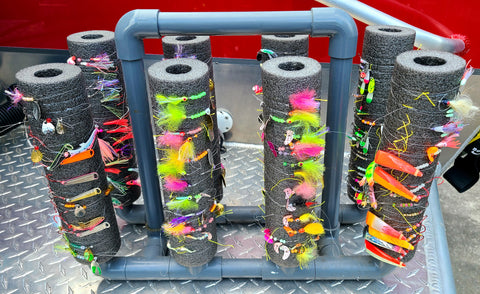
Before I get to the westside lakes, let’s discuss winter boating safety/etiquette. Carry chains for both your tow vehicle and for at least 1 axle on the trailer. Bring a couple sand bags and a shovel. A liberal application of sand can be a lifesaver. At the ramp, assess the situation before you back down a long icy ramp. Take the time to chain up your tow vehicle if required.
Thought being; although once your tires hit the water you’ll have traction, the area between the top of the ramp and the water could be icy. You don’t want to jackknife ½ way down the ramp. It would put a damper on your kokanee plans. Once the trailer is wet you may have to let the rig sit in the water for a bit to thaw and let the boat float free. Be safe on the boat, you don’t want to slip and end up sharing the lake with your aquatic rival.
Finally, and as a courtesy; at the end of your time on the lake load your boat and slowly pull out of the water just enough to clear the water. Stop and let the rig drain or drip-dry, this will minimize ice buildup on the lower 1/3 of the ramp.
Western Washington Winter Kokanee Lakes
Lake Washington
Although not exactly close to home, Lake Washington is my favorite westside winter kokanee lake. Our largest westside kokanee was a 3.13# 18” fish. We have caught many 1# plus and a few 2# kokanee in Lake Washington. To protect juvenile and migrating sockeye salmon there is an 8 – 18” slot limit for kokanee on in Lake Washington. A standard sockeye drill works, but consider stepping up your speed and gear selection. Most of our larger Lake Washington kokanee were taken on hoochies and 8” flashers.
The eyes have it; what am I talking about? Who knows why but most of our large Lake Washington kokanee were bamboozled by a lure with eyes. If Lake Washington were closer to home, I’d be fishing it every day that I possibly could.
Lake Cavanaugh
Lake Cavanaugh is an odd duck, easy kokanee limits for fish 10 – 18” kokanee during the spring, summer and fall, but when winter comes around it seems that every kokanee you catch is a chrome 8 – 12” fish. My nonscientific guess is that the majority of the kokanee in Cavanaugh spawn at 4 years and the winter sport catch are primarily 3-year kokanee. Most winter kokanee in Lake Cavanaugh will be caught over the deep pocket just east of the islands.
Lake Samish
Samish is really close to home with the typical winter kokanee bite being later in the day. It is a great lake for “breakfast and chores are done, let’s go fishing”. The lake includes a large basin with a smaller connected lake at the north end. When fishing winter kokanee on Lake Samish, most of our fish are caught in one of two areas. The first is along the west shoreline just west of the WDFW launch.
The second is generally in the center, maybe favoring the north shore/center of the small lake. Your trolling speed is critical, plan on fishing .8-1.0 mph with lots of “S” turns. Oddly, we have caught a fair number of Samish winter kokanee pulling small minnow type baits for cutthroat, but standard kokanee gear is a better starting point.

Lake Stevens
We don’t fish winter kokanee on Lake Stevens often, but it does host a winter fishery. There may be local secrets, but in our experience Lake Stevens winter kokanee are a hit or a miss. Most of our winter kokanee were caught along the bay at the northwest side of the lake. Typical kokanee gear with a pinch of nightcrawler or worm seems to have an edge over tuna corn.
Yale Lake
Yale is a great kokanee lake and is open year-round. There are winter challenges if you decide to make the trip. The wind can produce some crazy short chop, so make sure that you check the forecast before you hitch up the trailer. We haven’t had a problem but I’m pretty sure that the reservoir water levels are down November-February. The Yale Park launch should be open but other ramps may have restrictions.
Finally, there could be hazardous floating debris/flotsam. Boat with caution, and if it’s choppy, slow way down. The winter kokanee fishery should be concentrated by the dam or across the lake from Speelya Creek. In my experience, if fishing less than 30-40’, run really long setbacks or use lead line rigs.
OK, you have some idea which way you’re headed in your kokanee quest, now what? I don’t really change overall tactics when fishing winter kokanee. The usual kokanee drill; a small dodger, lure with tuna corn is a great place to start. Make sure you have your favorite scents, maybe a container of worms, and additional leader onboard. Not always, but occasionally, you will need to increase your leader length.
When trolling for winter kokanee, you will want to stay under 1.0 MPH. I probably do more “S” turns or engage the “Hunt” mode on my iTroll more often during our winter kokanee adventures. Our dodger box has more dodgers in it than most, but during the winter kokanee fishery my go to dodgers are painted, copper, or even dark metalflake.
Using either double spinner rigs or flies behind the dodger seem to consistently produce kokanee during the winter fishery. After you hook your cold weather prize, gently fight the fish, and, as with any kokanee fishery, a long handle net will increase your actual catch verses hook up statistics.
I know that it will be cooler out, maybe even freezing, and the lake temperature should be down as well. But make sure you still care for your catch. Bleed them and keep them on ice, or, even better, in a slurry in your cooler; you’ll want to preserve the quality of your hard-earned prize.
Winterize or not, keep your kokanee gear handy. The above is just a starting point. Choose a lake, learn it, and you’ll soon be the local expert! Trolling for Washington State winter kokanee can be frustrating. With the closure of most of our winter salmon fisheries, a bit of frustration will quickly become an addiction. Enjoy your winter kokanee adventure, but with the potential for rainy, slick roads, be sure to use extra caution towing your boat to and from your new favorite winter activity.
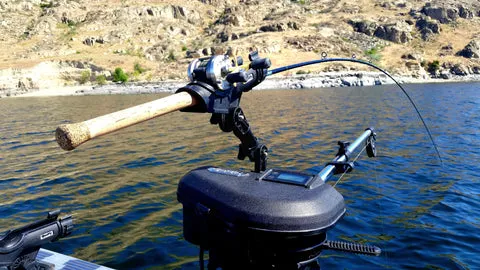
/articles/washington-winter-kokanee-observations-0
The Trip of a Lifetime
By Mike Carey
Over the loud throb of the single engine, our bush plane made its steady, if slow, journey over the Alaskan tundra. Several hundred feet below, the landscape was sparse and untouched by human hands. Between the marshes and brushy hillsides, I could see game trails crisscrossing the tundra. Straining to see an elk or moose, or maybe some bear, I imagined being dropped into this wilderness which looked so barren from above.
Suddenly, a river came into view ahead, long and meandering, cutting a path through the wild Alaska landscape. Rising up from the wilderness was our destination, Alaska Trophy Adventures Lodge. Our pilot lined us up with the dirt runaway and the land rushed ever closer. Wheels touching, bouncing the plane back and forth, our pilot throttled back and taxied the plane from the end of the runway back to the lodge.
Welcome to Alaska!
We were greeted by Wayne McGee, the owner of ATA, and his son Tyler. Surveying the land before me, I took in the rustic lodge and various buildings, tents, and at the river’s edge, a lineup of fishing boats tied up to a dock, seemingly ready and begging to be taken for a ride down the wild and free river.
The Alagnak River, a designated scenic river, and ATA Lodge lie within the Katmai National Park. The Lodge itself is on 160 acres of prime river frontage in an iconic section of the Alagnak River known as the upper braids, and can only be reached by plane.
Our group included me, Rob and Hillary Holman, and Mack’s Lure’s Britton Ransford. We had been waiting a long time for this adventure, as the previous year’s trip was canceled due to Covid. But the masks were off now, and Alaska was once again welcoming guests to enjoy this vast wilderness.
The Alagnak is a wild river, flowing steadily from inland through vast woods and tundra, finally emptying into Bristol Bay. Hosting five species of salmon and several species of trout, the river is a teeming habitat untouched by human hands. Anglers travel around the world to experience its beauty and incredible fishing, not to mention the amazing wildlife which includes moose and an impressive display of bears, which were our constant (if distant) companions for our six day stay.
Settling into our quarters, we took in the vast view from our chalet looking back toward the lodge and guest cabins, Below, I noticed a couple anglers working the waters along the shoreline. I wasted no time donning my waders and gear and walking down the short trail to the water’s edge. For the next hour I brushed off the cobwebs on my fly-casting skills and worked some productive seams in front of the lodge dock. I watched as fellow anglers landed several pinks, but it was not yet my time to hook into my first Alagnak salmon.
With the dinner bell ringing, we headed back to the lodge for a warm welcome from Wayne and the crew. Introductions around the dining room revealed this week’s group of twenty or so anglers, having come from around America and even from Germany and Ireland. Truly an international clientele. Our dinner was elegant and delicious, the main course a fine pork chop as moist and flavorful as any I’d ever had.
After dessert, Wayne greeted the group and provided a view of the coming week’s adventures. Introducing everyone from the guides to the lodge staff, the feeling of a close family was obvious. Topping off the evening with a glass of fine wine, we returned satiated to our chalet. The morning would come soon enough, and it was time to light a fire, play some cribbage, and get a good night’s sleep for the coming day’s fishing adventure.
Fly fishing for salmon and trout is what the ATA experience is all about.
While fishing the river does not exclude hardware (and we did have great success one day twitching Mack’s Lure jigs) the appeal of fishing the Alagnak River is without a doubt fly fishing. The lodge has all the quality gear that you would expect, but many anglers choose to bring their own favorite rods and reels.
I brought a rod and reel of my own, which I soon discovered from our guide, Tyler, was not set up quite right for the large streamer flies we would be using. After a few adjustments my set up allowed me to cast much better, and by the end of the trip I was making my casts longer and straighter than I could ever have imagined.
The guides at ATA are pros and excellent fly casting instructors as well. Hillary, new to casting flies, by the end of the trip was excited by how much she had learned. Don’t think that if you have no fly-casting experience this adventure isn’t for you. Indeed, many of our fish were caught close to shore and didn’t require long distance or accuracy. The river is bountiful and there is no lack of willing finned friends waiting to tug your line.
Fish On
My streamer came to a dead stop as I was stripping line in, and the head shake of a powerful fish caused my rod to strain and bend over in a solid arch. The fish broke the surface in front of me, a chrome-bright coho fresh from the ocean. Taking strong, line peeling runs, the fish began to tire and I eased her into Tyler’s waiting net.
After admiring her chrome colors and fresh sea lice, she was sufficiently revived and darted off on her mission. Anglers do bring fish back from the Alagnak, but Wayne and the guides encourage only keeping the bucks and releasing the hens to procreate.
It’s a policy that the anglers that come to ATA are in agreement with as the Alaska experience we are here for is not bringing home coolers full of fish, but rather days full of memories. The Alaska wilderness experience is what ATA is all about.
Each day we fished we got to try a different species to target. One day it would be salmon, working the numerous seams and back eddies for coho, chums, and pinks, the next day taking the long, scenic forty mile run to tide water to battle chrome coho, another day bead fishing for artic grayling, char, and leopard rainbow trout. The rainbows grow large from the abundance of feed and follow the spawning salmon, feasting on eggs.
Earlier in the season, anglers can target powerful chinook salmon and massive runs of sockeye that thrill with acrobatic leaps, challenging even the most experienced angler.
The ATA lodge
The ATA lodge is situated deep in bear country. Every day we saw large brown bears walking the shoreline, feeding on the salmon. Mother bears and cubs were a common sight. Wayne informed us that in twenty-five years of service they have not had a bear incident.
The guides have a strong understanding and respect for bears and safety is always the number one priority. I never had much worry about the bears. It was awesome to look down on sandy shorelines and see the large tracks of these majestic creatures interspersed with anglers’ footsteps.
For a change of pace one day, Britton and I decided to do a hike in with our guide Tyler to a local lake that holds northern pike. Having never caught a pike on a fly I was very excited! We ran about thirty minutes by river, secured the boat, and began our one-mile hike to the lake. The Alaska tundra is a unique habitat, with open fields interspersed by woods and tall brush.
Periodically calling out “here bear”, we were sure to make plenty of noise to alert any bear in the area of our presence. The tundra is soft and giving, much like walking on a mat of foam. Our every step we would sink six inches into the turf, making the one-mile hike feel like three.
It was a workout which I enjoyed, although when we reached the lake, I was very grateful for the break! Sad to say, on this day the pike were not cooperating, although I did get a small one and had a nice strike from a larger fish. It’s an adventure I’d definitely try again!
As most things do, our Dream Adventure came to an end much too quickly. The last evening, we shared our group meal with new friends and recapped the week that was. The smiles and laughter around the room were a clear indication of what a magical place we had the good fortune to enjoy.
We shared our highlights from the week and the common bonds the week’s group of anglers experienced. In the morning we boarded our bush plane for the quick flight back to King Salmon, then Anchorage, and then home. Watching the lodge recede in the distance, I sensed we all left a part of ourselves back in Alaska, but took a piece home with us as well.
For your trip of a lifetime, learn more Alaska Trophy Adventures at https://www.atalodge.com or call 1-877-801-2289.
/articles/trip-lifetime
If A River Runs Thru It
By Gary Lewis
If the days spent fishing do not count against our allotted time on this earth, as we have been told, then we should fish more often. Because we spend a lot of our time in towns, we should be fishing in towns. It's more efficient.
When the family wanted to go to Disneyworld, I fished. When we went to Hawaii, I dabbled a line in a king's bathing pool. I have fished off hotel balconies and out the windows of cars all over the country.
There are a lot of great fishing towns in Oregon; Shady Cove, Maupin, and Grass Pants, to name a few. If a river runs through it, it's a fishing town.
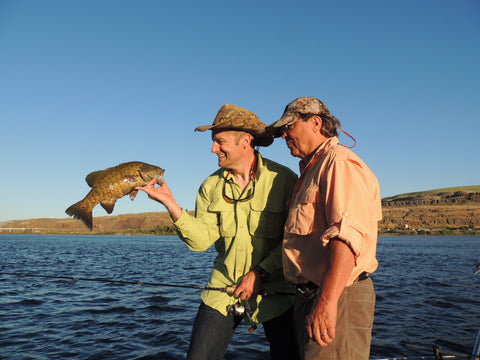
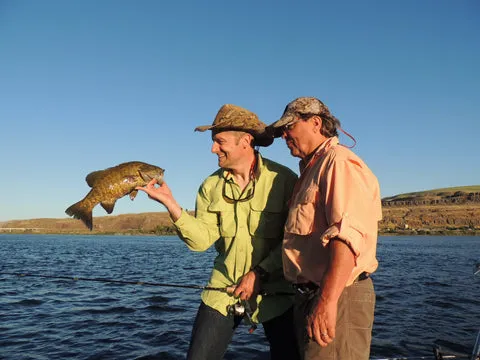
Portland is, of course, the ultimate fishing town, with the Willamette running right through it and salmon, sturgeon, shad, and smallmouth on tap. One of the best smallmouth of my life came from under the Sellwood Bridge.
What I like is going to a town and catching fish right out from under the noses of the local anglers. Here are some great fishing opportunities coming up in May and June.
SHAD FISHING AT OREGON CITY
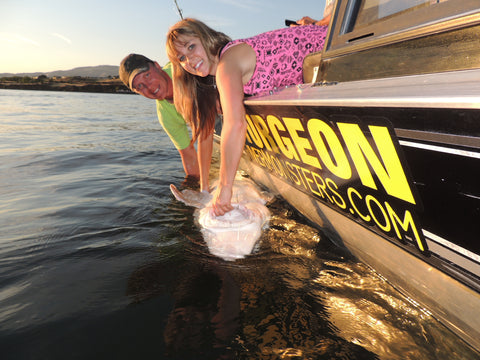
One of the best fisheries in May and June is for shad - on the Umpqua, the Columbia, and the Willamette. American shad were introduced to the American west in 1871 when fish were released in major rivers up and down the Pacific coast. Today, millions of shad return to spawn in the spring. Plankton eaters, our American shad is the biggest of the herring species and averages three to five pounds. They bite and fight with abandon.
One great place to catch them is below the falls on the Willamette at Oregon City.
They take small spoons like Dick Nites and Mack's Lure Sonic Baitfish, and red, yellow, or chartreuse jigs. Fly-rodders can get them on small shad flies and darts. They are a blast to catch.
The action starts in May, right about the time the pink dogwood blooms. A fisherman can have 50-plus fish days in June, and contrary to popular opinion, shad are good to eat. Hint: learn how to debone them. Shad roe is good to eat too. Fast fishing continues through mid-July.
SMALLMOUTH BASS FISHING AT THE DALLES
Smallmouth bass will probably spawn a bit later this year, as the waters are running cold with snow melt, but June is always great for smallies. When the water is running fast, they are likely to be in the eddies along the rip-rapped banks of the Columbia, from Mosier up to Boardman and beyond.
There is a lot of bank access in this section of the river. Some of it requires parking off the highway. Backwater fisheries are an overlooked resource with bass and panfish.
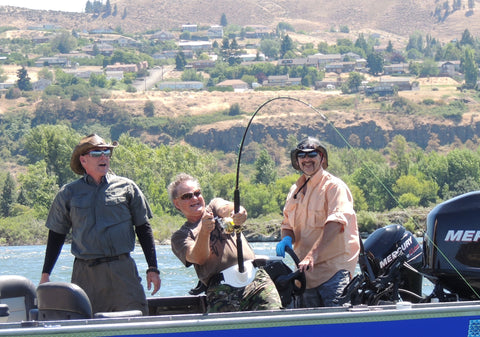
When towing a boat to the Columbia for the first time, keep in mind this is big, tricky water with heavy currents. That said, the river is accessible and the best fishing is along the banks next to the riprap and around jetties in softer water.
If the wind is blowing, there are always backwaters, side channels, and turns in the river where an angler can get out of the wind.
Another option is trout fishing. Taylor Lake, right on the edge of city limits of The Dalles, has been stocked three times already this spring.
TROUT FISHING AT JUNCTION CITY
A few miles north of Eugene on old Highway 99, the angler has to start slowing down at the edge of city limits at Junction City. This town with a population of 6,700 people has its own eponymous body of water, the 8-acre Junction City Pond. Stocked and fishable year-round, this pond gets legals, trophies, brood stock, and sometimes surprise surplus steelhead that will rock your world. By the time this issue went to press, JC Pond, as the locals know it, had been blessed with a reported 13,450 legals. That's a lot of fish, folks. It's worth a stop along the highway to soak some bait or cast a fly or spinner this spring.
PIKEMINNOW AT PDX
I caught my first pikeminnow across from the Portland airport. We caught a lot of them in those days, toothy critters that averaged 11 inches and ran up to 17 inches or so.
Northern pikeminnow thrive in the tailwaters below the dams and eat tons of baby salmon and steelhead. And for this, they have a bounty on their heads.
For a true city fishing experience, register at the check-in station early in the morning at M. James Gleason Boat Ramp on Marine Drive, then prowl upriver and downriver for northern pikeminnow - nightcrawlers are a good bait - and take your fish to the check-out station at the end of the day. Click on http://www.pikeminnow.org/ for more information. A fisherman can make $6 a fish these days.
Think about making this one a last stop on a spring fishing swing through western Oregon. It's not a bad way to cover some fuel expenses and do something for salmon and steelhead at the same time.
The days spent fishing don't count against your life, but the miles on the truck do go against my wallet.
For me, PDX is a 360-mile round trip. According to my calculations, I'll need to catch 11 pikeminnow to break even on the fuel. Once I catch fish number 12, I'm making a profit!
/articles/if-river-runs-thru-it