Silver Salmon River Lockjaw Strategies
Standing at the river's edge and surveying the waters, a loud splash disrupted the silence of the day. Coho or silver salmon are known to roll and jump often, and this gives away their location. This fish was in heavy cover where downed logs had created a log jam and there was no way to get to it without risking gear being lost to the sunken trees. But it meant that fish were in the river and that was good enough to load the tackle into the drift boat and launch for a day of searching for more coho.
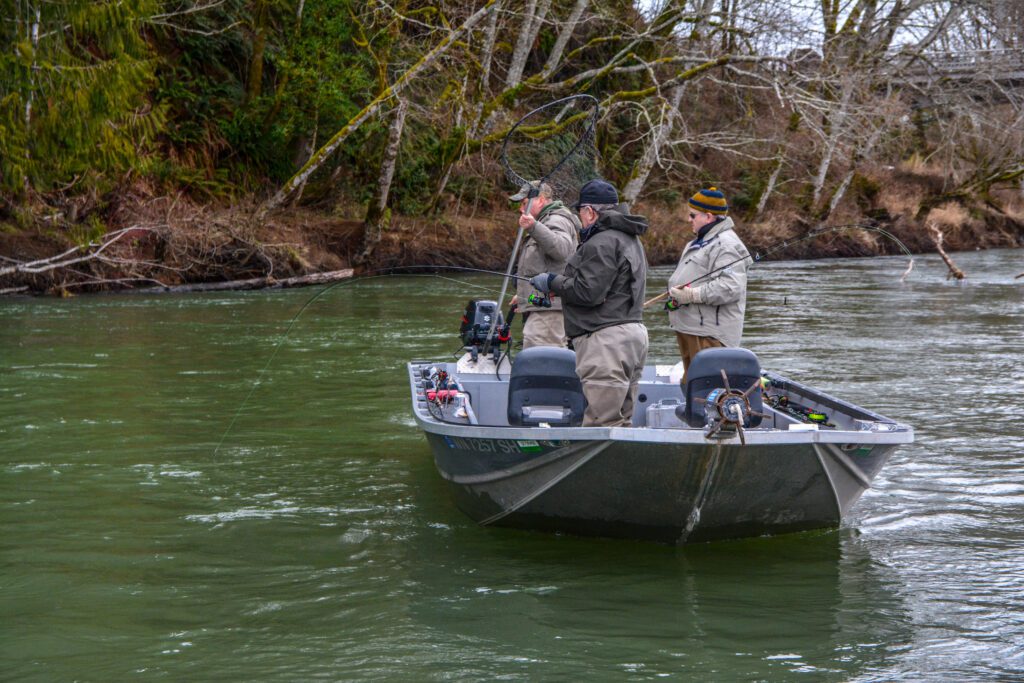
Rowing down the river, which was calm and quiet, we came to a large back slough. The water here was stacked up from the previous winter's floods that cut the side channel deep but now the water was shallow at the outfall creating a lake of sorts. This is known as “frog water” and coho prefer to sit here and rest until they regain energy to continue upriver. With a lot of fish holding in the stagnant waters, one would think these fish are easy to catch but anglers often forget that these are resting fish and that means they are lazy and often lockjaw.
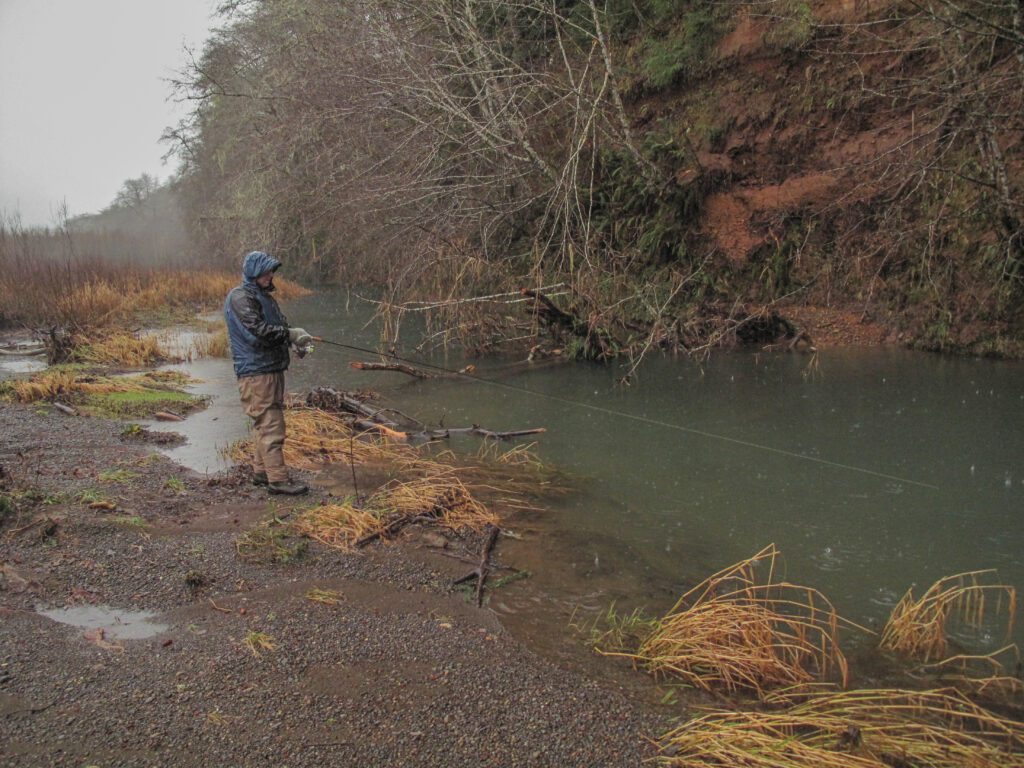
The term “lockjaw” means salmon unwilling to bite. Unfortunately, when anglers come upon a dozen or more fish that are lockjaw the temptation to snag becomes overwhelming. Not only is this illegal but also it hurts the runs of coho because these are resting fish and when snagged they exert energy they are trying to use to head upriver and spawn. When a fish becomes too tired to move it simply dies because water needs to flow through the gills and if the fish cannot move and it is released into slow or stagnant water it will suffocate and die.
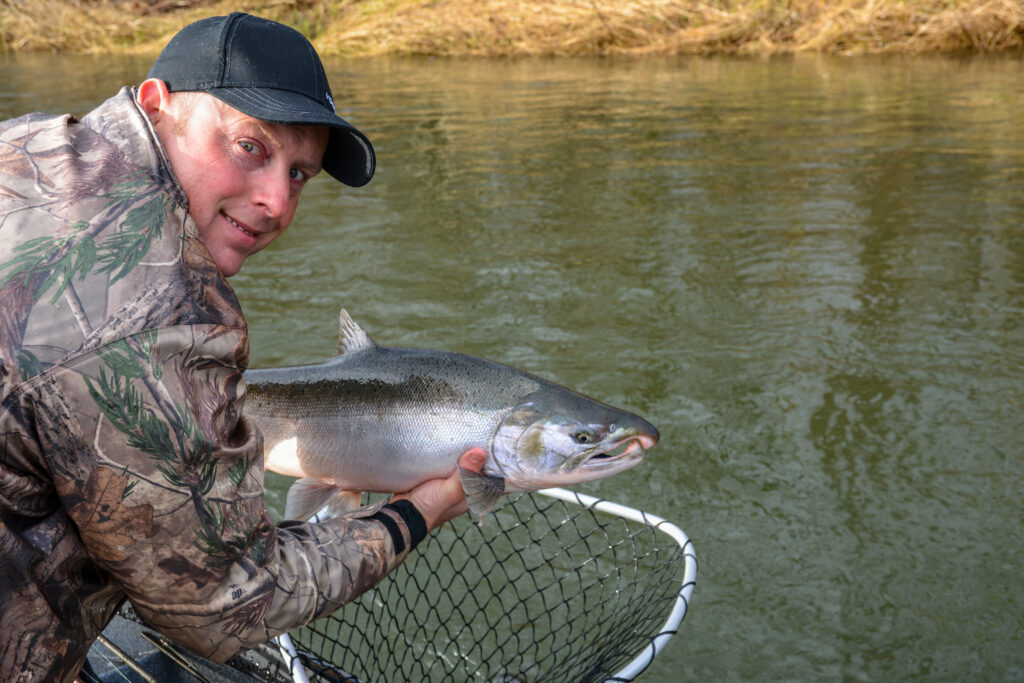
So, how do you get fish to bite when they are all lockjawed? The answer is simple and that is to find fish that are not lockjawed. Seems silly to say that but it is true, you will not get a lockjawed silver to bite. This does not mean giving up fishing for the day but instead knowing that there are biting fish, or a bite might turn on throughout the day. Back to the stagnant waters of the slough.
These fish are resting but that also means they will get their energy back and will bite. If you have ever thrown a spinner or twitched a jig in this water when it is clear enough to see the fish, then you will notice a fish or two out of the school will start to give chase. These are fish that are done resting and have energy and are just waiting for the right conditions.
The right conditions can be anything from enough time to recover to a shot of rain bringing up the river just enough to make it easier for them to migrate. Anglers often head to the river early to get the “early morning bite” but what is really happening is the water has cooled off from a brisk fall night and the fish are more active. As the day heats up the water also warms, and this means less dissolved oxygen and therefore tired salmon. One way to beat the lockjaw is to fish on cool days, after it rains, or early in the day.
Sometimes, our schedules do not line up with the perfect conditions and anglers can only hit a river when the conditions are all wrong for active fish. You can still beat the lockjawed effect by looking for parts of the river where the fish are active. For coho this can be a deep hole where the water is cooler, and boulders churn the flowing water creating dissolved oxygen. Same with riffles and holding areas in the shade. One hot fall day we were floating a coastal river and working on our sunburns when we came across a long stretch of water.
The current was moderate, and the bank had overhanging trees. Peering into the shadows we saw coho stacked up in the shade, swaying their tails in the current and we thought they were just resting. Tossing a jig and a few quick twitches later a fish slammed it hard and erupted out of the water. These were not lockjawed fish but ones that were just staying out of the bright sun and being protected by the overhanging branches. They were also not in “frog water” but instead in a moderate current where they could sit and let the water run through their gills.
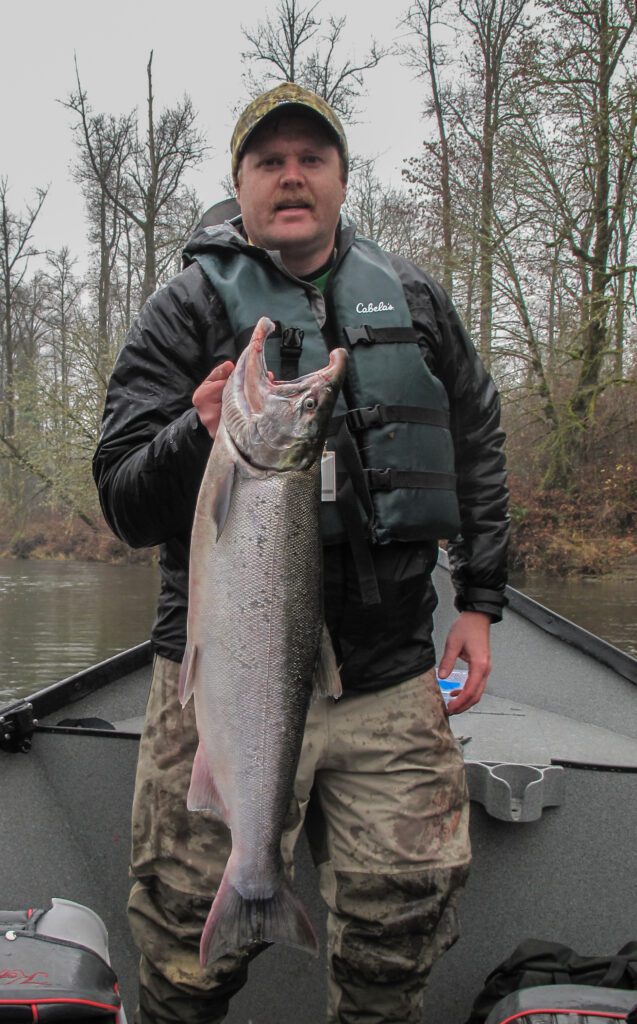
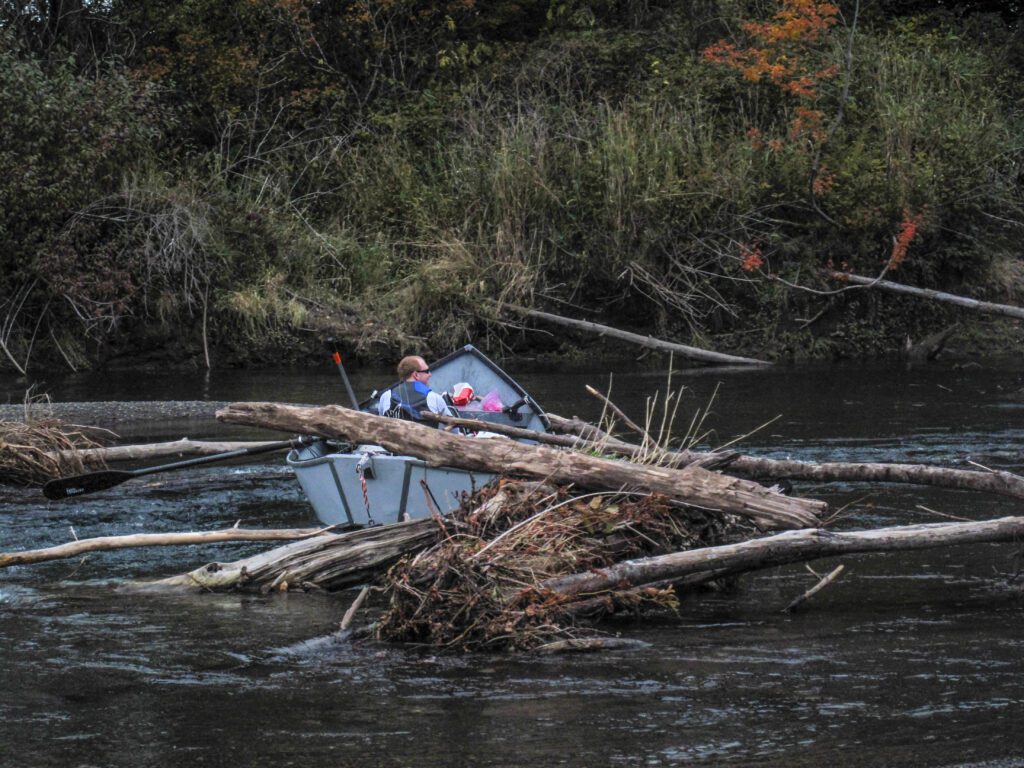
Log jams are notorious places for coho and for eating gear. It is the hardest place of all to catch salmon. Look for deep holes often created by the log jams and watch the fish, or when you see the splashing and rolling as this often means fish are active. A tired fish will sit and rest, but an active fish will be splashing and rolling as it uses energy to do this. Why salmon do this is still unknown with several theories but one thing that is known is that fish that are active are not lockjawed.
Be careful parking the boat over a log jam in current but if you find one that is in a soft part of the river then you can oftentimes move the boat over and tie up to the log jam. The key here is to let the hole rest because it is likely the fish moved out once you put the boat over them. Coho like log jams because it is covered and they feel safe from predators here; the boat will become part of that cover once the commotion stops. Several times we have looked over the edge of the boat and seen coho underneath, sitting there just like they do in other cover.
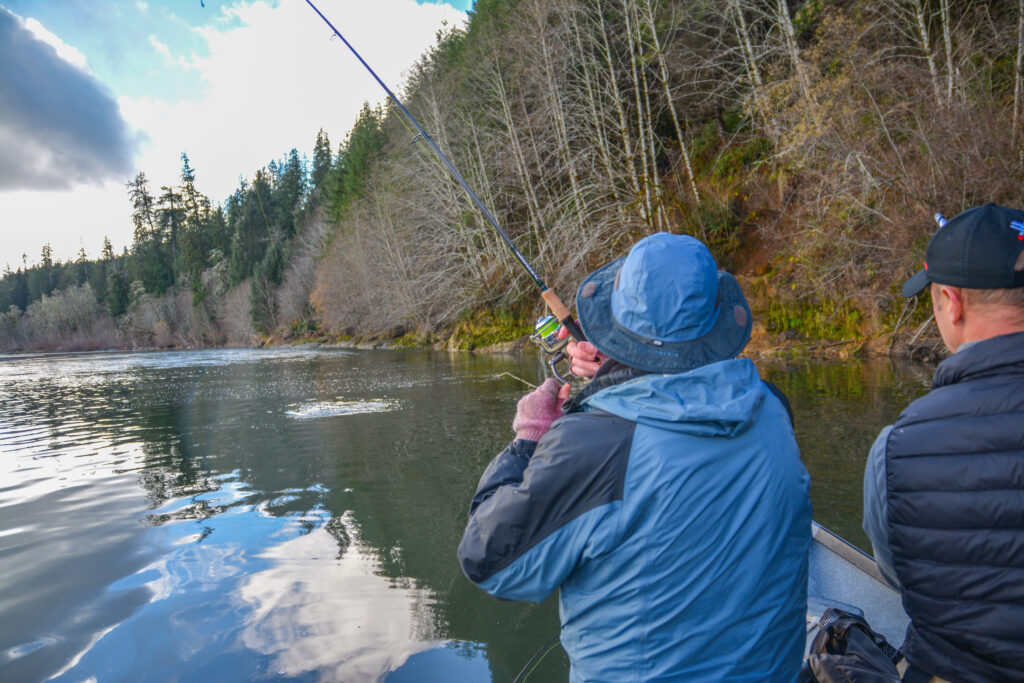
Techniques vary and sometimes you can get a “lockjawed” silver to bite–though the fish was just resting and is now recovered-by using a bait that it simply cannot resist. Such techniques are often the presentation of bait like cured eggs. If you have ever hoverfished, then you have caught resting fish using eggs. This technique which is extremely popular in the Columbia River Gorge is done at tributary mouths where the colder water from the tributary is dumping into the warmer Columbia. The fish will stack up here to rejuvenate in the cooler water and the bite is often very subtle. Floating eggs under a bobber is a top technique to get resting coho to bite. Back to the frog water slough, it is best to float fish it first and see if there are any resting but willing biters in there.
Twitching jigs and swinging spoons or spinners are for active fish. Use these techniques where fish that are more active, such as in runs, riffles, and deep holes. Yes, they also work in stagnant waters but again you will notice that out of the entire school of fish, only a few will chase down the lures. This means having patience and knowing that the fish will eventually get their strength back and bite.

Same with moving fish, be ready for a long lull in action and then all a sudden the “bite” is on. It is likely fish moved upriver and to your location. One cold November day we were fishing the Satsop River and anchored by a small back eddy along a cut bank. We stayed there all day long twitching jigs and occasionally, a pod of coho would make their way upriver. This was announced by one of us hooking a fish and then it would be “on” for a few minutes with everyone catching a fish or two and then the coho simply moved on.
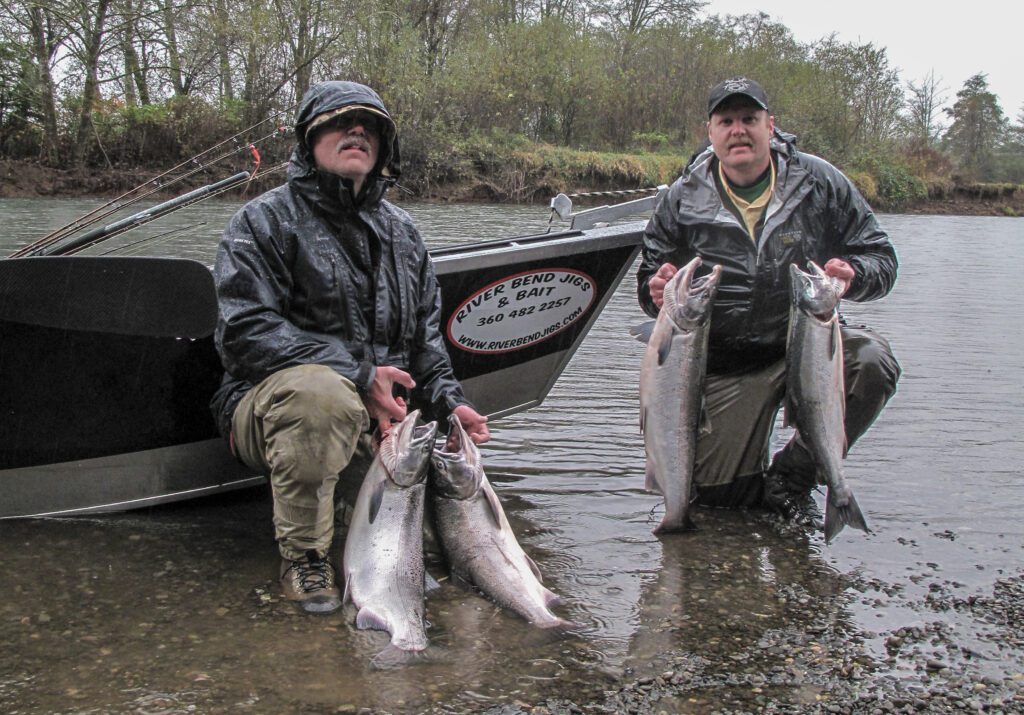
Lockjawed coho are hard to catch and the best way to catch them is to look for fish that are willing to bite. Knowing when they are lockjawed and not harassing them is the best technique you can do to catch more fish. Find willing biters and leave the tired fish alone. Wasting time on them only hurts the run and will cause you to become frustrated. When you make your way to the edge of the quiet river, pause and look around, listening for the splash of a coho. These are the fish you can catch.
/articles/silver-salmon-river-lockjaw-strategies
If A River Runs Thru It
By Gary Lewis
If the days spent fishing do not count against our allotted time on this earth, as we have been told, then we should fish more often. Because we spend a lot of our time in towns, we should be fishing in towns. It's more efficient.
When the family wanted to go to Disneyworld, I fished. When we went to Hawaii, I dabbled a line in a king's bathing pool. I have fished off hotel balconies and out the windows of cars all over the country.
There are a lot of great fishing towns in Oregon; Shady Cove, Maupin, and Grass Pants, to name a few. If a river runs through it, it's a fishing town.
Portland is, of course, the ultimate fishing town, with the Willamette running right through it and salmon, sturgeon, shad, and smallmouth on tap. One of the best smallmouth of my life came from under the Sellwood Bridge.
What I like is going to a town and catching fish right out from under the noses of the local anglers. Here are some great fishing opportunities coming up in May and June.
SHAD FISHING AT OREGON CITY
One of the best fisheries in May and June is for shad - on the Umpqua, the Columbia, and the Willamette. American shad were introduced to the American west in 1871 when fish were released in major rivers up and down the Pacific coast. Today, millions of shad return to spawn in the spring. Plankton eaters, our American shad is the biggest of the herring species and averages three to five pounds. They bite and fight with abandon.
One great place to catch them is below the falls on the Willamette at Oregon City.
They take small spoons like Dick Nites and Mack's Lure Sonic Baitfish, and red, yellow, or chartreuse jigs. Fly-rodders can get them on small shad flies and darts. They are a blast to catch.
The action starts in May, right about the time the pink dogwood blooms. A fisherman can have 50-plus fish days in June, and contrary to popular opinion, shad are good to eat. Hint: learn how to debone them. Shad roe is good to eat too. Fast fishing continues through mid-July.
SMALLMOUTH BASS FISHING AT THE DALLES
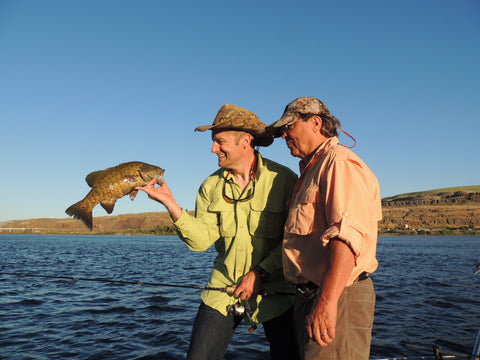
Smallmouth bass will probably spawn a bit later this year, as the waters are running cold with snow melt, but June is always great for smallies. When the water is running fast, they are likely to be in the eddies along the rip-rapped banks of the Columbia, from Mosier up to Boardman and beyond.
There is a lot of bank access in this section of the river. Some of it requires parking off the highway. Backwater fisheries are an overlooked resource with bass and panfish.
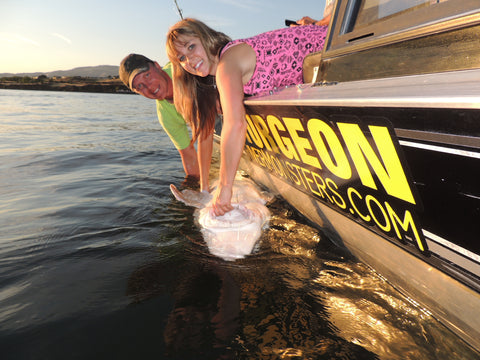
When towing a boat to the Columbia for the first time, keep in mind this is big, tricky water with heavy currents. That said, the river is accessible and the best fishing is along the banks next to the riprap and around jetties in softer water.
If the wind is blowing, there are always backwaters, side channels, and turns in the river where an angler can get out of the wind.
Another option is trout fishing. Taylor Lake, right on the edge of city limits of The Dalles, has been stocked three times already this spring.
TROUT FISHING AT JUNCTION CITY
A few miles north of Eugene on old Highway 99, the angler has to start slowing down at the edge of city limits at Junction City. This town with a population of 6,700 people has its own eponymous body of water, the 8-acre Junction City Pond. Stocked and fishable year-round, this pond gets legals, trophies, brood stock, and sometimes surprise surplus steelhead that will rock your world. By the time this issue went to press, JC Pond, as the locals know it, had been blessed with a reported 13,450 legals. That's a lot of fish, folks. It's worth a stop along the highway to soak some bait or cast a fly or spinner this spring.
PIKEMINNOW AT PDX
I caught my first pikeminnow across from the Portland airport. We caught a lot of them in those days, toothy critters that averaged 11 inches and ran up to 17 inches or so.
Northern pikeminnow thrive in the tailwaters below the dams and eat tons of baby salmon and steelhead. And for this, they have a bounty on their heads.
For a true city fishing experience, register at the check-in station early in the morning at M. James Gleason Boat Ramp on Marine Drive, then prowl upriver and downriver for northern pikeminnow - nightcrawlers are a good bait - and take your fish to the check-out station at the end of the day. Click on http://www.pikeminnow.org/ for more information. A fisherman can make $6 a fish these days.
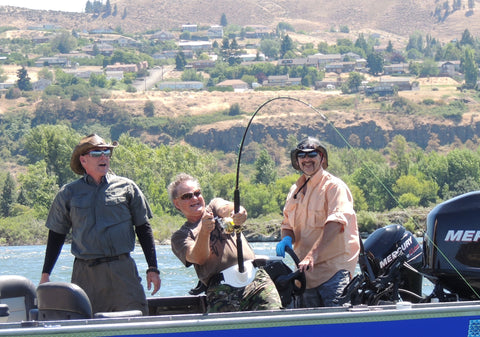
Think about making this one a last stop on a spring fishing swing through western Oregon. It's not a bad way to cover some fuel expenses and do something for salmon and steelhead at the same time.
The days spent fishing don't count against your life, but the miles on the truck do go against my wallet.
For me, PDX is a 360-mile round trip. According to my calculations, I'll need to catch 11 pikeminnow to break even on the fuel. Once I catch fish number 12, I'm making a profit!
/articles/if-river-runs-thru-it
River Coho
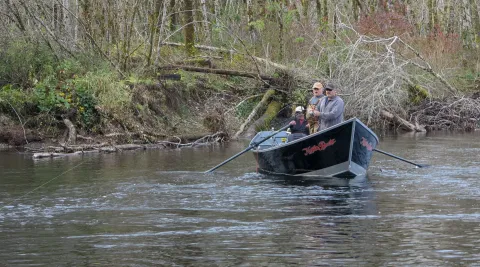
Slowly drifting along with the current until we reached the next hole, I heard a splash along the shoreline. Looking to my right I could see the rings in the water where a fish jumped near the tall grass that lined the river. Instead of continuing on, I quickly dropped the anchor and told my fishing partner to cast his float over to the shoreline and be sure to do so a bit upstream. As the float neared where the fish jumped, it disappeared underwater and he set the hook. A large coho leaped out of the water and took off to the fast water below. All the while, line began peeling off of the reel.
That is what I love about river fishing for coho: you think you know where they are, then you find one in a spot you normally would have just rowed right by. After he fought that fish to the net, we slid it into the fish box and just looked at each other for a minute. Then we saw another boat coming down the river. The quiet discussion we had was if we should pull anchor and try to stay ahead of the other boat to get to the deep hole we were heading to first, or to stay put. Electing to do the latter, we waved as the boat went by and never said a word about the fish we just caught. Once out of sight, we cast towards the shoreline again and the float went down once more. After pulling three more fish from that grassy bank, the fish had moved on and so had we.
Normally, anglers who head to the rivers target coho with spinners or twitching jigs, and mostly concentrate in known areas for chinook with the float rods. This works well, and is what I like to do too, but I also always have the float rod ready. Last year, we were almost to the take out and I saw a fish roll under a tree. Just downstream from this overhanging branch was a fallen tree with a large root ball sticking out. I cast ahead of the branch and let it go under it, but nothing happened. Then, just before I decided I needed to get my gear out of the water, as it neared the root ball the float went under. Thinking it was part of the roots, I pulled back, hoping it would free my gear, but instead a fish jumped out of the water with my float in tow. Coho are known to be acrobatic, and I was once again pleasantly surprised to have one bite the eggs.
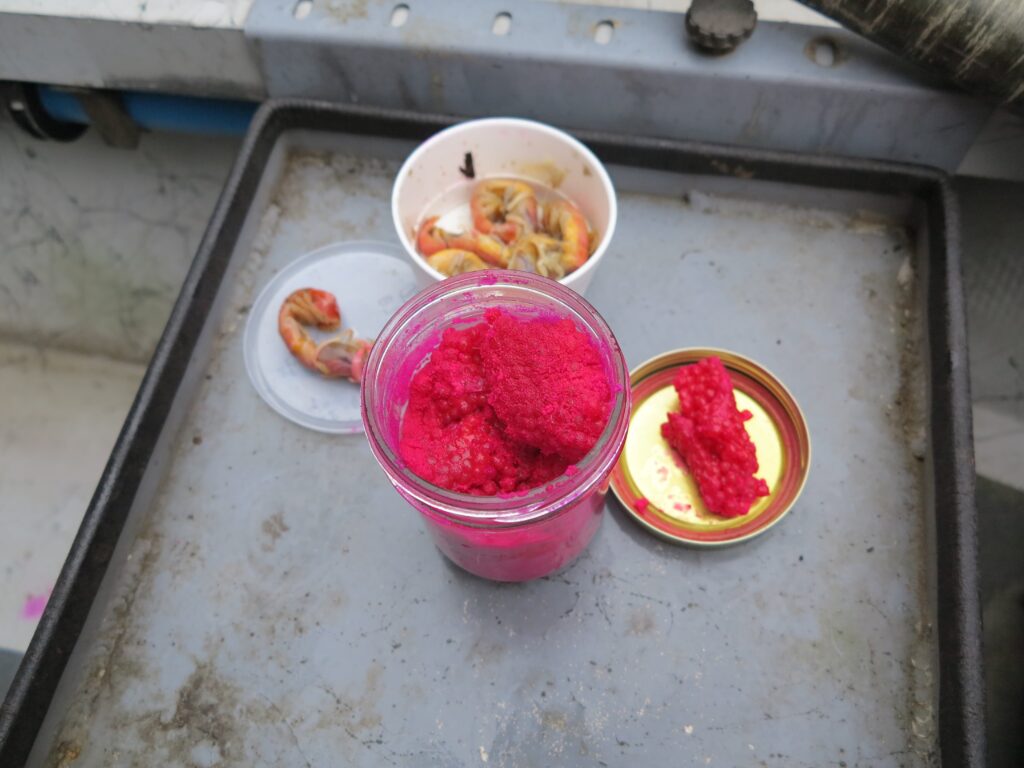
The reason why I threw a float with eggs to this fish wasn’t because I thought it was a chinook that was hiding under the tree branch that I first saw, but instead it was the only way I could fish this spot. Tossing a spinner was an option, except I didn’t have one tied on my rod. Twitching was out, as I knew that if I tried to lift the line from the water it would catch in the branch, so I threw out some eggs and it ended up being the right choice. The float would easily drift under the branch and continue down to the hazard below.
I always have a float rod rigged and ready as we make our way down the river, for this very reason. But when I come to a spot that is known to hold coho, it is time to break out the twitching rods. Deep holes often strewn with logs means coho. Knowing how to twitch is important, but also knowing where to twitch will lead to more coho in the box. For deeper holes I actually use the lightest jig possible. This means 3/8 ounce or ¼ ounce jigs if the water is very still. Twitching has been given a bad name in the past because anglers tend to foul hook fish. Most of the time this happens because the heavier jigs fall fast and end up below the fish. What the angler should do is use a jig that will fall slowly and into the fish, then when twitched will jump up in their face and again fall slowly, allowing the coho to grab it. If the jig is too heavy it often falls too fast, and when you go to twitch again you end up foul hooking the fish. By using the right weight, you not only reduce the chance of foul hooking fish, but also increase your chances of them biting.
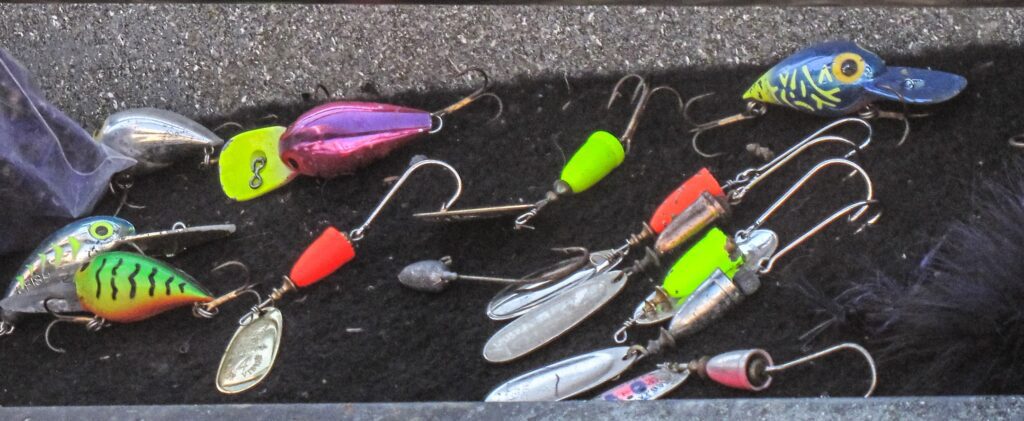
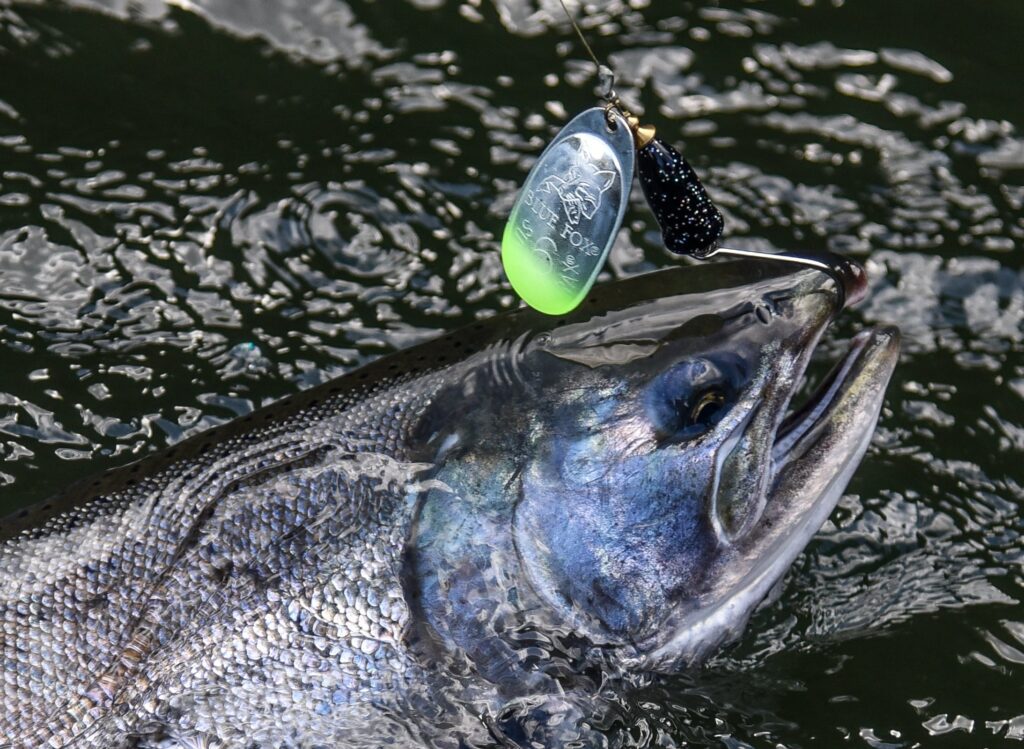
Spinners are a top technique for good reason. When fishing spinners, they are always working. A good cast into a seam, and then the swing of the spinner and the thumping of the blade reinforces the confidence of the lure to the angler. There is nothing like a hooknose coho violently grabbing your spinner and yanking the rod nearly out of your hands. There is no guessing if it is a bite, and the fight is on right away. Spinners also work well in different water conditions. Several years ago, we were fishing during a hard rain. The water was getting murkier by the minute, and after the bite seemed to go off on twitching jigs we began throwing spinners. That thumping silver blade reflecting the sunlight was all it took to get the bite back on again.
On sunny days, try using a dark bladed spinner, or alter the ones you have with a black permanent marker. Dark bodies like black and purple tend to do well, but on dark days or in murky water try chartreuse or fluorescent orange bodies. A Blue Fox Vibrax spinner in sizes 4, 5, and 6 are top producers for fall coho.
Knowing when to go and which river or part of river to fish will lead to more success. A couple of years ago we were going to hit my favorite Olympic coast river for the opener on September 1st. Normally this time of year the river is running as low as it will get all year, but that night a rainstorm approached. The river went from 400 cfs to over 3,000 cfs in twelve hours. Waking up and seeing the brown murky water flowing quickly, we should have canceled for the day. Instead, we launched the boat and had a nice ride down the river, and a fast one at that. We didn’t touch a fish or see another boat all day. Returning a few weeks later, that same run was back to normal and we caught fish.

This particular river has several access points and can be broken down to three main runs. The upper run is usually unfishable until October, when the rains fill the banks and make it floatable. That part of the river is where we should have gone to that day. The middle section is good almost all of the time, but offers very few holes which tend to get crowded early in the day. The lower part is tidal influence, so not only do you need to keep an eye on the river flows, but also the tides.
Fishing tidal waters is often overlooked by anglers. Fish only stack up here when there is a really low tide and that can also be at different times of the day. Personally, I prefer to fish tidal areas because they are predictable. You know that with each tide a new push of fish will come in. I try to time it to fish as the high tide is over and water is pushing out. This is best when it is mid-day to late afternoon, because most anglers will want to be on the water at daylight. Instead, I like to fish “clean up” or after everyone else has gone down the river. The fish fresh from the salt haven’t been harassed all day and anglers are gone, often leaving me in holes all to myself.
If you don’t have a choice but to head to the river early, then remember that during high tide fish will be on the move. This is a good time to drop anchor and let the fish come to you. One year during a high tide time, we sat on the anchor for several hours, casting jigs to a small pocket along the shoreline. This area had a back eddy and the moving fish would stack up here to rest. When they showed up, we would catch a fish, and when they moved on we would take a break. One way to keep fishing during times when fish are moving is to throw out diving plugs or plunk. Plunking tends to be a lost art, but the idea is to cast out and let your lure or bait sit in a spot where the fish will come along at some point and bite it. Why not do it from a boat while taking a break, as this will lead to more fish and it is a great way to know when fish are arriving.

There are a lot of ways to catch coho in rivers, and learning to fish them all not only adds to the experience but also keeps you engaged in fishing. Once you learn to twitch, then learn to float eggs, and then throw spinners. Discover where the holes are and where to fish when the tide is in or out. Best of all, most of the river conditions and routes will change each year, so each time you go to the river it is like learning a new spot all over again. Just like when we were drifting along that grassy cutbank and heard that fish jump; you never know where you will find coho, and that is what makes river fishing for them so fun.
/articles/river-coho