/articles/categories/fishing
Chasing Fish in The Straits of Juan De Fuca
By Josh DeBruler
As summer winds to an end, readers are likely anticipating glorious tales of monster sized salmon bending rod tips over the sides of boats, while adrenaline filled anglers run about with nets in hand, hoping to assist a buddy in bringing the big-one aboard for a well earned grip-and grin photo of a lifetime.
This story, regretfully, does not end in such a manner. The story does, however, dispel some myths about importance of boat size, shares some boating safety advice that pertains to smaller boats, and ends with a nice haul of tasty fish (the type that are more suited for a fryer rather than a smoker).
It was Saturday morning in the Sekiu village, and the gentle waves of the incoming tide at Clallum bay woke me in my tent at Masons Marina.
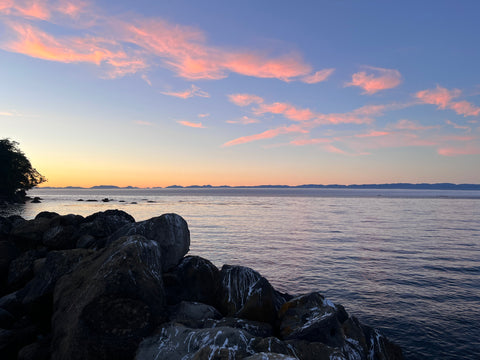
Thick marine fog typically blankets the waters from Sekiu to Neah Bay during the summer mornings, however, the start to this day greeted me with glassy calm seas, and blue skies that extended from Masons marina, all the way north, across the straits, and to the mountainous shores of Victoria B.C.
It was perfect weather, and it helped ease the nerves that had been accumulating over the past two days as I obsessed about all of the things that could possibly go wrong in a small boat out on the big water.
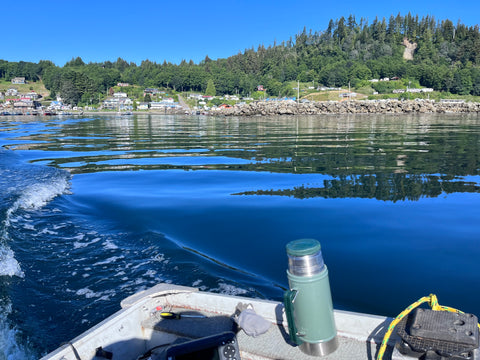
My boat is a V-hull 2008 14’ Smoker Craft Pro Mag with a 20 HP Honda. It’s a good little boat, equipped with a live well, an electric trolling motor, navigation lights, and a backup 6 hp Suzuki that I keep onboard in case of emergencies.
I take her out often, with most of my destinations being on the Puget Sound, Hood Canal, and various lakes in my region. But, as with many others that own boats similar to mine, the thought of taking a small boat out onto water that behaves a lot like the ocean never really crossed my mind.
Boating is fun, until it isn’t. And I’ve always figured it was better to avoid a bad situation than to plop myself directly into one. It wasn’t until I was on the Hood Canal that a friend told me about Sekiu, and how anglers were easily catching their limits of chinook and coho up there, that I began to put more thought into the idea.
Thus, a seed was planted. As I researched and asked around, I found that it was actually quite common to take smaller boats out around Clallum bay. In fact, 14’ kicker boats were at one time the most common sport-fishing boats seen on the water.
At least, that was the case in the 1940’s, when most people weren’t towing around larger boats and instead opted to rent the 14 footers from the marinas. The marinas still rent boats of this size today, most of them equipped with 15 HP outboards.
Sekiu is the quintessential small fishing town. It has two main marinas (both with campgrounds), a handful of motels, a cafe, a restaurant, and plenty of fishing tackle. The town got it start as a salmon cannery back in the late 1800’s, but after regulations ceased to allow commercial fishing, the cannery business crashed, and Sekiu had to look to other industries like logging, hide tanning, and sport fishing.
The latter of the three being the one that worked, and oh did it work well. The fishing is world-class, and seldom will you find anywhere outside of Alaska that has this type of salmon and other saltwater fishing. The unincorporated community is situated right inside Clallum bay, in the northwestern portion of the Strait of Juan De fuca.
The bay itself, and just west of the bay, enjoys decent protection from S,SW,W, and NW winds. Once you head further towards the ocean or out north into the open water, you become more exposed to the common west and northwesterly winds.
Luckily, you will find excellent fishing near-shore, or without having to travel too far west in the direction of the ocean. In fact, most fisherman catch their limits of salmon just west of the bay near what is known as “the Caves”.
Two main summer-run salmon routes exist in the area, and those two routes follow near shore on the Canada side and near shore on the Washington side. This is an ideal situation for a small boat fisherman who doesn’t want to venture too far out into the open water.
When I motored out of the marina that first morning, I was a day behind on my already limited schedule. This had me fishing on an odd numbered day of the month. At the time, odd days were closed to salmon retention due to emergency regulations set by the Department of Fish and Wildlife.
This meant that fishing for salmon that day was out of the picture. However, in Marine Area 4, just northwest of me, lingcod, rockfish, and other bottom dwellers were all very much on the table! To get to these, I had to run about 5 miles west to Shipwreck Point just east of Neah Bay.
So, with calm waters on my port side, I gunned it west towards the MA-4 boundary line. The swell and wind forecast for that day were predicted to be favorable up until around 1pm, and so far, the predictions seemed to be holding up.
My little boat planed quite nicely heading out with the ebb tide and gracefully skipped over the rolling swells. My first “yikes” moment occurred when I approached Kaydaka point. This large point that sits roughly 2 miles from the marina brings underwater structure out into the straits, and as a result, kicks up the wave height significantly.
Though the increased wave size didn’t pose a significant threat to me, I still figured it was a good idea to run a bit further offshore to avoid the turbulence. It’s worth noting that points like these can present sea conditions that might not be tolerable for particularly small boats during rougher conditions.
The bottom fishing was hot within minutes of being inside the MA 4 boundary.
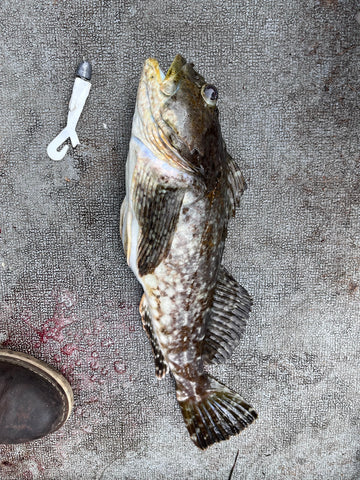
I fished a 2 oz jig head with a pearl white double tailed grub over some structure, and within minutes I was into some fish. A few good-sized lingcod found my hook, along with several rockfish and a beautiful cabezon that fought like a bull! All in all, the day was a success.
I won’t bore you with the details of my next morning’s salmon trolling trip. I only had an hour to get it done, and let’s just say I’m still eating last season’s silvers from my freezer (and yes, some of it’s looking a little freezer burnt). But the success was had in that I made it back to the marina both days in one piece.
This wasn’t accomplished in a 30’ fishing boat that’s worth more than my life savings- nope, this was done in 14’ aluminum boat with a small engine and an even smaller backup.
Small Boat Safety
Now, let’s talk the important stuff. Small boat safety. Is it safe to take a small aluminum boat onto the straits? It certainly can be! There are inherent risks that come with any type of boating, regardless of the boat size or the water that you are on.
Risk assessment, risk avoidance, and preparation are all key components to keeping you safe on the water.
DISCLAIMER: I am by no means, an expert on boating safety. All I can do is share what works for me and what I have learned myself.
My first bit of safety prep comes well before I arrive at the marina. Fortunately for me, I have a work schedule that affords me the liberty to plan my trips around weather windows, so I’ll start by looking for consistently fair weather in the long-range forecasts.
As I get closer to my desired departure dates, I’ll home in on the NOAA webpage and start looking at wind directions and speed, wind waves, then swell predictions (paying close attention to wave period or duration), and then tide charts. It’s important to know how wind, swell, and tide currents all work together to cause either rough or manageable conditions.
I don’t have the page space to get into that here, but there are plenty of resources available online for anybody who wants to educate themselves on the nuances of ocean behavior. The calm waters typically occur in the morning, so be up and ready before sunrise.
If the winds are predicted to pick up, say, by 1pm, then I’ll be heading back to the marina at least 2 hours before those winds are predicted to occur.
Safety Equipment
Before I leave the docks I want to make sure I have life jackets (I carry an auto-inflate and a standard), a waterproof radio, working navigations lights, at least two GPS devices, a manual bilge pump in case my auto fails, a well-tuned and properly functioning outboard motor, a backup kicker, flare gun, an air- horn, and a reflector to hang up in case of dense fog.
Aside from these things, I also try to scout out beaches nearby that would be suitable for beaching my boat in case a situation calls for it. This is definitely a last-ditch option, as the risk of damaging the boat on rocks is very present.
So, will I be taking my boat my boat out to Sekiu again? Absolutely! I already have my next trip planned! Do larger boats afford more comfort and protection in the event you get stuck in some adverse conditions?
They absolutely do. But, if a capable small boat is all that you have, and you have educated yourself on all the safety measures necessary, then there is no reason for you to wait till you get that 100k boat to go have some fun and catch fish in arguably the most productive fishing grounds in our region.
/articles/chasing-fish-straits-juan-de-fuca
Bull Trout in the Metolius
By Gary Lewis
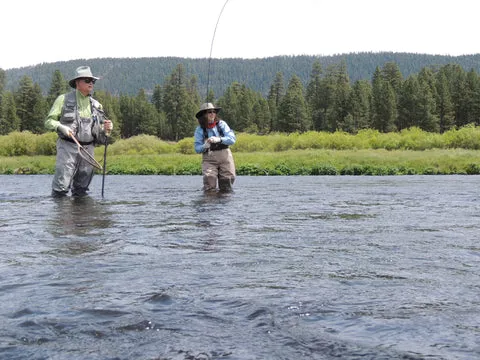
With the water swirling around us, we waded in at the mouth of Jack Creek. Skip Morris had hooked and lost a big rainbow here the day before. Today he stood back while Carol plumbed the two-foot deep run with a big stonefly nymph trailing a small beadhead attractor, called Gabriel's Trumpet.
For a moment we thought Carol's rig was hung up, but when she tightened the line, a fish torpedoed away.
The fish rolled mid-river and I saw his tail and dark fins silhouetted against bright water: a bull trout. Close to eight pounds, I guessed. The line broke and Carol reeled in the slack. The fish had taken the big stonefly nymph after a 13-minute battle and a last headlong flight.
That’s what can happen when kokanee are on the move and bull trout follow them into the shallows.
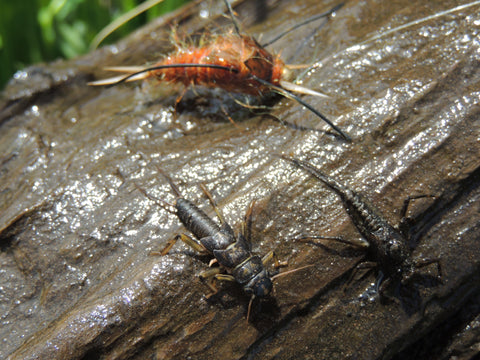
LAKE RUN BULL TROUT
Kokanee are thickest in the Metolius in late September and October. And the biggest bull trout, which can get to 30 inches or more, hammer them.
Bull trout are meat eaters and if it's a third of their size they will crunch it. If it's half their size, they will try to choke it down anyway. Anyone who has caught a bunch of big bull trout has seen the tail end of a kokanee or a whitefish sticking out of that gullet.
The Metolius River and Lake Billy Chinook are home to resident and migratory bull trout. The bulls move up the river to spawn in late August, September, and October.
Oriented to ice-cold water, bull trout stage near springs and off the mouths of major tributaries like Canyon Creek and Jack Creek. After the spawn, they need to replace the calories they expended over the last few weeks. That’s when they find the kokanee.
The kokanee spawn puts both species in the river at the same time. And the bull trout are the winners. Preoccupied, the landlocked salmon are easy prey for sharp-toothed bull trout.
Whitefish are on the menu for bull trout year-round, and many are the stories of anglers fighting whitefish only to lose them to bull trout which charge out from under a log to grab the hapless poor man's bonefish.
Bull trout are apt to eat the limp, the lame, the lazy. It’s the erratic behavior that trips the predatory sear in a bull trout's brain. Think strike triggers. Tie or buy streamers with big eyes, a flash of blood red near the gills. On the water, fish them on the wet fly swing, but give them action. Make the imitation twitch. Like a wounded fish in deep trouble.

FISHING LAKE BILLY CHINOOK
A down-running Metolius River bull trout ends up running into Round Butte Dam and turning around to make its living in a 4,000-acre reservoir fed by three rivers: the Metolius, the Deschutes and the Crooked River.
Best time to target bull trout in Lake Billy Chinook is when the waters begin to warm in March and April. Bull trout hunt close to shore in the late winter and early spring. Anglers who throw Zonkers and other minnow imitations on long casts and strip hard can elicit hard strikes from fish.
It's one of the best ways to get the biggest bull trout. A lot of 17- to 19-inchers will be brought to the net as well as the occasional 10-pounder.
SWINGING STREAMERS
When whitefish are schooled up, working the bottom, they are hard for bull trout to feed on, but when one of them leaves formation and streaks up to eat a mayfly emerger, its defenses are down and its easy money for bull trout.
When fishing a small streamer or a larger bunny leech, try to work it like a fish that is out of its element, a scared minnow that thought it could play in the deep end of the pool. It's vulnerable. It's lunch.
A variation on that theme is the sculpin. Bull trout eat sculpin year-round. In the river, they eat sculpin. In the lake - sculpin. When sculpin are doing what they do, daubing in the mud, they are pretty safe.
But when they climb up through the water column or get caught in the current, something is going to nail them. Big lead eyes, blood-red gill flare or Flashabou, and prominent fins are some of the strike triggers to play on when tying sculpin flies.
Cast down and cross-current, let it swing and chug it. On long runs and into the tailout, let the sculpin work back and forth. Tied small, a sculpin imitation can be fished with a slackline presentation that keeps it working back and forth over bull trout holding water.
Think big. If a 30-inch bull can choke down a 12-inch whitefish, it will go for a 10-inch streamer. Big bunny leeches double as flesh flies. Just change the presentation.

DREDGING WITH A TWO-FLY RIG
As kokanee carcasses and decaying flesh become harder to find, bull trout begin to focus on bugs. Streamers and flesh flies can provoke a grab, but a dead-drifted nymph can pay off as well.
To conserve strength, the biggest fish claim the best lies, hugging the bottom along downed timber and behind rock slabs and boulders. The major difference between drifting beadhead nymphs for rainbows and for bull trout is the length of the leader and the tightness of the presentation to the bottom.
Fish the bottom. Keep the leader short so the dropper fly doesn't ride too high in the water column.
Tie on a big, heavy stonefly nymph and knot eight to ten inches of fluorocarbon tippet material to the bend of the hook. The primary fly can be a Flashback Pheasant Tail, an egg pattern, or a No. 16 Serendipity.
The main thing is to get that heavy fly bumping on the bottom. Make it easy! That bull trout should be able to spot the trailing dropper fly, lean its head over, and grab without leaving its lie.
# # #
To contact Gary Lewis, visit www.GaryLewisOutdoors.com
/articles/bull-trout-metolius-0
The Hunt for Lake Washington Kokanee
By Hannah Pennebaker
What’s the first thing that comes to mind when you think about Lake Washington? The I-90 bridge, SeaFair hydroplane races, and waterskiing are all popular answers. Lake Washington is the state’s second largest lake, right behind Lake Chelan, and spans about 22 miles long and 108 feet deep on average.
Fishing may not be the first thing that comes to mind about Lake Washington, but there are an astounding variety of fish in the lake, and October is a great time to target them.
Although houses and parks surround the lake, there are many boat launches and fishing docks as well. You may have heard that crappie, bass, cutthroat trout, and yellow perch inhabit the lake.
There are several bass fishing tournaments every year at Lake Washington, with 6 pounders being fairly common. Anglers of all ages line up at the many docks during the summer to catch buckets full of crappie and yellow perch.
You may have also heard about the coho and sockeye salmon fisheries in this lake. While the sockeye fishery has been closed down for years, the coho fishery is still going strong, with good returns predicted this year. Few anglers know about the Lake Washington kokanee fishery, and even fewer still take the time to figure out how to catch them in this enormous lake.
Intimidated by the size of the lake, many kokanee anglers will drive right past Lake Washington and go all the way up to Lake Samish or Lake Whatcom to fish. Don’t be daunted by this lake, it’s well worth taking the time to learn how to fish it.The fat, football shaped kokanee often measure up to 16 or 18 inches in size, and they have bright red meat that is hard to beat on the grill or smoker.
Fellow Northwest Fishing member and Lake Washington master Barry Dubnow often remarks that he would rather fish the lake and come home with 5 fat kokanee than drive all the way out to the Sound, then fight the wind and tides, only to have the chance at catching 2 fish at most!
Did I mention that the kokanee fishery is open year-round at Lake Washington? October is prime time for kokanee fishing, so don’t put the boat away for the season just yet. Let’s start off your Lake Washington journey with some tackle tips, then we’ll dive into locations and tactics.
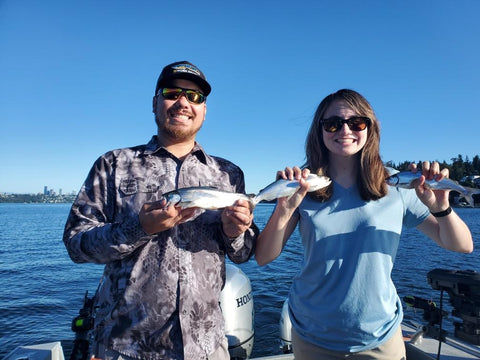
While typical kokanee tackle works at Lake Washington, there are some strategies and tactics that can make your trip more successful. The kokanee fishery has its peculiarities, and it differs year by year, and day by day.
Short leaders seem to be the ticket, no matter what time of year. Mack’s Wiggle Hoochies, Brad’s Cut Plugs, and Mack’s Wedding Rings all work great. I’ve had days where Old Goat spinners and God’s Tooth spoons were all the fish wanted. Don’t forget to use scent, and plenty of it!
Tuna, herring, and anchovy are all tried and true. Leaded line works great early in the season, but as the fish push deeper due to the heat, you’ll likely need to use your downriggers. Pink is the old kokanee standby, and it works well, but color combinations with some contrast can do better on days when the bite is slow. Watermelon, pink and yellow, and orange and purple will all catch fish.
Like any good kokanee fishery, the key to success is having a few colors and scents of cured corn. Maggots will catch fish on some days, but corn seems to be the ticket. Keep in mind that no matter what you use, kokanee have soft mouths and tend to come off the hook, so take your time when playing your fish and have a net ready.
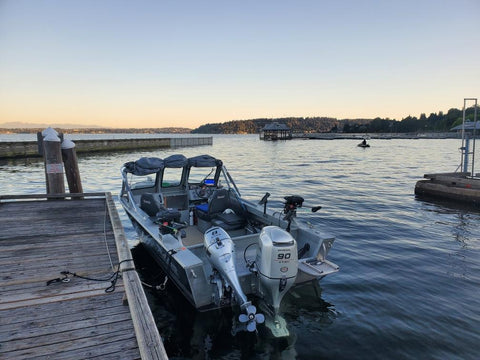
With miles of shoreline on both sides of Lake Washington, it can certainly be an intimidating lake to fish. How do we find the fish in such an enormous lake? The good news is that there are a few reliable spots around the lake where fish tend to congregate.
There are good kokanee spots throughout, so don’t feel like you need to run far from the boat launch. Those launching from Gene Coulon and Pacific Beach on the southern end of the lake tend to fish near the southern tip of Mercer Island. If you launch from Kenmore or the Kirkland Marina, you can fish in the cove near Juanita Beach Park and all alongside the shore near Kirkland.
Look for points and coves, and try to think about where the krill that kokanee feed on would tend to gather. Find those marks, and locate schools. Drop a pin where you get bites, and pay attention to what depth and speed you were fishing at.
Don’t be afraid to change up your speed or depth until you’ve figured out what the fish want that day. Remember to troll slow, and throw some s-turns and circles in!
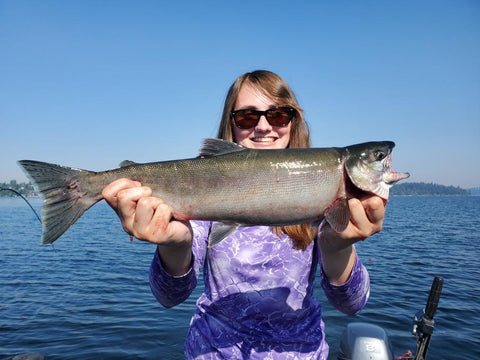
Before you grab your poles and cooler, there are a few things to keep in mind while fishing Lake Washington. If you fish during the late summer or early fall, there is a chance you may hook onto a sockeye salmon. You’ll know when the sockeye are in the lake: they show up as large arches near the bottom.
Unfortunately, the kokanee tend to mix in with the sockeye, particularly in the late season when the water heats up and pushes them closer to the bottom. This creates a problem because sockeye retention is forbidden in the lake, and they do not tend to survive catch and release well.
If your rod slams down and starts peeling drag more than usual, be prepared to net the sockeye and release it as quickly as possible. But how do you tell the difference between a sockeye and a kokanee? After all, a kokanee is just a land-locked sockeye salmon.
Legally, any kokanee over 18 inches is a sockeye and must be released, so keep a measuring tape on your boat! Although there is a fish consumption advisory in Lake Washington for pikeminnow, bass, and cutthroat trout, there are no advisories for kokanee as of this writing.
Bad news for those fishermen who like to fish as many rods as possible; two pole endorsement fishing is also not allowed on Lake Washington. Keep these peculiarities in mind, and you’re sure to have an amazing day reeling in your kokanee limit at Lake Washington!
While it can be hard to find information on how to fish this lake, you can find all the reports made by local anglers by visiting our website at www.northwestfishing.net and clicking on the “latest fishing reports” button. Good luck, and I hope to see you out there!
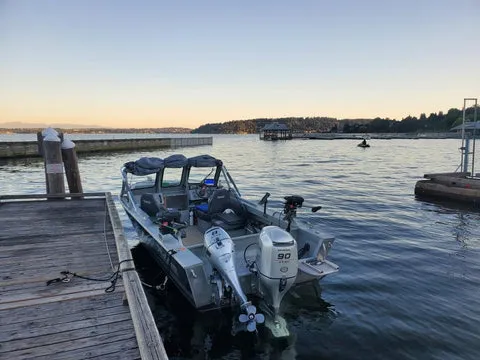
/articles/hunt-lake-washington-kokanee
THE OUTDOORS ROUNDUP
BY JOHN KRUSE
CAPE DISAPPOINTMENT STATE PARK – A CROWN JEWEL
One of the best parks in Washington, a crown jewel amongst all the parks found in this state, is Cape Disappointment State Park. Located where the Columbia River meets the Pacific Ocean near Ilwaco, this expansive 1,882-acre park offers a healthy dose of history, a nautical setting, and abundant opportunities for outdoor recreation.
My wife, daughter, and I reserved a small cabin in the park months ago that sits right next to a small, lily pad lined body of water called O’Neill Lake. In addition to three cabins and several yurts, even lighthouse keeper’s quarters are available for rent. There are also 220 campsites, about a third of them with full or partial hookups for RVs.
There is a lot to see and do here. If you enjoy time at the beach, you can stroll to Waikiki Beach near the park entrance, or walk two-mile-long Benson Beach between the North Jetty and North Head, where a red and white lighthouse stands watch.
Another option is to drive on the beach from Seaview north of the park south to Beard’s Hollow, which offers the chance to explore rocky tidepools full of sea anemones at low tide.
At the beach you’ll see people flying kites, casting for surf perch, beachcombing, and just enjoying the chance to dip their toes into the surf of the Pacific Ocean. Speaking of fishing, early to mid-September offers a very good chance to chance to catch coho salmon in Baker Bay near Ilwaco, around Buoy 10 at the mouth of the Columbia, and even off the North Jetty, where surefooted anglers cast big spinners or drift plug cut herring or anchovies under a slip bobber.
Unfortunately, fisheries managers closed all salmon fishing on the Columbia River on September 2nd due to higher-than-expected catch rates for Chinook salmon in August. This leaves jetty anglers contenting themselves jigging for rockfish and lingcod as summer transitions into fall, though it is possible fishing for coho could reopen this month.
Coho salmon fishing is scheduled to remain open in the ocean through September, but check the emergency regulations before going.
Need something else to do? That would be crabbing. The best crabbing for keeper size Dungeness crab is from a boat in the Pacific near the mouth of the river. Land based crabbers or kayakers catch crab close to the North Jetty in the park. We tossed a crab ring and snares off the boat launch dock at the park, and over the course of three afternoons literally pulled up close to 500 Dungeness crab.
Unfortunately, not one of them was keeper sized. The bio mass of crab was amazing, but they were all small. Hopefully by next year, a lot of these crab in this area will be big enough to keep.
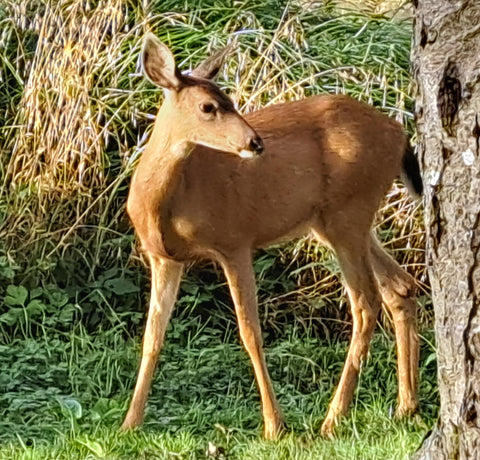
If you like to hike, you’ll be able to enjoy a trail system covering eight miles that will take you to Cape Disappointment, the North Head Lighthouse, and through forests to wetlands and to the beach. Wildlife watchers will be rewarded with the sight of black-tailed deer and raccoons in the park, along with birds like kingfishers and osprey around the freshwater lakes as well.
Meanwhile, there are bald eagles, cormorants, pelicans, and a wide variety of shore birds on the coast off the rocky points and the beach, along with the chance to see seals and the occasional whale.
There is also much to see and learn here from a historical point of view. The Lewis and Clark Expedition reached Cape Disappointment as they completed their initial mission of reaching the Pacific Ocean in November of 1805.
Today, a world-class interpretive center with over 200 exhibits and artifacts can be seen here. The Center is open seven days a week in the summer and has reduced hours the rest of the year.
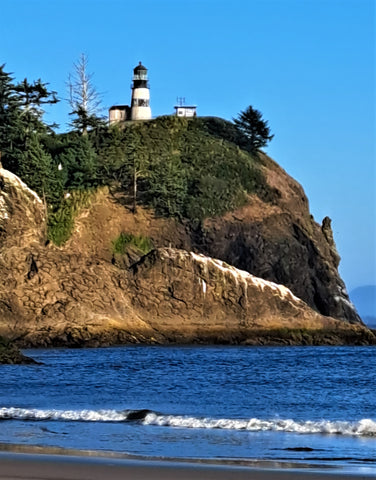
The mouth of the Columbia is difficult to navigate, and the waters around it became known as the Graveyard of the Pacific. To help ships safely enter the river, Cape Disappointment Lighthouse was built and became active in 1856. Aaron Webster, the head Interpretive Ranger at the State Park, was asked why a second lighthouse was built just two miles north.
Webster explained that initially, most shipping came from the south and San Francisco, and the light at Cape Disappointment worked fine. When rail lines reached Tacoma to the north, shipping began to come to the mouth of the Columbia that way, and they could not see the light of Cape Disappointment.
That’s why the North Head Lighthouse was built, which became operational in 1898. Today, tours are available at the North Head Lighthouse during the summer months.
This was also a military installation. Aaron Webster explained that this fort, along with Fort Stevens on the south side of the Columbia River mouth, were built during the Civil War because of a Confederate shipping presence in the Pacific Ocean.
The forts received state of the art coastal artillery pieces towards the end of the 19th Century and received more troops and artillery, along with radar stations, search lights and mines, in World War II. That’s when the threat was the Imperial Japanese Navy, which did have a submarine shell nearby Fort Stevens in 1942.
After the war, the fort was deactivated and Fort Canby was turned over to the Washington State Parks Commission. Today, you can walk among some of the WWII fortifications, which are located next to the Lewis & Clark Interpretive Center. You can find out more about this amazing destination and the North Head Lighthouse
At https://parks.wa.gov/486/Cape-Disappointment and http://northheadlighthouse.com.
John Kruse – www.northwesternoutdoors.com and www.americaoutdoorsradio.com
/articles/outdoors-roundup-1
The Trip of a Lifetime
By Mike Carey
Over the loud throb of the single engine, our bush plane made its steady, if slow, journey over the Alaskan tundra. Several hundred feet below, the landscape was sparse and untouched by human hands. Between the marshes and brushy hillsides, I could see game trails crisscrossing the tundra. Straining to see an elk or moose, or maybe some bear, I imagined being dropped into this wilderness which looked so barren from above.
Suddenly, a river came into view ahead, long and meandering, cutting a path through the wild Alaska landscape. Rising up from the wilderness was our destination, Alaska Trophy Adventures Lodge. Our pilot lined us up with the dirt runaway and the land rushed ever closer. Wheels touching, bouncing the plane back and forth, our pilot throttled back and taxied the plane from the end of the runway back to the lodge.
Welcome to Alaska!
We were greeted by Wayne McGee, the owner of ATA, and his son Tyler. Surveying the land before me, I took in the rustic lodge and various buildings, tents, and at the river’s edge, a lineup of fishing boats tied up to a dock, seemingly ready and begging to be taken for a ride down the wild and free river.
The Alagnak River, a designated scenic river, and ATA Lodge lie within the Katmai National Park. The Lodge itself is on 160 acres of prime river frontage in an iconic section of the Alagnak River known as the upper braids, and can only be reached by plane.
Our group included me, Rob and Hillary Holman, and Mack’s Lure’s Britton Ransford. We had been waiting a long time for this adventure, as the previous year’s trip was canceled due to Covid. But the masks were off now, and Alaska was once again welcoming guests to enjoy this vast wilderness.
The Alagnak is a wild river, flowing steadily from inland through vast woods and tundra, finally emptying into Bristol Bay. Hosting five species of salmon and several species of trout, the river is a teeming habitat untouched by human hands. Anglers travel around the world to experience its beauty and incredible fishing, not to mention the amazing wildlife which includes moose and an impressive display of bears, which were our constant (if distant) companions for our six day stay.
Settling into our quarters, we took in the vast view from our chalet looking back toward the lodge and guest cabins, Below, I noticed a couple anglers working the waters along the shoreline. I wasted no time donning my waders and gear and walking down the short trail to the water’s edge. For the next hour I brushed off the cobwebs on my fly-casting skills and worked some productive seams in front of the lodge dock. I watched as fellow anglers landed several pinks, but it was not yet my time to hook into my first Alagnak salmon.
With the dinner bell ringing, we headed back to the lodge for a warm welcome from Wayne and the crew. Introductions around the dining room revealed this week’s group of twenty or so anglers, having come from around America and even from Germany and Ireland. Truly an international clientele. Our dinner was elegant and delicious, the main course a fine pork chop as moist and flavorful as any I’d ever had.
After dessert, Wayne greeted the group and provided a view of the coming week’s adventures. Introducing everyone from the guides to the lodge staff, the feeling of a close family was obvious. Topping off the evening with a glass of fine wine, we returned satiated to our chalet. The morning would come soon enough, and it was time to light a fire, play some cribbage, and get a good night’s sleep for the coming day’s fishing adventure.
Fly fishing for salmon and trout is what the ATA experience is all about.
While fishing the river does not exclude hardware (and we did have great success one day twitching Mack’s Lure jigs) the appeal of fishing the Alagnak River is without a doubt fly fishing. The lodge has all the quality gear that you would expect, but many anglers choose to bring their own favorite rods and reels.
I brought a rod and reel of my own, which I soon discovered from our guide, Tyler, was not set up quite right for the large streamer flies we would be using. After a few adjustments my set up allowed me to cast much better, and by the end of the trip I was making my casts longer and straighter than I could ever have imagined.
The guides at ATA are pros and excellent fly casting instructors as well. Hillary, new to casting flies, by the end of the trip was excited by how much she had learned. Don’t think that if you have no fly-casting experience this adventure isn’t for you. Indeed, many of our fish were caught close to shore and didn’t require long distance or accuracy. The river is bountiful and there is no lack of willing finned friends waiting to tug your line.
Fish On
My streamer came to a dead stop as I was stripping line in, and the head shake of a powerful fish caused my rod to strain and bend over in a solid arch. The fish broke the surface in front of me, a chrome-bright coho fresh from the ocean. Taking strong, line peeling runs, the fish began to tire and I eased her into Tyler’s waiting net.
After admiring her chrome colors and fresh sea lice, she was sufficiently revived and darted off on her mission. Anglers do bring fish back from the Alagnak, but Wayne and the guides encourage only keeping the bucks and releasing the hens to procreate.
It’s a policy that the anglers that come to ATA are in agreement with as the Alaska experience we are here for is not bringing home coolers full of fish, but rather days full of memories. The Alaska wilderness experience is what ATA is all about.
Each day we fished we got to try a different species to target. One day it would be salmon, working the numerous seams and back eddies for coho, chums, and pinks, the next day taking the long, scenic forty mile run to tide water to battle chrome coho, another day bead fishing for artic grayling, char, and leopard rainbow trout. The rainbows grow large from the abundance of feed and follow the spawning salmon, feasting on eggs.
Earlier in the season, anglers can target powerful chinook salmon and massive runs of sockeye that thrill with acrobatic leaps, challenging even the most experienced angler.
The ATA lodge
The ATA lodge is situated deep in bear country. Every day we saw large brown bears walking the shoreline, feeding on the salmon. Mother bears and cubs were a common sight. Wayne informed us that in twenty-five years of service they have not had a bear incident.
The guides have a strong understanding and respect for bears and safety is always the number one priority. I never had much worry about the bears. It was awesome to look down on sandy shorelines and see the large tracks of these majestic creatures interspersed with anglers’ footsteps.
For a change of pace one day, Britton and I decided to do a hike in with our guide Tyler to a local lake that holds northern pike. Having never caught a pike on a fly I was very excited! We ran about thirty minutes by river, secured the boat, and began our one-mile hike to the lake. The Alaska tundra is a unique habitat, with open fields interspersed by woods and tall brush.
Periodically calling out “here bear”, we were sure to make plenty of noise to alert any bear in the area of our presence. The tundra is soft and giving, much like walking on a mat of foam. Our every step we would sink six inches into the turf, making the one-mile hike feel like three.
It was a workout which I enjoyed, although when we reached the lake, I was very grateful for the break! Sad to say, on this day the pike were not cooperating, although I did get a small one and had a nice strike from a larger fish. It’s an adventure I’d definitely try again!
As most things do, our Dream Adventure came to an end much too quickly. The last evening, we shared our group meal with new friends and recapped the week that was. The smiles and laughter around the room were a clear indication of what a magical place we had the good fortune to enjoy.
We shared our highlights from the week and the common bonds the week’s group of anglers experienced. In the morning we boarded our bush plane for the quick flight back to King Salmon, then Anchorage, and then home. Watching the lodge recede in the distance, I sensed we all left a part of ourselves back in Alaska, but took a piece home with us as well.
For your trip of a lifetime, learn more Alaska Trophy Adventures at https://www.atalodge.com or call 1-877-801-2289.
/articles/trip-lifetime
Kokanee Lures: Making Your Own
And other ramblings...
Although there are a limitless variety of both the latest, tried and true kokanee lures hanging from the pegs at your local purveyor of tackle, many people choose to hit the water with at least a few home-tied lures. There is nothing wrong with ready tied kokanee lures and depending on the location, many shops will have a section catering to kokanee fishing. Even tackle stores far from a kokanee lake seem to have enough kokanee gear in stock to get you started. Here locally, Holiday Sports in Burlington has an aisle dedicated to kokanee lures, flashers, and lure components. So, with the variety of prepackaged kokanee lures available, why create your own?
I think that the answer is in kokanee fishing overall. Sure, they are a scrappy opponent, taste fantastic, and here in Washington most lakes have a 10 fish bonus limit. But more so, kokanee fishing is a mental game. A successful kokanee fisherman understands both the regional and seasonal adjustments required to consistently put fish in the net. Much of the fishery is spent massaging the grey matter while trying to figure out the trick of the day or even hour. Kokanee are very fickle and when you entice a bite on a lure you tied the whole experience is enhanced.
My personal history of fishing custom lures goes way back. I have always been an avid fly-tier and enjoy making one-offs or attractor flies. In my youth I used a black marker or nail polish to doctor up Oakie-Drifters and Steel-Lee spoons to enhance my steelhead offerings. I spent 20+ years in Southern California chasing anything that swims. I would often put a short notch in the body of small curly tail grubs when fishing for trout in the Sierra’s. The cut would give the tail action a little extra vibration that drove the trout nuts. When fishing the bays and nearshore I would modify my swimbaits with a marker or colored Sharpie. I even bought a mold to cast my own 4 and 5” swimbaits. I poured many crazy colors; I even modified the 5” mold to incorporate a scent chamber where I could squirt a bit of scent into the swimbait. These are just some of the ideas that constantly bubbled from my head on their way to the end of my line. So, why the effort when there is plenty of excellent gear on the market?
It’s that kokanee mental thing, catching a fish on something that you concocted. I think that with kokanee fishing, when you can consistently catch fish on a lure that you developed or modified, it just plain feels good! Hooked yet? How does one get started?
The answer may vary a bit depending on your goal. Do you want to invent the next hot Kokanee fly, design a new spinner blade, or just hobble together some random spinner blade/bead combos? Whatever your goal is, it may be a good idea to ease into your new interest; don’t go out and buy the stuff to make 250 kokanee lures. Start slow; a few spinner blades, beads and spinner clevises. If you’re a fly-tier, you probably already have the basics for any number of kokanee flies. Tying kokanee flies is fun and with some basic skills your imagination is your only limiting factor.
Although I’m fortunate that I have a dedicated tackle workbench that is well stocked with just about everything needed for making lures, it’s not necessary. Your kitchen table, garage workbench, or even your lap while watching a game are perfect for making lures. I also carry a spinner/lure making Plano box on almost every fishing trip. One never knows when you’ll have to make mods or throw together an emergency lure.
A problem I have is that I have kind of settled into a given group of custom spinner/bead combos and a handful of kokanee flies that consistently produce fish. Good or bad, not sure. I enjoy making lures but do I need more kokanee lures? No, probably not, but I’m sure that I’ll hatch a new batch of kokanee lures this year anyway. I may even explore the world of tube flies!
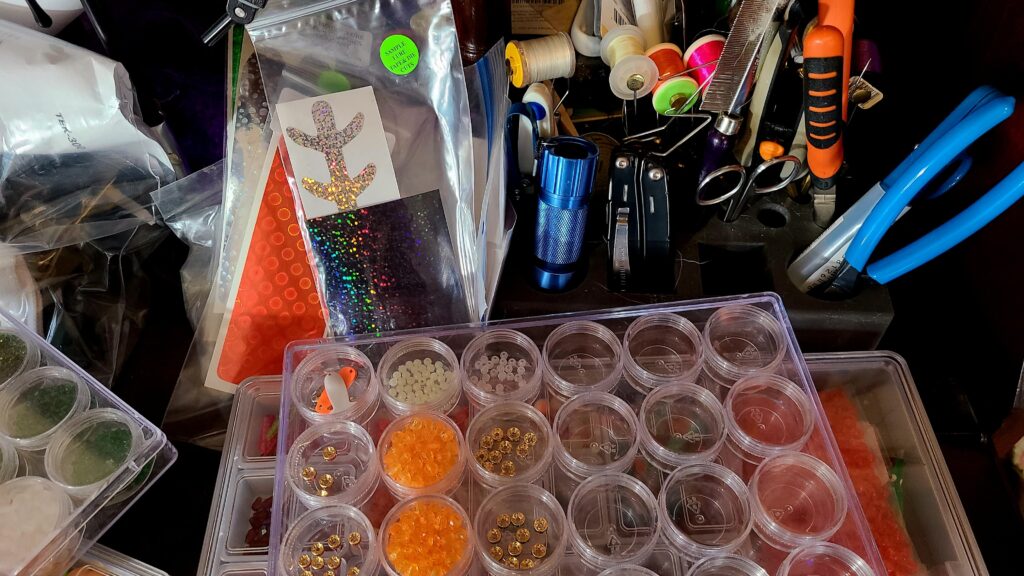
Where do you start? I think that before you spend any money, turn the trusty old trout tackle box upside down, give it a good shake and step back to see what you have. That big ball of old tangled up wedding ring spinners will be gold. Is there a handful of small spoons or old flies? Look in the tackle box and you’ll find an old rusty spoon stuck under one of the shelves. Pry it loose, maybe hit it with a drop or two of penetrating oil, and start dissecting your treasure pile. In the end it is likely that you’ll have quite a collection of small Colorado blades, wedding rings, beads, and a variety of components that may fuel your lure making passion all winter.
You can also purchase the components through one of the many lure making supply websites or your local tackle shop, but be aware that many are either wholesale or cater to the bug-eye crowd. Size 1 and 2 spinner blades are hard to find. If you don’t find any at your local tackle shop, ask if they will make a wholesale purchase and then package in smaller quantities for retail sale. Beads? I think that every fisherperson has wandered down the bead isle at your local hobby store and thought “If I was a fish…” If you are anywhere close to Lacey, Washington pay a visit to Shipwreck Beads, www.shipwreckbeads.com. Believe me, as a tackle crafter you will be blown away!
Now that you have a box full of doohickies to start making kokanee lures with, now what?
Regarding spinner blade clevises, try to find either the small plastic clevises or the spring type. The folded metal ones are great if you are making wire spinners but with manufacturing inconsistencies, they may abrade the light mono or fluorocarbon that you will be using as leader material.
I own a couple different wire benders and have tried to fabricate wire kokanee spinners. Even using a very fine wire gauge, the spinners end up being too heavy and rigid. When making kokanee lures, you want the action of the lure to just sort of flutter or follow the attractor action. Wire spinners tend to just hang there.
Line size? I used to believe a lighter leader line would draw more strikes than a heavier leader. Apparently in the underwater world of kokanee fishing I was WRONG, kokanee are not leader shy. In fact, there are a couple Washington State kokanee fisheries where I start with 20# fluorocarbon leaders and have no shortage of bites. I guess that it is mildly comical. Some days kokanee can be very boat shy, where they won’t bite anything running on less than a 70’ setback. Or crazy stuff; like a boat must be heading east instead of west with Jimmy Buffett, Son of a Sailor on the Bluetooth to get bit, but they have no problem smacking a spinner on an 8” hunk of 20-pound mono. That said, with few exceptions I tie my kokanee leaders on 12-14# fluorocarbon.
Hook size and color are kind of a personal preference. Many of my kokanee lures are tied using size 4 or 6 black octopus style hooks. I typically tie a snelled rig with 2 hooks. With my standard rig the hooks are pretty close together but there are times where I want a trailer or stinger hook in the set up.
Maybe a note about leader length; I tend to have spools of ready to go lures when I’m on a lake hunting kokanee. Typically, they are the correct leader length for that fishery. It is a good idea to have a handful of pre-tied leaders that haven’t been cut to length available. The thought is that you’ll be able to assemble your lure then set leader length as required quickly. An 8-10” is kind of a standard kokanee leader length, but sometimes the fish want something different.
Ok, you have a sizable collection of kokanee leaders, now what? How do you store them without ending up with a large cocoon of fluorocarbon? Speaking of…when I was a child, I used to have a recurring nightmare where I got caught in a spider web and then wrapped up for a later meal. In hindsight, maybe what I thought was a spider web was really kokanee leaders. I need to get organized…
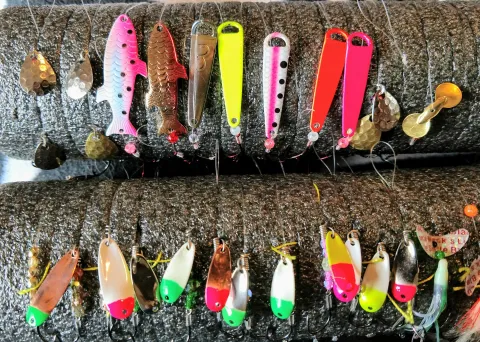
A couple of leader organization concepts are either sealable sandwich or snack bags, or, my favorite, the slotted foam tubes. If using the resealable bags, gently coil your kokanee leader and seal it in the bag. Store the sealed bags in something with a latching lid. With the slotted foam tubes, set the hook in the foam and wrap the leader securing the end in one of the slots. You can store the tubes on a rack, in a 3–5-gallon pail, or a 2-gallon resealable bag. I have found that using an empty 5 gallon to hang your leaders on during the day does wonders for keeping the boat organized as you cycle through set-ups. No point in becoming a fluorocarbon-spider meal, come up with an organizational plan that works for you and your boat.
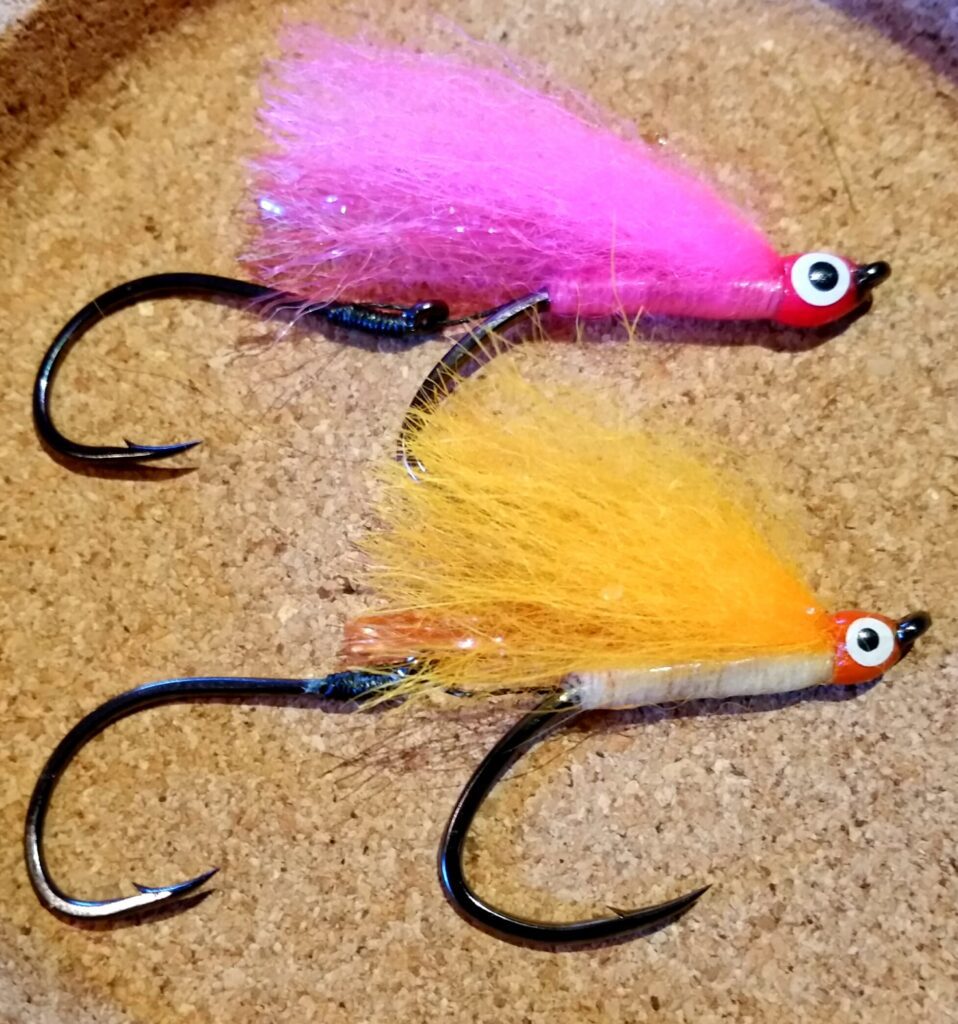
Previously I mentioned that kokanee fishing is a mental game. As prepared as you are in the comfort of your living room, sometimes once on the lake you will need to think out of the box. My lure/spinner box allows me to tweak my presentations. I might add a couple beads and a second spinner blade, make a leader with a fly, then add spinner components. The box has small spin n glo floats, extra beads, various kokanee flies, wedding ring collars, some kokanee bugs, and a few other things to dress up your lure.
Whether you are making spinners, tying flies or concocting something else, much of your kokanee lure making will be done at home. Enjoy the time and let your imagination go wild. Shoot, most small children love making lures, make it a family affair. Finally, lures made during the offseason should be stored in a cool, dark place.
/articles/kokanee-lures-making-your-own
If A River Runs Thru It
By Gary Lewis
If the days spent fishing do not count against our allotted time on this earth, as we have been told, then we should fish more often. Because we spend a lot of our time in towns, we should be fishing in towns. It's more efficient.
When the family wanted to go to Disneyworld, I fished. When we went to Hawaii, I dabbled a line in a king's bathing pool. I have fished off hotel balconies and out the windows of cars all over the country.
There are a lot of great fishing towns in Oregon; Shady Cove, Maupin, and Grass Pants, to name a few. If a river runs through it, it's a fishing town.
Portland is, of course, the ultimate fishing town, with the Willamette running right through it and salmon, sturgeon, shad, and smallmouth on tap. One of the best smallmouth of my life came from under the Sellwood Bridge.
What I like is going to a town and catching fish right out from under the noses of the local anglers. Here are some great fishing opportunities coming up in May and June.
SHAD FISHING AT OREGON CITY
One of the best fisheries in May and June is for shad - on the Umpqua, the Columbia, and the Willamette. American shad were introduced to the American west in 1871 when fish were released in major rivers up and down the Pacific coast. Today, millions of shad return to spawn in the spring. Plankton eaters, our American shad is the biggest of the herring species and averages three to five pounds. They bite and fight with abandon.
One great place to catch them is below the falls on the Willamette at Oregon City.
They take small spoons like Dick Nites and Mack's Lure Sonic Baitfish, and red, yellow, or chartreuse jigs. Fly-rodders can get them on small shad flies and darts. They are a blast to catch.
The action starts in May, right about the time the pink dogwood blooms. A fisherman can have 50-plus fish days in June, and contrary to popular opinion, shad are good to eat. Hint: learn how to debone them. Shad roe is good to eat too. Fast fishing continues through mid-July.
SMALLMOUTH BASS FISHING AT THE DALLES
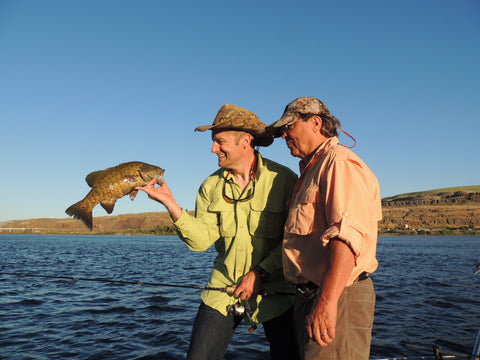
Smallmouth bass will probably spawn a bit later this year, as the waters are running cold with snow melt, but June is always great for smallies. When the water is running fast, they are likely to be in the eddies along the rip-rapped banks of the Columbia, from Mosier up to Boardman and beyond.
There is a lot of bank access in this section of the river. Some of it requires parking off the highway. Backwater fisheries are an overlooked resource with bass and panfish.
When towing a boat to the Columbia for the first time, keep in mind this is big, tricky water with heavy currents. That said, the river is accessible and the best fishing is along the banks next to the riprap and around jetties in softer water.
If the wind is blowing, there are always backwaters, side channels, and turns in the river where an angler can get out of the wind.
Another option is trout fishing. Taylor Lake, right on the edge of city limits of The Dalles, has been stocked three times already this spring.
TROUT FISHING AT JUNCTION CITY
A few miles north of Eugene on old Highway 99, the angler has to start slowing down at the edge of city limits at Junction City. This town with a population of 6,700 people has its own eponymous body of water, the 8-acre Junction City Pond. Stocked and fishable year-round, this pond gets legals, trophies, brood stock, and sometimes surprise surplus steelhead that will rock your world. By the time this issue went to press, JC Pond, as the locals know it, had been blessed with a reported 13,450 legals. That's a lot of fish, folks. It's worth a stop along the highway to soak some bait or cast a fly or spinner this spring.
PIKEMINNOW AT PDX
I caught my first pikeminnow across from the Portland airport. We caught a lot of them in those days, toothy critters that averaged 11 inches and ran up to 17 inches or so.
Northern pikeminnow thrive in the tailwaters below the dams and eat tons of baby salmon and steelhead. And for this, they have a bounty on their heads.
For a true city fishing experience, register at the check-in station early in the morning at M. James Gleason Boat Ramp on Marine Drive, then prowl upriver and downriver for northern pikeminnow - nightcrawlers are a good bait - and take your fish to the check-out station at the end of the day. Click on http://www.pikeminnow.org/ for more information. A fisherman can make $6 a fish these days.
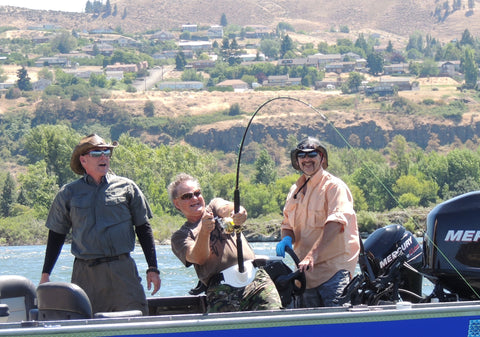
Think about making this one a last stop on a spring fishing swing through western Oregon. It's not a bad way to cover some fuel expenses and do something for salmon and steelhead at the same time.
The days spent fishing don't count against your life, but the miles on the truck do go against my wallet.
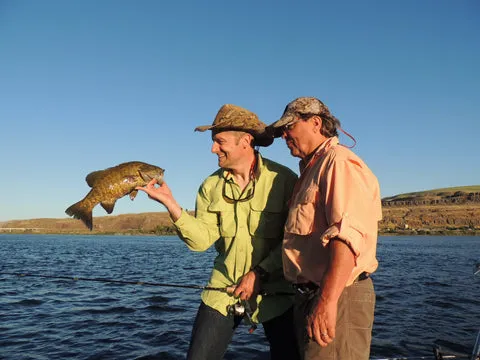
For me, PDX is a 360-mile round trip. According to my calculations, I'll need to catch 11 pikeminnow to break even on the fuel. Once I catch fish number 12, I'm making a profit!
/articles/if-river-runs-thru-it
How to fish for Columbia River Walleye
How to fish for Columbia River Walleye: The Easy Way!
By Kyle Jones
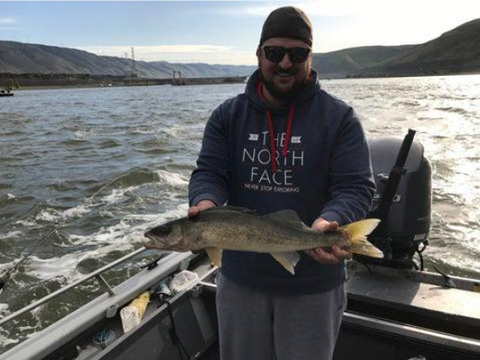
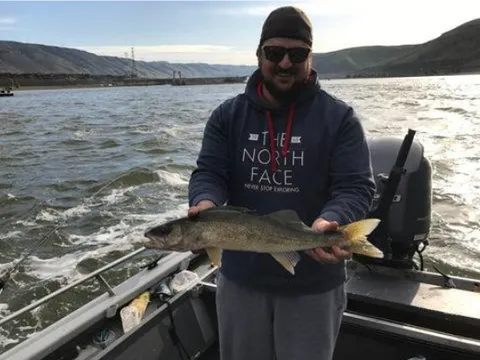
The Columbia River in Washington State and Oregon is one of the premier destination walleye fisheries in the United States. Anglers come from all around to target Walleye in the mighty Columbia River. The Columbia River is known, not only as a possible location for the next World Record Walleye, but also as a great place to catch unbelievable numbers of great eating size fish.
The point of this article is to be a starting point for people looking to take advantage of this great fishery. This is not an end all be all on Columbia River Walleye, just a simple article to get people catching fish fast. Catching good numbers of 14 – 20 inch Walleye on the Columbia River is easy, and with a little knowledge under your belt, you too will be putting lots of these tasty buggers in the boat.
How to Find Columbia River Walleye
It goes without saying that you need to “find fish to catch fish,” and when it comes to a beginner staring at the mighty Columbia River it’s easy to get overwhelmed. Walleye are an ultra-predator and they will always position themselves in the best possible locations to find food. The Columbia River is a literal conveyor belt of food for foraging walleye and positioning yourself in the correct locations can make or break your trip.
During the spring and summer there are millions of out migrating juvenile salmon, steelhead, and shad making the downstream migration to the ocean. Walleye take every advantage of this and position themselves to make the most of these easy meals. During this out migration period there is often a lot of current in the Columbia. Walleye are not particularly strong swimmers and so they gravitate to the slower moving parts of the river. What we do is locate the areas of the river that are moving slower than the main flow and concentrate our efforts there. Large points, islands, inside bends, rip rap, and other natural structures can create these current breaks. Walleye will use these areas to ambush whatever can fit in their mouth.
As a general rule of thumb for most of the areas below dams that we fish in the spring and early summer we are looking for water 20-50 feet deep in areas with very little current, or just out of the main flow, adjacent to shallow water. The adjacent to shallow water is key, as walleye will move up into the shallows to feed on bait fish at night, and like to position themselves close to their nightly food source. By targeting the deep slow moving water near shallow feeding flats we put ourselves on large numbers of feeding walleye during daylight hours.
How to Catch Columbia River Walleye: Easy rigging for immediate success
By far the quickest and easiest way to get into Columbia River walleye is to use bottom bouncers and worm harnesses. This method makes it easy for beginners to not only make and maintain contact with the bottom, but also insure that their gear is in the walleye zone all the time. Columbia River walleye in current are tight to the bottom. These fish live and feed within the bottom foot of the water column so maintaining constant bottom contact is a must

Bottom bouncers (also called Bottom Walkers) come in all sorts of different sizes ranging from as small as a quarter ounce to as large as four ounces. Even larger bottom bouncers are available, but they often need to be ordered from custom manufactures. Generally speaking for almost all the situations we fish during spring and early summer we find that the three and four ounce bottom bouncers to be our go to size. Typically when fishing four anglers the rods near the bow are rigged with four ounces and the rods out the stern are rigged with three ounces.

When it comes to the worm harness the options are unlimited. If you go to a tackle shop that sells walleye gear you will notice the many pre tied rigs from companies such as Mack’s Lure and other in house pre tied gear. All of this stuff works, but for our purpose we like to keep things simple and tie our own. We basically use three different styles of rigs and below we have listed and pictured some of our favorites. We fish all these rigs on leaders lengths of three to four feet.
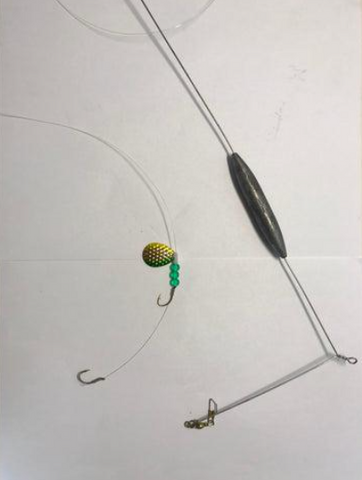
Spinner Blade rigs: These rigs are very simple and consist of a quick change clevis, size 1-4 colorado spinner blade, a few beads, and two #4 octopus style hooks tied four inches apart.
Smile Blade Rigs: This is again a very simple rig and consists of a size .8, 1.1, or 1.5 smile blade, a few beads, and the same two #4 octopus hooks tied four inches apart.
Corky Rig: This is by far the most simple rig we fish and seems to produce the best as the water starts to warm in late spring through early summer. It is simply one size #10 corky slid down the line on top of the two #4 octopus hooks.
How to catch Columbia River Walleye: Presentation
In general my favorite way to present a bottom bouncer and worm harness is to “troll” them down stream with the current. I put the quotations on the word troll because this is trolling in a very loose sense of the term. What we are actually doing is moving just fast enough to maintain the ability to steer the boat downstream. Enough emphasis cannot be placed on the need to go slow! When using bottom bouncers in this scenario I am often in and out of forward and neutral on my kicker motor and will often times spend a lot of the drift in neutral. Remember that you are already fishing in current that is pushing you downstream, so think of this more as a controlled drift.
The key to this presentation is to keep your gear on the bottom. The best way to do this is to fish with the rod in your hand. We see a lot of guys act like they are fishing for salmon and let their bottom bouncer and worm harness out, then let the rod rot in a rod holder. Don’t be that guy! This is active fishing and when you hold the rod in your hand you can make sure that you are always very near the bottom. When starting your troll slowly let out your gear so that it doesn’t get tangled, by slowly dropping your tackle you will ensure that you are actually fishing. Feel for the arm of the bottom bouncer to touch bottom, once you feel it bump bottom put your thumb on the spool and quit letting out line. Now you are fishing. To make sure you stay in the strike zone you need to actively fish your rod. At this point I start to lift the rod tip a few inches, I am intentionally trying to lift the arm of the bouncer off the bottom, and then drop my rod toward the water. If you do not feel it touch bottom you need to feed more line. You should be able to maintain contact with the bottom with every small lift and drop. I almost always fish the run with my thumb on the spool and prepared to feed more line. If you begin to feel the bouncer dredging bottom you need to reel in a few feet, remember that you just want the arm of the bouncer hitting bottom, as this will make sure your gear is at the correct level and minimize the inevitable hang ups on the bottom.
The second thing that the short lift and drop of the rod will help with is detecting bites. The bite from even a very large walleye is very subtle with this method. If at any time, while doing your lift and drop for the bottom you feel any extra weight or pressure on the rig you are getting a bite. When I feel the added pressure on my lift I continue a nice steady lift through the weight. There is no need for a hard hook set. You will miss fish if you try to give a big rip. Simply just lift through the weight and start reeling in your fish. Often times these fish are just barely hooked so bring them in nice and slow and have the net ready!
How to Catch Columbia river Walleye: Rods and Reel For Bottom Bouncing
The ideal rod and reel for this method of fishing can be debated for decades, but the bottom line is that it needs to be able to handle 3-4 ounce bottom bouncers, while still having a soft tip to detect the subtle take of a walleye.
Our favorite rod for bottom bouncing is a Gloomis E6X 7’1” 8-17 pound line rating in a medium heavy power. The model number is E6X 853C WBBR. While this rod is designed specifically for this use we also have used and really like an 8’6” 8-17 line rated medium heavy steelhead casting rod. This line rating seems to handle the weight of the rig nicely, but still lets you feel the subtle take.
For a reel we like a quality low profile casting reel such as the Shimano Curado. The reason we like a casting reel in this situation is that we are always adjusting how much line we have out and the ability to release line so easily and maintain feel of the bottom is much easier with the casting reel. We spool the reel with 30# power pro in either the high vis yellow or the low vis green. This is just personal preference here so go with the one you like.
In closing I hope that this article is of help to anyone who is trying to get into the wonderful walleye fishing the Columbia River has to offer. We love seeing new walleye anglers and if you decide to get a crash lesson on walleye fishing with us we will be happy to show you just how we do it and get you started off on the right foot. If you want more information on the walleye fishing trips we offer or to book a trip with us click here .
I just wanted to end on a small note of conservation. Even though these fish are not native to the Columbia River we want this exciting fishery to continue well into the future. I encourage anyone targeting walleye to please release the larger 25 plus inch fish. These larger fish are our brood stock, and their survival is key to having this fishery forever. The smaller fish are absolutely fantastic to eat and with the ability to catch them by the bucket load there is no real need to kill the larger fish.
Jones Sport Fishing is owned and operated by Kyle and Dani Jones. Kyle’s passion for the outdoors has driven him to commit to making his living as a professional fishing guide. Kyle prides himself in his commitment to make sure that your fishing trip meets and exceeds expectations, and is dedicated to serving his clients. You can follow Kyle on Northwest Fishing Reports and his web site JonesSportfishing.com
*This article was originally published March 2018.
/articles/how-fish-columbia-river-walleye
Telling the Truth about Surplus Steelhead
"Recycled" ocean-going rainbows breathe big fish bounty into Oregon's small lakes and ponds.
I didn't want to tell a lie in front of the pastor. But I had a ten-pound hatchery steelhead and I didn't feel like blabbing to this guy about where it came from. My pastor wanted to go steelhead fishing and we picked a Monday morning. To get to one of my favorite pieces of river, I had to walk past a trout lake. This lake was stocked a half a dozen times in spring and summer, and sometimes ODFW would put surplus summer-runs in it.
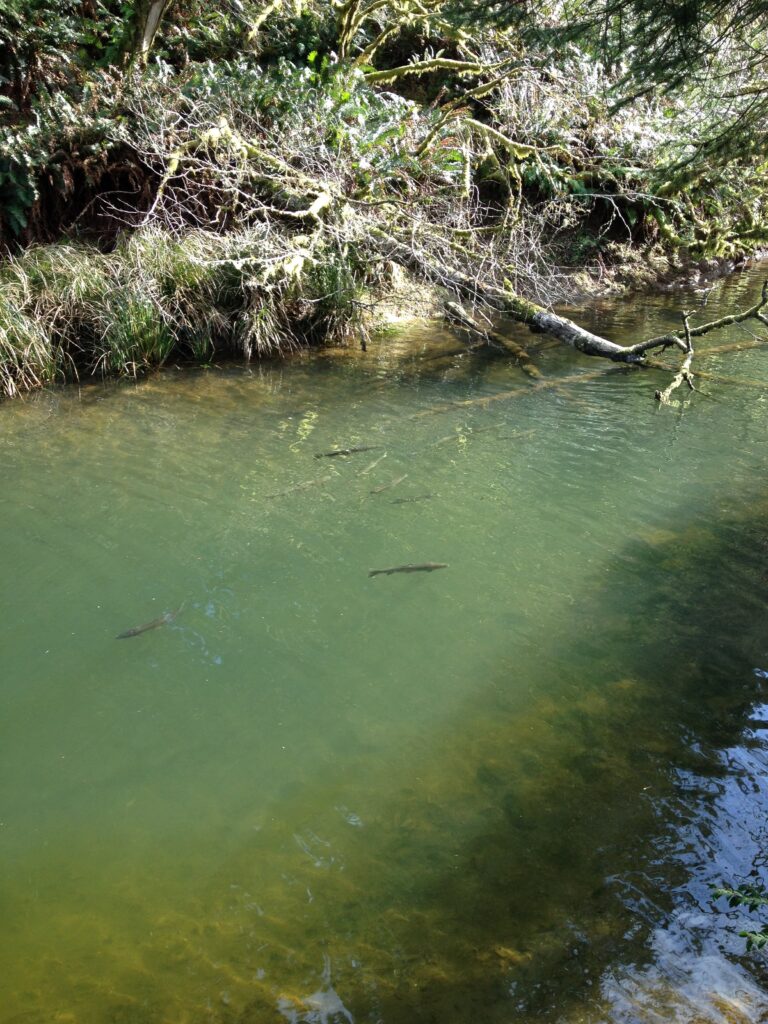
Coming back from the river, I carried my ten-pound spinner-caught prize past the end of the lake. At that moment, a fisherman, spinning rod and worm carton in hand, appeared in our path.
"That's a huge trout," the angler gaped. "Did you get THAT in the lake?"
"Yep." Bald-faced lie.
"Where did you catch it?"
"Right there at the end of the lake," I said. Bald-faced lie Number Two.
We walked on, the pastor and I, and after a suitable space had been put between us and the fisherman, he said, "I guess sometimes you have to lie." Truth.
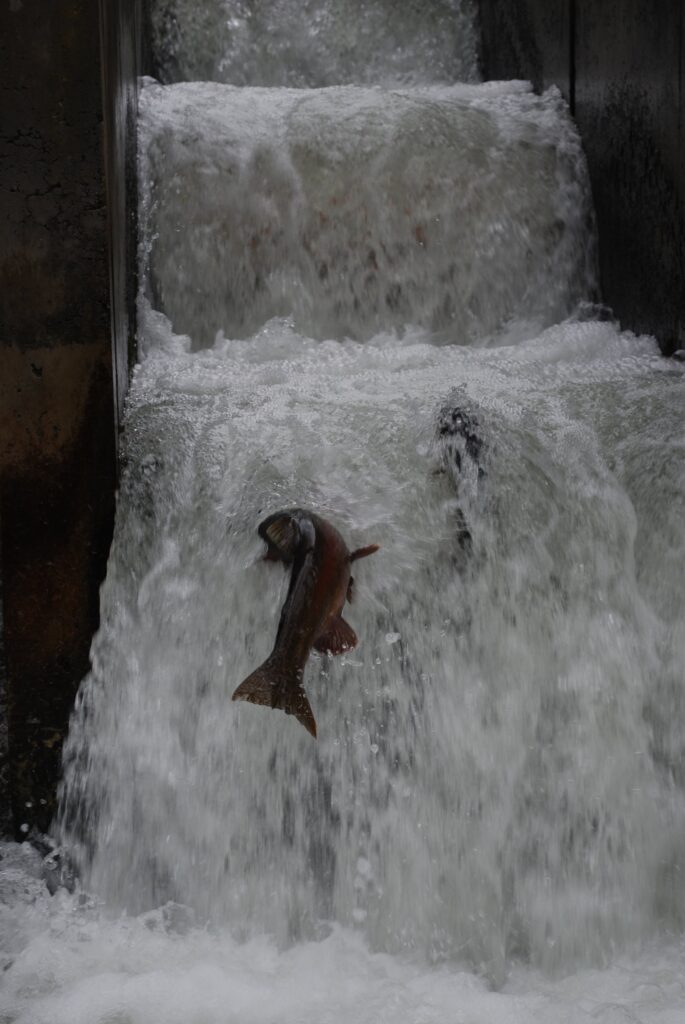
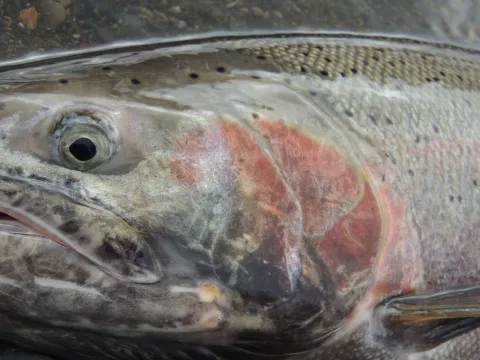
In fact, I could have caught that steelhead in the lake because that lake was, and still is, one of the spots where the Oregon Department of Fish and Wildlife deposits surplus fish they don't need for spawning purposes. On any given day, a trout fisherman with a jar bait or a worm could luck into a steelhead. Wherever fish and wildlife agencies artificially spawn steelhead, there is likely to be a surplus of sea-run rainbows. And when that happens, the fish have to go somewhere.
In some cases, steelhead are picked up and trucked back downriver for another trip past the fishermen. Another option are local food banks. Sometimes surplus fish end up going into a big hole in the ground to feed the worms. The highest use might be to give anglers one more chance. That's why ocean-going steelhead (and sometimes salmon) end up in lakes and ponds.
WHERE & WHEN
Decisions on whether or not to stock lakes and ponds are based on the numbers of fish and the run timing. Most of the summer steelhead in the surplus program on the North Coast come out of the Cedar Creek Hatchery. In most cases, the steelhead at the end of the line is likely to be a buck. The policy on the north coast is for female steelhead to be stripped of eggs, then put back into the river, while the males are separated to spend the rest of their days in a lake.
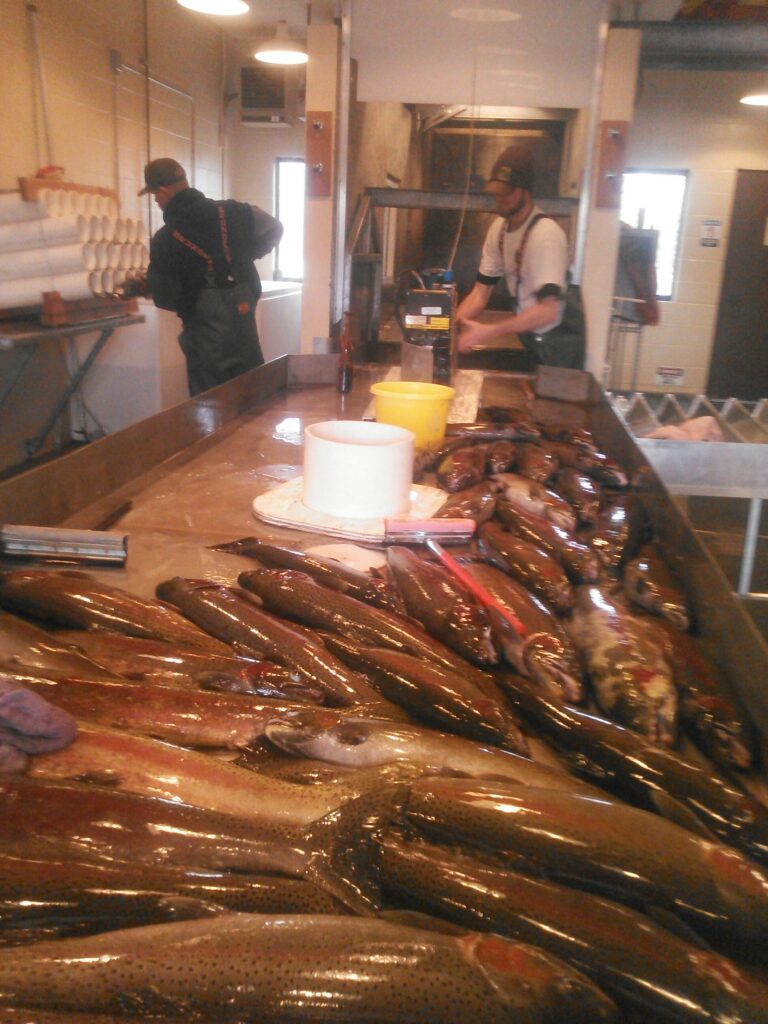
On the Oregon Coast, the Cedar Creek Hatchery at Hebo raises fish that end up in the Nestucca and nearby streams. Both summer-run and winter fish can end up in the recycling program, but summer fish, when they are stocked in a lake, usually hit the water in November, while winter-runs might be available in February and later. In any case, the steelhead don't seem to last in the lakes past mid-summer.
- Coffenbury Lake, near Astoria, is one of the beneficiaries when there are surplus steelhead in nearby hatcheries.
- Town Lake, near Pacific City, is one of the first to be stocked with steelhead when there is a surplus (summers or winters) from the Cedar Creek and Nehalem hatcheries. Vernonia Pond, Lost Lake (in the Nehalem drainage), Lake Lytle, and Sunset Lake are also stocked with steelhead.
- Cape Meares Lake, north of Tillamook, and Loren's Pond, east of Tillamook, are the other candidates for stocking if there are enough fish to go around.
- On the mid-coast, 120-acre Olalla Reservoir occasionally gets steelhead when there is an excess in the Siletz River trap.
- South along the coast, inside the city limits of Port Orford, an angler can sit on the shores of Garrison Lake and have a pretty good chance at tangling with a big steelhead at the right time of year.
- Middle Empire Lake in Coos County is another place where surplus steelies are deposited in late winter.
- In the Willamette region, Faraday Lake, east of Estacada, is one of the first waters to get steelhead if there are too many for the hatchery to handle. Walling Pond in Salem and Junction City Pond are also on the surplus stocking schedule.
- In Eastern Oregon, surplus fish from the Big Canyon hatchery often end up in Roulet Pond near Elgin and also in Weaver Pond (a.k.a. Wallowa Wildlife Pond). Surplus steelhead that return back to Enterprise are recycled to Marr Pond.
- Peach Pond in Ladd Marsh is another potential steelhead fishery if surplus numbers are high. March and April are the best timing for these eastern Oregon waters.
# # #
Gary Lewis is the host of Frontier Unlimited TV and author of Fishing Central Oregon, Fishing Mount Hood Country, Hunting Oregon and other titles. Contact Gary at www.GaryLewisOutdoors.com
The End
/articles/telling-truth-about-surplus-steelhead
Early Ice Fishing Tactics for Trout
While frigid temperatures and dustings of snow mark the end of the open water fishing season for some, it signals the beginning of another exciting ice fishing season for others.
Previously a sport dominated by anglers in the Midwest and Canada, ice fishing in the inland Pacific Northwest has boomed in recent years thanks to its reputation as a fun winter activity for the entire family, as well as the vast number of accessible lakes in the region.
Northwest lakes offer plenty of hard water game fish opportunities, including yellow perch, walleye, and other schooling fish, but there’s also plenty of trout species ripe for the catching — and these salmonids should be at the top of any ice anglers’ target list. Ice fishing for trout, however, is different than other species, but it can be just as plentiful.
Using the correct gear when ice fishing for trout
While not impossible to use when ice fishing, a typical 6- to 8-foot trout rod is likely to be a nuisance relatively quickly on the ice, as you’ll be sitting on a bucket most of the day. Instead, an affordable, 30- to 36-inch ice fishing rod with light- to medium-action is plenty sufficient for nearly any type of ice fishing adventure.
Spool your spinning reel with 4-pound fluorocarbon line and you’ll be in good shape for anything that bites, but especially trout. If you’re concerned about your line, there’s many fluorocarbon options that are designed for ice fishing that will handle the conditions better, but that’s simply personal preference.
In addition to your rod, reel, and line, you’ll want all the ice fishing staples, including an ice auger, as well as a bucket, a rope, ice scoop, warm, layered clothing, and a sled to tow it all onto the ice with you — or, even better, a snow machine.
Locating trout through the ice in early winter
To catch the fish, you first need to find the fish. On ice, that can be tricky, but trout, including rainbow, cutthroat, and browns, all cold-water species, are predictable in the winter months.
Trout crave cool, highly oxygenated water. Thus, as the lake turns over, they move into cold, shallow water, while panfish, including yellow perch, evacuate the shallows and head into deeper drop-offs. The trout’s migration into shallow water is ideal for ice anglers, as you can target them in flats as shallow as 4- to 8-feet. This is ideal for early season ice fishing, as it’s just short walk from the shoreline, an area that typically features the safest ice on the lake.
Experienced ice anglers will troll during the open water season to scout areas on the lake that will inhabit trout in the winter months. To locate these trout-rich areas, use electronic depth finders to look for areas with large, shallow flats, between 4- and 20-feet, and drop-offs adjacent to weed lines. It’s common for trout to cruise these drop-off edges and seek forage along the weed lines.
Once you’ve settled on a spot to fish for the day, it’s time to start drilling. Trout, though, are easily spooked, therefore moving around and drilling holes throughout the day can be counterproductive. Instead, pre-drill your holes early in the morning. Using your ice auger, begin drilling holes close to shore in 3- to 6-feet of water, drilling into deeper water every 5- to 10-feet until you see weeds. Once you’ve found the weed line, begin pre-drilling holes from the weed line into deeper water in a Z-pattern to cover more ice.
If the lake you’re fishing doesn’t feature many weeds, you’ll instead look for large, flat regions with muddy lake floors. Use the same technique, drilling in a Z-pattern, into deeper water, as later in the day, the trout will become less active and move into these areas, suspending themselves in the middle of the water column chasing small prey.
Selecting the best tackle for targeting trout through the ice
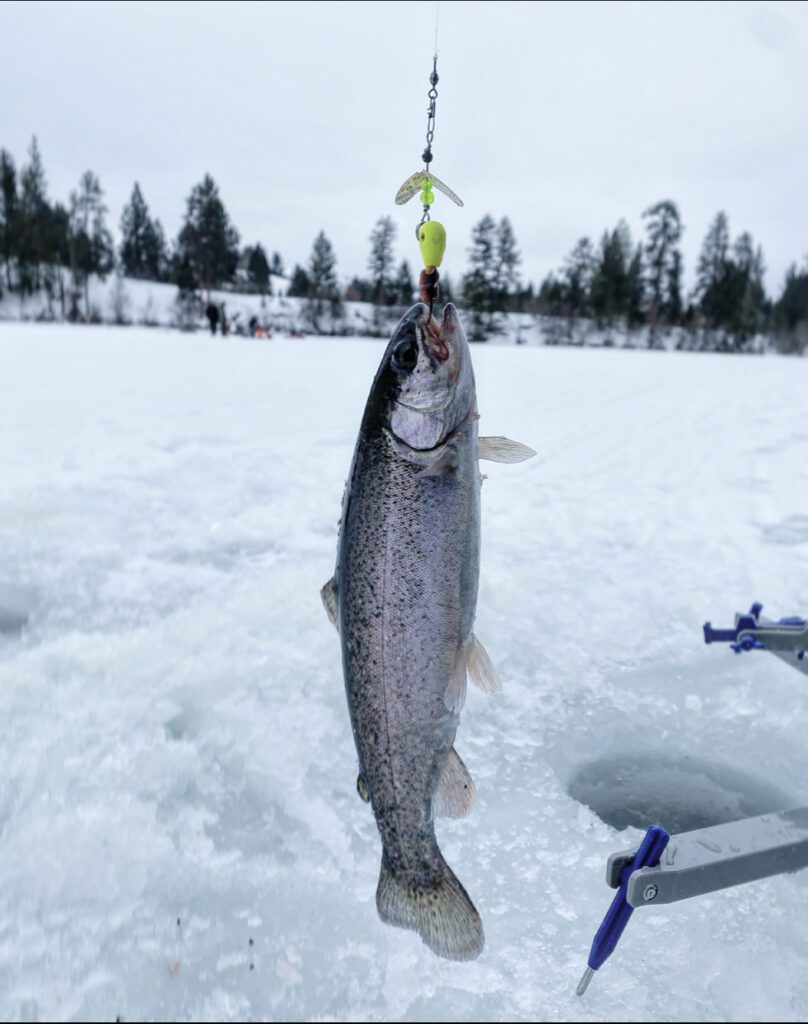
Trout, being the apex predator in most lakes, will cruise the weed lines looking to aggressively find any snack available to them, thus it’s imperative that you have reactionary type baits that emulate a dying baitfish to entice them to bite.
Small spoons, such as the Mack’s Lure Sonic BaitFish (1/16 oz. to 1/6 oz.) and the Mack’s Lure Hum Dinger (1/8 oz.), tipped with artificial pink maggots, meal worms, or corn will do the trick — and don’t be afraid to add scent to the lures and bait as well. When aggressively jigged, these spoons will create flutter and vibration, attracting trout from further distances.
If you’re not having luck with spoons, it likely means the trout aren’t as aggressive. Instead, use the smallest bait possible to reach your target depth. Try a Mack’s Lure Glo Hook (#6), tipped with maggots, corn, or meal worms, and a little split shot to get your presentation to the bottom.
Don’t be afraid to mix up your colors often. Begin with natural colors, including silvers and whites, but be quick to shift to brighter colors, including chartreuses, reds, and oranges if they’re not taking your offering. The trout will tell you what they want, so be versatile in your tackle selection and change often if they’re simply not biting.
Effective jigging techniques for targeting trout through the ice
When fishing closest to the weed line, make sure your presentation is hugging the bottom, typically 8- to 12-inches from the lake floor. Drop to the bottom, then a couple cranks up and you’re in the strike zone.
There’s no jigging cadence that’s tried and true. Really, it’s whatever you feel comfortable with. One thing that is for certain, however, is that your jigging cadence needs to be consistent and in rhythm. If you’re erratic, the trout will have a tough time attacking your presentation — and we’re in the business of making it easier for trout to bite your lure, not harder.
The only exception to rhythmic jigging is, occasionally, dropping your presentation to the bottom to drum up some silt and create a disturbance. Trout, in shallower water, are constantly feeding on prey that burrow in the sand, thus anything out of the ordinary is sure to catch their eye, especially from further distances. Alternatively, on really slow days, you can try dead sticking, just a few inches off the bottom, meaning you’re doing nothing with your presentation (tipped with a worm or bait) except holding it still.
Later in the day, when the trout move deeper, you’re going to follow them, as you’ve already pre-drilled holes in this deeper water. Fish to these suspended trout, at least six feet from the top of the water column, using the same, rhythmic jigging cadence as before.
Practice safety at all times when ice fishing
While ice fishing is a perfect activity for the entire family, it can quickly go badly if you’re not prepared. Use common sense, dress warm and, especially early in the season, always check the ice conditions before venturing out. To do so, drill your first hole, then measure its thickness. Ice 4-inches and thicker is safe for small groups, but be sure to spread out.
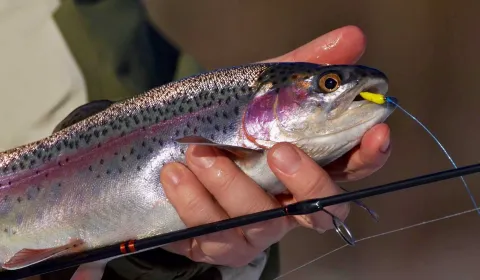
At the end of the day, just being out on the ice with friends and family is a blast. Hooking into some trout on super light gear, however, is the prize. Hopefully, by using the tips here, you’ll be well on your way to a successful ice fishing season targeting trout.
/articles/early-ice-fishing-tactics-trout