Ice Sled Hack to Save Your Back
My fondest memory of my grandfather is visiting his shop and looking at all his woodworking tools. He would show me what they were for and how to use them. Stanley and his wife, Martha, were from the old country, immigrants of Czechoslovakia. I credit my grandfather with my woodworking and tinkering skills. Anytime I use my hands to build something, I think of grandpa.
I can’t take credit for the following hack. I stumbled on it one evening surfing through ice-fishing videos on YouTube. I filed it in the back of my head last year as a project to work on before this year’s ice fishing adventures. As luck would have it, we’ve had a warm stretch here in Great Falls and, combined with a nice ten-day off stretch, I decided to get my act together and make the Ice Sled Ski Hack.
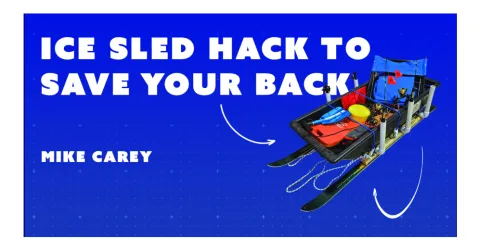
Those of you who ice fish are probably familiar with ice sleds. Piled high with our always-growing essential items, these sleds are designed for transporting your gear across the snow and ice of frozen lakes. Sleds are functional and a must for ice anglers. That said, as “essential” gear grows, anglers (especially we senior citizen anglers) get to deal with heavier sleds. Dragging a sled a few hundred yards can get to be a pain in the back, to be felt hours after the fishing day is done. The Ice Sled Ski Hack makes it easier to pull your sled across snow or ice. It’s an ingenious hack and works exactly like it looks, elevating the sled on two skis, allowing the sled to slide more easily, with less resistance.
This hack is a breeze to build, requiring a minimal number of tools. A saw, a power drill, screws, and a screwdriver will get the job done. There are a variety of designs posted on YouTube, and it’s easy to come up with your own design once you see what others have made.
The most important part of the ice sled ski hack is (of course) the skis. Fortunately, the investment is minimal. There’s no need to go out and buy a new set of snow skis. Instead, pay a visit to your nearest Goodwill, St. Vincent DePaul, or Salvation Army store. There, you’ll find a variety of inexpensive used skis perfect for our purposes. You’ll want to buy downhill skis, not cross-country skis. The reason for this is that downhill skis are shorter, wider, and thicker. You don’t need a long, thin cross-country ski. If you have a smaller sled, find a pair of used kid skis; otherwise, adult skis for a full-size sled are perfect.
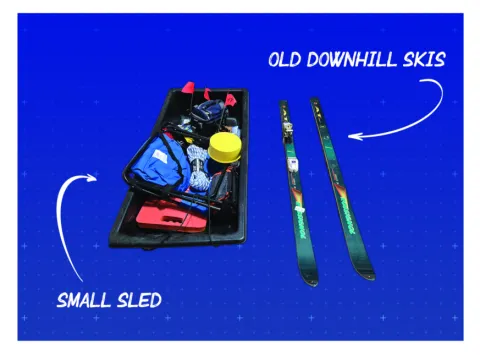
The first thing that needed to be done was the hardest part of this project, for me, removing the ski bindings. The bindings are screwed into the skis, and you’ll have to find what to remove to get access to those screws. Fortunately, between YouTube and an internet search, I was able to figure it out (and you will, too).
With the bindings removed, the next step is to construct a platform on which your sled will rest. I spaced the width of the skis to the width of the sled. Onto each ski I screwed on a four-foot-long 2x3-inch board, which matched up perfectly with the width of my skis. The purpose of the wood is two-fold. First, it gave me a solid structure to build from, and second, it raised the sled up off the snow. The whole point of this hack is to ride the sled on the skis and not have the sled drag on the snow. You may have seen some sleds that come with runners installed already, and while those runners certainly help, the sled is still dragging along the ice. The beauty of the ski hack is that the sled is gliding on the skis. And for those of you who have ever skied, you understand the advantage of this system.
The frame structure that the sled will rest on can be made with a variety of materials and ways. For my project, I decided to use 1 ¼” PVC tubing, lining up three cross-frames, and securing them with plumbing straps, then a couple of screws through the tube into the wood. Be sure to square up the skis so they are parallel, otherwise your ski sled will not track straight. I added two cross beams made of 2x3 wood to strengthen the frame.
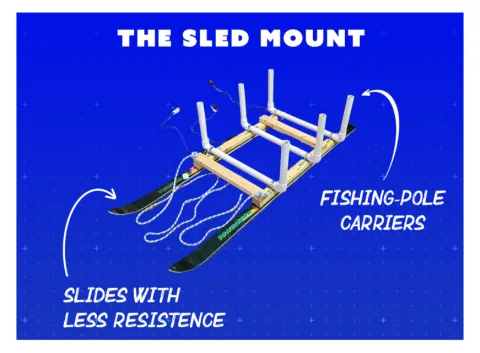
Wrapping up the project, I added 90-degree elbows on the PVC tubes and then 14” vertical tubes for side support and as rod holders. Finally, circular eye bolts on the front and sides of the frame serve as connection points for the tow rope and bungee cords that will hold the sled to the frame.
Project completed, I tested the ski-sled on carpet - December 24th, and we have no snow on the ground here in Great Falls (that won’t last!). The ski-sled slides effortlessly with just a fraction of the effort of pulling the sled without it. Success!
This was a fun and simple hack that will make my life much easier on the ice. If your sled is feeling a bit heavy with all your essential gear, give this setup a try!

/articles/ice-sled-hack-save-your-back
Chasing The Chill: Your Guide to Preparing For An Ice Fishing Adventure
Ice fishing, often described as a serene and rewarding experience, is more than drilling a hole in the ice and waiting for the fish. It's an adventure that combines the thrill of the outdoors with the patience of angling. But to truly enjoy your trip and ensure your safety, preparation is key. Whether you're a seasoned pro or a beginner, this guide will walk you through the essentials of planning and executing the perfect ice fishing outing.
Understanding The Environment and Weather
Before embarking on an ice trip, it is crucial to understand the unique challenges posed by the frozen landscape. Understand the environment you're heading into, and how the weather has been, and will be for the day. You want the area to have sustained a decent string of cold temperature days to put a solid 4 inches of ice before venturing out.
Safety First
The first rule to ice fishing is ensuring the ice is safe, as a minimum of 4” in is recommended for safe walking. Carrying a spud bar early, and late season is non-negotiable, as you can check the thickness while walking out. Local fishing reports, weather conditions, advice from seasoned anglers, and even tackle shops provide valuable insight into ice conditions and safety. Additionally, investing in safety gear like ice cleats for walking, flotation devices, flotation suits, ice picks, and some rope won’t only enhance your mobility on the ice, but also offer crucial protection if the unthinkable happens and you fall through. Extra clothing and a blanket with you are good as well.
Gear Checklist
Ice Rods and Reels
Ice fishing rods are shorter than traditional rods, offering better control in a confined space of a shelter, or standing directly over the hole. Paired with a compact and durable reel, these rods and reels are typically designed for cold weather and built for conditions and the fight of winter fish. (Don't forget the use of Tip Up’s!)
Bait And Tackle
Top lures and prolites for most ice anglers are a spoon, such as a Swedish pimple, or a small 3mm/6mm tungsten jig tipped with a couple of maggots, waxxies, or your favorite plastic. Colors in shiny metallic, or glow are the most proven.
Ice Augers and Drills
You can’t fish without a hole, and creating that hole is impossible without an auger if it's manual, or even powered. Hand augers are plenty for most ice we get, and they're affordable and lightweight. I tend to stray away from the weight of gas and the mess, and instead, run a composite auger on a 20v drill. Please never use chainsaws, and in Washington state keep the hole no bigger than 10 inches.
Ice Shelter
Having a portable pop-up shelter on the ice offers protection from the biting winds and keeps you warm and dry. Some are equipped with insulated materials to hold heat from the heater and sun lights can be installed; they are a nice, cozy add-on when on the ice.
Warm Clothing
Layering is essential for ice fishing. Start with a moisture-wicking base layer, adding insulating layers like fleece, and top it off with wind/waterproof wear. Don't forget thermal socks and good insulated boots, gloves, beanies, and a face covering to retain body heat. I always recommend overdressing, because you can always take it off, but you can't if you don't have it.
Planning Your Trip
Once your gear is ready, it's time to plan the trip. Here are a few tips to ensure a seamless experience.
Research your destination: Selecting the right body of water may determine the bite, its thickness, and species. Maps will be your best resort or just common knowledge of the lake over time. Other options include checking local reports from tackle shops, Facebook pages, state websites, etc. And always make sure to check the regulations for rules and limits!
Monitor The Weather
Harsh winter conditions can change rapidly, so keeping an eye on the forecast is critical to avoid venturing out into the storm, high winds, and extreme cold. Having a blanket in your car and safety gear at all times is a must, and always let family and friends know where you plan on fishing when you leave, and when to expect your return.
Plan Your Route on The Ice
Venturing out on this ice, may it be by foot, snowmobile, or ATV, make sure to know if there are springs on the body of water, stay away from streams and inlets as the moving water makes for weak ice.
Watch for crossing wet or dark patches if possible, and never if you can avoid it, access ice from the docks, as the sun can warm the docks and weaken the ice surrounding it. Always try to access from a shoreline. Don't forget to try and follow the same path back, since you know it was safe prior.
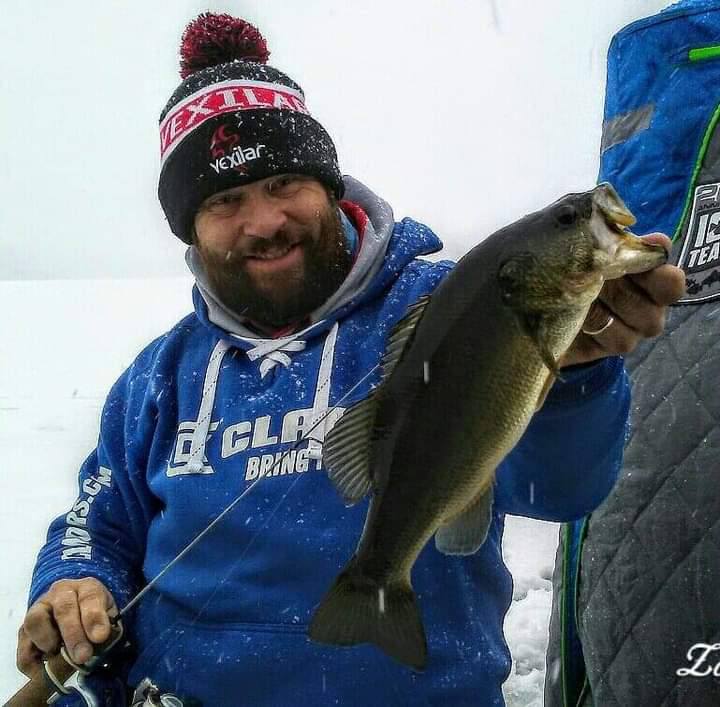
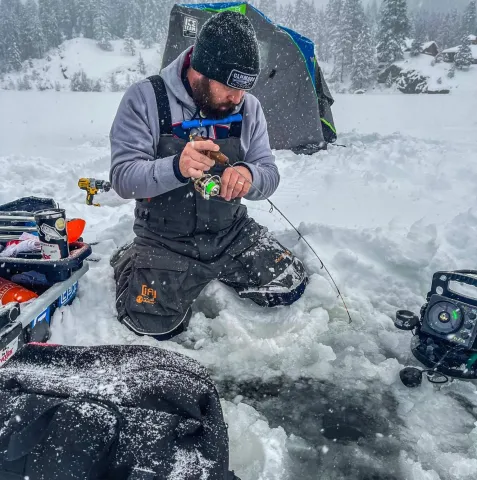
Before we go, just remember fish are active early morning and late afternoon hours so be prepared for long days. With schools of fish always on the move, fish near structures, weed beds, and drop-offs, and drill as many holes as you can to cover more water. This is where a fish finder comes in handy to find these spots quickly. Be as quiet as possible while moving from hole to hole, fish do spook easily as we’ve witnessed on cameras.
Fish behavior will change throughout the day with temps and lighting, so vary the depths of your presentation until you find the most active fish. Again, it's easy to solely focus on fishing and forget about your comfort. Stay warm and appropriately dressed, bring a thermos of something hot, and always carry water and snacks to enjoy a day on the ice all while respecting the environment by disposing of trash and packing out what was packed in. Respect nature, wildlife, and other anglers.
Ice fishing can be more than a hobby, but also a way to connect with nature, test your patience, and enjoy the camaraderie of fellow anglers. Every outing can be a learning experience with unique challenges and rewards. As you sit on the ice, surrounded by the quiet beauty of the frozen landscape, the cold becomes a distant memory. As I always say, “The tug is the drug!” and the joy of reeling in a fish are moments that make the preparation worthwhile.
With this overview, you're ready to tackle the ice, create memories, and perhaps catch the fish of a lifetime. Bundle up, grab your gear, and embrace the chilling adventure that awaits you!
/articles/chasing-chill-your-guide-preparing-ice-fishing-adventure
Bucket List Fishing
What an adventure this whole fishing thing is. Like many things in life, often the journey is more fulfilling, exciting, and memorable than the ending. I shouldn't even say “ending”. Maybe outcome or result are better words. I have no intention of stopping fishing for what quickly became one of my new favorite fish—the latest stamp to be added to my fishing passport.
I’m going to come right out with it, the fish pictures included with this article are not show-stopping, wall-mounting, brag to your buddies type of fish. Some might look at them and wonder if they were even photo-worthy at all. But to those folks, I’d retort with a new phrase that has newly become part of my regular vernacular. A polite way to say be nice, be joyful for others, or perhaps more bluntly, a phrase we all heard as kids, if you don’t have anything nice to say, don’t say anything at all. Don’t yuck someone’s (my) yum. My recent yum, both literally and figuratively as you’ll come to read, centers around catching what became a winter fishing obsession. I am referring to one of the more mysterious fish I’ve come across as an angler, the burbot.
Highly regarded for its taste as poor man's lobster yet criticized for its appearance, I knew I had to catch one, two, as many as I could. They are most active during the winter months and at night, two challenges as we’ve had an unseasonably warm winter and I’m more apt to hit the snooze button and sleep in than drive to a frozen lake and sit outside in the dark or first light of the morning hours. Still, I had to add this fish to my checklist of caught species.
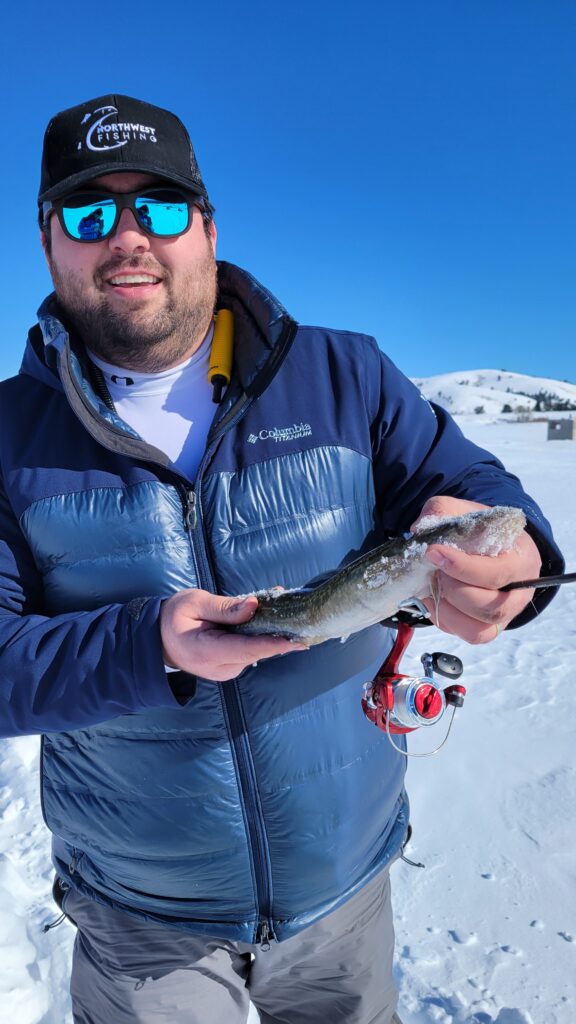
The fish is an oddity with their eel-like appearance, freshwater habitat (the only cod to live in such an environment in North America), and some seeming barriers in place - fishing during the winter, night activity, and competition with other anglers - I was obsessed. I researched online, talked with other anglers, called MT FWP for information from biologists in the field, asked questions when buying gear at local shops, and watched YouTube clips (check out our ProTip video with Craig Dowdy on the website or our YouTube channel on how to filet burbot), anything you could think of to educate myself on how to best catch this fish. Maybe a bit counter to the introductory prose, I’m all for enjoying the experience of fishing and the ambiance of the outdoors, but darn it, I really like catching fish, too. Especially with all the work and background knowledge I had completed. Not catching the fish would’ve been a letdown, surely.
After finding a few reservoirs in my area and properly gearing up, the only thing left to do was hit the ice. A scenic 20-minute drive to my first location yielded no fish. Slightly concerning, but motivating at the same time, another angler told me about some perch and a small ling (another name for the burbot) he released. Good to know, but after a few more evenings on the ice with no fish, it was time to try somewhere new. How about 40 minutes away? I had heard more consistent information about the fish being abundant in this second location but again, coming up sevens at this new spot.
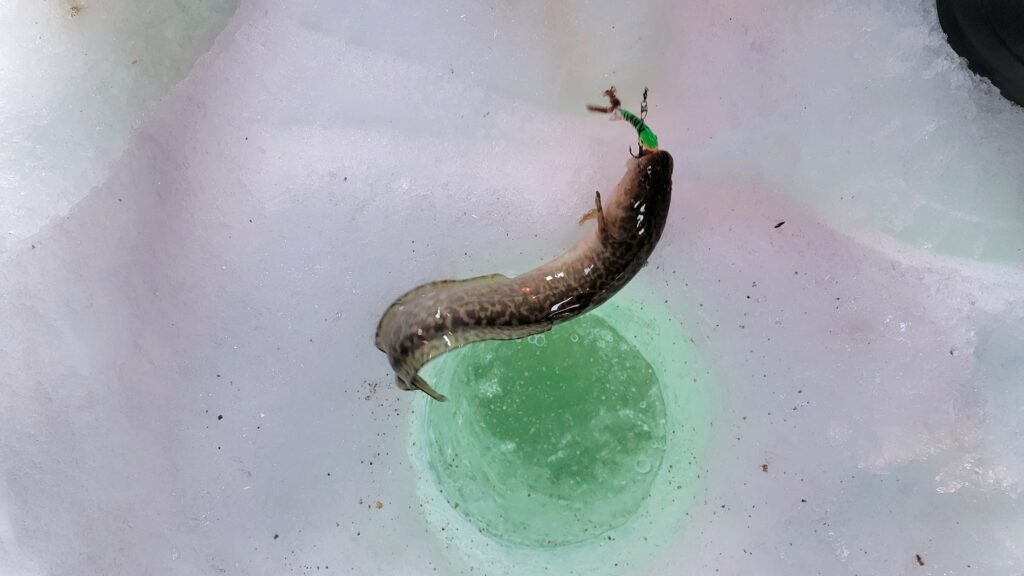
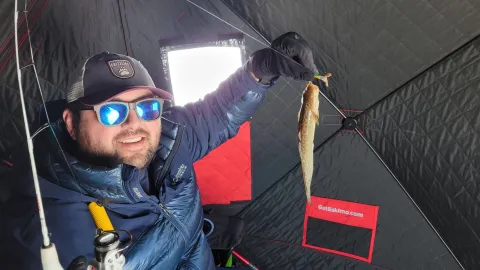
For those without an interest in throwing dice at the craps table like myself, that means I didn't catch anything here either. So, perhaps where I should've started all along, a trip to White Sulphur Springs, MT about 1.5 hrs. away would host my next attempt. As with most fishing, the lulls made for some long hours. Despite the wait, I had the opportunity to hook into my newest fish friends both jigging for them and through a stationary rod, both targeting slightly off the bottom, about 40 feet. I'll never forget the sight of my first burbot as it appeared from the icy blue depths below. Examining this new-to-me fish, it had greenish, yellowish, olive covered spots all along its body. A catfish like appearance with a more than normal amount of fish slime coating the body, which I quickly became acquainted with as it slithered snake-like in my hands. Knowing I had finally caught one had me pumped up! All that was left was to see how it tasted.
As mentioned, they are highly regarded for their table fare. Bringing my catch home, I had done my homework as to how I should prepare my meal. Simplicity is sometimes the answer. Boil a little lemon soda, poach the fish for a few minutes and dip in some garlic butter with lemon on the side. Enjoy, easy. One thing I hadn’t accounted for, sharing with my family. My wife, not as invested in the pursuit of this fish, was fine to try it, compliment me on cooking it and move on with her evening. My kid, 2 years old, however, grabbed this fish by the fistful. So much so that I started getting a little jealous!
I put in the legwork to catch this fish and had built my first meal up in my head and here she is eating it all! Rationing out my portion, I was glad to see my daughter enjoyed the meal, but I was for a moment inclined to respond like the 2-year-old I was interacting with - to say “mine” and grab it all back. They don’t call this fish the poor man’s lobster for nothing I suppose. The white meat is what you’d expect from any similar cod fish, but the firm texture and taste of the fish paired with the garlic butter and lemon certainly lived up to my expectations. The enjoyable meal was the culmination of my burbot experience and a fitting way to affirm my latest fishing craze.
So, now that I’ve caught what was previously a mysterious fish to me, I look forward to another season with refined skills but the same level of excitement I had before encountering the burbot. A note for myself, I’ll have to do some research on some of those other strange fish to be caught…paddlefish, an arctic grayling, pallid sturgeon…all to hopefully be checked off the species bucket list.
/articles/bucket-list-fishing
Choosing The Right Ice Fishing Hut
Ice fishing is a unique and rewarding outdoor activity that requires specialized equipment to make the experience enjoyable. One crucial piece of gear that can significantly enhance your ice-fishing adventure is a shelter. Two popular options on the market are hub shelters and flip-style shelters. In this article, we will go over the reasons why anglers might prefer one over the other, exploring the benefits and considerations that come with each choice.
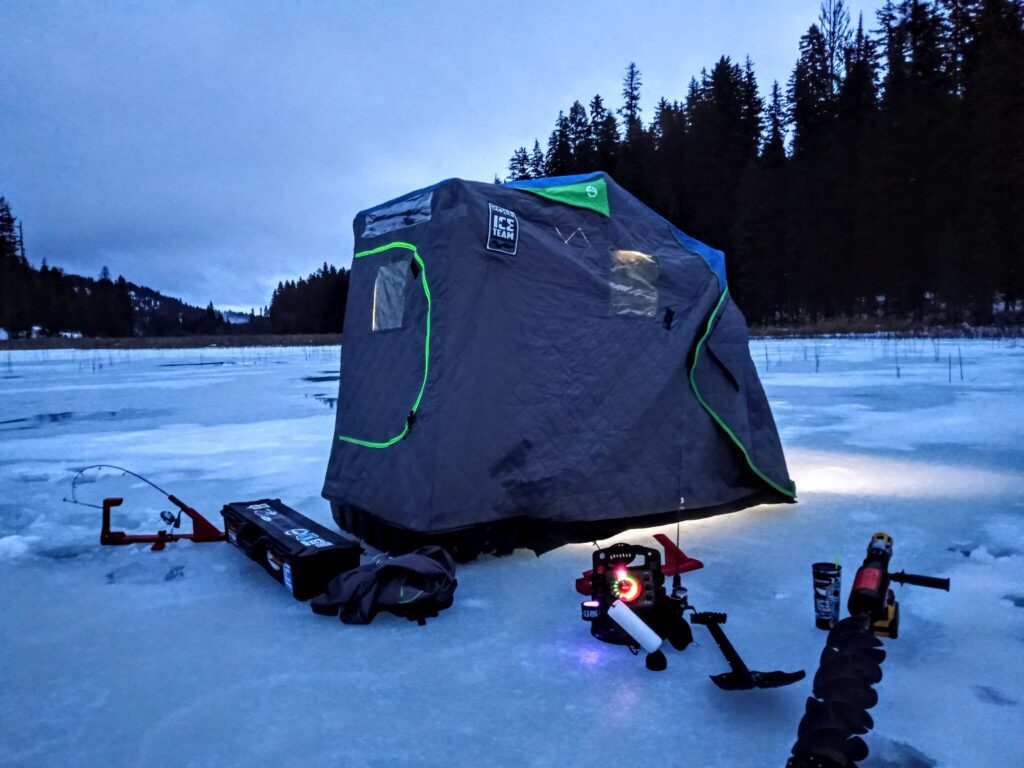
Hub Shelters: The Central Hub Of Comfort And Versatility.
-Spacious Interior: One of the primary advantages of hub shelters lies in their spacious interior. These shelters typically feature a hub on each side, and top, that serves as the support point for multiple poles, creating a roomy and open fishing space. Anglers can enjoy ample room for movement, accommodating multiple people comfortably.
-Quick set up: Hub shelters are known for their quick and super easy setup. With a simple pop-up mechanism, anglers can have their shelter ready in minutes, allowing more time for fishing. This convenience is valuable in extreme and inclement weather conditions when the swift assembly is crucial for staying warm and focused on the catch. The design of hub shelters, with multiple support arms radiating from a center hub, contributes to their stability, especially in windy conditions. With proper support, the stability ensures that the shelter remains firmly anchored to the ice, providing a secure environment for all anglers.
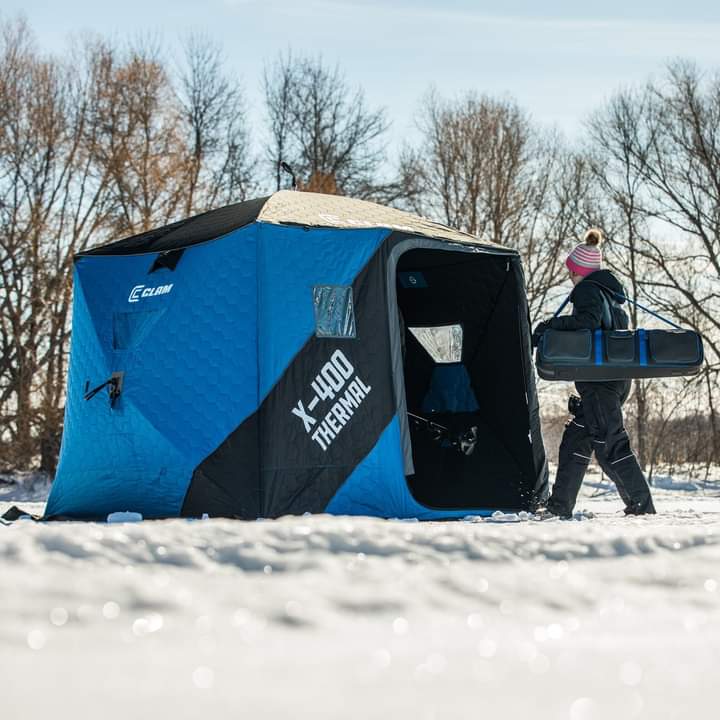
Hub shelters often come with customizable features, allowing the angler to adapt their set-up based on personal preferences and weather conditions or using an overnight setup. From adjustable ventilation options to detachable flooring, these shelters offer a level of customization that enhances the overall ice-fishing experience.
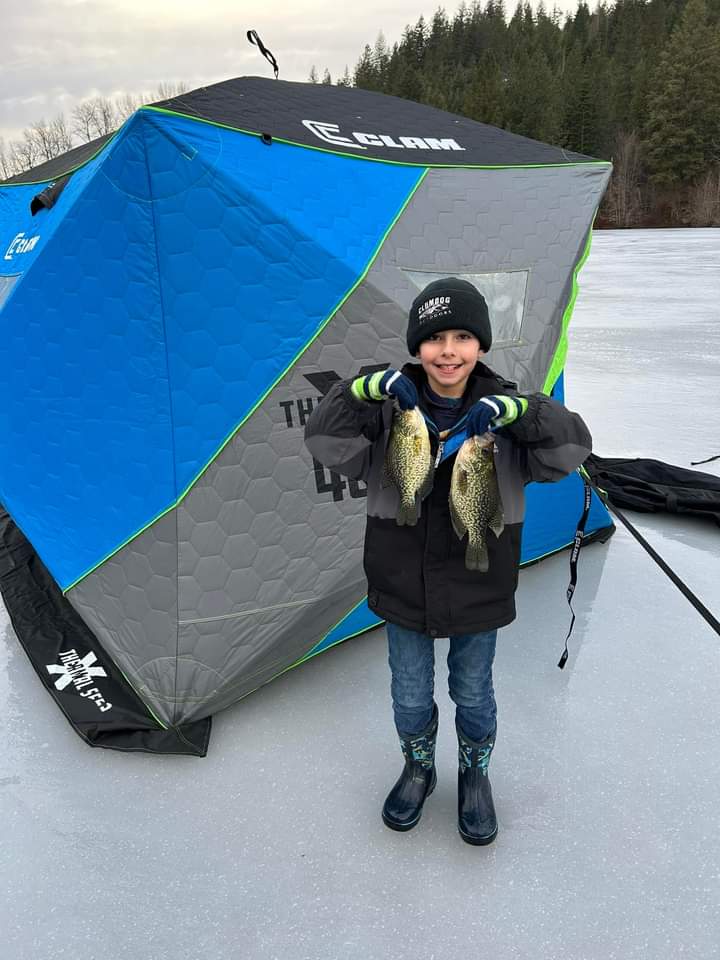
Flip-Style Shacks: Mobility And Quick Strikes.
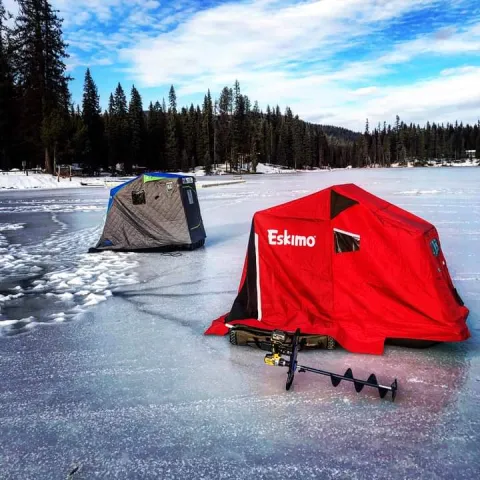
Flip-style shacks are favored for their portability and ease of transport. These shacks typically come in a compact, sled-like design that can be easily towed across the ice. This portability is especially advantageous for anglers who prefer running and gunning from one fishing spot to another quickly.
The flip-styles are equipped with sleds, enhancing their mobility on the ice. This feature allows anglers to tow their shelter to different locations without the need for additional equipment. For ice anglers, the defining feature is the quick setup and take-down process. Anglers can simply flip open the shelter, allowing immediate access to gear and the fishing area. This rapid deployment is ideal for anglers who like to stay on the move, running and gunning to explore various spots, making the flip-style shelter a valuable companion.
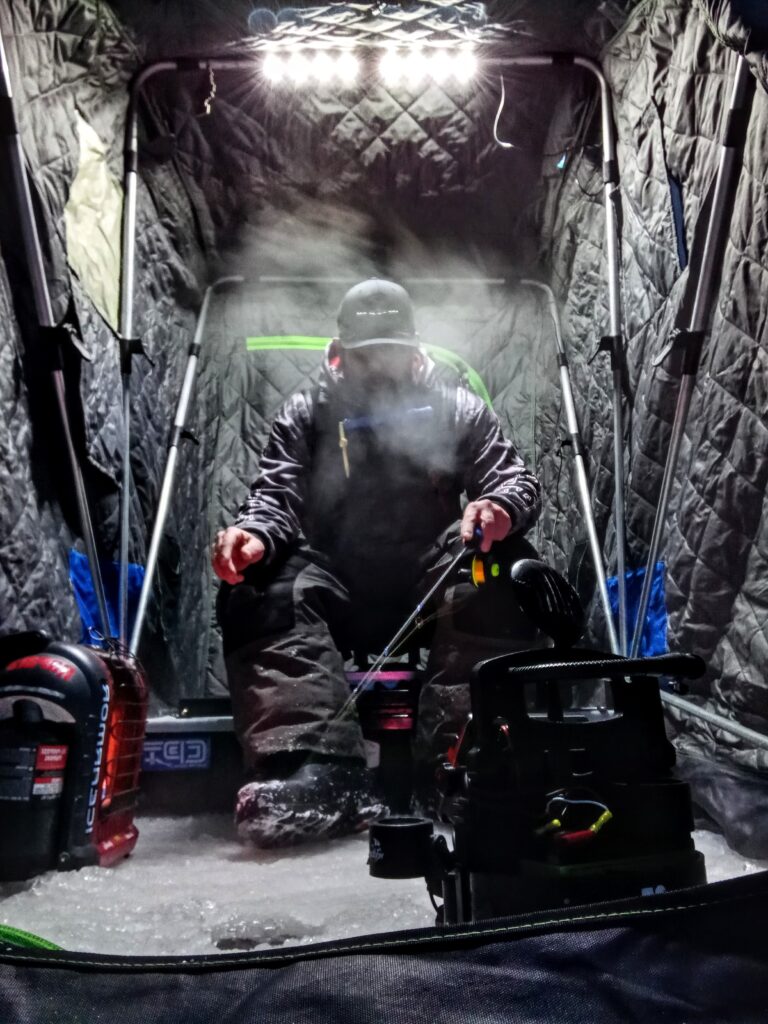
Ultimately, the decision between a hub shelter, and a flip-style shelter depends on individual preferences, fishing style, specific conditions, number of people, etc. Both options offer unique advantages, providing anglers with the flexibility to tailor their ice fishing experience and set up to suit their needs. Whether you choose the central hub for a spacious shelter or the quick mobility of a flip-style, investing in the right ice fishing shelter is a key step towards enhancing your winter fishing and adventures!
/articles/choosing-right-ice-fishing-hut
5 Frozen Treasures
Washington State, known for its stunning landscapes and diverse outdoor activities, offers a unique and thrilling experience for anglers during the winter months, Ice Fishing. As the temperatures drop and the lakes freeze over, enthusiasts from all over gather their gear and head to some of the state's most picturesque frozen waters. In this article, we’ll dive into the icy wonderland of 5 lakes that stand out as prime destinations for ice fishing in Washington: Curlew Lake, Bead Lake, Sacheen Lake, Banks Lake, and Eloika Lake.
Curlew Lake: A Frozen Oasis In The Northeast
Curlew Lake, nestled more in the Northcentral portion of the state, transforms into a winter wonderland, drawing anglers seeking a tranquil ice fishing experience. The lake spans over 900 acres and is surrounded by snow-covered mountains and hills, creating a beautiful backdrop to your frozen adventure.
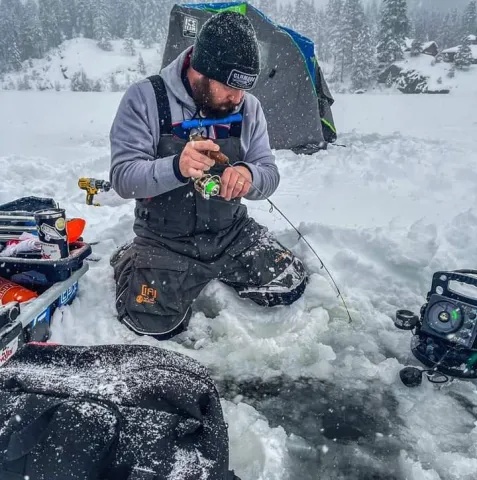
The lake is home to a variety of fish, with Rainbow Trout and Yellow Perch being the most sought-after during the winter months. Anglers often set up shanties or their ice fishing spots right outside the state park patiently waiting for the telltale signs of the fish below, which doesn't take long. The vast mud flat just outside the park holds amazing numbers and is easy to get into. The camaraderie among anglers and the stunning scenery make Curlew Lake a must-visit destination for any Ice Fishing aficionado.
Bead Lake: A Hidden Gem in The North Mts.
Nestled in the North of Spokane Mountains, Bead Lake is a hidden gem that offers a secluded and serene ice fishing experience. The lake, surrounded by dense forests and snow-covered peaks, provides a pristine setting for anglers looking to escape the hustle and bustle of everyday life.
Bead Lake is known for its healthy population of Kokanee, and the popular large lake trout that roams the depths. As large marks appear on your sonar, don't be surprised if it's not a laker, but a monster of a burbot making this lake an enticing destination for those seeking a variety of catches. As you set up your gear on the frozen expanse of Bead Lake, the quietude and natural beauty will transport you to a world of tranquility, making each catch a memorable moment.
Sacheen Lake: Serenity and Splendor In Pend Oreille County
Located in Pend Oreille County, Sacheen Lake offers a charming blend of serenity and splendor during the winter months. Surrounded by evergreen forests and snow-covered hills, the lake becomes a haven for ice-fishing enthusiasts seeking a peaceful escape.
Sacheen Lake is known for its panfish, including perch and crappie, which are abundant and fun to chase. Also, fun to target nice trout under the ice as well, with good chances of catching! Rainbow, Brook, and Tiger Trout provide excellent opportunities for ice anglers to enjoy a variety of catches. As you drill your fishing holes and set up your equipment, take a moment to absorb the quiet tranquility of Sacheen Lake, where the only sounds are the soft crunch of snow beneath your boots and the occasional call of a winter bird.
Banks Lake: A Vast Frozen Playground in Central Washington
For those looking for a more expensive ice fishing experience, Banks Lake in Central Washington is a prime destination. This reservoir spans close to 27,000 acres and is known for its diverse fish population, including Walleye, Rainbow Trout, Burbot, and Whitefish which are the most popular to go after.
Ice fishing on Banks Lake is a social affair at times, with clusters of anglers setting up their shanties in popular spots and many staying overnight. The vast frozen expanse provides ample opportunities for exploration, and to get away from the crowds if needed. As the sun sets over the snow-covered horizon, the frozen lake transforms into a canvas of colors. Banks Lake is not only a haven for anglers, but also a visual spectacle that captivates the senses.
Elokia Lake: An Ice Anglers Original
Nestled in the heart of Northeastern Washington State, Elokia Lake transforms into a winter wonderland for avid ice fishing enthusiasts. As temperatures drop, the lake's icy surface becomes a haven for those seeking the thrill of angling beneath a blanket of snow.
Eloika Lakes expands over 600 acres, providing ample space for ice fishermen to explore its frozen expanses. One of the primary draws for anglers is the diverse range of fish species that inhabit this lake. Brown Trout, Rainbow Trout, Large-mouth Bass, Perch, Crappie, and Sunfish. Seems that Crappie are what attracts most ice anglers.
The savvy ice anglers will target the Brown and Rainbow Trout early season just a couple of feet below the ice and near creek outlets. Eloika’s cold waters create an ideal environment for these fish. Anglers can also test their skills against the Large-mouth bass, known for their elusive behavior even in freezing temperatures, and they are big in this lake, especially on an ice rod.
Yellow Perch and Crappie add a variety to the fishing experience at Eloika. These panfish offer more of a relaxing angling experience, making the lake suitable for seasoned veterans and beginners alike. Perch are abundant and make sure to check the regulations for the Crappie size and limit.
As ice fishing shelters and anglers dot the frozen landscape, camaraderie flourishes among anglers who gather to share stories and tips. Eloika Lakes icy embrace beckons, offering a unique and thrilling experience for those willing to brave the cold pursuit and snag the perfect catch!
/articles/5-frozen-treasures
Early Ice Fishing Tactics for Trout
While frigid temperatures and dustings of snow mark the end of the open water fishing season for some, it signals the beginning of another exciting ice fishing season for others.
Previously a sport dominated by anglers in the Midwest and Canada, ice fishing in the inland Pacific Northwest has boomed in recent years thanks to its reputation as a fun winter activity for the entire family, as well as the vast number of accessible lakes in the region.
Northwest lakes offer plenty of hard water game fish opportunities, including yellow perch, walleye, and other schooling fish, but there’s also plenty of trout species ripe for the catching — and these salmonids should be at the top of any ice anglers’ target list. Ice fishing for trout, however, is different than other species, but it can be just as plentiful.
Using the correct gear when ice fishing for trout
While not impossible to use when ice fishing, a typical 6- to 8-foot trout rod is likely to be a nuisance relatively quickly on the ice, as you’ll be sitting on a bucket most of the day. Instead, an affordable, 30- to 36-inch ice fishing rod with light- to medium-action is plenty sufficient for nearly any type of ice fishing adventure.
Spool your spinning reel with 4-pound fluorocarbon line and you’ll be in good shape for anything that bites, but especially trout. If you’re concerned about your line, there’s many fluorocarbon options that are designed for ice fishing that will handle the conditions better, but that’s simply personal preference.
In addition to your rod, reel, and line, you’ll want all the ice fishing staples, including an ice auger, as well as a bucket, a rope, ice scoop, warm, layered clothing, and a sled to tow it all onto the ice with you — or, even better, a snow machine.
Locating trout through the ice in early winter
To catch the fish, you first need to find the fish. On ice, that can be tricky, but trout, including rainbow, cutthroat, and browns, all cold-water species, are predictable in the winter months.
Trout crave cool, highly oxygenated water. Thus, as the lake turns over, they move into cold, shallow water, while panfish, including yellow perch, evacuate the shallows and head into deeper drop-offs. The trout’s migration into shallow water is ideal for ice anglers, as you can target them in flats as shallow as 4- to 8-feet. This is ideal for early season ice fishing, as it’s just short walk from the shoreline, an area that typically features the safest ice on the lake.
Experienced ice anglers will troll during the open water season to scout areas on the lake that will inhabit trout in the winter months. To locate these trout-rich areas, use electronic depth finders to look for areas with large, shallow flats, between 4- and 20-feet, and drop-offs adjacent to weed lines. It’s common for trout to cruise these drop-off edges and seek forage along the weed lines.
Once you’ve settled on a spot to fish for the day, it’s time to start drilling. Trout, though, are easily spooked, therefore moving around and drilling holes throughout the day can be counterproductive. Instead, pre-drill your holes early in the morning. Using your ice auger, begin drilling holes close to shore in 3- to 6-feet of water, drilling into deeper water every 5- to 10-feet until you see weeds. Once you’ve found the weed line, begin pre-drilling holes from the weed line into deeper water in a Z-pattern to cover more ice.
If the lake you’re fishing doesn’t feature many weeds, you’ll instead look for large, flat regions with muddy lake floors. Use the same technique, drilling in a Z-pattern, into deeper water, as later in the day, the trout will become less active and move into these areas, suspending themselves in the middle of the water column chasing small prey.
Selecting the best tackle for targeting trout through the ice
Trout, being the apex predator in most lakes, will cruise the weed lines looking to aggressively find any snack available to them, thus it’s imperative that you have reactionary type baits that emulate a dying baitfish to entice them to bite.
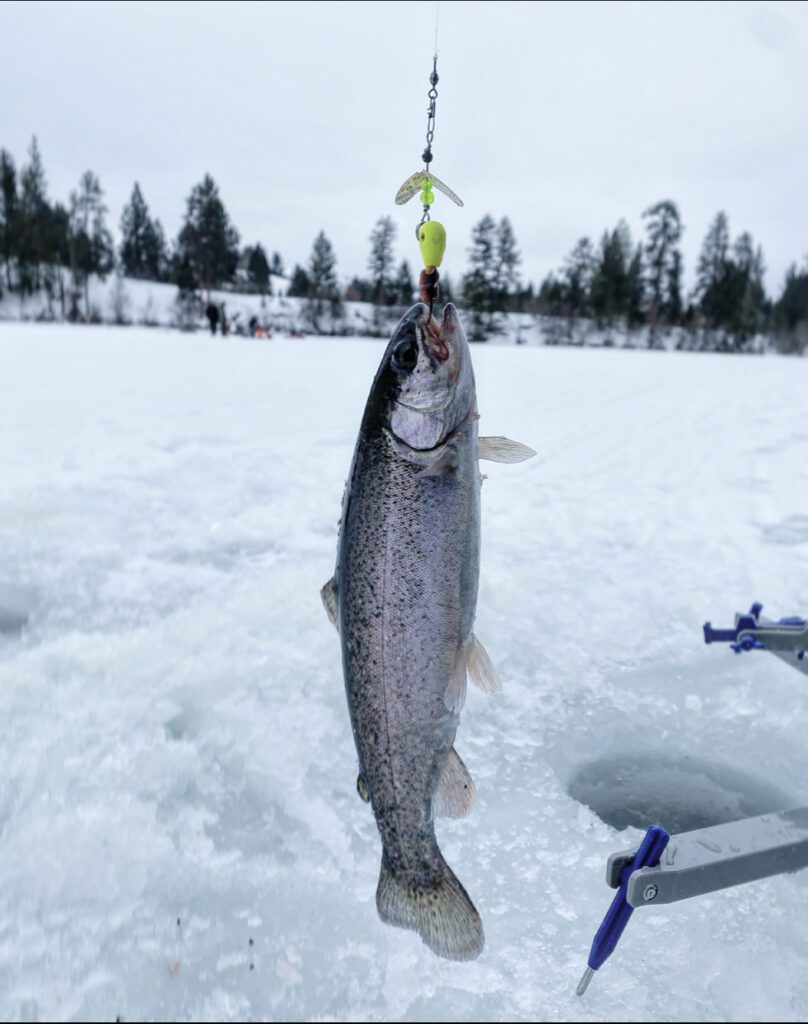
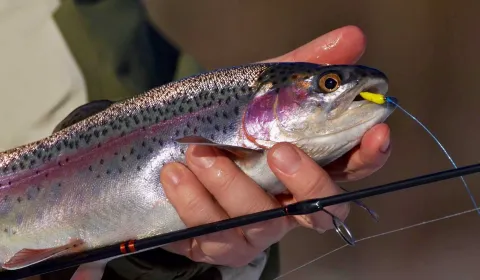
Small spoons, such as the Mack’s Lure Sonic BaitFish (1/16 oz. to 1/6 oz.) and the Mack’s Lure Hum Dinger (1/8 oz.), tipped with artificial pink maggots, meal worms, or corn will do the trick — and don’t be afraid to add scent to the lures and bait as well. When aggressively jigged, these spoons will create flutter and vibration, attracting trout from further distances.
If you’re not having luck with spoons, it likely means the trout aren’t as aggressive. Instead, use the smallest bait possible to reach your target depth. Try a Mack’s Lure Glo Hook (#6), tipped with maggots, corn, or meal worms, and a little split shot to get your presentation to the bottom.
Don’t be afraid to mix up your colors often. Begin with natural colors, including silvers and whites, but be quick to shift to brighter colors, including chartreuses, reds, and oranges if they’re not taking your offering. The trout will tell you what they want, so be versatile in your tackle selection and change often if they’re simply not biting.
Effective jigging techniques for targeting trout through the ice
When fishing closest to the weed line, make sure your presentation is hugging the bottom, typically 8- to 12-inches from the lake floor. Drop to the bottom, then a couple cranks up and you’re in the strike zone.
There’s no jigging cadence that’s tried and true. Really, it’s whatever you feel comfortable with. One thing that is for certain, however, is that your jigging cadence needs to be consistent and in rhythm. If you’re erratic, the trout will have a tough time attacking your presentation — and we’re in the business of making it easier for trout to bite your lure, not harder.
The only exception to rhythmic jigging is, occasionally, dropping your presentation to the bottom to drum up some silt and create a disturbance. Trout, in shallower water, are constantly feeding on prey that burrow in the sand, thus anything out of the ordinary is sure to catch their eye, especially from further distances. Alternatively, on really slow days, you can try dead sticking, just a few inches off the bottom, meaning you’re doing nothing with your presentation (tipped with a worm or bait) except holding it still.
Later in the day, when the trout move deeper, you’re going to follow them, as you’ve already pre-drilled holes in this deeper water. Fish to these suspended trout, at least six feet from the top of the water column, using the same, rhythmic jigging cadence as before.
Practice safety at all times when ice fishing
While ice fishing is a perfect activity for the entire family, it can quickly go badly if you’re not prepared. Use common sense, dress warm and, especially early in the season, always check the ice conditions before venturing out. To do so, drill your first hole, then measure its thickness. Ice 4-inches and thicker is safe for small groups, but be sure to spread out.
At the end of the day, just being out on the ice with friends and family is a blast. Hooking into some trout on super light gear, however, is the prize. Hopefully, by using the tips here, you’ll be well on your way to a successful ice fishing season targeting trout.
/articles/early-ice-fishing-tactics-trout
Enhance Your Ice Fishing Experience
Ice fishing is a unique and exhilarating activity that requires a combination of skill, patience, and the right equipment. While many anglers are accustomed to traditional techniques, incorporating modern technology like fish finders and electronics can significantly enhance your success on the ice.
In this article, we’ll delve into how and why you should utilize fish finders, and electronics while ice fishing.

MAXIMIZE EFFICIENCY
Ice fishing often involves drilling many holes in the ice and patiently waiting for a bite. However, with a fish finder, you locate fish faster and more accurately. These devices use sonar technology to send out sound waves, which bounce off objects in the water and return to the transducer, providing a visual representation of the underwater terrain and fish. This allows you to identify the most promising spots quickly, saving you time and energy.
UNDERSTANDING UNDERWATER TOPOGRAPHY
Fish finders not only reveal the presence of fish but also help you understand the underwater topography. They can detect depth changes, underwater structures, and vegetation, which are crucial factors in determining where fish are likely to congregate. Armed with this information, you can strategically position yourself for a successful ice fishing season.
ACCURATE DEPTH READINGS
One of the most significant advantages of using fish finders is their ability to provide accurate depth readings. This is crucial for ice fishing, as different species prefer different depths. By knowing the exact depth of water, you can adjust your bait and technique accordingly, increasing your chances of more catches.
LOCATING SCHOOLS OF FISH
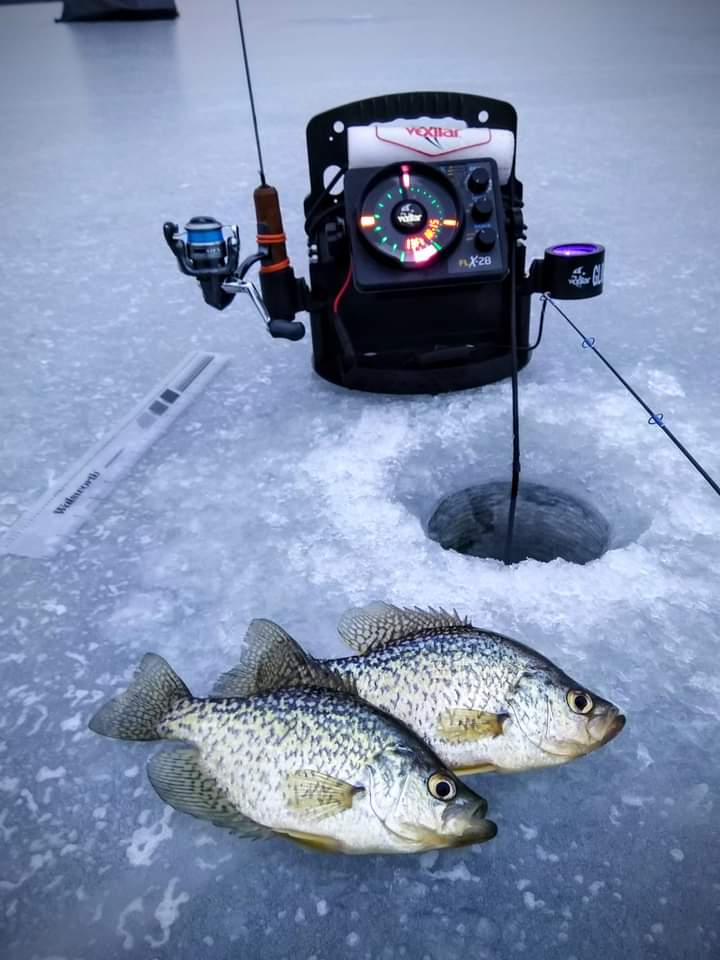
Fish finders excel at finding schools of fish and of course that lonely straggler. Instead of relying on guesswork or trial and error, you can pinpoint where the fish are congregating. This allows you to make precise adjustments to your bait and presentation to entice more bites.
MONITORING FISH ACTIVITY
Most fish finders are equipped to allow you to monitor fish activity in real-time. Real-time means there's no delay in the transfer from the transducer to the screen, so when the fish or lure moves you can see it move accurately. These devices can display fish movements, indicating whether they are actively feeding or just passing through. This invaluable information helps you adapt your strategy on the fly, ensuring a more productive outing.
STAYING SAFE ON THE ICE
Apart from enhancing your fishing success, fish finders also contribute to safety on the ice. Not only do they read and provide accurate depth information, but some units with GPS can also have up-to-date warnings for hazard areas, thin ice, closed boat launches, etc. while using lake map cards. This knowledge is especially crucial during early and late seasons when ice conditions can be unpredictable.
IMPROVING YOUR OVERALL FISHING EXPERIENCE
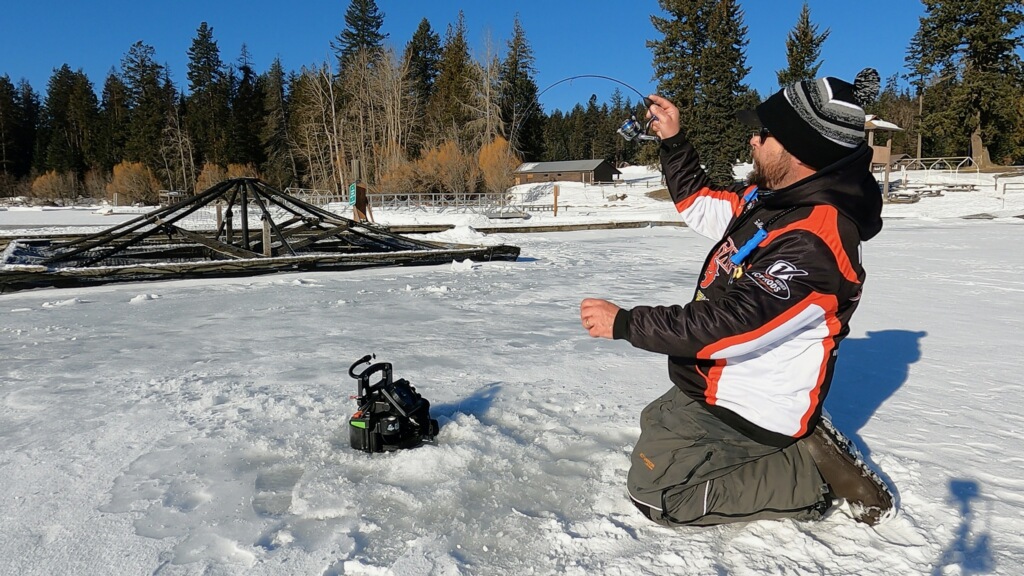
Incorporating electronics like a GPS unit, or an underwater camera alongside a fish finder flasher can further amplify your ice fishing experience. GPS is a nice option in some units, allowing you to mark productive spots for future reference, or a unit that is usable from the boat to the ice. Underwater cameras offer a fascinating glimpse into the underwater world, helping you understand fish behavior and habitat. This can also help you fine-tune your approach each time you chase fish under the ice.
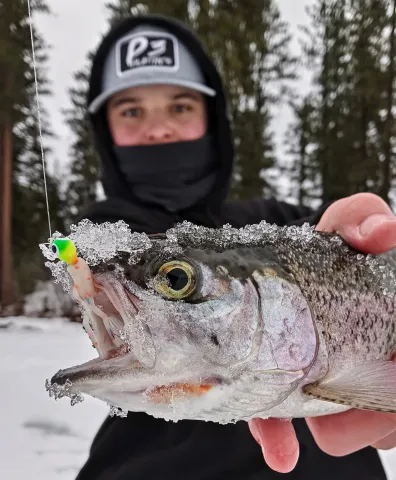
Embracing fish finders and electronics in your ice fishing endeavors is a game changer. By providing valuable insights into the underwater terrain, fish behavior, and safety conditions, these tools significantly increase your chances of a successful and enjoyable ice fishing experience. So, equip yourself with the right gear and technology, venture out to the frozen lakes, and let the fish finding begin!
/articles/enhance-your-ice-fishing-experience
Ice Fishing Season is Coming
I’ve been watching Ice Cold Catch on TV lately. For those of you who aren’t in the know, it’s a reality TV documentary series that follows two greenhorns as they learn the ins and outs of operating a commercial fishing boat in Iceland. It’s a week at sea in some of the harshest conditions imaginable, and then they return to the port and do it all over again. Some of the catches can yield multiple hundreds of thousands of dollars for the boat and $5,000 for crew members. Other times, they make fractions of that amount. It’s the embodiment of a hard way to make an easy living. Watching the boat and crew lay mile after mile of baited line to circle back, pull it up, and see what was caught is entertaining TV from the warmth of my living room. The blend of passion for the sea with the business acumen needed is something I think anyone who enjoys fishing and also works a “regular” job can appreciate. I don’t plan on heading 50 miles outside of the Icelandic coast to commercial fish for cod anytime soon, so I guess I’ll stick to something closer to home.

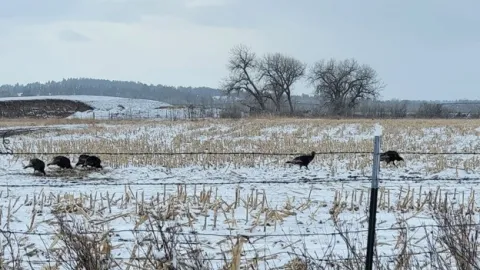
With the winter season approaching, many of us are stowing away the outboard engines on our boats and getting out the ice houses and augers. Maybe if you’re brave enough, and have invested in a decent winter jacket, all you’re checking to see is if you have your trusty plastic bucket to flip upside down as your seat when you jig away for what fish lay below. I’m referencing another way to get your fishing fix during the cold winter months - ice fishing. When the weather gets cold, many of us shift gears and turn our attention to hunting season. Big game, waterfowl, upland bird, or otherwise, it’s the thrill of being outdoors that does it for many of us. I’ve been known to pull off to the side of the road and look at a few turkeys walking around or admire an elk or two coming down from the mountains. For those interested in braving the elements but not quite ready for the physical exertion of hunting outdoors, ice fishing offers continued sporting opportunities. Whether fishing for perch, kokanee, walleye, or burbot, it never hurts to remind yourself of the respect needed on the ice when fishing these glorious winter months.
Gear matters
I joked about the winter coat, but seriously, having an insulated jacket does wonders on those days when the temperature is below freezing. What else might you need before hitting the ice? While a gaiter is always helpful, you’ll need a beanie at a minimum to keep your head warm. Some gloves and boots that are ideally waterproof with disposable hand warmers are a great idea. Ice picks are also a very smart accessory to have should disaster strike and you need to crawl out of the frigid water. They are every bit the equivalent of having life jackets and first aid kits on your boat: the classic “you’d rather have it and not need it than need it and not have it” item. One other item you might not think about but will be glad to have with you is a good pair of sunglasses. It might be December or January and 15 degrees outside, but on a clear day with the sun reflecting off the ice, it can be nearly blinding. The sunglasses/beanie combo is the personification of ice fishing in my mind. It’s a cool look, what can I say?

The gear on your body is important, but you want to make sure the gear you bring to set yourself up to fish is adequate and check that conditions are safe. It is generally advised that ice fishing should be done on ice that is at least 4 inches thick- the thicker the better, especially if you are considering heavy equipment like an ATV or snowmobile to travel to different parts of the lake. 7 inches is recommended when using an ATV. A ruler is an easy tool to measure the thickness of the ice. Another indicator that it is safe to fish is a visual inspection of the ice - it should be clear. Cloudy or cracked ice are indicators it may have been melting and refreezing and not as strong as it should be. After you’ve drilled your hole with an auger (or found an abandoned hole), a scoop is extremely helpful to clear ice out of your fishing hole and to prevent your line from freezing. Besides the obvious fishing pole and lure, the last item to consider bringing along would be a fish finder. Relatively small, briefcase or guitar amp-sized, they can often give you an edge to find the bottom of the water and determine the movement of the fish below the ice.
Got the list? Excellent! You’re ready to hit the water…sorry, ice, to continue this obsession we share that is fishing. It’s always exciting to catch fish on a boat or from shore during the warmer climates and summer months, but it’s a whole other experience to brave the cold and reel up your catch of the day through the ice.
/articles/ice-fishing-season-coming