Fiberglass Rods
These fly rods party like it's 1971
I skipped school on a May morning to fish with my uncle Jon and his bride. That was 1985. You might say they were a bad influence on a teenager, but if I had it to do over again, I'd skip my whole senior year and go steelhead fishing. Wouldn't you?
I took two rods to the lake and when, at the end of the day, I put the gear away, I realized I had left the fly rod leaning against a tree. Someone else ended up with my 7-weight Wallace fiberglass and a Pflueger Medalist.
That Wallace rod was equal to or superior to the more popular Fenwicks of the day and looked like a Fenwick, except in a medium brown color.
That was 1985 and my next fly rod was a custom 5-weight graphite my uncle built. In the 1980s, graphite rods were lighter and a bit more responsive, but there were qualities glass rods had the graphite rods lacked.
Summers back
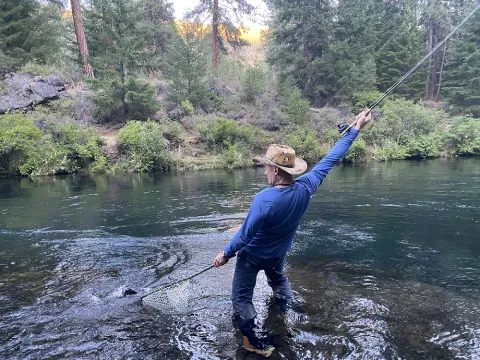
A couple of summers back, I floated the Williamson with Craig Schuhmann and our friend Larry Zeilstra. I brought a custom 5-weight McFarland fiberglass built by Uncle Jon. Before I had even wedged my knees into the casting brace of Craig Schumann's sweet Clackacraft, he was ribbing me about bringing an "old" fiberglass rod on a serious big trout trip. I pointed out this fiberglass rod was more modern than his attitude as well as the graphite rod he was fishing; also, his boat was made out of fiberglass.
I try to keep a small stable of fly rods, seven or eight in rotation. If I'm not using a rod, I give it to a kid. Over the last couple of years, I've given half a dozen rods to teenagers. Fly rods don't do anyone any good unless they are fishing.
Truth be told, I own two fiberglass fly rods. The other one is an 8-1/2-foot tobacco-brown Wright & McGill 3-A Champion I bummed off a friend for zero dollars. I gave the same amount of no money for the reel and bought a new Cortland floating line off eBay for $13. Thirteen bucks. That's all the money I have into this rig. It parties like it's 1971. Whenever a new acquaintance talks me into taking them fishing and they want to use one of my rods, they get the old-school glass. You want me to take you fishing? You want to use one of my thousand-dollar graphite rods because you're too cheap to buy your own? Nope. You get the Wright & McGill treatment. You don't even get to touch my Orvis magic wand Helios, the Cabela's Rogue rod, or my custom-antlered mule deer Loomis IMX.
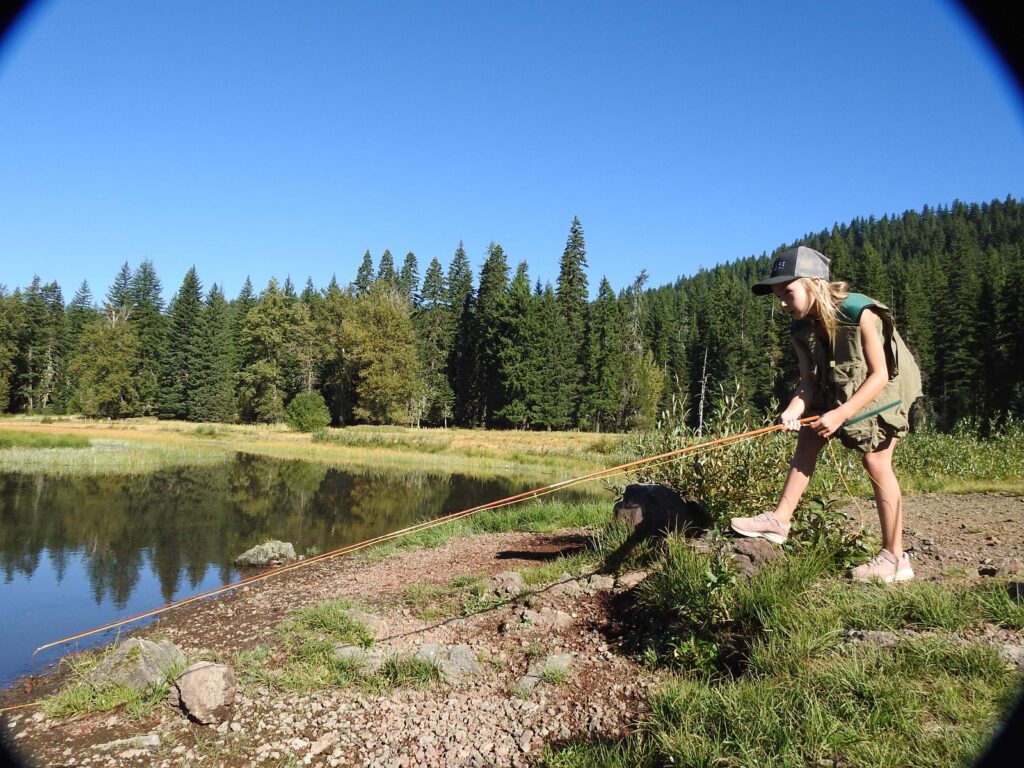
Using a 7-weight Wright & McGill, seven-year-old Little Smokey fishes a wet fly to small brook trout in the Cascades.
This Wright & McGill has bested a boatload of rainbows in the last few years in the hands of grandchildren and other mooches. I even fish it from time to time. It's a pretty good rod, and rugged too.
Glass rods are heavier, which is not a disadvantage. My granddaughter who is 8-years-old has never complained, Grandpa, this rod is too heavy! The heft of a glass rod, along with its to-the-cork action, allows the angler to sense the weight of the line as it shoots through the guides. Weight and slower action tend to slow the casting stroke, which contributes to faster casting competency for a novice.
Advantage
Another advantage is the forgiving nature of glass. Opt for a glass rod when fishing still waters where trout will be girthier. With a fiberglass rod in hand, the rod absorbs hard strikes better than graphite, which translates to fewer fish lost to broken tippets.
Fiberglass is durable too, which means fewer broken tips. That's why, if you want to use my tackle, you get to fish my $13 wonder.
What my collection lacks is a bamboo option. I have owned and fished bamboo and know what I'm missing. Fiberglass rods rival bamboo for liveliness, power, and balance in hand.
If I had it to do over again, I would not lean that Wallace against that fir tree. If you picked up a medium-brown 7-weight at Battleground Lake in the spring of '85, you got a nice rod. I hope you fished it hard.
# # #
For a copy of the Fishing Central Oregon book, send $29.99 to Gary Lewis Outdoors, PO Box 1364, Bend, OR 97709 To contact Gary Lewis, visit www.GaryLewisOutdoors.com
/articles/fiberglass-rods
Ice Fishing Season is Coming
I’ve been watching Ice Cold Catch on TV lately. For those of you who aren’t in the know, it’s a reality TV documentary series that follows two greenhorns as they learn the ins and outs of operating a commercial fishing boat in Iceland. It’s a week at sea in some of the harshest conditions imaginable, and then they return to the port and do it all over again. Some of the catches can yield multiple hundreds of thousands of dollars for the boat and $5,000 for crew members. Other times, they make fractions of that amount. It’s the embodiment of a hard way to make an easy living. Watching the boat and crew lay mile after mile of baited line to circle back, pull it up, and see what was caught is entertaining TV from the warmth of my living room. The blend of passion for the sea with the business acumen needed is something I think anyone who enjoys fishing and also works a “regular” job can appreciate. I don’t plan on heading 50 miles outside of the Icelandic coast to commercial fish for cod anytime soon, so I guess I’ll stick to something closer to home.

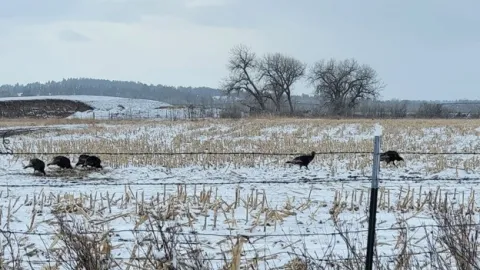
With the winter season approaching, many of us are stowing away the outboard engines on our boats and getting out the ice houses and augers. Maybe if you’re brave enough, and have invested in a decent winter jacket, all you’re checking to see is if you have your trusty plastic bucket to flip upside down as your seat when you jig away for what fish lay below. I’m referencing another way to get your fishing fix during the cold winter months - ice fishing. When the weather gets cold, many of us shift gears and turn our attention to hunting season. Big game, waterfowl, upland bird, or otherwise, it’s the thrill of being outdoors that does it for many of us. I’ve been known to pull off to the side of the road and look at a few turkeys walking around or admire an elk or two coming down from the mountains. For those interested in braving the elements but not quite ready for the physical exertion of hunting outdoors, ice fishing offers continued sporting opportunities. Whether fishing for perch, kokanee, walleye, or burbot, it never hurts to remind yourself of the respect needed on the ice when fishing these glorious winter months.
Gear matters
I joked about the winter coat, but seriously, having an insulated jacket does wonders on those days when the temperature is below freezing. What else might you need before hitting the ice? While a gaiter is always helpful, you’ll need a beanie at a minimum to keep your head warm. Some gloves and boots that are ideally waterproof with disposable hand warmers are a great idea. Ice picks are also a very smart accessory to have should disaster strike and you need to crawl out of the frigid water. They are every bit the equivalent of having life jackets and first aid kits on your boat: the classic “you’d rather have it and not need it than need it and not have it” item. One other item you might not think about but will be glad to have with you is a good pair of sunglasses. It might be December or January and 15 degrees outside, but on a clear day with the sun reflecting off the ice, it can be nearly blinding. The sunglasses/beanie combo is the personification of ice fishing in my mind. It’s a cool look, what can I say?

The gear on your body is important, but you want to make sure the gear you bring to set yourself up to fish is adequate and check that conditions are safe. It is generally advised that ice fishing should be done on ice that is at least 4 inches thick- the thicker the better, especially if you are considering heavy equipment like an ATV or snowmobile to travel to different parts of the lake. 7 inches is recommended when using an ATV. A ruler is an easy tool to measure the thickness of the ice. Another indicator that it is safe to fish is a visual inspection of the ice - it should be clear. Cloudy or cracked ice are indicators it may have been melting and refreezing and not as strong as it should be. After you’ve drilled your hole with an auger (or found an abandoned hole), a scoop is extremely helpful to clear ice out of your fishing hole and to prevent your line from freezing. Besides the obvious fishing pole and lure, the last item to consider bringing along would be a fish finder. Relatively small, briefcase or guitar amp-sized, they can often give you an edge to find the bottom of the water and determine the movement of the fish below the ice.
Got the list? Excellent! You’re ready to hit the water…sorry, ice, to continue this obsession we share that is fishing. It’s always exciting to catch fish on a boat or from shore during the warmer climates and summer months, but it’s a whole other experience to brave the cold and reel up your catch of the day through the ice.
/articles/ice-fishing-season-coming
No Kill Kalama
Sometimes we don’t get the fish, sometimes we don’t get the shot. And sometimes we don’t even think about it because there is just too much going on.
You are not going to get a slick fish picture, but I am going to let you in on a little secret called “License to Chill” on the Kalama River in Washington State. This underdog tributary of the Columbia River is often overlooked, but why? Well, it's hard to get to, and access is limited, but there are substantial year-long opportunities for salmon and steelhead runs. It's a sweet spot, roughly 45 miles long, and narrow enough to cast across to the opposite bank.
It may be relatively small, but when you're there you feel the pulse. It’s a mainline to the Pacific Northwest heartbeat. The swift mossy green waters amble through the Cascades from Mt St Helens to the Columbia.
License to Chill hosts 19 private acres of preserved forest, easy access to the riverbank, and multiple runs every year. Spring chinook get a lot of attention, followed by summer steelhead, coho in the fall, and the almighty winter steelhead running well into the spring.
Can you keep them? No. This is a strictly managed catch-and-release barbless fly-fishing stretch.
Should you pull them out of the water, take a picture, and admire your fish? No, what's the point of that? You're causing stress, suffocation, and possible internal injury. This river isn't for the eating fish, it's for the experience. No Kill Kalama is just the place to go if you want to unwind and wet your line.
I am one of those people who believes that all humans should have the right to forage, hunt, and fish for our own sustenance. And, why not fun? However, I also think we should absolutely look outside of ourselves at the natural world, sustainability, and what we are leaving for each other and our children.
This isn't a debate, but a few words to share what a great time I had on the Kalama River. If other like-minded folks appreciate the suggestion, then I'm pleased about that!
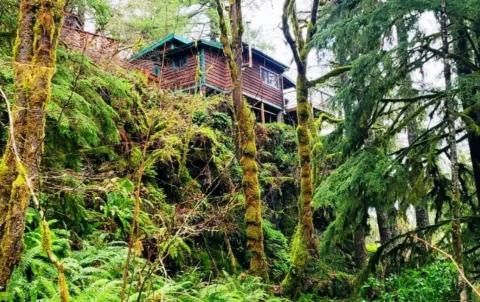
So much love and history has gone into this cabin and property. It is really one of a kind. At 90 feet above the river, you can feel it roar under you as you drift to sleep. If you like eagles, how about taking a shower outdoors while they fly above giant Red Cedars? It is epic!
/articles/no-kill-kalama
Ultimate Kayak Set-ups
In the 2023 March issue of NW Reel Life, I laid out some key items and concepts to help anglers enter the world of kayak fishing. And while weather predictions, condition assessment, and kayak types are all important, in this article I want to focus a bit more on the actual setup of your kayak and how that can determine your level of success out on the water.
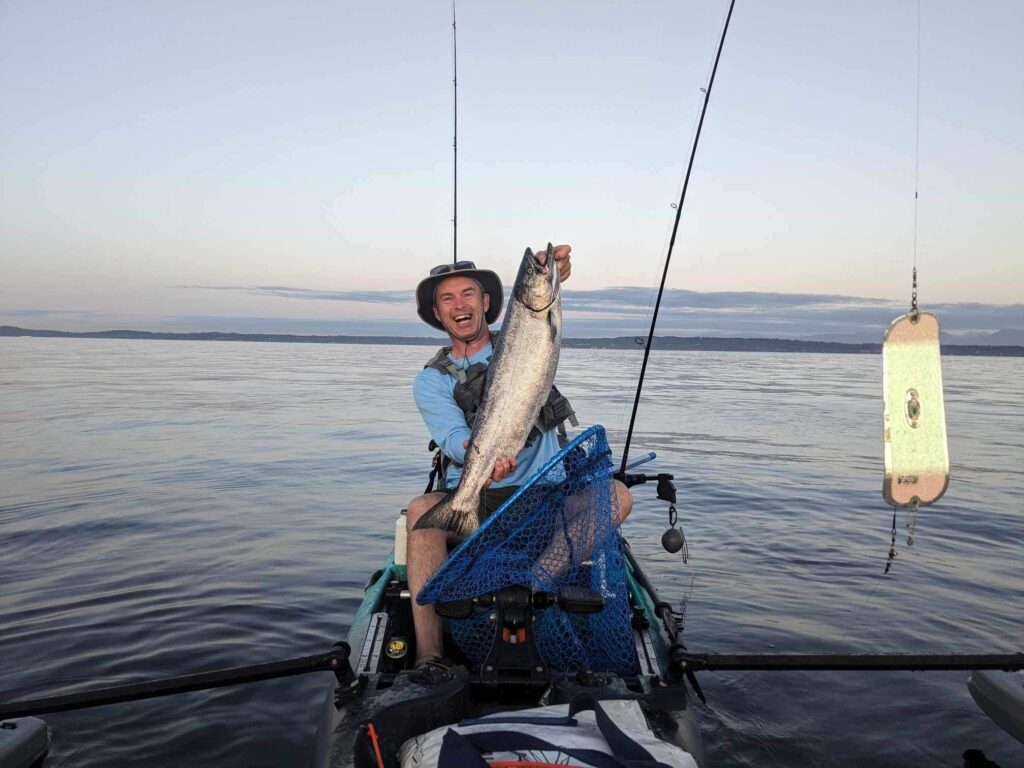
Track mounts
Let’s talk track mounts! Track mount systems are the starting point for your rod holders, fish finders, and other accessories. A track mount is a slotted track that you bolt to the side rails of your kayak and then slide your other accessories onto. They all have fairly similar styles with some small variations amongst different brands. The most important thing to keep in mind is that your track should be strong enough to support whatever type of load you are putting on it. A good track mount system should be metal, corrosion resistant, and come with a backing plate. If the track holds rod holders, it should be large enough and secure enough to do so. Smaller accessories like cell phones, fish finders, and camera mounts won’t require as beefy of a track.
Downriggers
Trolling on a kayak can be straightforward. You drag a lure behind you to target rainbows, or you can utilize a cannonball weight to get you down to chinook salmon territory.
Now, if you want to have more than just an idea of the depth your gear is at in the water column, you need something more surefire. Enter the downrigger.
Because most of my kayak fishing is in the ocean or the Strait of Juan De Fuca, I’ve opted to leave the downrigger trolling to my aluminum boat. The constant attention to equipment while on the water and the inherent risks associated with snags make it an option easier to perform on a vessel of larger size. With that said, a downrigger is not only doable on a kayak, but it’s a technique that can increase your chances severalfold, and if you’re fishing lakes where currents and large waves are less of an issue, a downrigger might be the exact thing that puts you on the fish.
The most common spots to mount a downrigger are just past the midline of your kayak somewhere out of the way of your peddling or paddling, but also close enough to you so that you can operate it without too much struggle. Most kayakers opt for smaller downriggers like a Scotty lake troller or the Cannon mini troll downrigger. When mounting your downrigger, you’ll want to add a backing plate in the hull of the kayak where your bolts will attach. This is essential for the kayak to be able to handle the added weight and pressure. Fish finder and rod holders should be mounted in close enough proximity to the DR so that you can monitor your rod tip, fish finder, and DR at the same time. Instead of using the steel cable that comes with most downriggers, it’s wise to swap the cable for 250 # - 300# braided line. This will lessen drag and it will also allow you to cut your line in case of an emergency. With that in mind, you should always have a knife attached to your person in a place that is easily accessible in case that emergency were to happen.
Stringers
For the longest time, I struggled to find an effective place to connect my stringer to my Hobie Revolution 13’. I would typically have my stringer attached to a carabiner and then the carabiner attached to a strap that was a part of my seat’s recline system. Eventually, the rubbing from the constant motion and tension of the fish that were hanging off the side of my boat would fray the webbing around the strap. I now have a stringer cleat attached to one of my track systems that holds and secures that line out of my way. Metal clip stringers are a top-rated option for kayaks due to their ease of use, though rope stringers and chain stringers will certainly get you by as well.
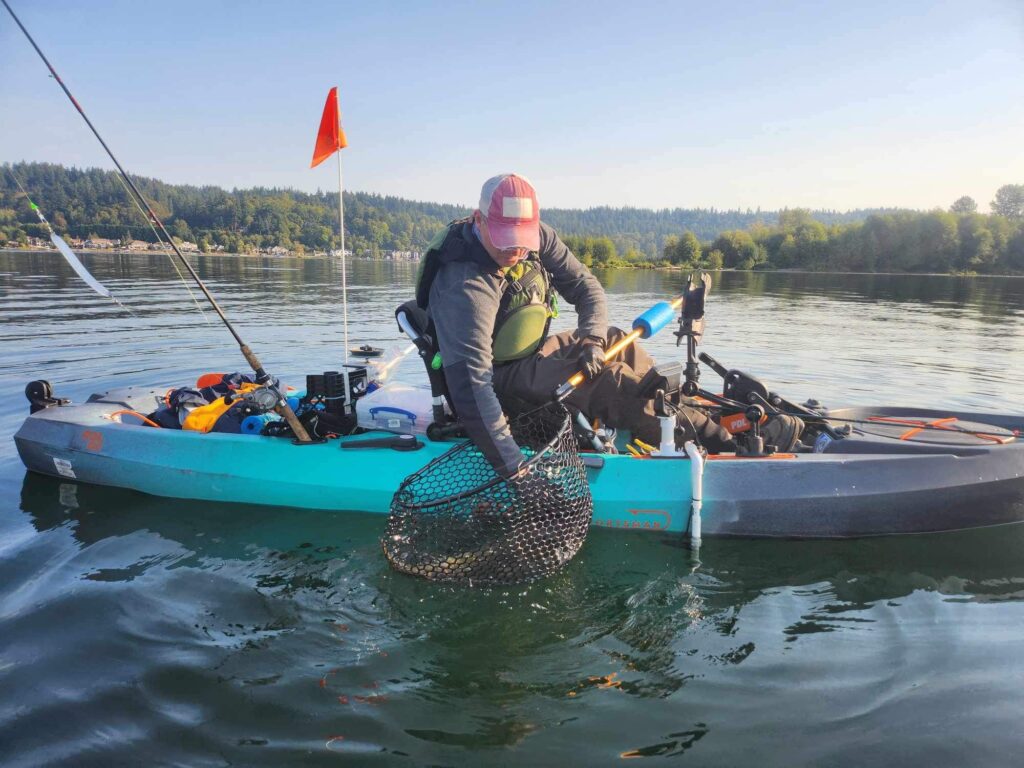
Fish finders
The process of setting up a fish finder on your kayak is going to differ depending on what type of kayak you have. Mounting the screen is simple- it can go on a track or be permanently installed on the boat. The trickiest part of the process will be mounting your transducer. Many fishing kayaks come equipped with a transducer mount directly underneath the hull. This allows the transducer to sit in the water while also being protected from the sand and gravel if the boat were to drag along the bottom. For most kayaks out there, transducer mounts are not built in. If you don't have a transducer mount you will need to mount it either off the side of your boat or better yet, inside the hull. This gets tricky and typically involves using some plumber putty for the transducer to both stick to the kayak and to also create a sealed surface without air bubbles. The solid putty allows for the transducer to transmit through the putty, through the kayak material, and into the water. YouTube is a valuable tool for these types of setups.
Bilge pump and BP storage
If the hull of your kayak fills with water due to crashing waves or due to a capsize, you don't want to be bailing water out of the boat with an empty tackle box. A manual bilge pump is your strongest line of defense against a sinking boat. Some kayakers will stow their bilge pumps inside a hull compartment underneath a hatch. This could seem like a sensible home for your bilge pump, but if you are in a situation where you’ve taken on a lot of water and you’ve lost half your buoyancy, and on top of that, you’re being battered by oncoming waves, leaning over to open a hatch might be just the thing the kayak needs to capsize once again. Instead, stow the pump somewhere within arm’s reach and have it fastened down with a bungee and secured to a lanyard so that it has no chance of going overboard.
Cell phone mounts
Having your cell phone mounted on your fishing kayak might seem like an over-the-top luxury, but if you consider the vast number of apps that can be utilized to help improve your fishing trip, you will find that having your cellphone on the ready and in view at all times is a must. When I’m on the water, I use Navionics to navigate and to get a good sense of underwater topography. I also use weather and wind apps to keep me safe and informed on changing conditions. Using a cellphone mount along with a waterproof cell phone case gives ease of access to all of these things. Phone mounts can be installed directly on the kayak or on your track system.
Bungees and straps
Bungees, straps, webbing, all these small investments will protect your larger investments in the event of a capsize. Strap everything down as if capsizing was just a normal part of your program. This is particularly important if you plan to do any surf launches into the ocean.
Rod holders
Rod holders are an essential part of your fishing kayak set-up. Your kayak likely comes equipped with flush mount rod holders, these are almost standard on most kayaks these days. However, the position of the standard flush mounts is generally aft of the kayak seat, and this isn’t always the best location when you want to have eyes on your rod tip. Additional flush mount holders can be installed in various locations of your boat.
Fixed and elevated rod holders. These will be installed directly to the boat or to a track. Fixed rod holders tend to be one of the sturdier options.
Adjustable rod holders. Adjustable rod holders can move from horizontal to vertical and can be found in various styles that are suited for whatever type of fishing you plan to do.
When installing your rod holder, be sure to place it somewhere where it won’t be in the way of your peddling or paddling.
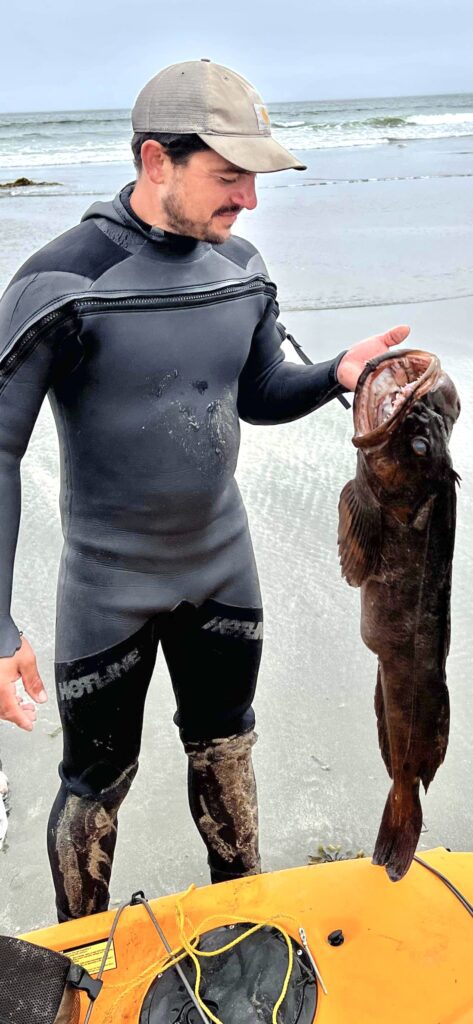
Fish Storage
There are quite a few options when it comes to fish storage. Some folks will carry a small cooler on board. This is a good option when fishing for smaller fish on hot days and if you can afford the room on your kayak.
Fish bag. Insulated fish bags are great options for larger fish and are easy to secure on your kayak. If you’re fishing for spiny fish, be sure that your cooler bag is puncture-proof.
In-hull storage. Some anglers have rigged fish bags inside their hull, and if you can make that work, you are ahead of the curve on the fish storage problem that plagues many kayak anglers. If in-hull fish storage is a possibility, be sure that your fish are well insulated as the inside of a kayak can get quite toasty on a hot day. Also keep in mind that if your fish bag leaks inside of the hull, you will have the difficult task of cleaning a stinky mess that gets more stinky the longer it sits unattended. Finally, having the hull open frequently presents the danger of water from crashing waves getting inside your kayak. So, if you choose this method, be wary of the risks associated.
Kayaks offer endless amounts of angling opportunities without some of the drawbacks of larger boats. I hope these tips give you some direction in planning your next outdoor adventure on the open water.
/articles/ultimate-kayak-set-ups
Hanford Reach Fall Chinook Bounty
My reel was peeling line at a dizzying rate and it felt like I had a freight train attached on the other end. Without thinking I applied my thumb to the level line spool and pulled back with a loud “ouch!” “That’ll leave a mark” our guide Dave deadpanned. The fish was a good fifty yards behind our boat before I was able to slowly start to regain line. Foot by foot the strong chinook and I battled back and forth, each of us gaining, and then losing line to the other.
The most popular location anglers congregate is Vernita Bridge. There is a large open area to the north of the bridge on the east side of the river. Every year a small town of anglers set up their base camp here. All variety of tents, RVs, and sleeping in the back of trucks can be seen. At night the cries of the coyotes remind you that this is wild country. Camping is free, but a Discovery pass is required. The launch here is rough and rocky and four-wheel drive is a must. Plan on your boat getting scraped up on the rocky shoreline and be sure to bring waders to help during the launch and retrieval process. Launching, by the way, starts at o-dark hundred. Alarm clocks are optional – unless you’re a deep sleeper, you will be awakened by the lights and sounds of anglers starting to launch around 3am.
Closer and closer the powerful fish came, each run a little less intense. Now a giant tail could be seen, trailing a large V wake behind it. Finally, the fish, exhausted came to the side of the boat and I saw the reassuring sign of fatigue as the fish laid on its side, telling us we were getting closer to that critical moment. Net sliding under the fish Dave skillfully scooped him up and into our boat. But not before the big fish gave one final flip of his tail, giving all of us an early morning soaking. Wow! This upriver fall bright was twenty plus pounds of pure power and beauty, not to mention great eating. The smiles and high fives of my friends were the icing on the cake and the day was just beginning!
A perfect morning, the sun just breaking over the shoreline and catching a hot Hanford Reach fall chinook - it’s the stuff dreams are made of, and it was living up to be everything I had heard about the Reach.
Washington’s Hanford Reach is synonymous with some of the state’s best fall chinook fishing to be found – and not coincidentally, the last of the chinook fishing to be found for the season. It’s the icing on the cake, and what icing it is! The Reach is the perfect setting and the perfect fish to end the year’s salmon fishing on the Columbia River. These are the brutes that dreams are made of. A fish worth dreaming about during the long off season and savoring the brief weeks they are available to catch. Battle plans must be made, so let’s talk about what you need to know to get into this fishery and have a chance at one of these amazing fish.
They call “The Reach” the last free-flowing stretch of the Columbia. With dams seemingly from one end of the Columbia to the other, this stretch of water has no dams to impede it. Here, from Priest Rapids dam down to Richland anglers have 63 miles of productive water to fish. Ideal spawning grounds make this a natural holding location for big chinook to do their reproducing thing. For the boat angler, you’ll find a variety of deep holes, shallow runs, and everything in between. A prop boat can be used – with extreme caution, however, downriver in the area known as Coyote Rapids a jet is the way to go.

Just upstream from the rough launch at Vernita you’ll run into the first hole, the Hog Hole. This spot will hold fish early and throughout the season. It’s in the middle of the river and runs a couple hundred yards in length and has a depth of 15-40 feet. Fish will be both suspended and hugging the bottom here. The hole is deep enough to require a way to get your gear down to the fish. This can include divers, dropper weights, and, yes, downriggers. A word of caution – the Columbia is a big, strong, and powerful river. Snagging a downrigger ball on the bottom of the Columbia has the potential for some seriously bad consequences and requires the boat captain and crew to be ready to deal with them. The times I’ve used downriggers I always have a wire cutter at the ready and a good dose of “always pay attention” to go along with it. It goes without saying if another boat hooks up to be ready to pull those riggers up. Backtrolling this hole works well and as you push the fish ever shallower by ready for that take down.
A variety of salmon catching gear can be used for Hanford chinook depending on the depth and speed of the spot you are fishing. Among the most popular setups are flashers with super baits (packed with tuna), plugs, flatfish (wrapped with a sardine or herring strip), and the ever-effective spin-n-glo with eggs, or eggs and shrimp. Anglers that are flexible and willing to adapt techniques to river flow and time of day will be most successful. Backtrolling your gear down the hole can be very effective, pushing fish back down the hole and triggering them to bite out of aggression is a tried-and-true technique.
Farther upriver as you head to toward the dam, you’ll find the King Hole about a mile and a half above the bridge, then the China Bar and Midway Drifts. One of my personal favorite spots is the deep hole just down from the dam. As well as being great holding water, it’s a stunningly beautiful spot. The deep hole off the rocks is great for downrigger fishing. You may even want to try running a diver twenty feet behind your release and bringing the ball up ten feet off the bottom, letting the diver do the work of bring your bait down to the bottom. Be sure to pay attention to the regulations and know the areas that are closed, downriver from the dam and on the west shoreline where the hatchery is located.

Below the Vernita Bridge you will find several more popular spots, including those famous old reactors. It’s about a three-mile run down to the B/C hole, and another four miles to reactor number one, and then number two. Beyond a large bend you’ll find the famous White Bluffs with a nice sixty-foot-deep hole. There’s a concrete launch located here, however; this is the area where running a prop boat becomes a dicey proposition. Be mindful that water levels can go up and down five to six feet in a day, leaving riffles where clear passage had been. It would be best to learn this water by first going with a guide before venturing out on your own.
Finally, farther downstream around the areas of the mouth of the Yakima down to the mouth of the Snake you’ll find slower water, more suited for prop boats. With several launches located around Richland, Pasco, and Kennewick, smaller boats will have a safer time of it than at the fast-flowing upper Reach spots.
As to timing, these up-river brights can be targeted from mid-September well into late October. Don’t be fooled by the dark coloring on these fish – they cut just fine and taste great!

The Reach is truly an amazing place to fish with the very real opportunity of hooking into large chinook. Multi-fish days are not unusual. As a bonus, while fishing you’ll be treated to amazing scenery. Besides moth-balled nuclear reactors, it’s very possible to see coyote, mule deer, several varieties of waterfowl, and even herds of elk on the shoreline. Some of the best weather in the Pacific Northwest can be had with temperatures moderating from the scorching hot summer days. You’ll find cool nights and a sky full of stars to gaze at as the coyotes sing you to sleep. And most likely you’ll be rewarded with some tasty chinook to take home.
/articles/hanford-reach-fall-chinook-bounty
Generational Fishing
I’m a new father. My daughter turns 2 at the end of July. It amazes me how fast time goes. My phone is fancy enough that it will create a collage of pictures and ask me “do you remember this day?” It’ll compile similar photos and quotes together with a caption along the lines of “outdoor adventures” or whatever else is sure to draw me in. I have to say, I like the features of the phone and sometimes I don’t remember the day or taking the photo.
Other times, the memory is clear and will get my brain churning to the before and after events of that photo. It’ll also lead to a great talking point with my family, or remind me to reach out to a friend who I was with during that time. It’s basically my generation’s photo album: a compilation of memories that elicit the sights and sounds of the past.
Seeing these photos and videos pop up on my phone makes me reflect on the journey I’ve been on. It makes me reflect and think about the life that was and the life I have now. The timestamped dates and pinpointed locations on the photos give me a clear reminder of when and where I was as I snapped those photos. Some photos I’ve kept in the camera roll for 10 or more years, other photos happening just yesterday or the day before. Each with a level of happiness and appreciation from the time. There clearly had to have been a reason I felt like the photo needed to be taken.
Even those photos of some random arrangement of letters and numbers for a code or a stall number in the parking garage so I wouldn’t get lost after a trip shopping. Although, that example probably has more to do with my wife than my own shopping adventures. Other photos are those milestones we will always remember but may not quite recall the details. Holidays with family, vacations around the world, a collage of our hobbies, or additions to the family. It’s those last two areas that inspire me to think about how thankful I am to be at this stage in my life.
Adulthood
Something about life before kids and life after kids is a pivotal point. The stage of “adulthood” that has a clear separation between life that was and now life that is. Those late nights I could go out and do whatever I wanted are no longer. There is now a little human who depends on me and my ability to have some foothold on my life. To use a baseball analogy, I wouldn’t say I need to be hitting home runs in all areas of life as a dad, although I’d certainly take them as they come, but there’s nothing wrong with taking the day-to-day with solid doubles to right center field.
I might even strike out a time or two, or if I’m having a particularly hard time navigating whatever the challenge of the moment is ground into a few double plays. The goal I think as a parent is to limit those outcomes as much as possible. To be a constant source of support, happiness, and guidance for your kid as best as you know how. It’s cliche to say, but my wife and I didn’t get an instruction manual when we left the hospital with our child.
It’s my hope that I can inspire my daughter to enjoy many of the same hobbies I have while also encouraging her to find her own. I’m into fishing, sports, and good TV shows. She might enjoy music, writing, or computers. Whatever the case may be, there are areas in our lives that will overlap and find common interests. I surely hope that enjoying the outdoors, and fishing specifically, are among the shared hobbies.
The patience and independence we learn with fishing is invaluable. Soft skills such as being able to hold a conversation during down time or to celebrate someone else’s success are also an important area we learn as fishermen. I hope to share the many hours on the road traveling to different bodies of water with her as I did with my dad. I know my growth as a man is in large part to his teachings when I was younger. I am also excited to see how he can impart his wisdom to her and influence her in a positive way. That kind of generational guidance goes far beyond fishing. Tying a knot, being able to read the water. Those are great, but the time spent together, and memories built are what is truly important. The three of us out on the water fishing? That sounds like a memory with lots of photos.
/articles/generational-fishing
Fall Trout Strategies
Tired of the salmon fishing crowds?
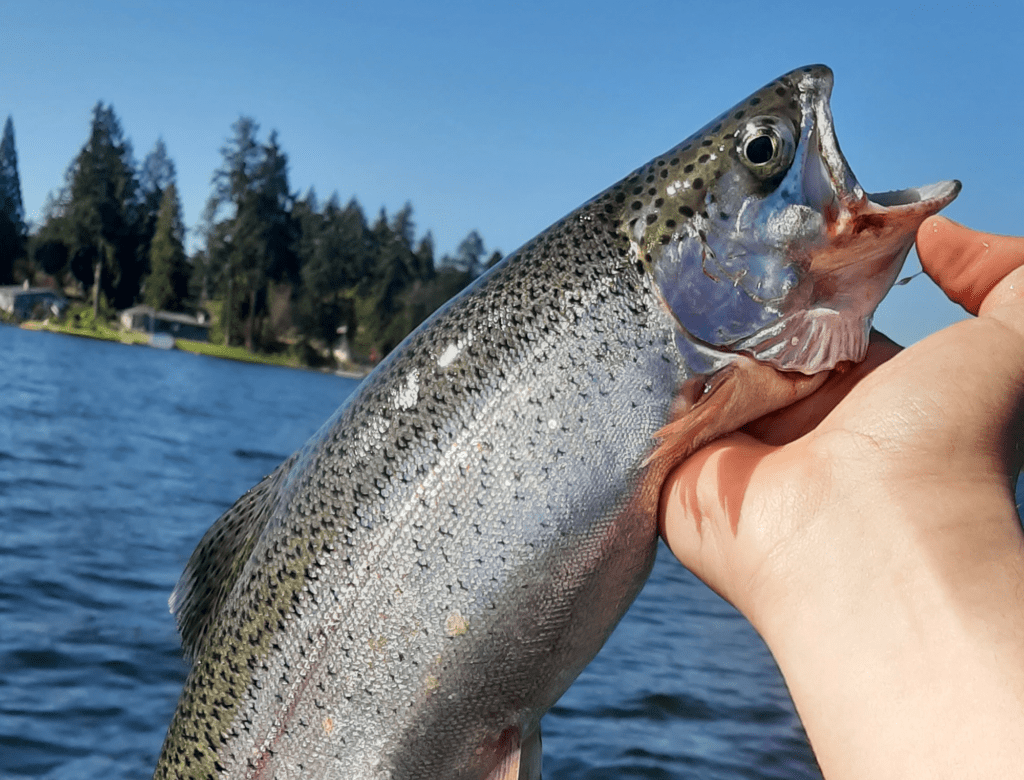
Tired of the salmon fishing crowds? Looking for one last hurrah before winter? Look no further than fall trout! Fall is one of my favorite times of year to fish for rainbow trout. The majority of other fishermen have either put the boat away for the year or are off targeting salmon, so most days you’ll have the lake to yourself.
Most pleasure boaters have also put their boats away for the season, so those of us with small boats don’t have to deal with their huge wakes! Another benefit of fishing for trout in the fall is that they once again start to patrol the shallows looking for a quick meal, putting them within reach of shore anglers. Those small planter trout from earlier in the year have also gotten much larger by this time, making for big, tasty fish. Not to mention they are also more aggressive during this time of year because they want to pack on the pounds before winter.
Though they do most of their trout stocking in the spring, WDFW also plants several lakes on both the east and west side throughout the fall. Check the stocking reports on their website, sometimes they stock jumbo trout! Fishing for fall trout is one of the best ways to spend a lazy fall day. You can enjoy the cooler weather and a break from the crowds. Whether you want to fish from shore or a boat, you can find success by following these tips.
No boat?
No boat? No problem! Dust off those ultralight rods and hit the lake. You can fish with a bobber, soak dough bait, or throw hardware. Spinners and spoons work very well for fall trout, but traditional dough baits and worms will also catch fish. On lakes where two-pole fishing is allowed, I like to put some dough bait on a hook, toss it out, and put the rod in a rod holder. I’ll grab a second rod and cast spinners while the dough bait soaks. Black/gold spinners are my favorite! It’s a good idea to bring several different colors and flavors of dough baits.
Take a look at reports or try to remember what you used in the spring. Worms, salad shrimp, corn, and maggots are all tried and true trout baits. If you don’t have luck fishing in one location, it pays to move around until you figure out where the fish are at. You’ll often see fall trout jumping and feeding on the surface. Fishing is best in the mornings and evenings, but trout are always hungry during the fall and will bite any time of day.

Shore anglers
Although shore anglers can easily get limits of trout in the fall, don’t be afraid to take out your boat and try trolling for them. There are fewer pleasure boaters in the fall, thanks to the cooling temperatures. It’s a great time of year to take out your kayak or small aluminum boat. Try a faster troll than you would in the summer. These trout are feisty and will chase down a meal willingly. You can use larger presentations than you would in the spring and summer, since the fish are bigger. I’d highly recommend using a fish finder. Do you miss trolling with leaded line?
This is a great opportunity to troll with leaded line or divers, since the fish are running much shallower than in the heat of the summer, making downriggers unnecessary. I often have good success trolling plugs in the fall, but spinners can work well too. For attractors, you can use dodgers or gang trolls. I lean towards dodgers, but maybe that’s because I’m also a kokanee fisherman.I already have a book of 20-30 dodgers in different colors, shapes, and sizes. Gang trolls have definitely put caught many a trout, but I find dodgers easier and more convenient to use. I can quickly put globs of scent on them, tune them, and change them to suit the conditions or try something new. Whichever method you use, you’re sure to get many fall trout on your hook!
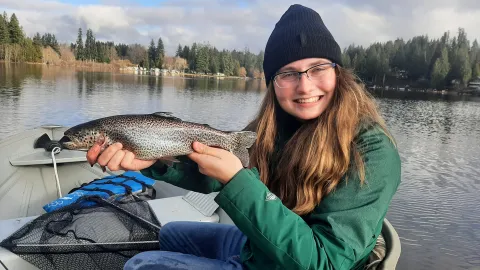
Don’t hesitate to give fall trout fishing a try! The fish are big, aggressive, and tasty. Your chances of scoring a trophy holdover are much higher this time of year. I would recommend trying Potholes Reservoir, the seep lakes, Mineral Lake, Clear Lake, American Lake, and Harts Lake, for starters. There’s no need to put up with crowds or drive all day to the coast. Give your favorite local lake a try! It’s also a great way to put kids on fish. Some kids just don’t have the patience to troll or cast all day for salmon, but they’ll love seeing those trout takedowns! Don’t forget to bring the net, the size of these trout can surprise you.
Hope to see you out there this fall!
/articles/fall-trout-strategies
Ode to the changing seasons!
I’ve always been a fan of the changing seasons, for the blustering chill in the air, and the transforming colors in majestic trees. Shorter days and longer nights. And who of us can ever forget, the hatcheries unleashing their beasts!
The Cowlitz River
The Cowlitz River is my favorite river by far. Every year we spend October 31st on the river for “Cowloween”. Catching monsters on the Cowlitz can be done in a variety of ways such as side-drifting, twitching jigs, back-trolling, hover-fishing, and casting hardware. The Cowlitz River Salmon Hatchery produces nearly 13 million fish each year, including about 1.3 million spring Chinook, 5.0 million fall Chinook, and 3.2 million coho salmon. This hatchery is located near Barrier Dam and the Barrier Dam boat launch.
It is no secret that the Cowlitz River is known for some of the best Salmon and Steelhead fishing in the state of Washington. Anglers swarm from around the country to get a chance to catch Chinook Salmon, Coho, and Steelhead. Don’t let its popularity dissuade you, there is still plenty of elbow room. If you don’t have a boat of your own, plenty of seasoned experts offer fun guided trips.
I have been fortunate enough to catch a regular ride with Sather Guide Service. Jared is a skilled captain and fisherman. He has the ability to drive his boat backward with a foot while casting. You are guaranteed to pull in a whopper between Jared and his deckhand. These guys will set the hook if you like and hand it off. This makes for an exciting and fun experience for less seasoned anglers.
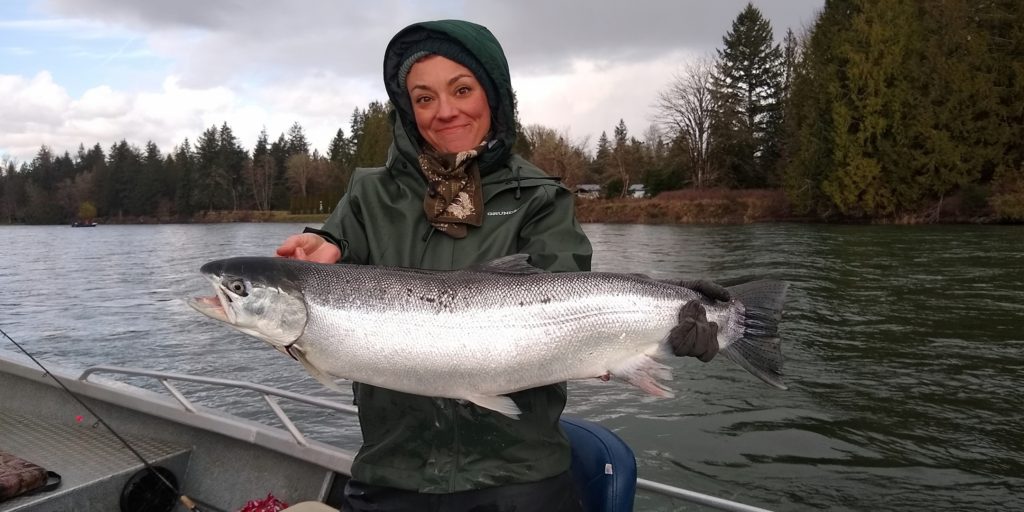
I set my own hook and landed these beauties. It is a team adventure, with jokes and snacks too! Jared has the stamina to fish dawn to dusk but is very conscientious of all guests should the need to go to shore arise. There are a few options for overnight stays near the Cowlitz. A few of my favorites would be Toutle River RV resort. We opt to stay in the “Love Shack”, a quaint little studio apartment. It’s affordable. Though proximity to the train tracks might annoy some, we enjoyed the entire experience.
The Castle Rock
The Castle Rock “Sky Cabin” is a fun experience. Like an adult tree house with all the amenities. Off the beaten path, but only around 20 minutes to the boat launch. If you opt to take just a day trip, there are plenty of great dining options, though I personally prefer renting a space with accommodations for making your own food.
In a pinch, you can find quality dining at El Compadre off Highway 504, The Oasis in Castle Rock or Papa Bears. We love to combine adventures, such as hunting for rocks, covered bridges, quiet trails and breathtaking sunsets. Into bridges? Try visiting the Cedar Mill Grist in Woodland, The fall colors and rambling waters are a sight to see. A quiet and awe-inspiring peek into the past. If you like beautiful rocks, you can find a variety of agates along the rocky creeks that amble the backroads along Highway 12.
If you are a fan of just fishing, the Cowlitz River is a great destination that is hard to beat. Launch early and stay late! It will be a wild ride full of catching and keeping!
/articles/ode-changing-seasons
My Memory of the "Bait Boy"
The first time I met Paul Hamilton was a brisk October morning on the Snake River at Heller Bar; he showed up with Rob Holman from Northwest Fishing for a combo Chinook salmon and Steelhead trip. This was first of many shows we filmed together over the years.
One skill I have developed over my 32-year guiding career is reading people. I can watch a person as they approach the boat and it's amazing what you can decipher in 1 minute. On this morning, Rob approaches with his crew and immediately I notice this larger man with a smile, cowboy hat and a mouth full of chew. By his appearance alone I knew this was my type of dude. Paul hopped on the boat with a spring, he was fairly agile, I could tell for a bigger man he was athletic. Sure enough, within an hour I knew his life story. Paul was a college wrestler and we shared good friends, many who had wrestled with him.
A Few Things About Paul
He lived in Hillyard which is a suburb of Spokane and sold insurance for Allstate. My pal loved Hillyard and loved selling insurance and he was very good at it. I feel fortunate that he was the type of guy you liked and trusted. After a few hours into the trip it was evidently clear Paul liked fishing and he was a excellent angler. He caught multiple Salmon and Steelhead.
He was very good on the camera. It's hard to find someone good on camera. Most people see the camera and immediately clam up, so when we are filming a show it's nice to have a personality like Paul. Paul was a go-to person for some entertainment and good camera conversation.
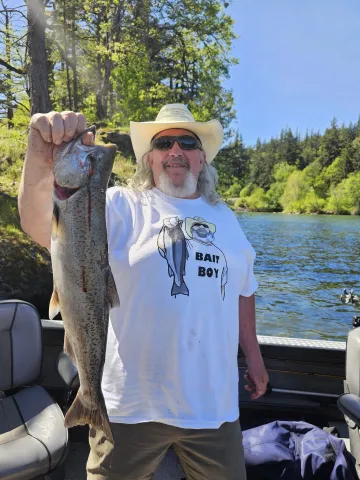
Over the years we spent a lot of time fishing and filming together. I joked with Paul and called Paul the CEO of Northwest Fishing. Paul and I got a kick out of this as everyone knows Rob holds that title (haha). Paul dubbed himself the "Baitboy" and really loved the title.
Our Last Trip
On my last trip with Paul was to Drano Lake and the Wind River. Paul showed up with T-shirts with his image holding a salmon titled "Baitboy". I laughed and gladly wore it! Paul had brought some personal friends on this trip; they were longtime buddies. Those last two days were filled with amazing stories and fish catching. I'm glad to have known Paul, he was a character and enhanced any environment he attended. I will wear his shirt loud and proud just like Paul.Editors Note: Baitboy T-shirts are available at www.northwestfishing.net with all proceeds going to a newly established Paul Hamilton Memorial Fund to benefit youth in his community.
/articles/my-memory-bait-boy
Of Drinking Towns and Fishing Problems
I picked up a pair of hitchhikers on 3rd Street in Bend (I'm not talking about ticks this time), and neither of them seemed to know the other. The guy asked what I knew about panning for gold and the girl wanted to tell me she had read The River Why. And isn't that like all the people that come to Central Oregon?
One of the funny things I've noticed is on places like East Lake or Paulina or on Crane Prairie or Lava Lake, the fishermen stream back to the launch for happy hour. It's not because they caught so many fish, it's because they have dinner reservations at a brewpub in Bend. They leave the lake at the exact moment the fishing is getting good. Nothing wrong with not catching fish, except not catching fish.
I made a list of fishing towns in our part of the world, and it seems I could make the same list and call them drinking towns. Perhaps this is the core of the problem. Tourists come to a drinking town for vacation, but they have a fishing problem.
Places to Fish
They fish in the toughest part of the day and then want a beer because the fishing was bad. Here's a thought: drink a beer in the middle of the day and go fishing when the fishing is good!
I spoke to a fly-fishing club from Bellingham, Wash., and they wanted to hear about Central Oregon rivers. They knew about the big four - the Deschutes, Crooked, Fall, and Metolius. To fish them well, an angler is probably going to base out of Bend, Sunriver, Prineville, or Sisters, all towns with great restaurants and more than a few brewpubs. And also cone-lickers.
What about the White River? There are sections of the White that never get fished and the trout can get big. Or the John Day where an angler can catch 100 bass on the fly on any day in July or August. Or fish the McKenzie where the trout chase caddis above the surface! The North Fork Santiam above Detroit Lake can deliver great dry fly action. The Ana River fishes almost all year long with reliable hatches and a lake nearby (Ana Reservoir) with trophy trout. The Williamson can turn out wild trout that tip the scales in the teens and they take dry flies! The Upper Klamath Keno Reach can turn out crawdad-eating six-pound rainbows any day in October. How about the Wood? The Upper Willamette? The East Fork of the Hood? The Chewaucan? There are more.
Remember your Map
Get out a map. Accordingly, you still have a map, don't you? Trace those little ribbons of blue and find the nearest towns. You'll find places like Service Creek, Spray, Sumpter, Maupin, Tygh Valley, Summer Lake, Parkdale, Paisley (yes, Paisley), Westfir, Chiloquin, Blue River, and Wamic.
Fish the small rivers. Stay in the small towns. Stay at a bed and breakfast or in a tent, and get your breakfast at the tavern, and dinner too. Drop off a six-pack at the nearest fly shop and see what kind of good stuff they have been holding back. Drink coffee with the locals.
Therefore, Use a map and maybe a GPS to find hidden treasures - the places where you can't see the stream from the road, but you find a place to park and go down through the timber to the sound of the water. Wet wade and cast dry flies till sunset.
Wherever you fish this coming year, look at the landscape like a hitchhiker. Let's say you get dropped off in a small town in Utah, Wyoming or Washington instead of a Salt Lake, Seattle, or Cheyenne. Don't fish the big name waters. Fish the places you've never heard of.
I like to think that pair of hitchhikers is going to get married. On the honeymoon they would decide to compromise and devote their lives to protecting golden trout. And hopefully they can afford their own car. And deodorant.
# # #
For a copy of the Fishing Central Oregon book, send $34.99 to Gary Lewis Outdoors, PO Box 1364, Bend, OR 97709 To contact Gary Lewis, visit www.GaryLewisOutdoors.com
/articles/drinking-towns-and-fishing-problems