Hot Coho Action
There’s an old adage that when one door closes another opens. In this age of fishery closures I think it rings very true for anglers. We have limited options, but that doesn’t mean we have no options. Nowhere is this truer than for this falls Puget Sound coho fishery. As any salmon angler around Puget Sound knows, Area 9 is closed for boat angling for coho. Per WDFW, the reason for this action is to protect expected low runs of wild coho and pink salmon returning to the Skagit and Stillaguamish rivers. But right next door, Area 10 is open for clipped coho. This presents a unique opportunity for anglers targeting coho. What is that opportunity you ask?
Area 10 is on fire with coho salmon!
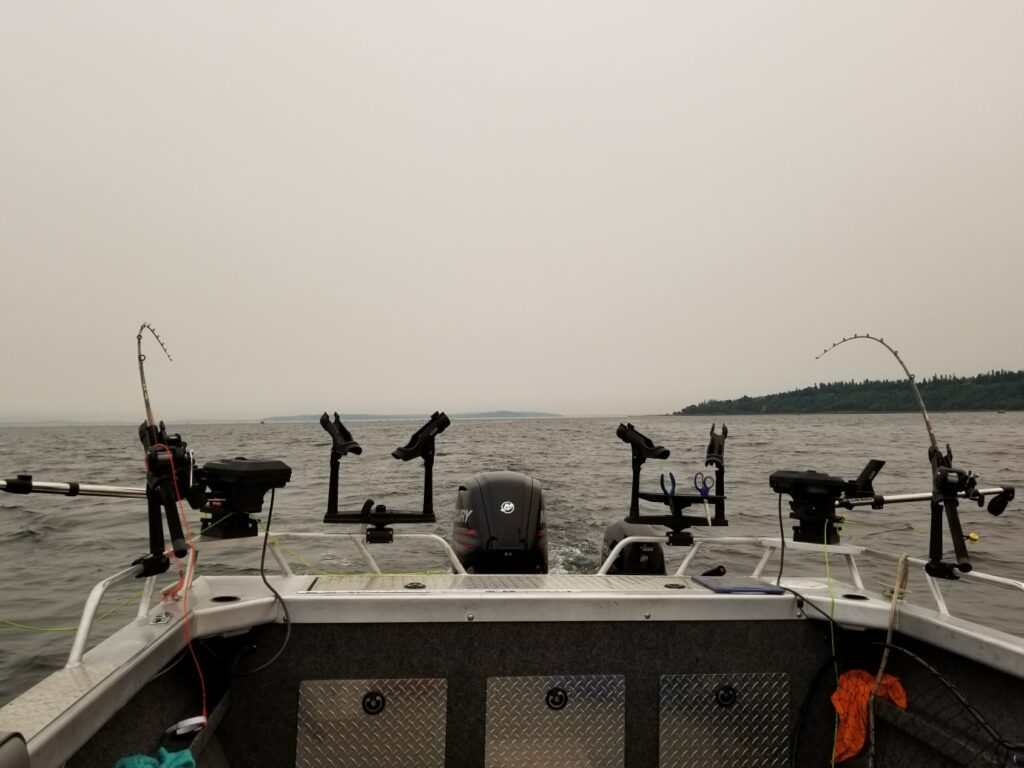
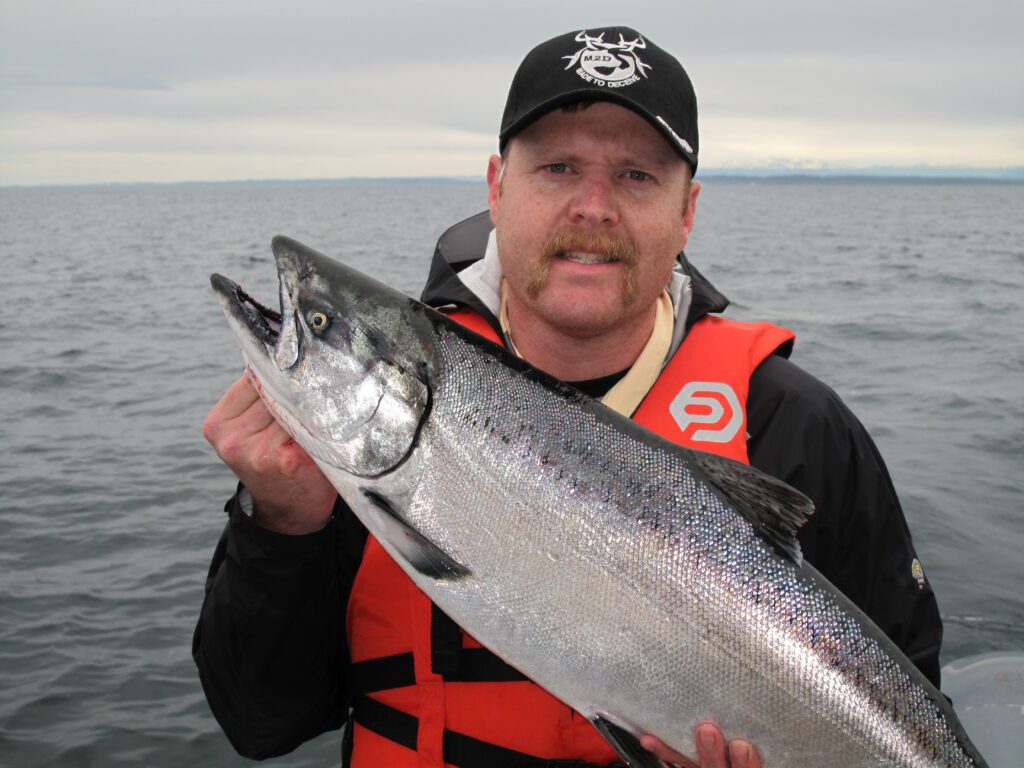
My wife JoAnn and I recently launched our boat out of the Edmonds Marina and instead of turning north, we headed south, toward the oil docks. What we found was some impressive coho action that we certainly did not expect. And reports coming in to our web site, NorthwestFishingReports.com, from other anglers confirms it - this could shape up to be an outstanding year for coho fishing in Area 10. The two days we went out resulted in limits for us, the second day it took just an hour to catch a limit of coho. In the two days we fished we only ran into one unclipped fish. I have a couple theories for our success and also some observations that may help improve your success rate if you fish Area 10.
First, the reason I think this will be an outstanding Area 10 coho fishery. Pretty simple, these fish have hit Area 9 and passed through without being targeted. All those fish that would have been caught as they swung through Area 9 instead got a free pass to head south. (This also bodes well for our terminal fisheries of Lake Washington, the Green River). So anglers in Area 10 are getting a shot at fish that are ready and willing to bite and haven’t seen our gear since they left the Strait of Juan De Fuca. They are growing bigger and more aggressive as they head south to their natal destinations.
What are some of the locations anglers should be targeting? I would say follow the boats, but in this case I’m suggesting you stay away from the boats. Oh, there are the usual haunts to use as starting points. The waters just off the ferry terminal at Edmonds, south to the oil docks, Richmond Beach, Meadow Point, and Shileshole will all produce. On the west side Apple Cove Point (south), Kingston, and Jefferson Head are all well known. In addition, Elliot Bay, but check to make sure it’s open (as I’m typing this it is).
As my wife and I caught our easy limits we watched boats around us. We saw nets coming out and fish being caught in decent numbers. That said, there are a few things you can do to increase your success rate.
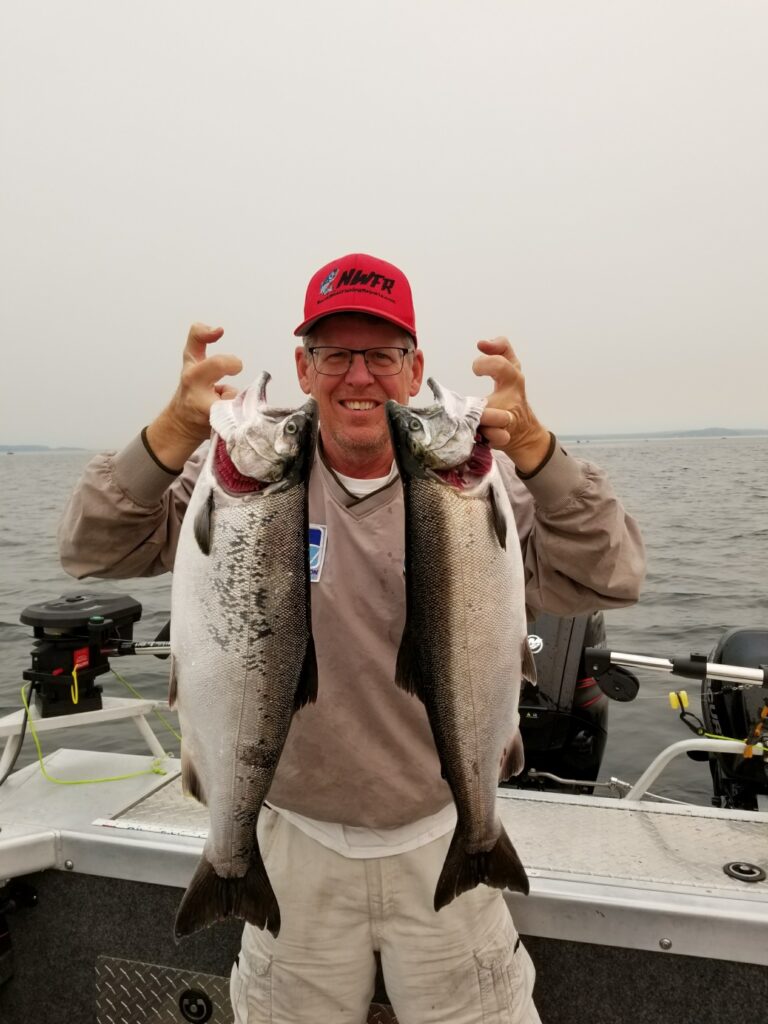
First off, as noted above, don’t fish in the fleet.
Coho in the Sound are traveling all over as they make their way south. They will concentrate around points because that is where bait can become concentrated, but in the travel lanes they will be all over. So ask yourself, “do I want to fish with seventy five of my close friends or do I want to move 300 yards away and have the water to myself?” I know how I answer that question. I admit its human nature to hang out in a group. That’s why we live in cities. But when it comes to coho fishing in open water you’ll do just as well and probably better off by yourself. Plus it makes it a lot easy to swing back on these fish as they are not loners. When you catch one you should know there are likely a half dozen swimming along.
Let’s talk about another factor that I think many anglers don’t focus on – speed. A few years back I ran a Go Pro off my downrigger ball to film some underwater coho action. (you can watch this video on our YouTube page, just search for “Puget Sound Underwater Coho” on YouTube). The most striking thing I saw on this footage was the response coho had to getting the flasher to fully rotate.
If the flasher did a wave back and forth or an occasional rotation the salmon would just swim behind and watch. But when the speed increased and that flasher went into full rotation mode it was “game on” as the coho suddenly became more excited with the followers suddenly darting back and forth until one committed and hit the bait. Watching the action I became convinced that speed is critical in improving your success rates on coho salmon. That’s not to say you can’t catch coho trolling slower and many do, but I think you’ll do better going fast. How fast? We troll 3.1-3.3 mph into the tide flow and 3.4-3.9 mph with the tide.
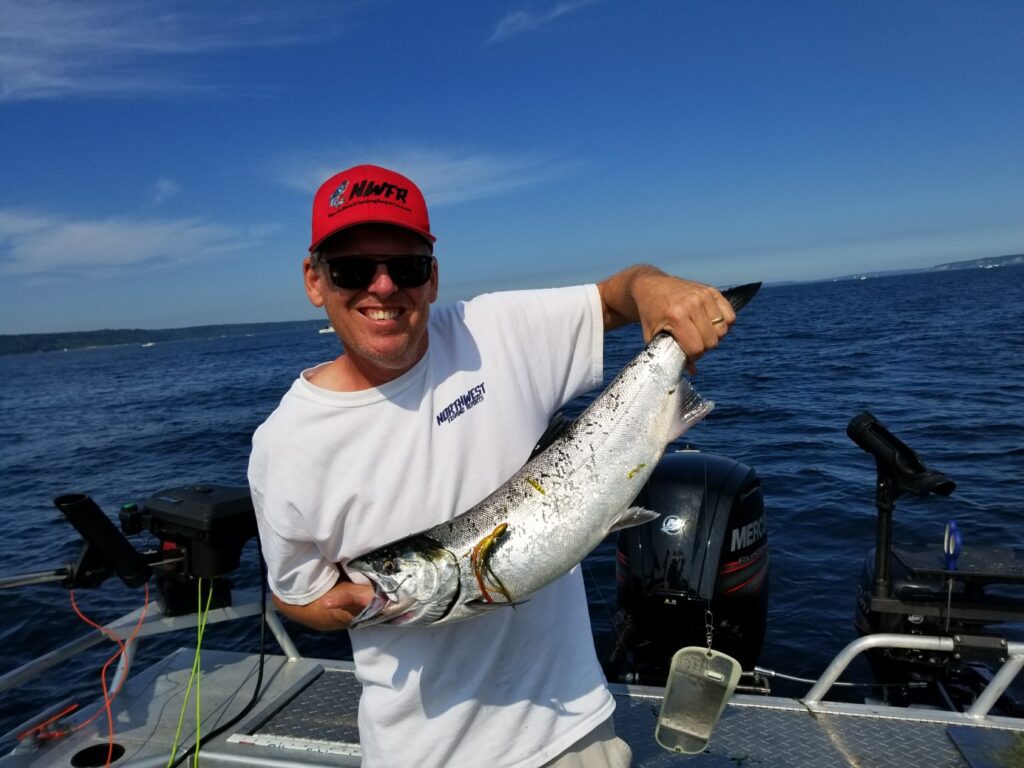
The difference in speed is because trolling into the tide activates your flasher, like pulling a plug in the river, the plug dives easier into the current. Trolling with the flow of the tide means your boat is being pushed along by the tide so you need more speed to activate the flashers into full rotation. The other thing you need is good downrigger clips and to bury them at least three quarters into the clip. Trust me, when a coho hits at 3 mph it will pop the clip in almost every case. There’s nothing worse than clipping too light and having to constantly reset your downrigger. It will cause you to slow down which you don’t want.
In addition to fast trolling my boat has an itroll throttle control on my kicker. I bought it from ifish solution’s Alan Hanna. He sold me on the importance of varying your speed. The unit does a superb job with multiple programmable functions to set automatic speed adjustments. Just set it and go. The two days we got limits I had the itroll set to “bump” the speed up 0.3-4 mph every two minutes for 15 seconds. What this does is give the flasher a rotational increase that can stimulate the coho into a bite if they are in “mesmerized mode”, just following your bait but not biting. The speed variation can be enough to trigger a bite. If you don’t have a throttle controller you can simulate this to some extend by doing s-turns from time to time. Avoid the habit of trolling in a straight line at a constant speed.
As to gear that worked for us, we went with smaller 8” flashers, generic medium-sized hoochies in splatter green/glow, white glow, and army truck. We also had good success with an Arctic Fox Trolling Fly Salmon Series in blue. Leader lengths were 26-28”.
In the past we have had great success fishing deep, down to 90-120 feet on the downrigger cable. With a 3 mph trolling speed the sweep back of the cable would suggest actual depths of 70-90 feet deep. This trip, however, we had no fish finder on the boat so set the downrigger rod at 35 feet first thing in the morning and lowering to 45 feet deep as the morning progressed. We also opted to run a Deep 6 on our second rod out 60 feet, which would put that gear right around 30-35 feet deep. This rod saw the majority of the action. There’s nothing like watching a rod double over and hearing that reel clicker scream!
I hope you have a chance to go out and hit this fishery. The action should be good into early October so there is plenty of time to get your coho. Good luck and stay safe.
/articles/hot-coho-action
Silver Salmon River Lockjaw Strategies
Standing at the river's edge and surveying the waters, a loud splash disrupted the silence of the day. Coho or silver salmon are known to roll and jump often, and this gives away their location. This fish was in heavy cover where downed logs had created a log jam and there was no way to get to it without risking gear being lost to the sunken trees. But it meant that fish were in the river and that was good enough to load the tackle into the drift boat and launch for a day of searching for more coho.
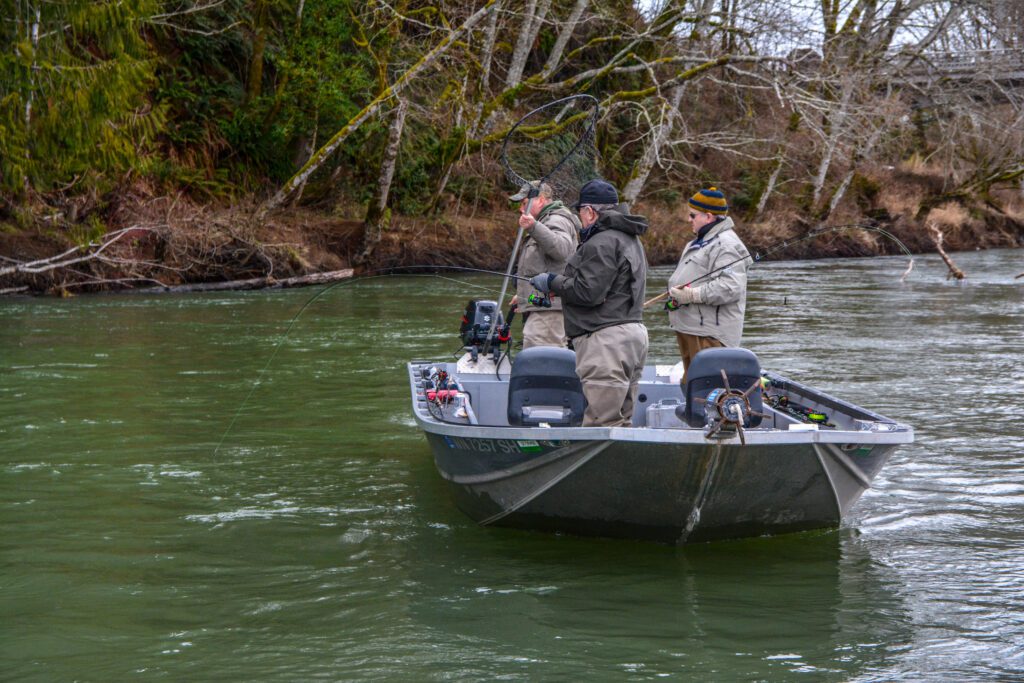
Rowing down the river, which was calm and quiet, we came to a large back slough. The water here was stacked up from the previous winter's floods that cut the side channel deep but now the water was shallow at the outfall creating a lake of sorts. This is known as “frog water” and coho prefer to sit here and rest until they regain energy to continue upriver. With a lot of fish holding in the stagnant waters, one would think these fish are easy to catch but anglers often forget that these are resting fish and that means they are lazy and often lockjaw.
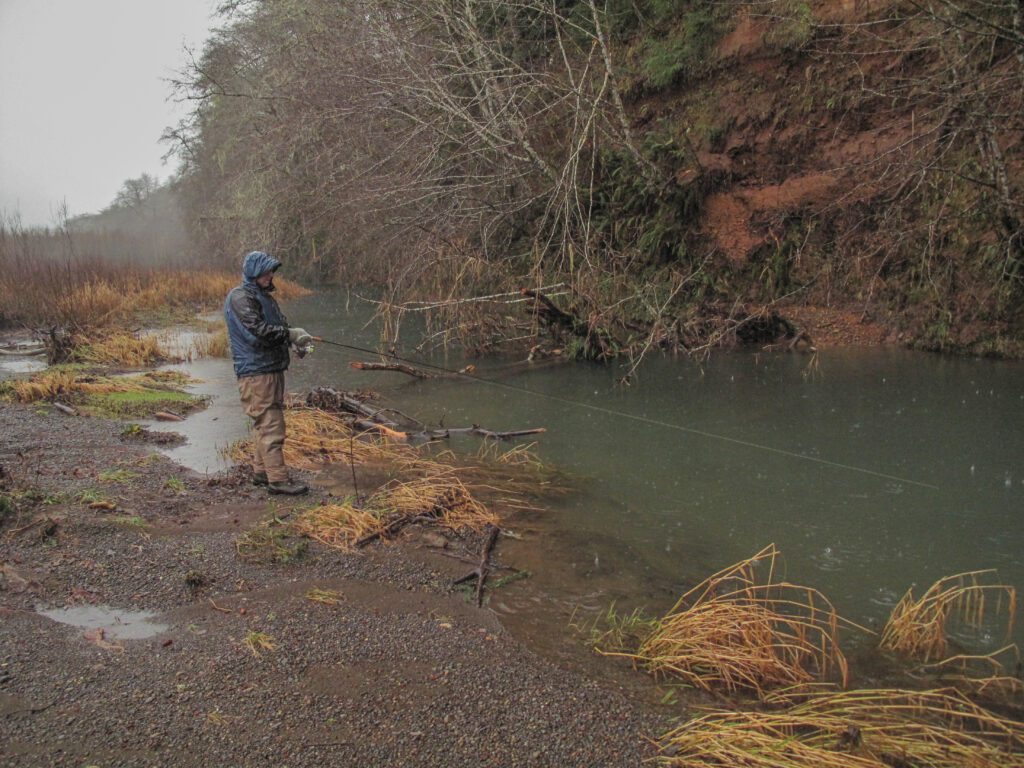
The term “lockjaw” means salmon unwilling to bite. Unfortunately, when anglers come upon a dozen or more fish that are lockjaw the temptation to snag becomes overwhelming. Not only is this illegal but also it hurts the runs of coho because these are resting fish and when snagged they exert energy they are trying to use to head upriver and spawn. When a fish becomes too tired to move it simply dies because water needs to flow through the gills and if the fish cannot move and it is released into slow or stagnant water it will suffocate and die.
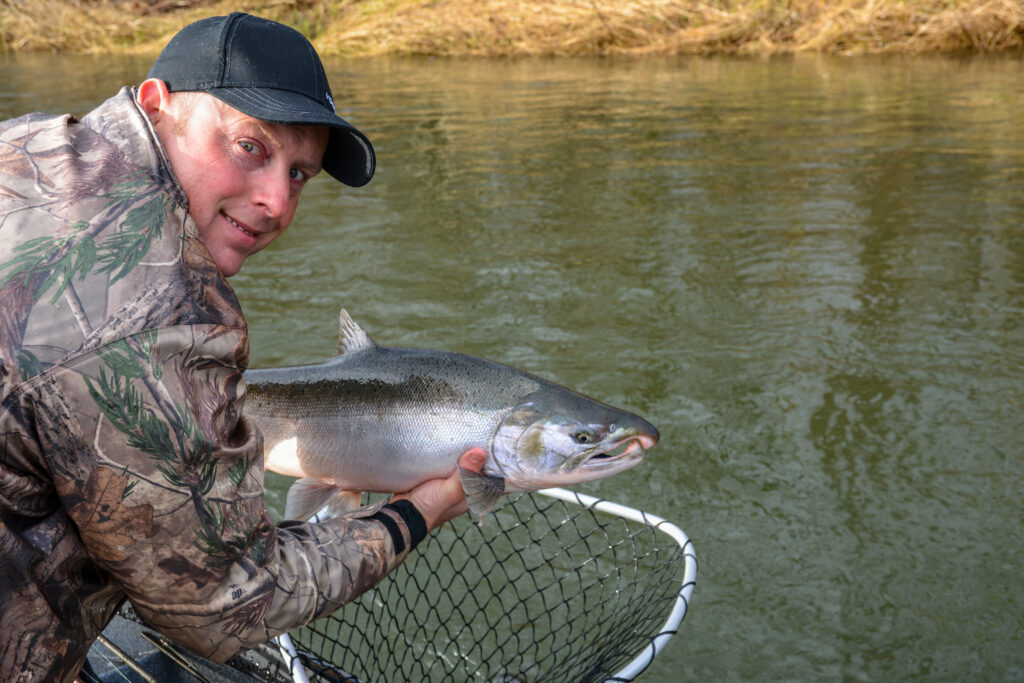
So, how do you get fish to bite when they are all lockjawed? The answer is simple and that is to find fish that are not lockjawed. Seems silly to say that but it is true, you will not get a lockjawed silver to bite. This does not mean giving up fishing for the day but instead knowing that there are biting fish, or a bite might turn on throughout the day. Back to the stagnant waters of the slough.
These fish are resting but that also means they will get their energy back and will bite. If you have ever thrown a spinner or twitched a jig in this water when it is clear enough to see the fish, then you will notice a fish or two out of the school will start to give chase. These are fish that are done resting and have energy and are just waiting for the right conditions.
The right conditions can be anything from enough time to recover to a shot of rain bringing up the river just enough to make it easier for them to migrate. Anglers often head to the river early to get the “early morning bite” but what is really happening is the water has cooled off from a brisk fall night and the fish are more active. As the day heats up the water also warms, and this means less dissolved oxygen and therefore tired salmon. One way to beat the lockjaw is to fish on cool days, after it rains, or early in the day.
Sometimes, our schedules do not line up with the perfect conditions and anglers can only hit a river when the conditions are all wrong for active fish. You can still beat the lockjawed effect by looking for parts of the river where the fish are active. For coho this can be a deep hole where the water is cooler, and boulders churn the flowing water creating dissolved oxygen. Same with riffles and holding areas in the shade. One hot fall day we were floating a coastal river and working on our sunburns when we came across a long stretch of water.
The current was moderate, and the bank had overhanging trees. Peering into the shadows we saw coho stacked up in the shade, swaying their tails in the current and we thought they were just resting. Tossing a jig and a few quick twitches later a fish slammed it hard and erupted out of the water. These were not lockjawed fish but ones that were just staying out of the bright sun and being protected by the overhanging branches. They were also not in “frog water” but instead in a moderate current where they could sit and let the water run through their gills.
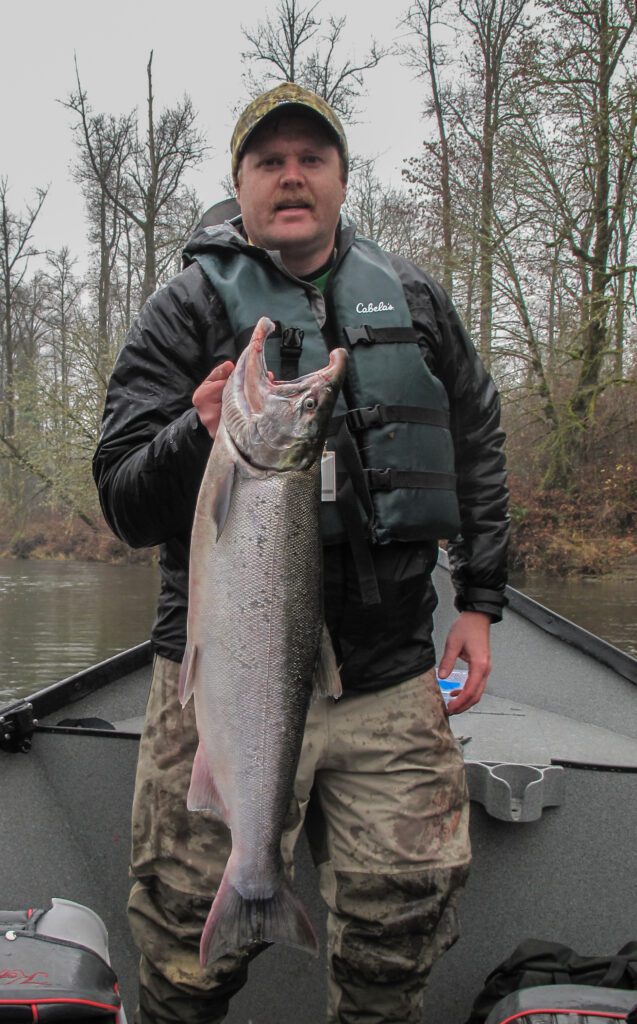
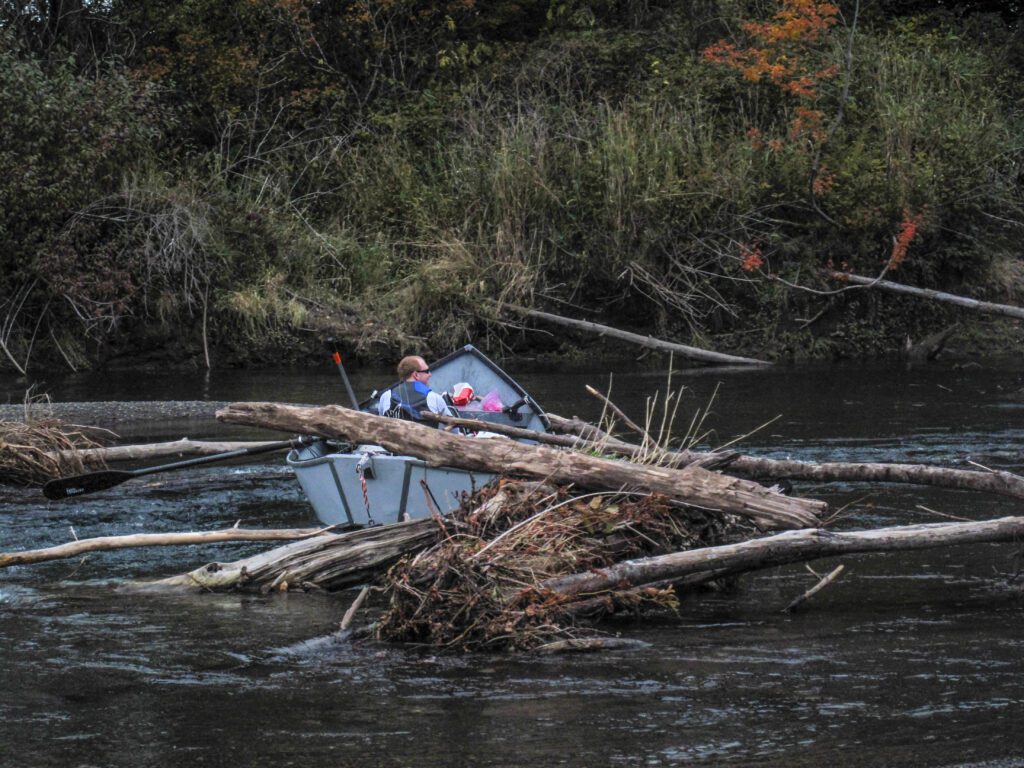
Log jams are notorious places for coho and for eating gear. It is the hardest place of all to catch salmon. Look for deep holes often created by the log jams and watch the fish, or when you see the splashing and rolling as this often means fish are active. A tired fish will sit and rest, but an active fish will be splashing and rolling as it uses energy to do this. Why salmon do this is still unknown with several theories but one thing that is known is that fish that are active are not lockjawed.
Be careful parking the boat over a log jam in current but if you find one that is in a soft part of the river then you can oftentimes move the boat over and tie up to the log jam. The key here is to let the hole rest because it is likely the fish moved out once you put the boat over them. Coho like log jams because it is covered and they feel safe from predators here; the boat will become part of that cover once the commotion stops. Several times we have looked over the edge of the boat and seen coho underneath, sitting there just like they do in other cover.
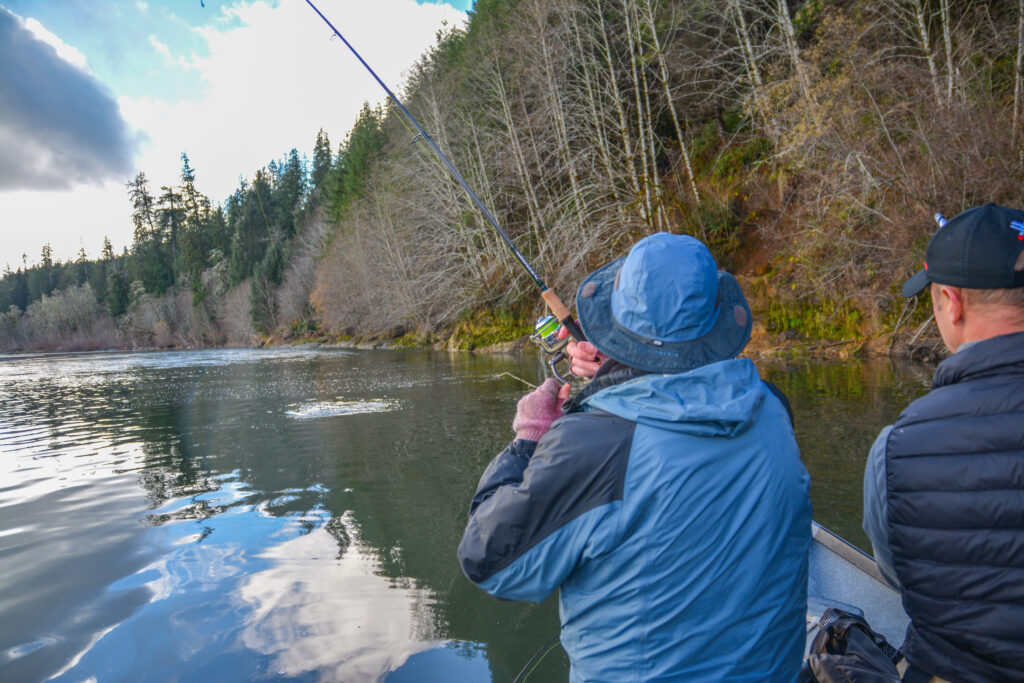
Techniques vary and sometimes you can get a “lockjawed” silver to bite–though the fish was just resting and is now recovered-by using a bait that it simply cannot resist. Such techniques are often the presentation of bait like cured eggs. If you have ever hoverfished, then you have caught resting fish using eggs. This technique which is extremely popular in the Columbia River Gorge is done at tributary mouths where the colder water from the tributary is dumping into the warmer Columbia. The fish will stack up here to rejuvenate in the cooler water and the bite is often very subtle. Floating eggs under a bobber is a top technique to get resting coho to bite. Back to the frog water slough, it is best to float fish it first and see if there are any resting but willing biters in there.
Twitching jigs and swinging spoons or spinners are for active fish. Use these techniques where fish that are more active, such as in runs, riffles, and deep holes. Yes, they also work in stagnant waters but again you will notice that out of the entire school of fish, only a few will chase down the lures. This means having patience and knowing that the fish will eventually get their strength back and bite.

Same with moving fish, be ready for a long lull in action and then all a sudden the “bite” is on. It is likely fish moved upriver and to your location. One cold November day we were fishing the Satsop River and anchored by a small back eddy along a cut bank. We stayed there all day long twitching jigs and occasionally, a pod of coho would make their way upriver. This was announced by one of us hooking a fish and then it would be “on” for a few minutes with everyone catching a fish or two and then the coho simply moved on.
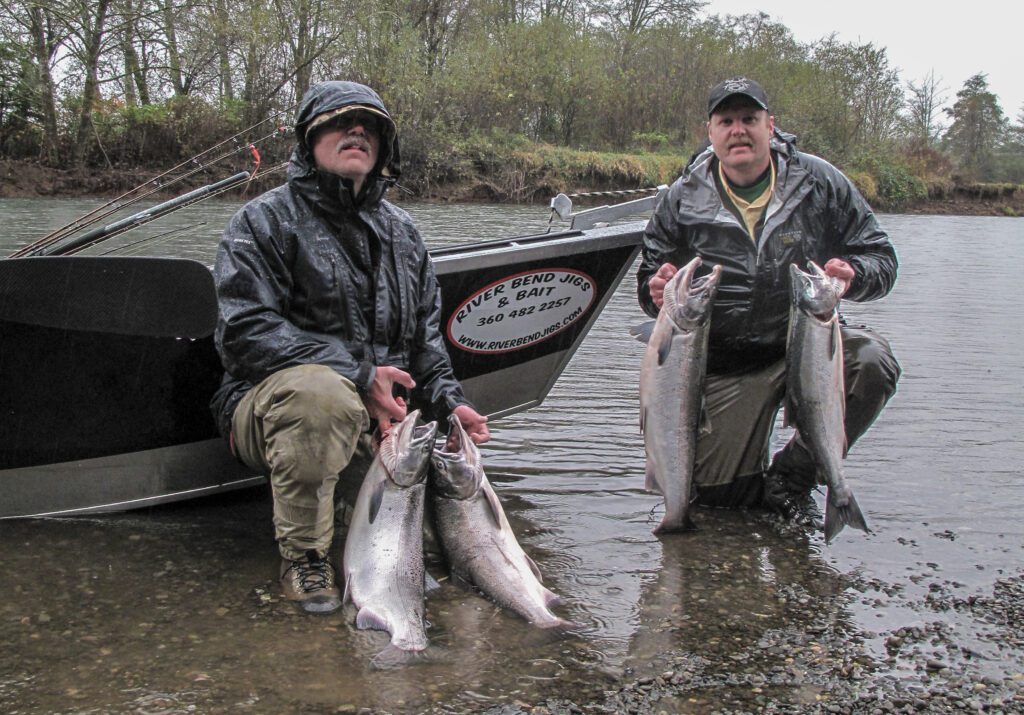
Lockjawed coho are hard to catch and the best way to catch them is to look for fish that are willing to bite. Knowing when they are lockjawed and not harassing them is the best technique you can do to catch more fish. Find willing biters and leave the tired fish alone. Wasting time on them only hurts the run and will cause you to become frustrated. When you make your way to the edge of the quiet river, pause and look around, listening for the splash of a coho. These are the fish you can catch.
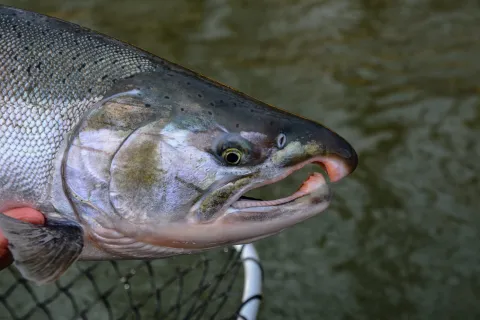
/articles/silver-salmon-river-lockjaw-strategies
The Other Red Meat
It has been an awesome year for chasing salmon out on the salt, but if you are a Marine Area 7 (San Juan Islands) fisherman you may be thinking now what? MA 7 chinook is closed for the year. At this point, there are limited fall chinook opportunities for our Western Washington salmon slayers. Then halibut, although the fishery is open through September 29th most of them are out in the open ocean doing halibut things. Lingcod are closed for the season and our rockfish fishery continues on a long-term conservation closure… What do we fish for? Why not chase San Juan Island coho, the other red meat?
As always review the regulations and Emergency Regulation notices before heading out but the current season is modeled as being open as follows:
8/1-8/31 2 coho no minimum size, release wild fish
9/1-9/29 1 coho
When heading out to hunt San Juan Island Coho, make sure you are aware of the southeast MA 7 closure, and if you plan to fish the banks be cognizant of your actual location. Know where the Canadian border is and where both the MA 7 and MA 6 boundaries are.
Regarding regulations; this year there has been an increase in the number of WDFW staff Safety and Security Incident Reports filed for harassment of WDFW personnel. The Safety and Security Incident Reports relate to negative interactions with anglers and were submitted by Puget Sound Sampling staff over a two-month period this summer. The negative interaction makes WDFW recruitment and retention difficult and staff have quit their job over the treatment they've received this summer.
RCW 77.12.071
Sampling of fish, wildlife, or shellfish by department employees.
- (1) Department employees, in carrying out their duties under this title on public lands or state waters, may:
- (a) Collect samples of tissue, fluids, or other bodily parts of fish, wildlife, or shellfish; or
- (b) Board vessels in state waters engaged in commercial and recreational harvest activities to collect samples of fish, wildlife, or shellfish.
- (i) Department employees shall ask permission from the owner or his or her agent before boarding vessels in state waters.
- (ii) If an employee of the department is denied access to any vessel where access was sought for the purposes of (b) of this subsection, the department employee may contact an enforcement officer for assistance in applying for a search warrant authorizing access to the vessel in order to carry out the department employee's duties under this section.
- (2) Department employees must have official identification, announce their presence and intent, and perform their duties in a safe and professional manner while carrying out the activities in this section.
As a participant in our recreational salmon fishery, please remember that the department is required to monitor the fishery. If they do not have the staffing or there are safety concerns, they may have to close a given fishery because they are unable to monitor it as required under the Federal Fisheries permit.
Once you’ve sorted through the regulations and generally know where you are going, what’s the game plan? During Coho season a good chunk of MA 7 will have coho available. Many of the points along the SW side of San Juan Island produce tide rips that will concentrate bait. Find the bait and coho will be there. This time of the year coho put on the feed bag and fatten up for their spawning rituals. Instead of naming off several already busy point fisheries think bait.
Generally, coho will be found anywhere there is bait. Meter around offshore from the point fisheries and look for bait. Study your charts and note any high spots or ridges that will create a current break and have a look.
You don’t need to find a boiling tide rip, even a subtle rolling seam along an otherwise glassy sea will hold bait. Look for seabirds, a bunch of diving birds sitting on the water means deep bait. a flock of gulls, either floating around or on the wing usually means shallow bait, so continuously keep a lookout for birds.
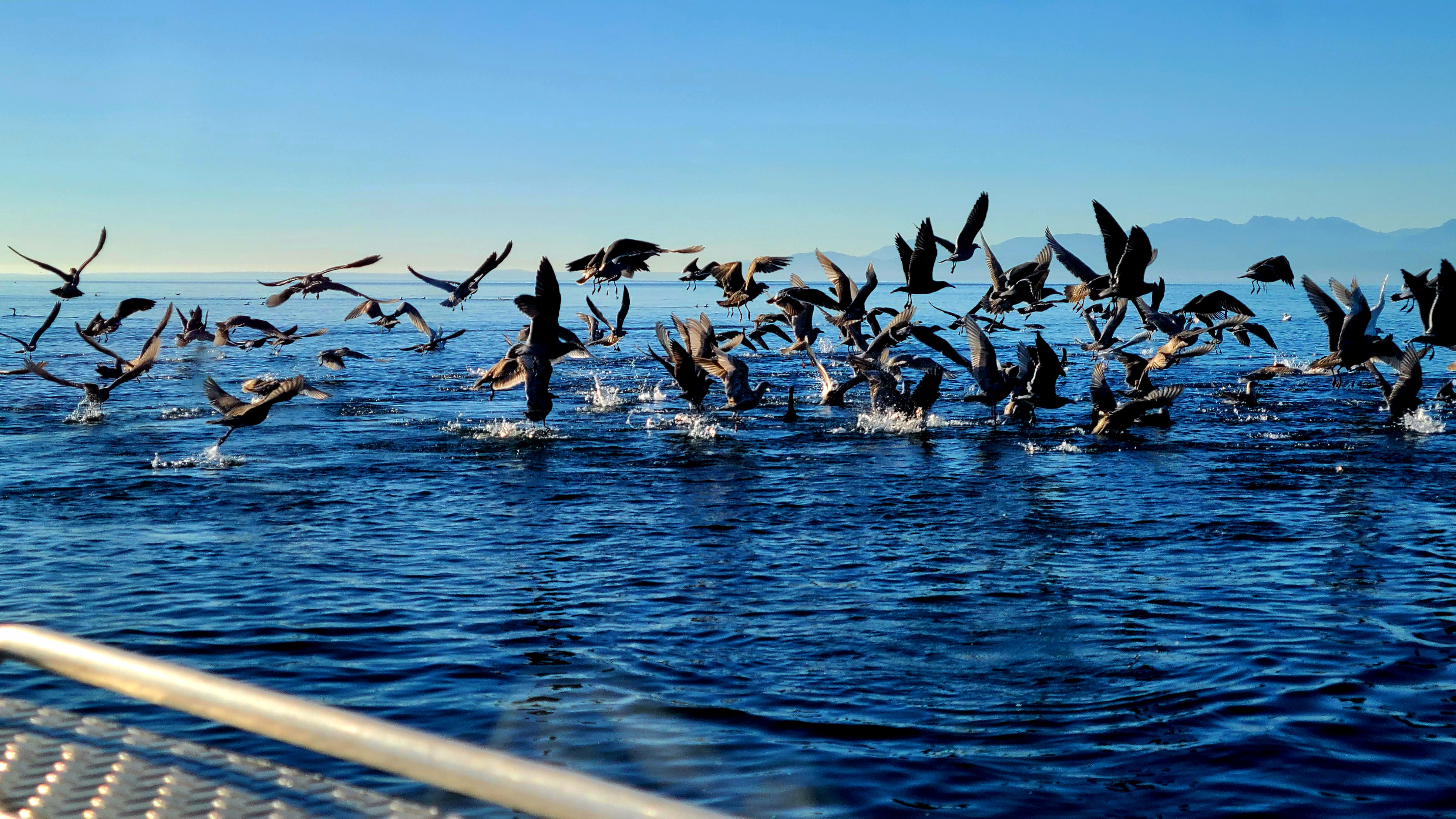
They are kind of the blue light special for coho fishing. Although fishing with the flotilla puts a lot of coho on ice each year, consider finding fish outside the masses. The key to locating coho is locating the bait, find the bait and you will find coho.
One previous September morning, after a quick stop at Holiday for nonethanol and a freshly made breakfast burrito I was off to Cornet Bay. On arrival, I found the bay glassy calm with no wind and was in the water in no time. Fishing with good friends we had agreed to meet at 5:30. I visited with my dock mate and readied the boat and gear for our adventure.
5:30 sharp a set of headlights signals my guests' arrival and we were on the way shortly thereafter. We were handed a gift; the water was dead calm as we motored our way through the predawn darkness. We planned to fish for coho in the Eagle Point area along the south side of San Juan Island. The point was really crowded so I headed offshore to look for bait.
We found a very subtle current break with a number of diving birds sitting on it. Although I had three downriggers onboard, one had problems so we were running 2 and focused on chasing meter marks. We would be rotating through hookups. With very few other boats around we went gear down and started the hunt.
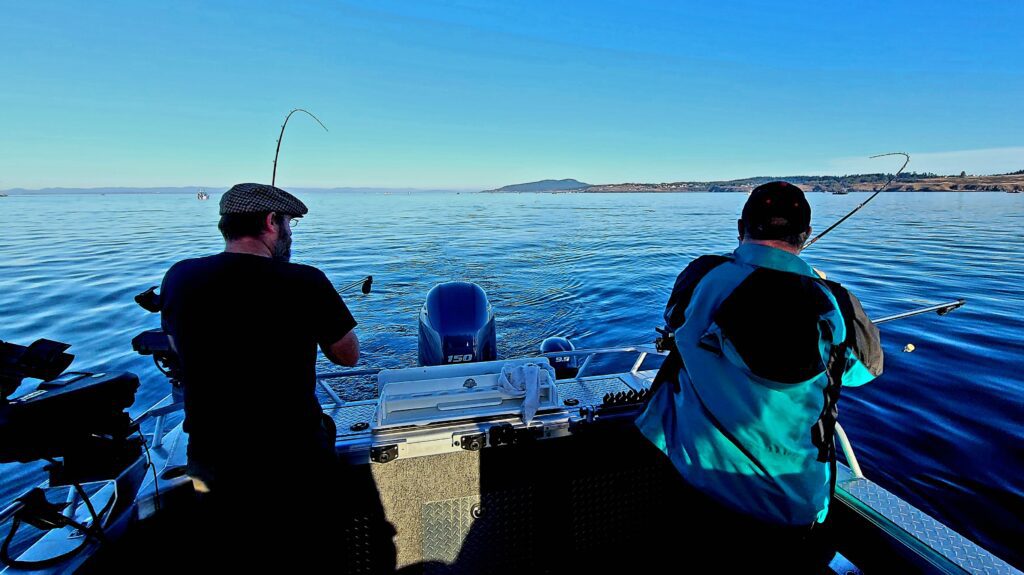
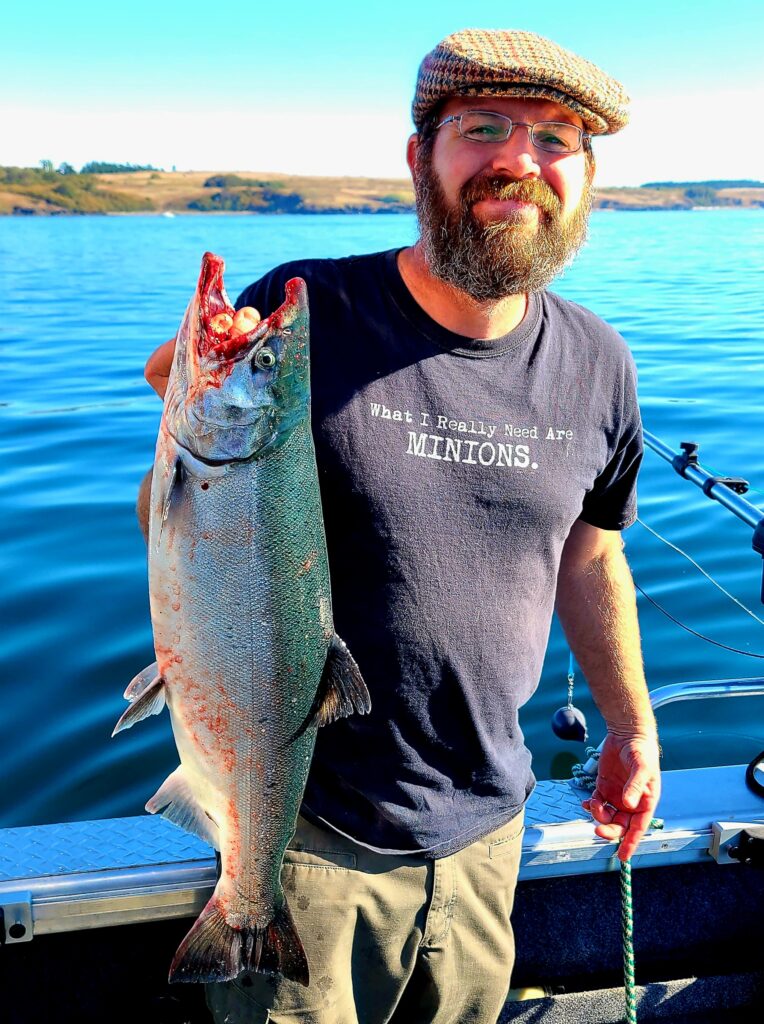
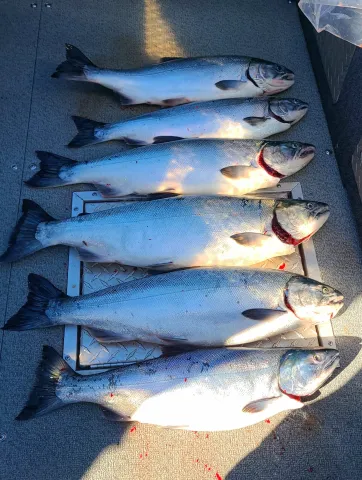
Running only two downriggers turned out to be a blessing because we were on fire. Every hookup turned into a double. Enjoying nonstop action, we had two people fighting fish and one on net duty (2 nets onboard) as we cycled through our rotation. When it was over we had lost about 10 or 12 fish, released a number of fat wild fish but still got easy limits of 8# - mid-teens coho.
It was a stellar day of coho fishing and other than some sore arms my guests had an absolute blast. It was one of the best coho days I have ever experienced. Although I was the skipper, I give credit for our success to a handful of diving birds sitting on a tide rip.
Although many coho are caught on the surface with a cut-plug herring or on trolling flies MA 7 coho are a downrigger show. While most days there is a butt crack of dawn surface bite and occasionally during the day you’ll get a fish with weight or a diver running at 33 pulls, downriggers are a must. Downriggers allow you to target feeding fish.
Regarding gear, probably not a popular opinion, but I think that MA 7 coho are brainless feeding machines. Once they move into the inner sound, they are more selective maybe even smart. In the straights, they focus on their next meal. We have caught coho that were either barfing up small herring or had a number of herring tails sticking out of their mouths, yet they had just snarfed down a hoochie/flasher rig.
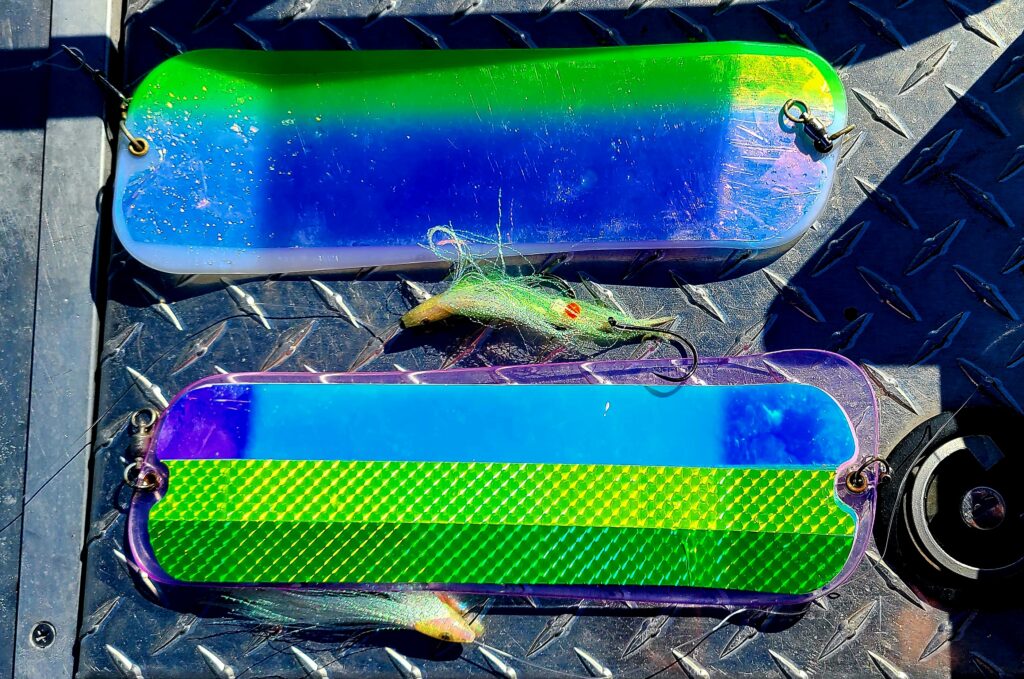
You can’t go wrong with a flasher/hoochie of a flasher/spoon combo. Some version of green or chartreuse would be my starting point but if presented correctly almost any color will work. Many other lures will work too. Consider an Old Goat Lure, a herring or anchovy in a helmet, hoochie/Wigglefin Action Disc combo or even a spinner/bait rig. While coho fishing I always run 11” flashers and the color will vary depending on what the fish want the day that I am fishing.
The day that I took my friends out we found huge schools of small bait so we sized our flies and spoons accordingly. We were running 32-34” of 30# fluorocarbon leaders with a 20’ setback from the clip. All our fish were caught with between 60’ and 140’ of cable out while trolling at 3.2-4.0 mph. The flies we were using were 2 barbless hook rigs and I tipped the lead hook with salted herring strips. The spoons were lathered up with either anchovy or herring goo and also ran on 32-34” leaders.
I want to address the MA 7 weather. I work 5 to 6 days a week on the water in MA 7. While working in the San Juans last year I encountered a significant squall line of thunderstorms. Basically, the weather went from summer boating weather to “what the heck” in minutes. It was windy, pouring icy rain/hail, and very dark. Then the thunder was relentless and deafening.
Coho season falls while our typical summer boating weather is transitioning to an unsettled weather pattern. Most of the time the sea conditions will be very pleasant. But be aware of and prepared for changing conditions. If the forecast is questionable don’t go, or at least proceed with caution. A 15-mph wind against a running tide can be uncomfortable or even dangerous.
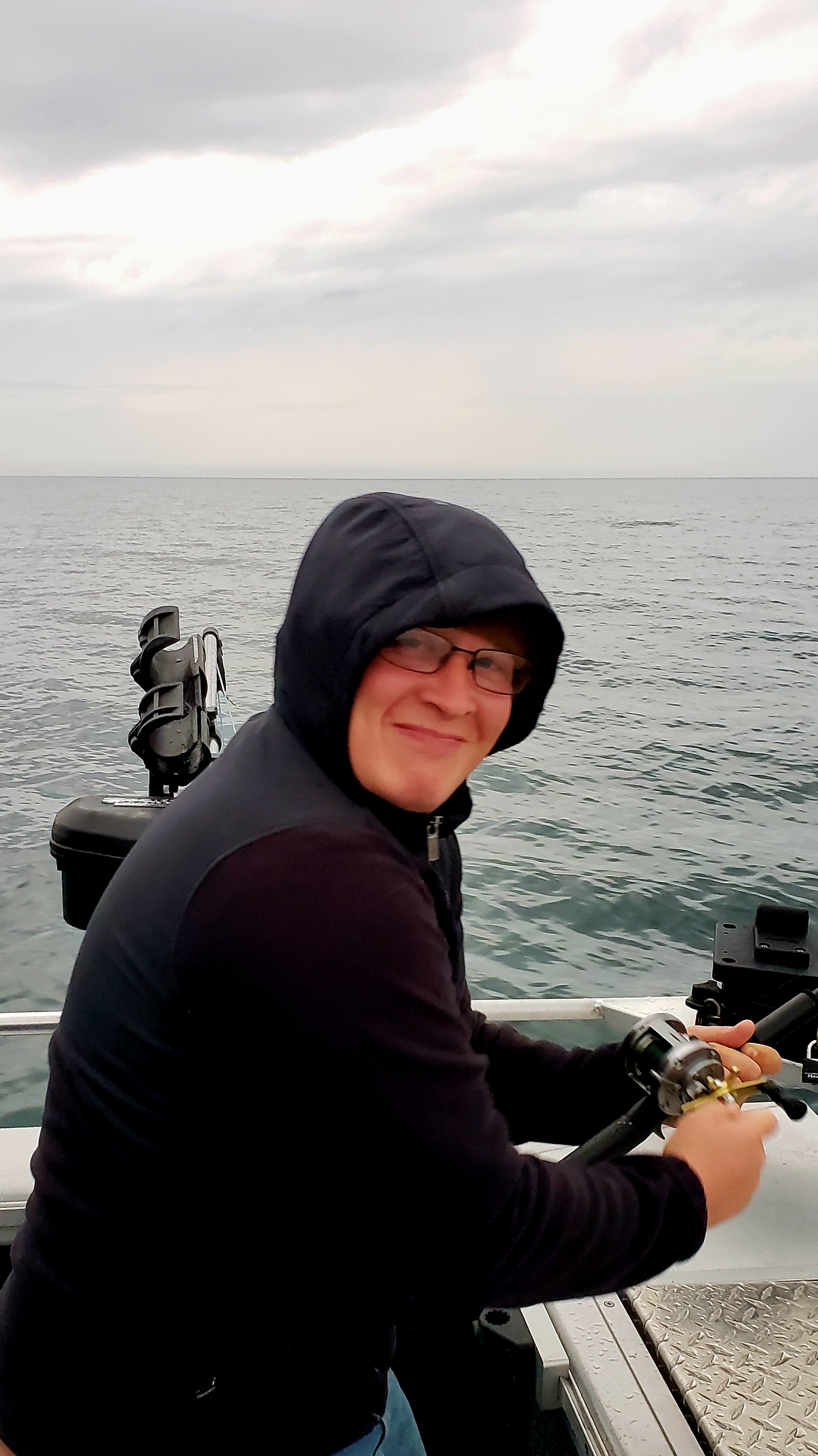
Especially as you depart/approach Deception Pass/Cornet Bay, a key launch area for MA 7 coho. Know the limits of both your boat and crew, and have properly fitting life vests for each person on board and the required safety equipment. Make sure that you have adequate fuel on board, with the longer runs to the fishing grounds and the potential for inclement weather this is not the fishery to play chicken with your fuel gauge. Always err on the cautious side.
Have a game plan for caring for your catch. It will be different for each skipper but have a fish bonker, a bleed bucket, or divers clip and ice available. Once you determine you have a legal fish in the net, stun it to prevent bruising. Then tear or cut a gill, bleed the fish, and get them on ice as soon as they are bled out. Coho are excellent table fare when properly cared for.
Good luck in your quest to catch a box full of San Juan fall coho. It is an ideal family fishery. They are relatively easy to find, usually hungry, and have some serious shoulders. Pack plenty of snacks (no bananas), watch the weather and think safety. Good times and you will find your freezer full of the other red meat, San Juan Islands coho!
/articles/other-red-meat
Gear Up for Puget Sound Coho
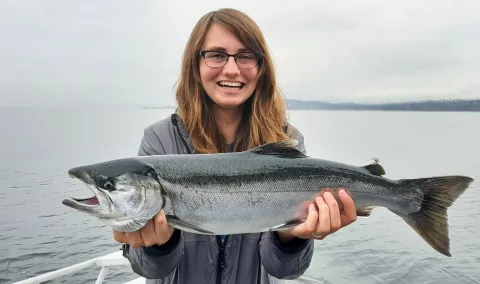
Grab your rods and coolers, it's time for Puget Sound coho! As far as saltwater salmon go, coho tend to be aggressive and eager biters. You can find them in most areas of the Sound, and the bite will only improve as the season progresses. Coho are plentiful and tasty! They taste good when caught in rivers, but you can't beat a chrome coho fresh from the salt. Having the right strategy, the proper gear and good preparation will help you get a boatload of coho this summer!
Trolling is the most popular way to catch these Puget Sound coho. It's a great way to cover water and adjust your depth based on the fish's location. Having the right gear is certainly important, but having a good strategy makes all the difference. I recommend getting an early start and fishing shallow. As the day progresses, fish deeper. Watch for marks and don't be afraid to drop your gear right down into the fish. Pay close attention to your fish finder.
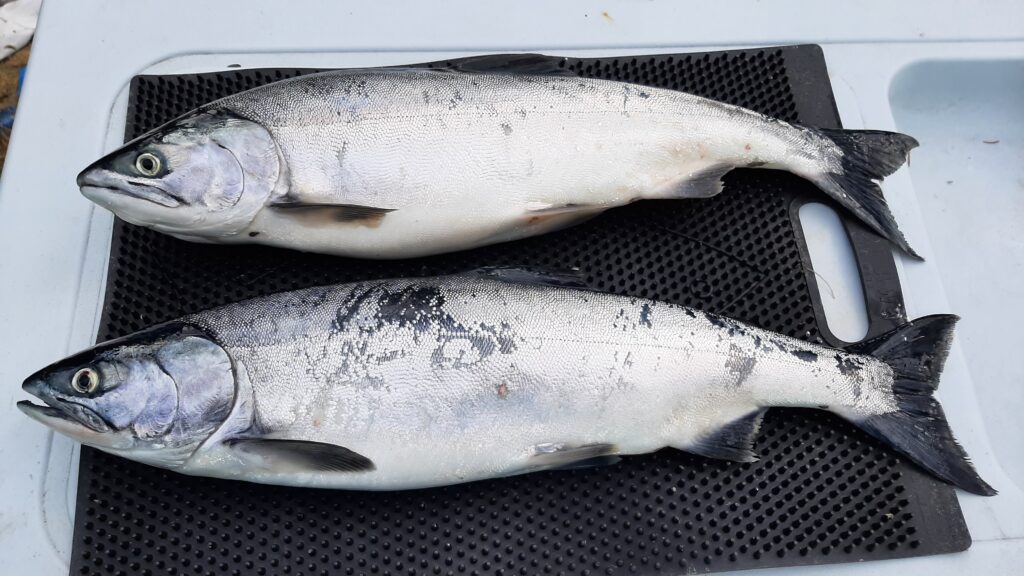
Coho will school up most of the time, so don't be afraid to circle back to wherever you get bites. Coho like a shorter setback than you'd think. I usually use a 50 to 75-ft setback. Trolling speed for coho can be a controversial topic. Speeds anywhere from 2.5 mph to 3.5 mph will work. Here again, is where having a fish finder is crucial. In addition, study tide tables ahead of time. It's no secret that coho love a good tide change. Targeting tide changes early in the morning often results in a full cooler.
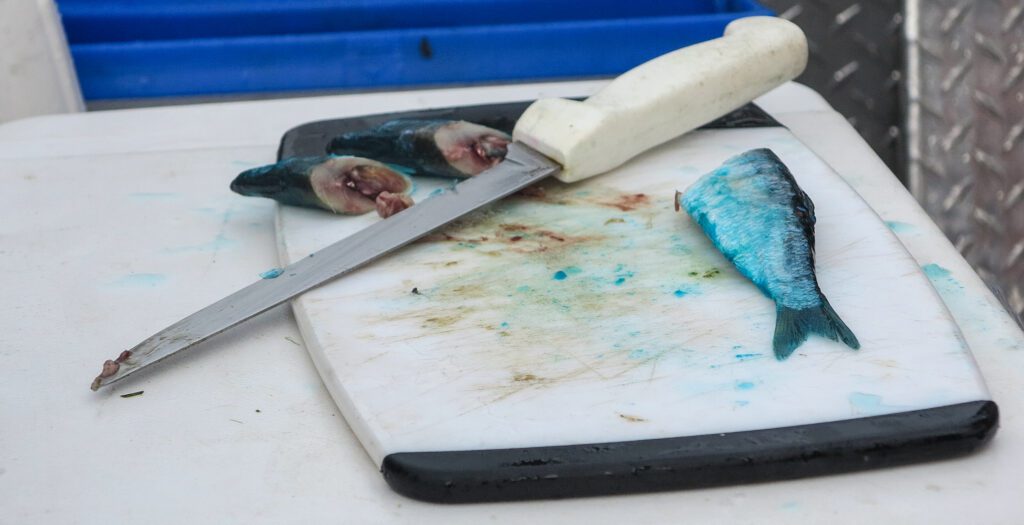
So, what gear do you need? There are several different ways to go. You can use trolling flies, herring, spoons, plugs, or spinners. Sometimes coho can be picky, so it's best to employ a variety of lures. You'll want to run your lures behind a flasher. Many different tackle companies make flashers that work well. Don't forget to smear your flasher and lure with a bit of scent! Coho are smart and some scent can fool them into grabbing your lure a little longer. Most days, coho just can't resist herring. They're out there feeding before going into rivers to spawn, so they're hungry! Don't be afraid to add a herring strip to any lure. You can brine up herring strips ahead of time and attach them to hooks, tie herring bellies to your plugs, or stuff your plugs with herring and tuna. Some fishermen dye their herring during the brining process, others don't.
Knowing the right spots to fish is an important part of your prep work that you should research ahead of time as well. The fish start flooding into the Sound through the Strait, so fishing will be best up north early in the season. My experience fishing for saltwater coho is within Marine Areas 9 and 11, so we will discuss those locations here. The oil docks, shipwreck, and Picnic Point are all well-known producers.
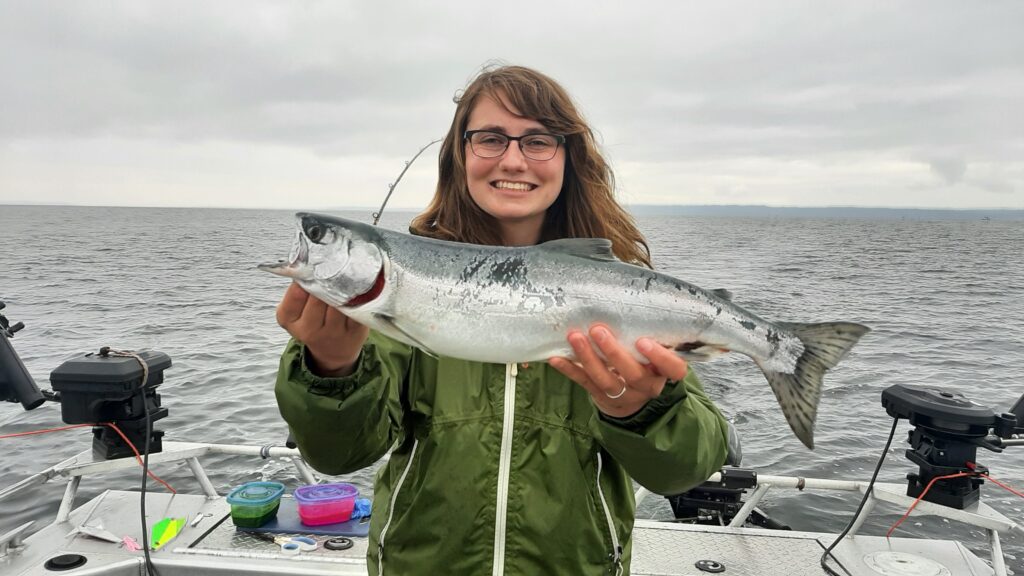
You can launch your boat at Edmonds, Mukilteo, and Whidbey Island. Just be mindful that you don't accidentally cross into another Marine Area once you have fish on board. Sometimes you can keep wild fish in one area, but not in another. In Marine Area 11, common spots include the Yacht Club, Dash Point, and Browns Point. In both areas though, I'd caution against just following the crowd. Don't be afraid to study maps and find your own spots. Points and bays are always good places to start.
Preparation is key! Make sure to check for emergency rules before heading out. Don't forget to brine your bait ahead of time and grab ice to ensure your catch stays cool. Grab those life jackets and check the weather forecast. The Sound can turn nasty at the drop of a hat, especially for small boats. Preparation can make all the difference between a cooler full of coho and a day of disappointment. I'll leave you with a story to help drive this point home.
One day, I was out on the Sound fishing for coho on Mike Carey's boat with another friend. The day had started well- we got on the water at the crack of dawn and saw lots of fish on the meter. We started getting our 3 fishing rods set up when my friend said "Uh oh... I forgot my fishing license!" Mike and I immediately stopped setting up the 3rd rod and told my friend he was on boat-driving duty for the rest of the day. It went from a (potential) 6-fish day to a 4-fish day for us. Preparation is everything! Do your research, make a checklist, and give yourself plenty of time to get ready. Have fun and go catch a cooler of coho!
/articles/gear-puget-sound-coho
August 2024 “Ocean Salmon Update”
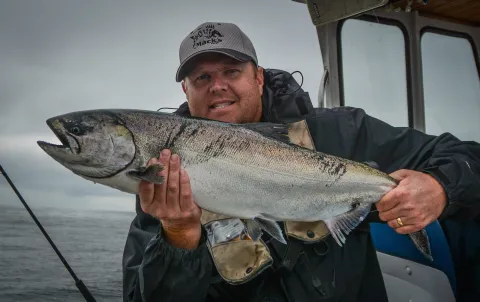
When it comes to fall salmon, anglers consider August to be part of the time of year when pumpkin spice lattes and crisp mornings are the norm. The eighth month of the year is technically still summer but anyone who has headed to the ocean this time of year can feel the chill of an early fall coming on. Fog and rainstorms are normal, along with high winds and rough seas but then there are the days of bright sunshine and hot temperatures that remind us it is still summertime, even if only for a few hours in the afternoon. Much like the weather, salmon fishing can change in an instant… Mostly in the form of regulations.
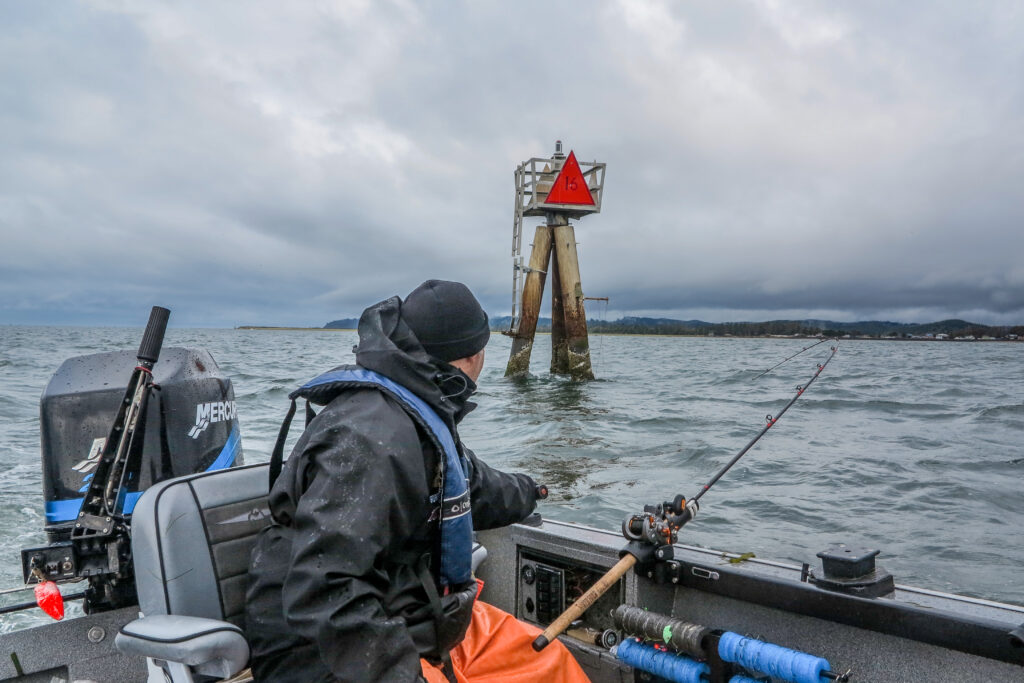
August ocean salmon fishing is all about the rules and emergency closures and openings. The fish are regulated by quotas and estimated returns to natural rivers so be sure to check the regulations and emergency rules daily and be ready to change your location to fish as often as you switch out your cut plug herring. Knowing the rules also means knowing where you are fishing.
Marine Area 1 is slated to be open for salmon fishing in August for both chinook and coho and this is where anglers will be targeting fish stacked up to enter the Columbia River. Known as Buoy 10, the famed August fishery at the mouth of the Columbia River continues out beyond this buoy marker but is considered Marine Area 1. Depending on sea conditions and bar crossing, fishing can be good out in the open ocean. Especially for coho as the chinook are mostly staging in the brackish water and rushing into the Columbia with each tide change. Coho will stay just offshore a bit longer as they prefer to enter the river in September and into late fall.
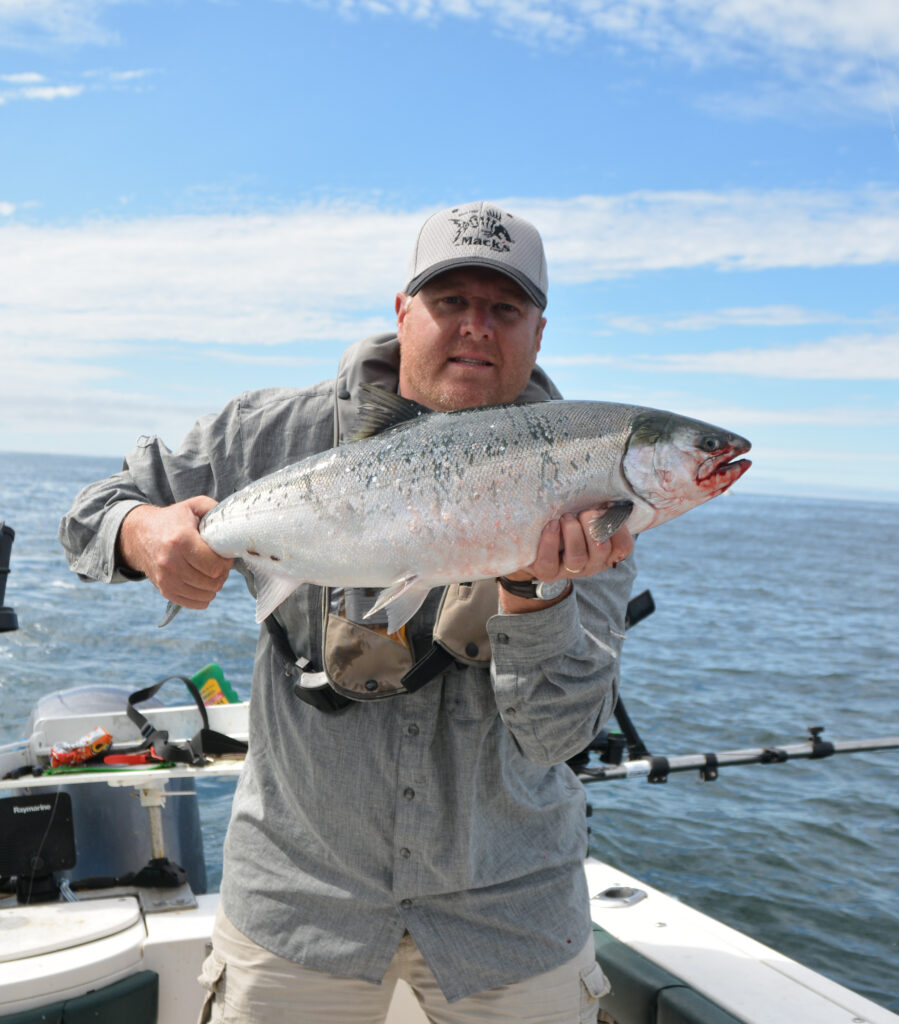
Keep an eye on the Buoy 10 rules and regulations as well as any emergency closures or adjustments. If you have the right boat and navigation skills to cross the deadly Columbia River bar, then Marine Area 1 could save your trip if they close or restrict the Buoy 10 fishery. The same goes for about every ocean area you need to know before you go.
Marine Area 2 gets a little more complex come fall. You can still hit the open ocean from the tiny town of Westport. Extremely popular in July when it first opens Westport becomes a mecca of salmon anglers come August. The complexity comes from the Marine Area itself which is broken down into three segments. Marine Area 2 is the open ocean and is slated to be open, but most likely for coho as the chinook quota gets eaten up quickly as the fish pass by heading to the Columbia or start to stage for Grays Harbor and Willapa Bay. This is where Marine Area 2 is broken down into sub-areas.
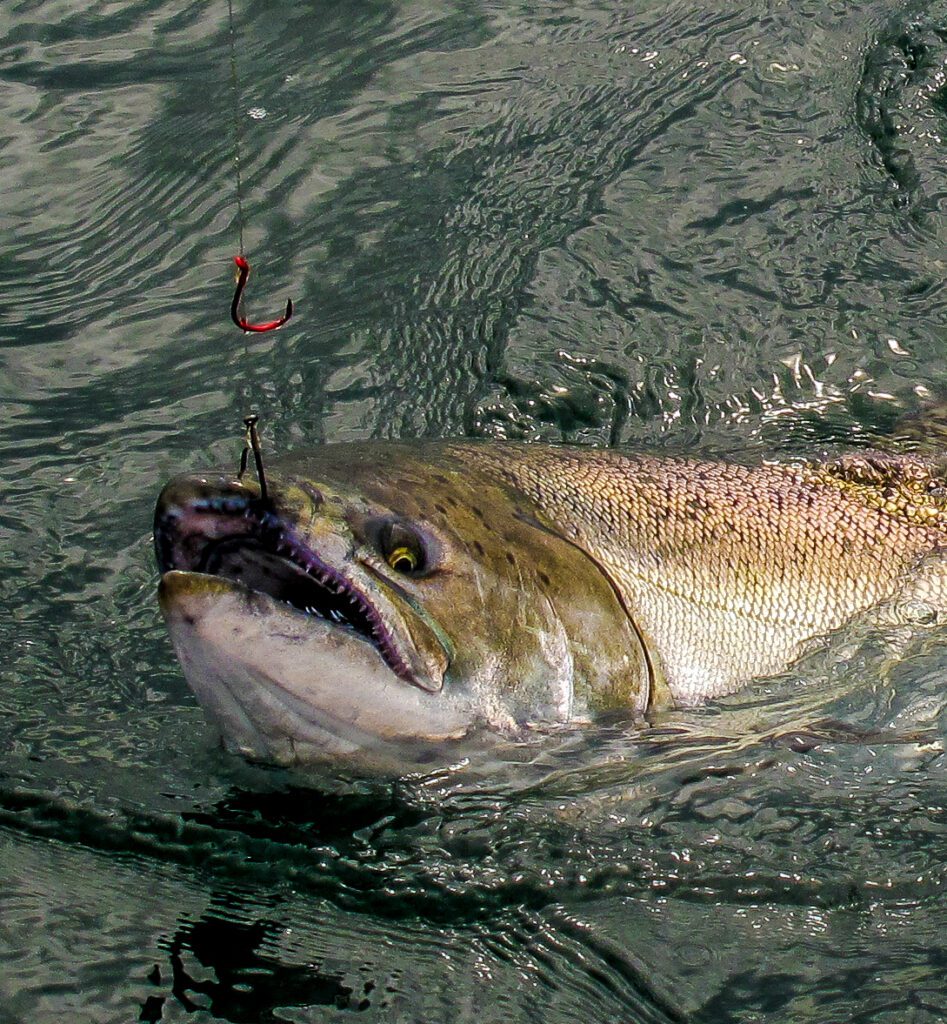
Marine Area 2-1 is Willapa Bay which has three separate zones known as zones 4, 5, and 6. Zones 4 and 5 are closed and zone 6 is most of the bay itself. A kelp and grass shallow water bay where salmon will stage for weeks before heading up the Willapa River and to hatcheries. Wild chinook must be released, and anglers can use two rods each with the endorsement. A dropper weight system is used since this is shallow water and the amount of eelgrass makes it hard to use downriggers. Watch your gear closely and change out baits often but it is hard to beat hooking a large chinook in shallow water which is why this fishery can be immensely popular.
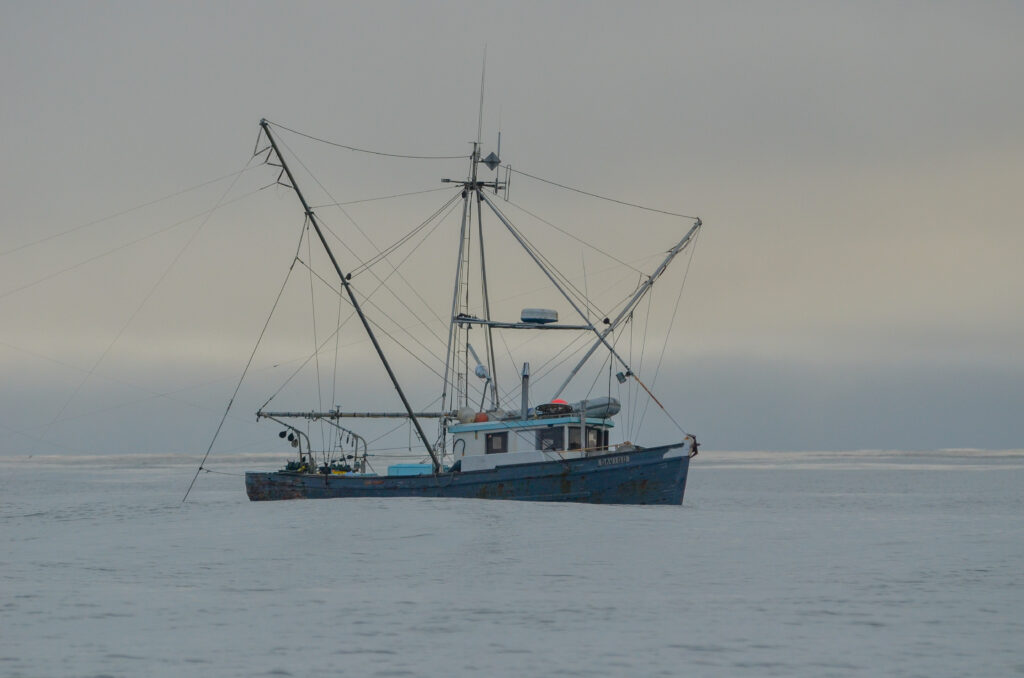
Grays Harbor is Marine sub-Area 2 known as Area 2-2 with zones 1, 2, and 3. Zone 1, known as the Grays Harbor Control zone, closes in mid-August to salmon fishing, which allows fish to enter the harbor. Zone 2 is the Humptulips North Bay fishery zone and is limited to 1 fish, no wild fisher per day. The other zone known as the East Grays Harbor Zone 3 is mostly a coho fishery in front of the Johns River as all chinook must be released.
The Grays Harbor area is not exceedingly popular as you also compete with commercial and native fisheries but can be productive for those that try it. One of the most unique fisheries in the Grays Harbor area is the Westport boat basin fishery which is fishing in the marina where the fleets of charters and commercial boats are stored. Coho returns here thanks to a release effort with a recent addition of 50,000 late coho expected to return in October and November starting in 2026. For now, the fish arrive in late August and into September and can be caught right off the docks at Westport.
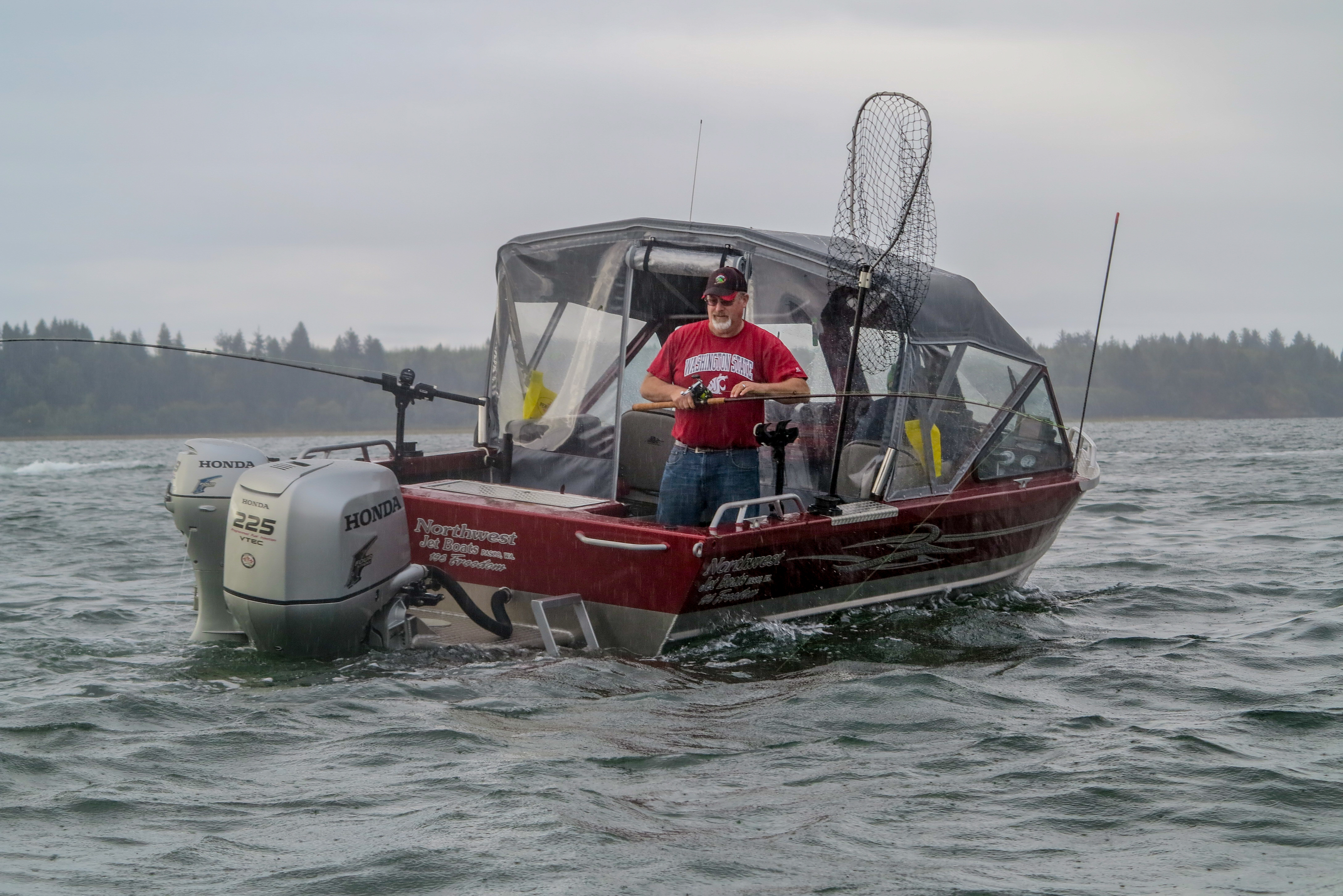
Marine Area 3 is known as LaPush and is very remote. With limited launches and extreme weather area 3 is mostly accessed on days with optimal ocean conditions. It is slated to be open in August for both chinook and coho, but this is one fishery that is often adjusted with an emergency rule. Chinook are prime and targeted in July which often means an August closure but coho here are making their way to the many rivers that have both robust hatchery returns and wild runs as well. Wild coho are not allowed to be kept keeping those runs going so be sure to only keep clipped silvers. This is also a staging area for chums and in the salt, they can be misidentified easily as their purple bars are light and sometimes even non-existent this time of year. Chums must be released so be sure to look at the fish closely and know what you have caught.
Marine Area 4, the last of the “ocean” areas had a rough start to the chinook fishing. As of July 11th, only 25% of the quota had been caught which normally that time of year the quota is getting close to being filled. I fished this area on July 12th and 13th, when the daily limit of chinook went to 2 per day and we did not hook a single adult chinook. The seas were rough and kept my little 18-foot boat limited to trolling along the kelp line and near shore but those that could make it further out did well. This indicated the chinook were here but out deeper than usual. Coho were being caught but not in respectable numbers which could indicate a later return this year which is great since area 5 to the east is slated to be open into October for coho. Come August the rules for chinook change in Marine Area 4 with it only being open west of the Bonilla-Tatoosh line. Coho is slated to remain open until mid-September in all Marine Area 4.
Regardless of where you decide to go, be sure to head out to the open ocean for some great fall salmon fishing. Of course, before you go be sure to check the emergency regulations as these fisheries are subject to quotas and can close quickly. They can also open or be extended as well and just maybe you will find a bonus opportunity out in the ocean. Either way, be ready for some cold, wet, and rough weather as well as bring sunscreen as afternoons are known to burn off the fog and remind us it is still summertime.
/articles/august-2024-ocean-salmon-update
Five Coastal Salmon Rivers to Check Out
Summer is upon us and for many of us, that means that our home rivers are closed to fishing to protect ESA-listed wild Chinook. As a result, we are looking forward to fall when we begin to see runs of Coho and Chum salmon flooding into our rivers with increasing opportunities to catch them. Fingers crossed!
It is anyone’s guess what WDFW will do and many of us are eagerly awaiting news concerning our seasons, emergency closures, and changes in general. Keeping this in mind, let’s look at five coastal river systems to check out that could present great opportunities.
Let’s start on the Northern Coast and work our way South. For the sake of this article, the focus will be from Forks in the North to Grays Harbor in the South. There are other coastal river systems South of Grays Harbor, but we are going to focus on the most popular systems.
Quillayute River System
The Quillayute empties into the Pacific Ocean at La Push, Washington. The Quillayute River is formed by the confluence of the Bogachiel River, Calawah River , and the Sol Duc River near the town of Forks, WA. The Dickey River joins the Quillayute from the north, just above the river's mouth at the Pacific Ocean. Though it is world-renowned as a winter Steelhead mecca, this system also receives returns of all five species of salmon. With spring and summer Chinook salmon returning in lower numbers than expected, the Quillayute river system, including the Bogachiel, Calawah, Dickey, Sitkum, and Sol Duc rivers, as well as Thunder Creek closed to all fishing on July 15. Historically this system produced great returns of spring and summer chinook, but like so many of our rivers, the runs are now endangered. The Coho and Chum will return in September and hopefully, there will be opportunities to catch and retain hatchery fish.
Hoh River
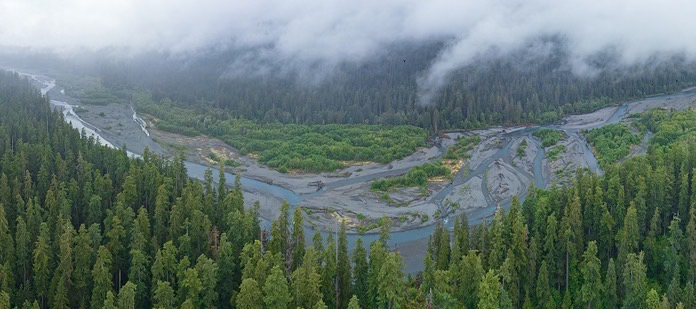
At 56 miles long, the Hoh River originates at the snout of Hoh Glacier on Mount Olympus and flows westward through the Olympic Mountains of Olympic National Park and Olympic National Forest, then through foothills in a broad valley, emptying into the Pacific Ocean at the Hoh Indian Reservation. The final portion of the Hoh River's course marks the boundary between the south coastal segment of Olympic National Park and the Hoh Indian Reservation.
Returns of Steelhead and Salmon make the Hoh River a fishing destination worth exploring. While there are fish in the Hoh River year-round, Steelhead are mostly targeted in the Winter, Chinook, and Coho are mostly targeted in August through November, and Dolly Varden and Cutthroat Trout are targeted anytime the water is in shape.
According to the 2024-2025 regulations, parts of the Hoh will open for Salmon fishing on September 16th, presenting some great opportunities to target Coho.
Queets and Quinault Rivers
The Queets and Quinault Rivers and their tributaries flow from the Olympic National Park into tribal lands. While opportunities exist in the upper reaches of these systems and within the park, they are most noted for their tribally guided lower sections. Note that the rivers are governed by WDFW, the Federal Government, and the Tribes, depending on where you are, so pay close attention to the rules.
The Quinault and Queets Nations have built some very robust hatchery programs, and they control the lower stretches of the rivers. Anglers can fish for all five species of Salmon as well as Steelhead and Trout. Fall Coho on the lower Quinault is a very fun fishery and can result in a freezer full of fish to last the winter. Note that you must book a trip with a tribal guide to fish the waters that lay within the reservations.
Humptulips River
The Humptulips River is located in Grays Harbor County, just North of Aberdeen and Hoquiam. Its main tributaries are the East Fork Humptulips River, about 20 miles long, and West Fork Humptulips River, about 30 miles long. After the forks join, the main river is approximately 20 miles long and provides some of the best salmon habitat in Washington. This river is not a secret and is often very congested, when open.
I will say that the “Hump” as it is called is one of my favorite rivers for fall Salmon fishing. It is renowned for its runs of Chinook, Coho, Chum, and Steelhead. As with other coastal rivers and due to low returns of wild Chinook, opportunities are limited. According to the current regulations, parts of the river should open in early September for hatchery Chinook and Coho. As this river can get very congested, it is best to know what you are doing and even better, book a trip with a guide.
Chehalis River System
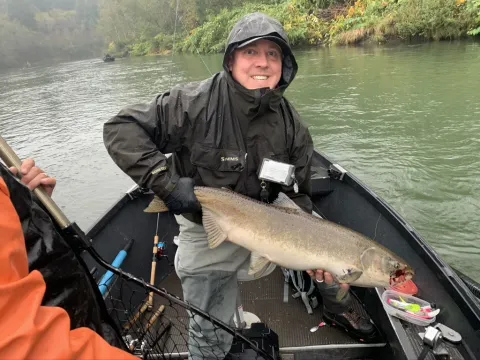
The Chehalis River originates in several forks in southwestern Washington, flows east, then north, then west, in a large curve, before emptying into Grays Harbor, an estuary of the Pacific Ocean. The river is the largest solely contained drainage basin in the state. Both the Wynoochee and Satsop Rivers flow into the Chehalis between the towns of Elma and Montesano. While the Chehalis has many other tributaries, the Satsop and Wynoochee are likely the most popular and offer fantastic fall Coho fisheries. The mainstem Chehalis, near the mouth of these rivers, can be epic when conditions are favorable and some of the largest Coho in the state can be caught here. This system is also known for large limits of Coho allowed but check the most up-to-date regulations for specific details and don’t forget to look for emergency closures.
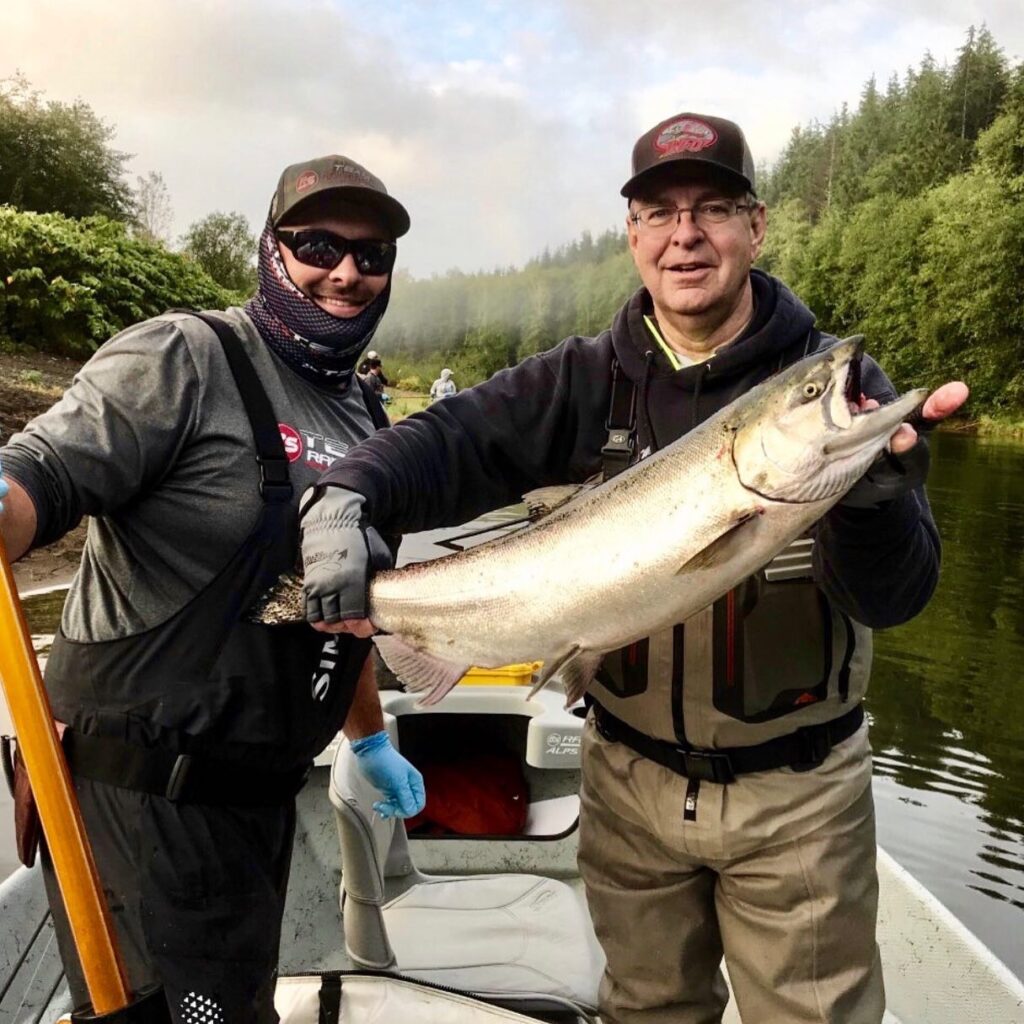
With all these rivers, please remember to check the regulations before you make plans or head out to fish. Things change often and it is very important to make sure that a river is open to avoid disappointment. Also, do yourself a favor and book a trip with a guide. I just cannot emphasize this enough. Your opportunities for success will greatly improve if you learn from a local guide and you are more likely to take fish home to eat later.
In closing, you are welcome to message me if you need to be connected to a guide. I am easy to find on Facebook (https://www.facebook.com/brent.knight.148) and am happy to help. Good fishing!!!
/articles/five-coastal-salmon-rivers-check-out
The Outdoors Roundup
By John Kruse
SOMETHING FISHY FOR DINNER
TJ’s Bar and Grill in Kettle Falls is in hot water after serving seafood they should not have been selling to their patrons. According to Captain Brad Rhoden with the Washington Department of Fish and Wildlife, during the summer of 2019 the owner of the restaurant, Terry Baxter, went on a recreational fishing trip near Bamfield, British Columbia. Baxter then brought the Chinook and coho salmon, as well as the halibut he caught, back home, and proceeded to serve these fish to customers at his restaurant.
Captain Rhoden states, “By law, a business selling fish to a consumer, such as a restaurant, is required to state the species of the salmon and whether the fish was farmed or wild caught. The Legislature created these laws so consumers can be confident the fish they are about to eat is what it says.”
As for selling recreationally caught fish in a restaurant, Captain Rhoden explained, “Washington law does not allow the edible portions of wild animals, game birds and game fish to be sold. Food fish such as salmon and halibut can be commercially sold in Washington as long as the fish were lawfully harvested during on open season/area by commercially licensed fishers. So, no recreationally caught fish can be sold, bartered or traded lawfully in Washington.”
The multi-year investigation by the Washington Department of Fish and Wildlife was prosecuted by the Washington State Attorney General’s Public Lands and Conservation Division last summer. On January 17th, Baxter’s business plead guilty to the crime of First-Degree Unlawful Fish Catch in Stevens County Superior Court. He received no jail time but will have to pay a $10,000 fine.
STATE PARKS HIRING PARK AIDES
Looking for a fulfilling, seasonal job working in a great outdoors location? If so, apply for a job as a park aide with Washington State Parks. They are hiring 305 seasonal workers to work from April through September at their parks throughout the state.
Duties include everything from registering campers to cleaning campgrounds and maintaining facilities and trails. Aides may also be helping out with interpretive and educational programs at parks around the state. You may be assigned to one specific park, or rotate your daily duties amongst several parks in close proximity to one another.
My son David worked as a park aide for two years in college, and really enjoyed his time during the summer months at Lincoln Rock and Daroga State Parks in North Central Washington. However, this isn’t just a job for college students trying to make money during the summer. It’s also a great opportunity for retired or semi-retired individuals who enjoy meeting people and spending time outdoors in the beautiful settings our state parks are set in.
Park aides earn anywhere from $16.61 to $19.09, depending on qualifications and experience. Senior Park Aides (with previous experience) earn more. You can fill out an application at www.governmentjobs.com. Simply type in “Park Aide” in the search bar, along with “Washington” for the location, and you’ll see what’s available.
FISHING REPORTS
COLUMBIA RIVER GORGE
Autumn Lawyer at Gorge Outfitters Supply in Rufus says they are doing pretty well catching walleye below John Day Dam. Most of the walleye have been caught using spinner worm harnesses tipped with nightcrawlers. A bright orange and black combo-colored spinner worm harness is the hot ticket. Several large walleye (up to ten pounds) have been caught in the last week.
Autumn says sturgeon fishing was also pretty good last week. Catch and keep sturgeon fishing remains open (for now) in both The Dalles and John Day pools. Be sure to check the WDFW and ODFW websites before going out, to make sure harvest quotas have not been met.
RUFUS WOODS RESERVOIR
Austin Moser with Austin’s Northwest Adventures has been catching triploid rainbow trout near the net pens at Rufus Woods Reservoir over the last several weeks. Austin says they have been catching limits of these hefty rainbow trout, averaging 4 to 8 pounds and going all the way up to 15 pounds in size. Moser’s clients have been jigging 3/8-ounce Maxi jigs made by Yakima Bait Company. While many anglers use bright colors, Moser has found natural colors such as black, brown and olive work best.
Bank anglers are having success as well, though it can be hit and miss. Most anglers fishing from shore are using Powerbait to catch their trout. It is worth noting that there is a $20 access fee to use the park near the net pens and also a $10 launch fee. Shore anglers also need to have a Colville Tribal fishing permit. To book a trip go to www.austinsnorthwestadventures.com. If you want to find out more about fishing or camping at Lake Rufus Woods Park, which is operated by the Colville Tribe, go to www.colvilletribes.com/lake-rufus-woods.
John Kruse – www.northwesternoutdoors.com and www.americaoutdoorsradio.com
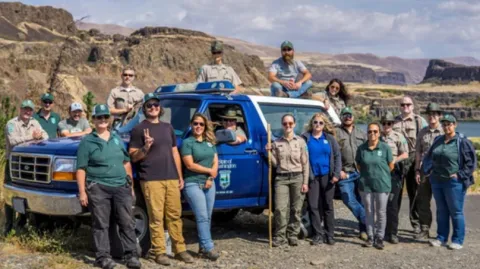
/articles/outdoors-roundup-2
THE OUTDOORS ROUNDUP
BY JOHN KRUSE
CAPE DISAPPOINTMENT STATE PARK – A CROWN JEWEL
One of the best parks in Washington, a crown jewel amongst all the parks found in this state, is Cape Disappointment State Park. Located where the Columbia River meets the Pacific Ocean near Ilwaco, this expansive 1,882-acre park offers a healthy dose of history, a nautical setting, and abundant opportunities for outdoor recreation.
My wife, daughter, and I reserved a small cabin in the park months ago that sits right next to a small, lily pad lined body of water called O’Neill Lake. In addition to three cabins and several yurts, even lighthouse keeper’s quarters are available for rent. There are also 220 campsites, about a third of them with full or partial hookups for RVs.
There is a lot to see and do here. If you enjoy time at the beach, you can stroll to Waikiki Beach near the park entrance, or walk two-mile-long Benson Beach between the North Jetty and North Head, where a red and white lighthouse stands watch.
Another option is to drive on the beach from Seaview north of the park south to Beard’s Hollow, which offers the chance to explore rocky tidepools full of sea anemones at low tide.
At the beach you’ll see people flying kites, casting for surf perch, beachcombing, and just enjoying the chance to dip their toes into the surf of the Pacific Ocean. Speaking of fishing, early to mid-September offers a very good chance to chance to catch coho salmon in Baker Bay near Ilwaco, around Buoy 10 at the mouth of the Columbia, and even off the North Jetty, where surefooted anglers cast big spinners or drift plug cut herring or anchovies under a slip bobber.
Unfortunately, fisheries managers closed all salmon fishing on the Columbia River on September 2nd due to higher-than-expected catch rates for Chinook salmon in August. This leaves jetty anglers contenting themselves jigging for rockfish and lingcod as summer transitions into fall, though it is possible fishing for coho could reopen this month.
Coho salmon fishing is scheduled to remain open in the ocean through September, but check the emergency regulations before going.
Need something else to do? That would be crabbing. The best crabbing for keeper size Dungeness crab is from a boat in the Pacific near the mouth of the river. Land based crabbers or kayakers catch crab close to the North Jetty in the park. We tossed a crab ring and snares off the boat launch dock at the park, and over the course of three afternoons literally pulled up close to 500 Dungeness crab.
Unfortunately, not one of them was keeper sized. The bio mass of crab was amazing, but they were all small. Hopefully by next year, a lot of these crab in this area will be big enough to keep.
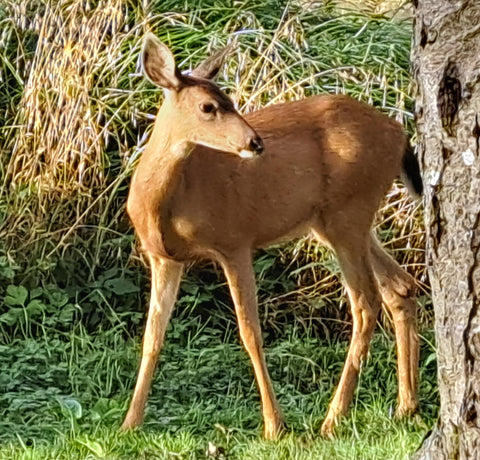
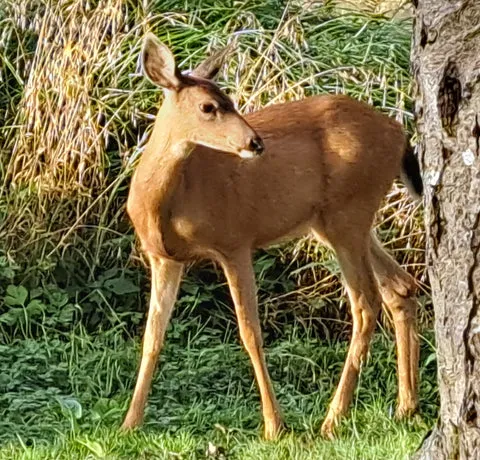
If you like to hike, you’ll be able to enjoy a trail system covering eight miles that will take you to Cape Disappointment, the North Head Lighthouse, and through forests to wetlands and to the beach. Wildlife watchers will be rewarded with the sight of black-tailed deer and raccoons in the park, along with birds like kingfishers and osprey around the freshwater lakes as well.
Meanwhile, there are bald eagles, cormorants, pelicans, and a wide variety of shore birds on the coast off the rocky points and the beach, along with the chance to see seals and the occasional whale.
There is also much to see and learn here from a historical point of view. The Lewis and Clark Expedition reached Cape Disappointment as they completed their initial mission of reaching the Pacific Ocean in November of 1805.
Today, a world-class interpretive center with over 200 exhibits and artifacts can be seen here. The Center is open seven days a week in the summer and has reduced hours the rest of the year.
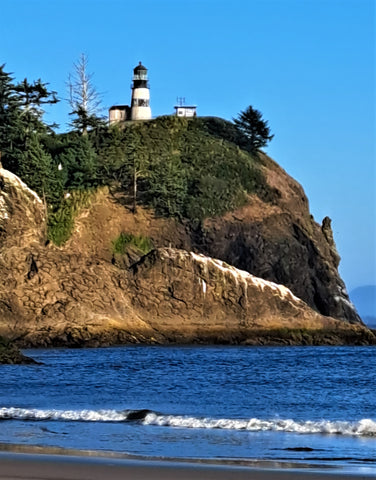
The mouth of the Columbia is difficult to navigate, and the waters around it became known as the Graveyard of the Pacific. To help ships safely enter the river, Cape Disappointment Lighthouse was built and became active in 1856. Aaron Webster, the head Interpretive Ranger at the State Park, was asked why a second lighthouse was built just two miles north.
Webster explained that initially, most shipping came from the south and San Francisco, and the light at Cape Disappointment worked fine. When rail lines reached Tacoma to the north, shipping began to come to the mouth of the Columbia that way, and they could not see the light of Cape Disappointment.
That’s why the North Head Lighthouse was built, which became operational in 1898. Today, tours are available at the North Head Lighthouse during the summer months.
This was also a military installation. Aaron Webster explained that this fort, along with Fort Stevens on the south side of the Columbia River mouth, were built during the Civil War because of a Confederate shipping presence in the Pacific Ocean.
The forts received state of the art coastal artillery pieces towards the end of the 19th Century and received more troops and artillery, along with radar stations, search lights and mines, in World War II. That’s when the threat was the Imperial Japanese Navy, which did have a submarine shell nearby Fort Stevens in 1942.
After the war, the fort was deactivated and Fort Canby was turned over to the Washington State Parks Commission. Today, you can walk among some of the WWII fortifications, which are located next to the Lewis & Clark Interpretive Center. You can find out more about this amazing destination and the North Head Lighthouse
At https://parks.wa.gov/486/Cape-Disappointment and http://northheadlighthouse.com.
John Kruse – www.northwesternoutdoors.com and www.americaoutdoorsradio.com
/articles/outdoors-roundup-1
River Coho
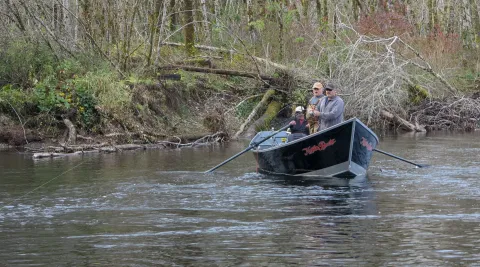
Slowly drifting along with the current until we reached the next hole, I heard a splash along the shoreline. Looking to my right I could see the rings in the water where a fish jumped near the tall grass that lined the river. Instead of continuing on, I quickly dropped the anchor and told my fishing partner to cast his float over to the shoreline and be sure to do so a bit upstream. As the float neared where the fish jumped, it disappeared underwater and he set the hook. A large coho leaped out of the water and took off to the fast water below. All the while, line began peeling off of the reel.
That is what I love about river fishing for coho: you think you know where they are, then you find one in a spot you normally would have just rowed right by. After he fought that fish to the net, we slid it into the fish box and just looked at each other for a minute. Then we saw another boat coming down the river. The quiet discussion we had was if we should pull anchor and try to stay ahead of the other boat to get to the deep hole we were heading to first, or to stay put. Electing to do the latter, we waved as the boat went by and never said a word about the fish we just caught. Once out of sight, we cast towards the shoreline again and the float went down once more. After pulling three more fish from that grassy bank, the fish had moved on and so had we.
Normally, anglers who head to the rivers target coho with spinners or twitching jigs, and mostly concentrate in known areas for chinook with the float rods. This works well, and is what I like to do too, but I also always have the float rod ready. Last year, we were almost to the take out and I saw a fish roll under a tree. Just downstream from this overhanging branch was a fallen tree with a large root ball sticking out. I cast ahead of the branch and let it go under it, but nothing happened. Then, just before I decided I needed to get my gear out of the water, as it neared the root ball the float went under. Thinking it was part of the roots, I pulled back, hoping it would free my gear, but instead a fish jumped out of the water with my float in tow. Coho are known to be acrobatic, and I was once again pleasantly surprised to have one bite the eggs.
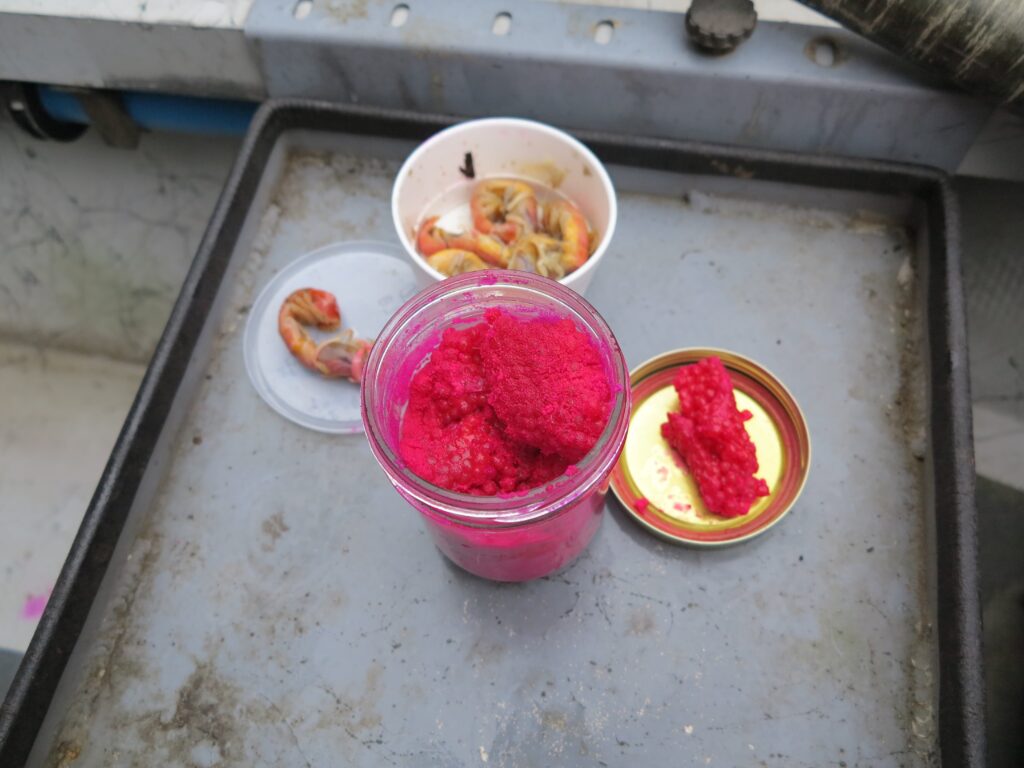
The reason why I threw a float with eggs to this fish wasn’t because I thought it was a chinook that was hiding under the tree branch that I first saw, but instead it was the only way I could fish this spot. Tossing a spinner was an option, except I didn’t have one tied on my rod. Twitching was out, as I knew that if I tried to lift the line from the water it would catch in the branch, so I threw out some eggs and it ended up being the right choice. The float would easily drift under the branch and continue down to the hazard below.
I always have a float rod rigged and ready as we make our way down the river, for this very reason. But when I come to a spot that is known to hold coho, it is time to break out the twitching rods. Deep holes often strewn with logs means coho. Knowing how to twitch is important, but also knowing where to twitch will lead to more coho in the box. For deeper holes I actually use the lightest jig possible. This means 3/8 ounce or ¼ ounce jigs if the water is very still. Twitching has been given a bad name in the past because anglers tend to foul hook fish. Most of the time this happens because the heavier jigs fall fast and end up below the fish. What the angler should do is use a jig that will fall slowly and into the fish, then when twitched will jump up in their face and again fall slowly, allowing the coho to grab it. If the jig is too heavy it often falls too fast, and when you go to twitch again you end up foul hooking the fish. By using the right weight, you not only reduce the chance of foul hooking fish, but also increase your chances of them biting.
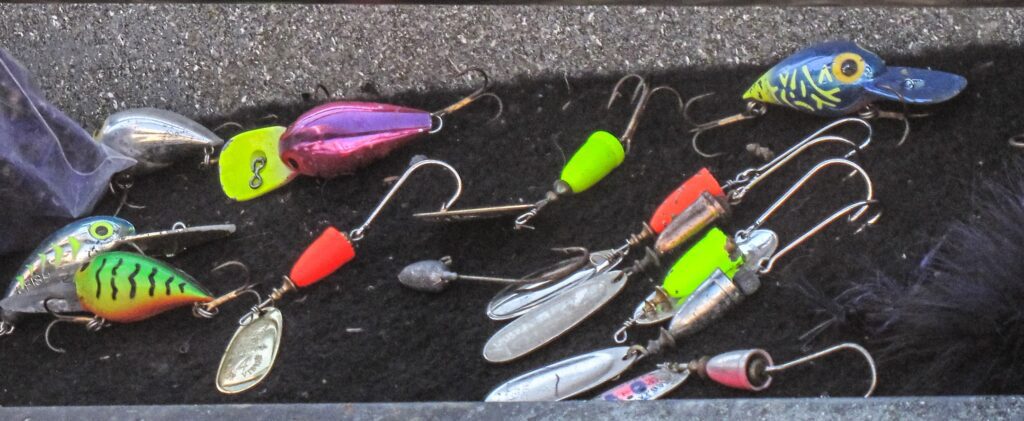
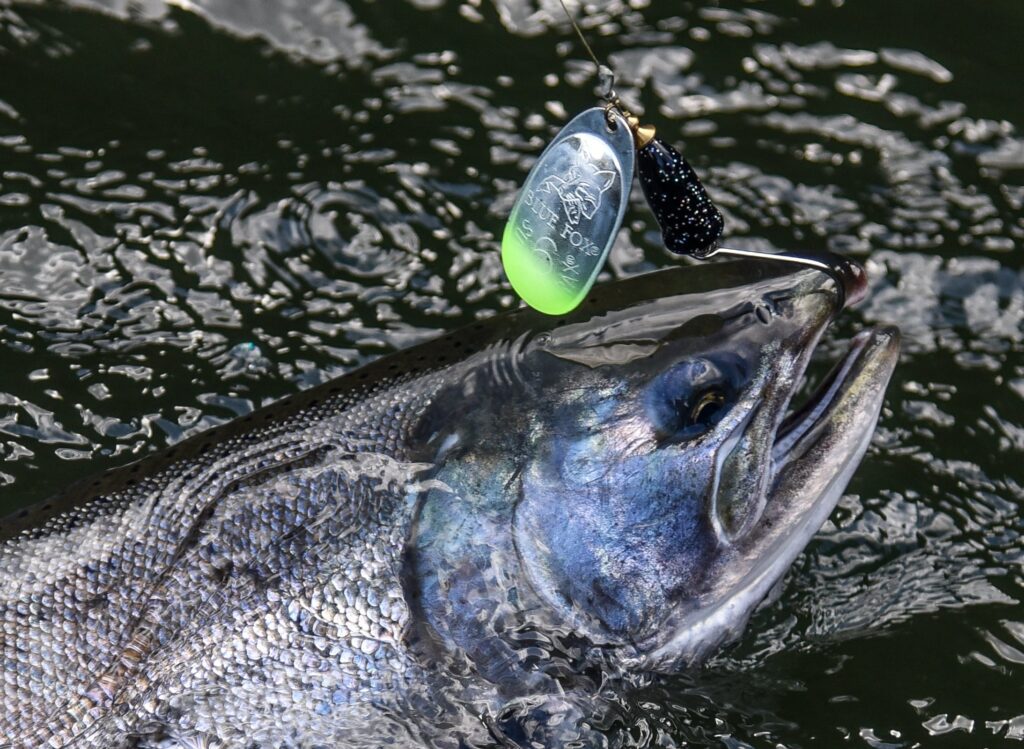
Spinners are a top technique for good reason. When fishing spinners, they are always working. A good cast into a seam, and then the swing of the spinner and the thumping of the blade reinforces the confidence of the lure to the angler. There is nothing like a hooknose coho violently grabbing your spinner and yanking the rod nearly out of your hands. There is no guessing if it is a bite, and the fight is on right away. Spinners also work well in different water conditions. Several years ago, we were fishing during a hard rain. The water was getting murkier by the minute, and after the bite seemed to go off on twitching jigs we began throwing spinners. That thumping silver blade reflecting the sunlight was all it took to get the bite back on again.
On sunny days, try using a dark bladed spinner, or alter the ones you have with a black permanent marker. Dark bodies like black and purple tend to do well, but on dark days or in murky water try chartreuse or fluorescent orange bodies. A Blue Fox Vibrax spinner in sizes 4, 5, and 6 are top producers for fall coho.
Knowing when to go and which river or part of river to fish will lead to more success. A couple of years ago we were going to hit my favorite Olympic coast river for the opener on September 1st. Normally this time of year the river is running as low as it will get all year, but that night a rainstorm approached. The river went from 400 cfs to over 3,000 cfs in twelve hours. Waking up and seeing the brown murky water flowing quickly, we should have canceled for the day. Instead, we launched the boat and had a nice ride down the river, and a fast one at that. We didn’t touch a fish or see another boat all day. Returning a few weeks later, that same run was back to normal and we caught fish.

This particular river has several access points and can be broken down to three main runs. The upper run is usually unfishable until October, when the rains fill the banks and make it floatable. That part of the river is where we should have gone to that day. The middle section is good almost all of the time, but offers very few holes which tend to get crowded early in the day. The lower part is tidal influence, so not only do you need to keep an eye on the river flows, but also the tides.
Fishing tidal waters is often overlooked by anglers. Fish only stack up here when there is a really low tide and that can also be at different times of the day. Personally, I prefer to fish tidal areas because they are predictable. You know that with each tide a new push of fish will come in. I try to time it to fish as the high tide is over and water is pushing out. This is best when it is mid-day to late afternoon, because most anglers will want to be on the water at daylight. Instead, I like to fish “clean up” or after everyone else has gone down the river. The fish fresh from the salt haven’t been harassed all day and anglers are gone, often leaving me in holes all to myself.
If you don’t have a choice but to head to the river early, then remember that during high tide fish will be on the move. This is a good time to drop anchor and let the fish come to you. One year during a high tide time, we sat on the anchor for several hours, casting jigs to a small pocket along the shoreline. This area had a back eddy and the moving fish would stack up here to rest. When they showed up, we would catch a fish, and when they moved on we would take a break. One way to keep fishing during times when fish are moving is to throw out diving plugs or plunk. Plunking tends to be a lost art, but the idea is to cast out and let your lure or bait sit in a spot where the fish will come along at some point and bite it. Why not do it from a boat while taking a break, as this will lead to more fish and it is a great way to know when fish are arriving.

There are a lot of ways to catch coho in rivers, and learning to fish them all not only adds to the experience but also keeps you engaged in fishing. Once you learn to twitch, then learn to float eggs, and then throw spinners. Discover where the holes are and where to fish when the tide is in or out. Best of all, most of the river conditions and routes will change each year, so each time you go to the river it is like learning a new spot all over again. Just like when we were drifting along that grassy cutbank and heard that fish jump; you never know where you will find coho, and that is what makes river fishing for them so fun.
/articles/river-coho
Off the Radar Coho
With improving ocean conditions, the Puget Sound 2022 fall coho season could be the best in recent history. 666,648 coho are forecasted to return to the Puget Sound basin. With a few exceptions, our local coho fisheries (Marine Area 5-13) will open August 16th. Following is a quick breakdown of our inside coho fisheries. Make sure to review the WDFW Fish Washington App, WDFW Washington Sports Fishing Rules pamphlet and the emergency (https://wdfw.wa.gov/fishing/regulations/emergency-rules) for current daily limits and emergency closures.
- MA 5 8/16-9/28 Hatchery Only
- MA 6 8/16-9/28 Hatchery Only
- Dungeness Bay fishery 10/1-10/31 Hatchery Only
- MA 7 8/16-8/30 Hatchery Only
- Bellingham Bay 8/16-9/30 Hatchery and Wild
- MA 8-1 8/1-10/1 Hatchery and Wild
- MA 8-2 South and West of the Line Defined by the Mukilteo and Clinton Ferry Docks 8/13-9/19 Hatchery Only
- MA 9 8/16-9/25 Hatchery Only
- MA 10 Through 10/31 Hatchery and Wild
- The Sinclair Inlet Fishery Through 9/30 Hatchery and Wild
- MA 11 Through 10/31 Hatchery and Wild
- MA 12 North Through 10/31 Hatchery and Wild
- MA 12 South Through 11/30 Hatchery and Wild
- MA 13 Year-round Hatchery Only
What, somebody said coho? Break out the gear, check the trailer lights and move the garbage cans out of the way. It’s time to go fishing. I think that more than any other Western Washington fishery, our local coho opportunity is an eagerly anticipated family event. Where there are many commonly known “stock” coho fisheries, this article will focus on a few of our out of the way opportunities.

Although areas like Eagle Point off San Juan Island, Point No Point, Possession Bar, the Edmonds Oil Docks, Meadowdale Point, Jeff Head, Kingston, Des Moines, Three Tree Point, Point Robinson, and the Slag Pile off Point Defiance are all solid coho fisheries, they can get crowded. Are there other coho opportunities? The answer is affirmative, and even better, finding off the radar coho is pretty rewarding.
For me, pulling up on a spot and being the only boat in sight is magical. A quick look at the meter confirming there is bait and individual coho on the prowl gets my old ticker going. In general, coho are a very worthy opponent. Being on a school of them without another boat in sight could be the highlight of your summer.
Finding off the radar coho starts at home. Sit down with a digital chart, preferably one that will give you current arrows, and develop your game plan. Your game plan should include a few layers of back up plans. If you use your phone, screenshot the areas you want to fish. In doing your research, consider the tides and how they will be flowing or interacting with adjacent structure or opposing tidal flows.
A few examples to get you started:
Eagle Point
On the south side of San Juan Island is an option. Most people set up along the pronounced rips just off Eagle Point. The reality is that those rips will concentrate bait much further offshore than you would expect. At the surface, the current break is very subtle, but at depth the current forms a hard wall trapping bait that the coho are feeding on.
Double Bluff
Is another sleeper and rarely has more than a few boats on it. I really like Double Bluff; on the right day you can fish the general area and never have to fire up the main and go on the hunt. Depending on the tides you can drag gear, mooch cut-plug herring, and even fish jigs. On the flood tide you want to fish the rips south of the bluff, and on the ebb, fish from the buoy north. You will need to keep an eye on the fish finder, but many of the early season coho will be suspended in less than 150’ of water. If you’re not seeing anything on the meter, move around. More than any other place on the Sound, there will be coho holding somewhere at Double Bluff.
Partridge Bank
Another out of the way and often overlooked coho spot is Partridge Bank. That said, Partridge bank is one of my go-to coho spots. Depending on the given tide series, it typically fishes well on any tide. Fish along the edge of the shipping lane on the west side of the bank. A couple things to note regarding the Partridge Bank fishery: sometimes there is a big swell that fractures as it approaches the bank. The resulting chop can be unpredictable and you need to be alert to changing sea conditions. Secondly, you may stray into the shipping lane so keep your radio on and give any passing ships the right of way. Consider setting your VHF up on Tri-Watch, monitor 16, 13 (Bridge to Bridge, commercial traffic) and a floating channel. I have mine on 22 but many recreational boaters monitor channel 68.
The previous three examples are just a few of the areas to find off the radar coho. Again, sit down with some form of chart and current table and do your homework. There are many other locations in MA 5-11 where you won’t be necessarily be chasing coho with a fleet of like-minded friends. Look for points, underwater structure, and areas where opposing currents will concentrate bait and you’ll find coho.
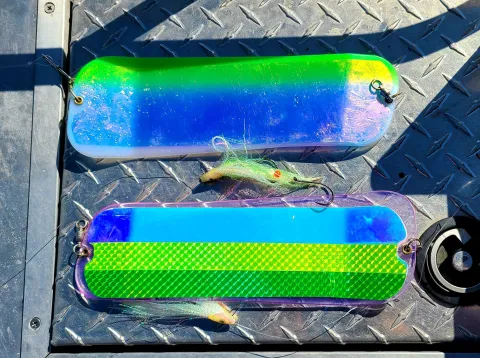
Now that you have identified your coho hidey-hole, what’s next? The coho drill on my boat is pretty basic. Although I have a couple jigging and/or mooching rods ready to go it’s mostly a trolling show. I pull 11” flashers and flies, hoochies or spoons. Coho Killers, Silver Horde 3.5” Kingfisher Lite spoons and Gibbs G-Force spoons are my go-to spoon offering. I run 36” of 30# fluorocarbon between the flasher and the spoon. Regarding color; you can’t go wrong with any combination of green or chartreuse but a Purple Haze flasher and a clear hoochie with a green insert can be deadly. Always head out with an assortment of flies, hoochies, or spoons and cycle through gear until you find the magic combination for the day. Also, use scent on your spoons. Try a sticky Bloody Tuna, Herring, or Anchovy goo and re-scent often. Add a salted herring strip to the leading hook on all your flies and hoochies.
At the butt-crack of dawn, fast trolling cut plug herring in the top 30’ of water is a solid option, but after first light it will be a downrigger show. Use 12 pound or heavier downrigger weights and troll 3.5 to 4 mph. At the speed you’ll be trolling for coho it is likely that you will not see your downrigger balls on the meter and remember that with the blowback you will need additional cable out for a given depth. Especially for coho, I chase meter marks, so keep an eye on the meter. Be ready for action, we have had every rod on the boat go off at once when trolling for early AM coho. Have a game plan, net ready, and a bleed bucket to assure that your silvery opponent makes its way into the fish box in the best possible condition.
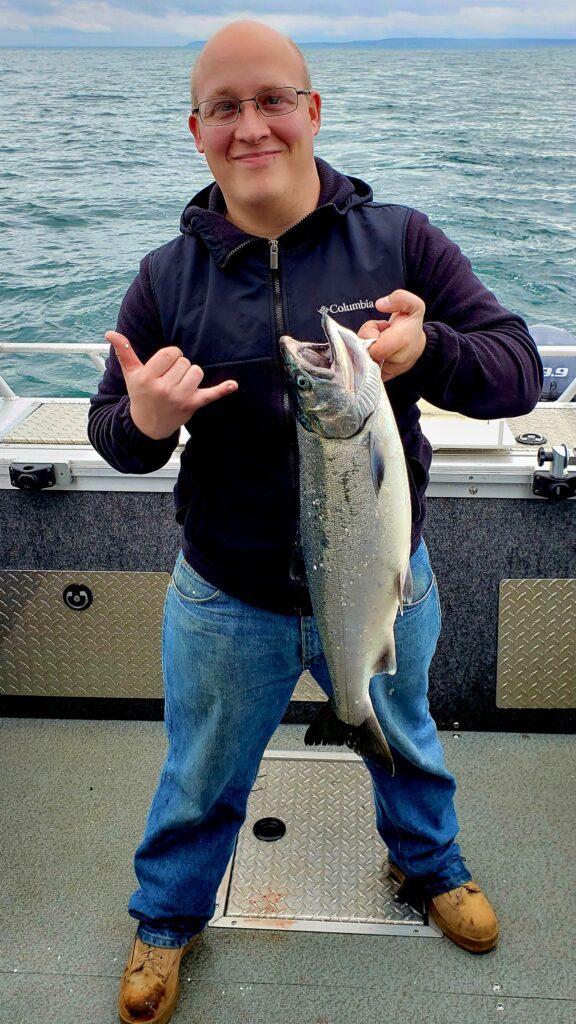
Good luck and remember that our fall coho fishery is an ideal family fishery. They are relatively easy to find, usually hungry, and have some serious shoulders. As a last thought, I want to address the weather. I work 5 to 6 days a week on the water. While in the San Juans today I encountered a significant squall line of thunderstorms. Basically, the weather went from summer boating weather to “what the heck” in minutes. It was windy, pouring and very dark. Then the thunder was relentless and deafening. Since I had not hit send for the article yet, I figured that a quick note about coho weather was in order.
Coho season falls while our summer boating weather is transitioning to an unsettled weather pattern. Most of the time the pond will be very pleasant. Be aware of and prepared for changing conditions. If the forecast is questionable, don’t go, or at least proceed with caution. A 15-mph wind against a running tide can be uncomfortable or even dangerous. Know the limits of both your boat and crew, then always error on the cautious side.
/articles/radar-coho