The Joys and Challenges of Fishing a New State
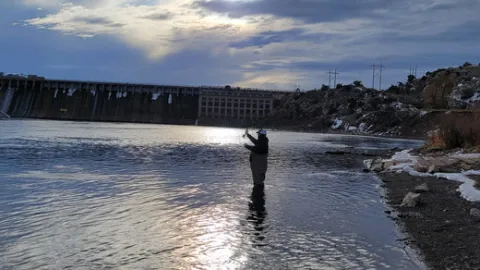
The rainbow on the other end of my line was giving a good accounting of himself. After a solid take, the winter rainbow awoke with several strong jumps, clearing the water with an impressive aerial display, before settling down to a solid tug of war with my 7-weight rod. I slowly worked the fish into the shallows, carefully backstepping on the gravel bottom of the Missouri River. As the fish grew weary, I slipped him into my net and gently slid out the #16 streamer that fooled him. Resting the tired fish, with a strong splash he gave a signal that he was ready to return to his home. I eased the glistening rainbow out of my net and watched satisfied as he darted back to the depths.
It was the middle of January, and my former home state of Washington was trapped in a cycle of wet, icy roads causing a general standstill from accidents throughout the Puget Sound area. Meanwhile, in Montana we were experiencing our first “Chinook Winds” , a warming trend I was told was a common occurrence in the Great Falls area. With temps hitting the upper forties I decided it was high time to explore the winter trout fishery that I had heard and read about on the Missouri River. In Great Falls the river was frozen from an earlier cold snap, but traveling 50 miles to the angling community of Craig revealed a free-flowing river devoid of the summer line up of drift boats plying the waters.
Reaching the Bull Pasture access, I shared a beautiful drift with one other angler. He graciously gave me some tips and an extra leader (I had forgotten mine!). Saying “I’ll see you on the water”, I followed at a respectful distance, giving him first water.
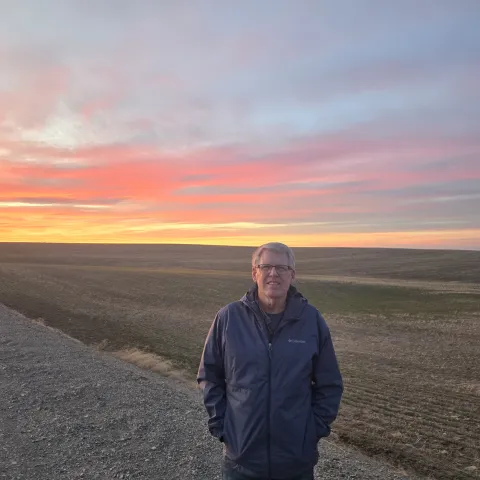
Moving to a new home is not easy. Moving to a new home in another state multiples the challenges and frustrations. For my wife and I it had been a year of packing belongings, cleaning, getting quotes for house repairs, and slowly but surely learning our new hometown, Great Falls. Somewhere in that mix of seemingly never ending tasks I vowed to myself that I would get some fishing and exploring in. Over previous visits my son Matt and I had fished different locations and so I knew a few places to go, but I also wanted to learn new spots and explore fresh places.
Montana has a wealth of angling options, but they are very different from Washington. Lakes are fewer and farther between. Trophy trout rivers are seemingly around every bend. Reservoirs offer big bodies of water which suited my Thunderjet well, but I was also looking for those local spots closer to home where I could make a quick drive, fish, and return home with time left in the day to do chores.
Fortunately, I discovered a totally unexpected source of fishing information other than YouTube and internet searches. That information source was none other than the various handymen and contractors that came to our home to work on building a fence, repairing a garage door, and graveling our driveway. Striking up conversations I quickly discovered that, like myself, these anglers were more than happy to talk about fishing and share places to go, times to fish, and gear to use. Following our chats, I would go to my computer and do the further research needed to start expanding my fishing horizons. New locations and fishing adventures were what I craved, and suddenly my world was opening to a wealth of exciting opportunities.
Networking is nothing new, but in our new age of social media it seems to me we are losing that piece of our human connection. Or, maybe it’s just that I’ve read one too many harangues of comments such as “I don’t share locations” anytime someone asks for help on social media. As if that is the cause of our woes as anglers, and being more selfish is the solution to shrinking opportunities. Perhaps the answer is we all expand our horizons, finding those new locations and species to target. And we share the wealth, instead of tightly clinging to our ever-shrinking little world, becoming bitter and inward focused. But I digress…
As I made new friends and we shared our passion for fishing, more ideas and destinations swirled in my head. Epic adventures lay ahead of me – a trip to Fort Peck to target land-locked chinook salmon, or maybe an RV trip to a remote high country lake to fly fish out of my belly boat. Or win the Montana angler lottery’s trip of a lifetime and float the Smith River on a four day camping-fishing adventure. Can’t forget Flathead Lake with its famed lake trout fishery.
In addition to learning new spots to fish, I realized with both a feeling of sadness but also intrigue that the fishing routines I was used to in Washington were going to be very different in Montana. For one thing, gone will be the days of waiting to hear what seasons will or won’t be open. No longer would my boat see the salt water and flow of the tides. Battling seaweed while trolling for salmon will be a thing of the past. Having my choice of dozens of kokanee lakes was done. And steelheading… I can only say I am very thankful to have seen the days when local rivers had healthy returns and anglers had a multitude of opportunities to catch these magnificent fish.
In their place, however, were new piscatorial pursuits. Reservoirs with solid populations of large walleye, bass, and pike awaited. Kokanee lakes, while less in number and more spread out, offered solitude and bigger fish. Smaller mountain lakes and high elevation ponds compelled me to buy a new belly boat, bringing me full circle back to my first year in Spokane when I would travel to the multitude of trout lakes and fly fish out of a float tube. I realized with a feeling of excitement that I would need to dust off my neglected fly rods, go through my fly gear, and reacquaint myself with the fine art of fly fishing.
Montana is truly the Mecca of fly-fishing and my new home put me in close proximity to one of the most famous and bountiful trout rivers in the west, the Missouri River. I will confess, my first few trips to the “Mo” were humbling experiences. My fly-casting skills left much to be desired and Missouri rainbows are not easily fooled by sloppy casts. That said, I am embracing the challenge of becoming a better fly-fishing angler, and I observe with satisfaction a steadily improving presentation and distance in my fly tossing.
Most of all I am excited to share new adventure stories and TV episodes with our readers featuring the “Big Sky” country. I look forward to taking friends new and old out to enjoy with them the beauty that is Montana. In the meantime, wherever you call home, I encourage you to broaden your horizons, fish new waters, and share your love of fishing with other anglers. Take a kid fishing and help spark the passion in the next generation so our waters will have advocates to take care of them, help them flourish, and protect them.
/articles/joys-and-challenges-fishing-new-state
Did WA State Parks Cancel Thanksgiving?
I was reading the September Washington State Parks e-newsletter, which covered the remaining free days available for day visitors to enter and park in Washington’s State Parks without a Discover Pass. One of those dates is the day after Thanksgiving: Friday, November 24th. I was curious why the State Parks and Recreation Commission chose to not call it a Thanksgiving or Day after Thanksgiving free day and emailed the media department to ask them why.
Having not received a response right away, I began researching this and found the day after Thanksgiving was first made a free day to enter state parks in 2017 which was called Autumn Free Day. It remained as Autumn Day through 2021, but in 2022 the free day after Thanksgiving got a new name, Native American Heritage Day. However, in 2023, the late November free entry day was once again designated, Autumn Day. Is this all about wokeness and cancel culture towards Thanksgiving? Did someone object to it being called Native American Heritage Day?
I did receive a reply from State Parks media staff shortly before this column went to press stating, “Washington State Parks and the departments of Fish and Wildlife (WDFW) and Natural Resources (DNR) have offered a Discover Pass “free day” the day after Thanksgiving for several years. The free day is not associated with Thanksgiving. It is the last free day of the year and coincides with autumn and school vacation for many families.”
So perhaps I’m mistaken about cancel culture, though the reply doesn’t answer the question as to why they changed the name from Native American Heritage Day back to Autumn Day for 2023.
Maybe it’s just the way things are done by our state agencies in Washington these days. A great example is the Hungarian partridge, nicknamed the “Hun” for short, which saw its name changed to the completely non-offending and uninspiring name, gray partridge, a few years ago by WDFW. Autumn Day falls into the same category. Afraid to offend any one person or group of people, you just change the name to something that won’t offend (or inspire) anyone.
Of course, that’s just my opinion. However, no matter what it’s called, November 24th would be a good day to get outside into one of our state parks instead of spending the day inside big box retail stores or in front of a computer all day shopping online.
*This article does not necessarily represent the opinion of Northwest Fishing or NW Reel Life magazine.
/articles/did-wa-state-parks-cancel-thanksgiving
Road trip options for ice-out trout
Remember that opening day of trout season tradition? It's a thing of the past. Most of our best trout fishing lakes and reservoirs are open year-round. In Oregon, you can go fishing when you feel like it or when the ice thaws, whichever comes first. Here are some of the best ice-out trout fishing destinations for early April.
Central Oregon
In Central Oregon, and west of Tygh Valley, Pine Hollow Reservoir is a 240-acre irrigation impoundment set in mixed pines and oak trees. Less than an hour's drive from The Dalles, it is a popular summer fishery, but can be pretty quiet early in the spring. And that's when this fishery kicks off. The Oregon Department of Fish and Wildlife stocks legal trout and big brood stock rainbows here, starting the third week of March if ice allows. When the ice first begins to thaw, the fishing should be excellent. A boat is a good idea for this lake, although there is good bank angling at the east shore boat ramp and on the east shore. My favorite trolling pattern touches at the buoys in front of the resort.
Nearby, and west of Wamic, Rock Creek Reservoir shows off best early in the season when ODFW stocks approximately 12,000 legal rainbows between early March and the end of May. Plan it for the third week of March and beyond. This is a good spot for bank angling, but a car-topper boat is a definite advantage. Bait is allowed and bank anglers do best when using jar baits with a sliding sinker and a long leader. This is not a place to use a light leader. The Department often plants brood stock trout that can run up to 30 inches long.
Summer Lake
Near the town of Summer Lake, 60-acre Ana Reservoir is one that does not ice over, but the best timing is going to be after the third week of March when ODFW typically plants 3,000 legal rainbows. The community of Summer Lake has been paying for additional trophy rainbows to be stocked in this lake, creating a destination fishery that is still relatively unknown. Trust me, if you catch one of the big ones and want to keep it for a barbecue, it may be one of the best tasting trout you have had in a long time. Or let it go for the next guy to tangle with. Your call. Best place to start is at the boat ramp and along the dam. Bank fishing is good here. Fly anglers will want a boat or float tube.
If you plan a trip to Ana, there is a good RV park, nearby hot springs with cabins, and the Lodge at Summer Lake. Tell them you're there for the fishing and they will keep this trophy program going.
In early April, Krumbo Reservoir is one of the best things going when ODFW plants the first legal rainbows of the year. Krumbo, a shallow desert lake on the west side of the Steens, is 150 acres and fishes best in spring and fall. Because the lake is so food-rich, the trout can winter over and 20-inchers are common. Bank anglers can do well here, although bank access is tricky, scrambling over lava rocks. A better bet is to bring a float tube or a small boat.
Between Sumpter and Baker City, 2,235-acre Phillips Reservoir was a formerly great rainbow trout fishery which was overrun by yellow perch and has since been rehabilitated with the help of the tiger muskie. That is all you need to know. But since you want more, I'll give it to you. Phillips is a better-than-good ice fishing destination. Perch can be easy to catch through the ice and are every bit as good to eat as walleye. And the perch, because there are fewer of them now, are bigger. As this issue goes to press, Phillips Reservoir has about 12 inches of ice, so depending on the spring conditions, it could still be iced over well into April. Another item to consider is that Phillips is refilling after being drained last year so boat ramps might be out of the water.
At full pool, trolling is a real treat on this lake. An angler should plan to troll for rainbows and spend a little time targeting tiger muskie, which is a catch-and-release fishery. On a steady diet of six-inch perch and 10-inch rainbows, these fish grow to four feet long and weigh as much as 30 pounds. I hooked one once and lost it when it plowed through the weeds next to the boat, jumped as high as my shoulder and broke my line. Use a steel leader and a six-inch swim bait or large spinner bait to target tiger muskies.
Lake Simtustus
One of my favorite lakes right now is Lake Simtustus, located seven miles west of Madras in the deep, narrow Deschutes canyon. Simtustus was formed by Pelton Dam, backing up to Round Butte Dam below Lake Billy Chinook. The reservoir was named after a Warm Springs warrior who served as an Army scout in the Paiute wars of the 1860’s and lived on the Warm Springs Reservation. The reservoir receives about 25,000 trout each season; a hard-fighting summer steelhead strain that run a fat 12 to 14 inches in April.
To fish Simtustus, an angler must not only have an Oregon fishing license, but also a tribal fishing permit. The annual price is up to $60 to fish Simtustus, and that keeps a lot of anglers away. Simtustus has been kicking out limits of rainbows already this year, but not for me. When I fished it in February, I only caught one, but I'm seeking rainbow redemption with several trips on the calendar for April and May.
For the trout fisherman, at the end of a long, cold winter, it's time to plan some road trips and do battle with trout.
# # #
Gary Lewis is the author of the Fishing Central Oregon book. For a signed copy, send $29.99 (free shipping) to PO Box 1364, Bend, OR 97709. Contact Gary at www.GaryLewisOutdoors.com
The End
/articles/road-trip-options-ice-out-trout
Dry Fly Fishing 101
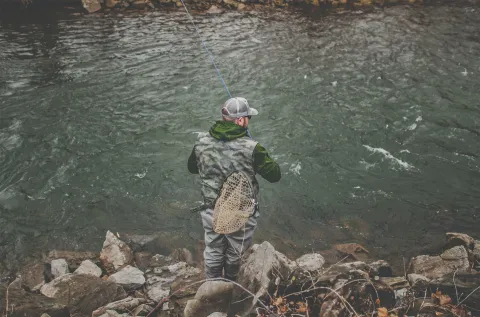
The image of a trout rising to eat an aquatic insect, usually a mayfly of sorts, is the encapsulation of what drives most anglers to pursue fly fishing. I remember as a young boy seeing it happen for the very first time. What seemed like a gargantuan brown trout rose from an abyss to chase, crush, and inhale a grasshopper. I think I was 7 years old. So in reality, that fish was probably only about 17-18 inches long, and the abyss it rose from was more than likely just a plunge pool that was as deep as I was tall. Nonetheless, it impacted my angling future by putting me on a path to learn fly fishing at a very young age.
Almost as quickly as I started, I found out just how difficult enticing a trout to eat a fake fly could be. My grandfather and my dad were kind enough to allow my pursuit of relentless frustration just to the breaking point before they insisted I fish with bait. At 8 years old, my patience wasn't virtuous at all. However, I did have the persistence and drive to succeed, just not the patience to figure out what I was doing wrong. God bless my grandfather and my dad for tolerating me during that time.

Fast forward 43 years and I have a much better idea of how to help new fly anglers get started. There are a couple of key ingredients that reduce the learning curve. First, buy some equipment that works. Notice I didn't say buy some expensive equipment, I said buy some equipment that works. For example, a 9’ 5 weight fly rod is the most universal of all rods. It is the perfect trout rod as well as panfish, and my favorite dry fly fish, the Arctic grayling. Just make sure your 5 weight rod has a 5 weight fly line on it, matched up with a 5 weight size fly reel.
Putting this together accordingly is literally the difference in casting and flailing. There will be some flailing, but not nearly as much if you match everything accordingly. If you are not sure if your set up is right, visit a fly shop for assistance. Any reputable fly shop will be more than willing to help you fuel this latest version of insanity.
So, you have visited the local fly shop, you have everything matched up. You probably bought some leaders, tippet, and a few flies. If it was a really super reputable fly shop, you probably got loaded up on a healthy dose of sarcasm and ridicule. The best shops always seem to have that air about them, but they will steer you in the right direction. It comes from a good place. Armed with your newfound knowledge and gear you need to proceed to step two: find some dumb fish. Really dumb. The dumbest. Find an entire village of idiot fish to cast to. Panfish make some of the best beginning dry fly fish to cast to. They aren't spooky, they eat willingly, and they taste delicious.
There is also absolutely no shame in following the local trout hatchery stocking schedule. Trout raised in a concrete raceway seem to fit the description “village of idiots.” They are used to looking up to eat the food served to them twice a day in the very pleasant, controlled environment of the hatchery. In addition, hatchery trout aren’t typically too spooky. What we are looking for here is bang for the buck on opportunities. In the beginning of your dry fly fishing pursuits, you need a lot of opportunities to fail without punishment. The more times you can make a cast and get results, the more you learn. The more learning opportunities you get, the faster you become a better fly angler. Don’t be bashful about fishing to the village idiots. We can all learn something from them.
Once you have found your village to fish in, you need to consider what exactly you are trying to do. You are attempting to imitate an aquatic insect that is resting on the surface of the water above the meniscus. If you are lucky enough to live somewhere that has legitimate bug hatches on the trout creeks, stop and watch the bugs float downstream. Watch the trout that rise to eat them. Also watch the trout that rise for the intent of eating an insect but refuse at the last second. That’s just as important. The bugs that are floating downstream with trout eating them are the ones you want to imitate.
Invariably someone out there is currently saying “match the hatch.” It is a catch phrase that I have come to detest and loathe but it does bear some legitimacy. We can worry about the catch phrases later. For now, you just need to focus on making a cast so that your fly looks right to the fish. Ultimately, that is the most important part of the equation. Casting your fly with it splashing the water upon impact has the same impact as the brute squad knocking your front door down with a battering ram. If that happened at your house, you probably aren’t gonna want to hangout, hold hands, and sing kumbaya. Try to be soft on approach. A live insect doesn't even weigh fraction of an ounce. No way it can make a giant splash when it hits the water. Your fly shouldn’t either.

Lastly, in regards to presentation, there is this thing you need to learn called “drag free drift.” Yeah, I know, another catch phrase. This one is tolerable though only because it carries weight with it. Obtaining a drag free drift absolutely ensures that your presentation looks as good as it can possibly look to the fish. It’s imperative to seducing a fish to eat your fly. What is this drag free drift, you say, and how do I obtain it? The drag free drift is achieved by manipulating the fly line with upstream or downstream in order to make the fly travel at the same speed at the river current on the surface where the fly is positioned. Great. Now here it is in layman terms, you are going to cast your fly and there will be a V-wake coming off of it. V-wake is bad.
V-wake tells the fish that your fly presentation does not look right, therefore, the fish does not eat your fly. This is, of course, not what we are trying to accomplish at all. The act of “mending” your fly line, or manipulating the fly line, upstream or downstream of your fly will either speed up the fly or slow it down to the point of eliminating the V-wake. Trying to put in to words how to mend fly line in order to achieve a drag free drift is like trying to write down instructions for riding a bicycle for the first time. Hands on handle bars, feet on pedals, pedal fast, hold tight, and hope for the best. Mending fly line is best learned through visual aid. Hire a guide or watch a video from Rio Products on YouTube. It will be the difference in catching and flailing.
We have covered a lot of ground here, but one last thing. What do you do when the fish does actually eat your fly? You’ve made a good cast, good drift, and a trout graces your ego by taking your synthetic offering as if it were a tomahawk ribeye. Dear baby Jesus, this actually worked. What now? I’m willing to bet the first time it happens, you will set the hook well before the fish has the fly in its mouth. Most anglers react upon the visual of the fish breaking the surface resulting in the fly being pulled away from the fish before it has time to come down on top of the fly to ingest it.
If you can somehow force yourself to wait on the hook set until after you can see the dorsal fin, your success rate will increase substantially. I once had an Alaska client that came every year only to fish Arctic grayling on dry flies. He would stand in the run and say “God save the queen” every time a grayling rose to his fly. After he said the words, he set the hook. That was his way of metering his hook set so it wasn't too quick. After about the 50th time hearing it, I was hoping for a new phrase or no phrase at all, but it worked for him.
It's summer. Get your gear sorted out, find a village of idiots, have some fun, and God save the queen.
/articles/dry-fly-fishing-101
Kayak Fishing 101
Much of my love for fishing has to do with the way it pushes me to explore new places in the great outdoors. Every chance I get, I am researching the waters that meander through the arid lowlands of the Columbia basin here in my home state of Washington, or expanding my search down to the many coves of the Sonoma coast in California in search of new fishing opportunities. But how can we broaden our range of opportunity without only being limited to bank fishing or having to deal with towing a heavy and cumbersome boat behind us everywhere we go?
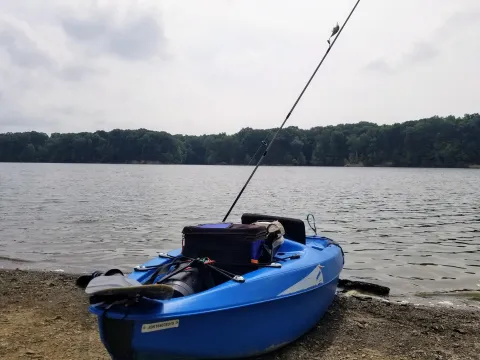
To me, the simple solution has always been the kayak. Most fishing kayaks can be stored in the bed of a pickup truck or racked on top of a car as small as a Prius. In my case, I store mine on a ladder rack that sits above my truck-camper conversion. With set ups like these, travel becomes simple and stress free, and allows us to move further into the great unknown. There are many considerations to keep in mind when stepping into the world of kayak fishing. As we progress in this mode of angling, the options (and investments) become unlimited, but for now, I want to list off some basics that will help set up the new kayak angler with the foundational knowledge required to enjoy an immensely fun and freeing form of outdoor recreation.
The Kayak the first item on the list will be deciding what type of kayak you want to purchase. There’s an endless list of fishing kayaks from a number of manufacturers. The factors that might inform your decision on what to buy are likely the type of fishing you plan to do, where you plan to do it, and the price you’re willing to spend. For bass fishing in calm waters, you might want to purchase a stable sit on top kayak with a wide pontoon style hull. These kayaks offer plenty of deck room for storing fish and gear, and typically allow anglers to stand while casting.
The downside to wider kayaks like these is that you sacrifice some speed for stability. You can purchase these types of boats with the traditional paddle option or with a pedal drive system, the latter typically being the pricier of the two. For saltwater fishing you might consider a pedal drive kayak that has plenty of length and a slightly narrower hull which affords you the speed needed to cut through strong currents and choppy waves. These are only two examples out of an almost endless list of fishing kayaks. My advice to a new kayak angler would be to plan out your budget, then visit your local kayak dealer and explain the type of fishing you intend to do and the type of environment you plan to be paddling or pedaling in.
Safety
Perhaps the most important part of kayak fishing is keeping safe while on the water. Safety on a kayak involves knowledge, skillset, and gear. Knowledge of Conditions: Having a proper understanding of incoming weather and tides and how those will affect your fishing location should be the first step before loading up the kayak. Utilize weather apps, wind predictions models, and tide charts to determine conditions for that particular day. Always know before you go.
Skillset
Knowing how to right a capsized kayak and how to properly re-enter the kayak are two essential safety skills for any kayak angler. To practice, bring your kayak into a pool or any other chest deep body of water that is of comfortable temperature. From a sitting position: practice capsizing your kayak. Once the boat is upside down, and while using the buoyancy of your life vest, place your palms under the coaming (side of cockpit) of your kayak, and in a quick and forceful motion, throw your kayak over.
Once the kayak is righted, work to keep your body horizontal on the water by kicking your feet. Instead of pulling down on the nearest coaming and running the risk of flipping the boat back towards your face, kick your feet and reach towards the far coaming and pull your body (belly first) onto the kayak. Once your hips are over the kayak and your weight is centered, you can then flip yourself over onto your butt. Repeat this until you’re confident you can do this in a non-practice situation where stress levels are much higher.
Safety gear. A few things I keep onboard when kayak fishing are a manual bilge pump for removing water in the event that it makes its way into the hull, a waterproof and floating VHF radio for radioing coast guard during an emergency, a reliable PDF, a high visibility kayak flag mounted on a pole, a first aid kit, and flares. In the PNW where I live, a wetsuit or a dry suit are both non-negotiable items to wear while out on the saltwater. There is much debate about which is the better of the two for kayak fishing. If I plan to be in and out of the water often, like during surf launches on the coast, a wetsuits work best for me. Conversely, if its winter and below 40 degrees outside, a dry suit will allow the kayaker to layer up in warm clothing beneath their suit. During a midsummer day, when the weather and waters present zero risk of hypothermia, it's better to dress according to the weather and stick to lightweight clothing that provide both UPF and SPF protection.
Helpful Gear
Fishing kayaks will always come with one or two built in rod holders, but they are often located stern-side of the cockpit and are not advantageous for trolling. Because of this, its helpful to take advantage of track mounting systems that not only allow for additional rod holders, but also allow for accessories like fish finders, cell phones, and other navigational devices. Most tracks will mount on the coaming of your kayak next to the cockpit. Use the rear
rod holder (or at least one) for your fishing net.
Fish storage is a key component to any kayak fishing set up. Early on in my kayak fishing days, I landed a sizable lingcod that wouldn’t fit onto my already maxed out fish stringer. After dispatching the fish and cutting its gills, I stored it in a shallow well on the deck of my boat. For 30 minutes I pedaled around with my eye on this gorgeous ling, and imagined the melodic sizzling from the fryer as I turned my catch into fish and chips for the family. Without warning, the “dead” lingcod’s nervous system kicked into full gear, and in true zombie fashion, the fish thrashed violently until it made its way overboard and left me, a sad angler, watching helplessly as it sank deep into the waters of the Straits of Juan de Fuca.
Don’t be like me on that unfortunate day, and always prepare yourself by having ample storage for the fish you catch. This can be done with portable coolers, insulated fish bags, multiple metal stringers, or a combination of all three. The air and water temperature should guide you in your fish storage technique, just be sure your storage is ample and secure.
So if you’re looking to go beyond the confines of the shore and out into the vast expanse of the open water, but you’d also like an option that imparts a bit more freedom and flexibility then what is typically found with larger and more traditional fishing boats, then a kayak might be exactly what you need for your next fishing adventure.
/articles/kayak-fishing-101
Revisiting The Ten Essentials
As a young Boy Scout who went on monthly hiking and camping trips, the Ten Essentials for survival was drilled into me as the items I always needed to have with me, even if I was on a day hike. In the last few years, Search and Rescue teams have become increasingly busy, in large part because novice hikers hit the trail unprepared and get in over their heads, relying on only their cell phones for help. With that in mind, revisiting the Ten Essentials seems like a good idea.
POCKET KNIFE – Never underestimate the many uses of a pocket knife for cutting, whittling, cleaning fish or game, and more. If you want to get even more use out of pocket knives, carry a Swiss Army Knife or Leatherman Tool which gives you all sorts of tools at your disposal.
FIRST AID KIT – It’s all fun and games until you fall, cut yourself or otherwise become injured. That’s why a basic first aid kit is needed, especially since you will not be anywhere near a medical facility.
EXTRA CLOTHING – Layered clothing is a must when out for a hike. That sunny day can cool down in a hurry when the sun goes down or even if clouds obscure the sun.
RAIN GEAR – Those clouds can turn into rain and especially in the mountains, thunder storms and rain can happen fast. That’s why a lightweight rain jacket should be part of your extra clothing.
WATER BOTTLE (filled) – Hydration is key and a filled water bottle (or two) will not only be needed, but appreciated while hiking on a hot day.
FLASHLIGHT – Why would you need a flashlight for a day hike? Because sometimes things go wrong and you are stuck in the woods when the sun goes down. Fortunately, cell phones have flashlights in them but a small (and more powerful) flashlight is easy enough to carry with you.
TRAIL FOOD – It’s amazing how much energy you burn hiking, especially if you are going uphill. Trail food that includes protein can give you a quick pick me up. Some of my favorites include trail mix, jerky, or protein bars.
MATCHES AND FIRESTARTERS – If you get caught in the weather or are forced to stay in the woods overnight a fire provides both warmth, comfort, and the opportunity to cook a meal. A box of waterproof matches, a lighter or a flint or carbide fire starter are all easy to carry and worth their weight in gold.
SUN PROTECTION – It’s easy to get dehydrated while on a hike or camping and not only do you want water to replenish lost fluids, but also protection from the sun. Sunburnt skin or lips are not only uncomfortable, but also a major factor in dehydration. Use sunscreen with a high SPF, lip balm and wear a hat to ward off that sunburn.
MAP AND COMPASS – Orienteering is rapidly becoming a lost art but having a map of the area along with a compass can be very handy, assuming you know how to use them. It’s an enjoyable skill to learn, and a reason to get out into the woods in and of itself. It’s also a lifesaving skill if your smartphone battery dies or if you are out of cell range and can’t access digital mapping.
ADDITIONAL MODERN DAY ESSENTIALS
COMMUNICATION – Cell phones can give you a false sense of security, with many novice hikers assuming they can just call 911 and get rescued if they need help. Unfortunately, a lot of wild places do not have cell service. A better idea is a satellite phone or a less expensive satellite messaging device that works anywhere on earth.
Speaking of communication, another essential thing to do occurs before you hit the trail. That would be telling someone where you are going, when you plan to return, and when to call the authorities if you don’t arrive back at a specified time. In the event you are incapacitated or can’t call for help, someone else can do it for you.
Be safe out there on the trail, and don’t forget the Ten Essentials!
/articles/revisiting-ten-essentials
Trout Fishing Treasures
Eastern Washington State
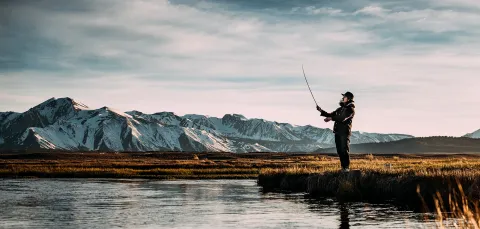
Eastern Washington State is a paradise for trout anglers during the Fall, with its picturesque lakes and rivers offering some of the finest trout fishing experiences in the Pacific Northwest. In this article, we invite you to embark on a journey through some of my favorite bountiful trout waters of Lake Roosevelt, Waitts Lake, Bonaparte Lake, Rock Lake, and that little urban oasis, Liberty Lake. These 5 distinct fishing destinations in Eastern Washington promise anglers of all skill levels unforgettable moments, breathtaking scenery, and a chance to reel in some of the most sought-after trout species. So, grab your fishing gear, pack your camping supplies, and let's explore these trout fishing wonders of Eastern Washington.
Our adventure begins at Lake Roosevelt, a sprawling reservoir created by the Grand Coulee Dam on the mighty Columbia River. Stretching over 130 miles, this massive body of water provides abundant opportunities for trout fishing. Lake Roosevelt is renowned for its healthy population of Rainbow trout, which can grow to impressive sizes. Anglers flock here in search of trophy Rainbows, and Kokanee.
Springtime and Fall are the golden seasons at Lake Roosevelt. During spring, as temperatures rise, trout move closer to the surface, making them more accessible to both trolling fly’s and even bait rigs. As fall brings in cooler temperatures, rejuvenating the bite and luring trout closer to the shallows, welcoming the excellent opportunities for bank fishing. Camping facilities, beach camping, and boat launches are readily available along the lake’s shores, ensuring a convenient and memorable fishing experience.
Moving over to the Northeast side of the state, we discover Waitts Lake. Just tucked into the hills of the small-town Valley, just off of HWY 395, this lake beckons trout fisherman from all over. This lake has been known for its healthy population of Brown Trout, where they are abundant and can be caught many ways. This pristine, spring-fed lake is also stocked with Rainbow trout, making it an ideal spot for anglers seeking a peaceful escape.
Spring and early summer
Spring and early summer are prime time to fish Waitts Lake as waters warm. But in the Fall, Rainbow and Brown Trout become increasingly active, providing ample opportunities for a successful day on the water. Drifting fly’s, such as a Wooly Bugger, on a casting bubble has always been lights out, as for trolling the familiar setups from spinners to dodgers can also fill the cooler. Don't be afraid to bang the bottom with a simple quarter ounce jig tipped with a worm, very effective for the Brown Trout cruising the bottom for food. Shore anglers have access to 3 different resorts, and docks available to fish from, and can be just as productive as fishing from a boat. Some productive spots to pay attention to are the Southern portion of the lake near the launch, and the Western shoreline.
Onward to almost central of the state, we take a ride to one of my favorite winter lakes to fish. Nestled high in the Okanogan Highlands, Bonaparte Lake offers an alpine fishing experience that's nothing short of magical. Surrounded by lush coniferous forests, this tranquil lake is a sanctuary for both trout and those anglers who seek them. This lake has a campground and a very nice resort that caters to anglers year-round. My favorite time to visit is the winter with the snow and ice, it's just a beautiful place to chase trout.
Bonaparte Lake really comes to life in late spring and late summer into Fall. As the snow recedes and temperatures rise, the lake's trout species become more active, creating a feeding frenzy. Rainbow cutthroat can be the target for many, but there's those who are in search of a big Tiger Trout, or the beautiful Brook Trout, prized for its vibrant colors and feisty nature. The Southern portion of the lake near the creek mouth has always been a go to spot, especially in the winter months. Targeting deep holes adjacent to shelves and breaks can produce large fish year-round. But targeting the southern end near the creek mouth, where submerged rocks and logs create perfect ambush points for trout. A must visit for any avid angler who's seeking an adventure.
Head South to the largest natural lake in Eastern Washington, with an open fishing season all year, we launch into Rock Lake in Whitman County. This lake has a reputation for providing an excellent fishery for Rainbows, and large Brown Trout. The boat ramp is a rough one, and takes some experience to navigate, as shore fishing is limited to the launch area. With the launch being unimproved, you may only see a handful of boats out there, but be aware of underwater hazards, as submerged rocks can sneak up on you quickly. Scenery is like a slice of the wild west, with basalt cliffs and sagebrush hills, offering a unique angling experience.
Brown Trout
Since Brown Trout are the primary target, fishing from a boat is the most popular choice. Trolling plugs and large spoons are effective, and Jointed Rapalas work amazingly trolled at slow speeds. Casting larger lures near the rock walls with slow retrieves can produce limits quickly if you're not a troller. I tend to notice from October, when the Browns spawn to spring, is the hottest bites from shore or boat. Enjoy this lake with caution, as the wind can play a big part in how you fish at this lake.
Now time to head back to town, where our trout journey concludes at Liberty Lake. An urban oasis located just minutes from the city of Spokane Valley, this lake offers convenience and a diverse range of angling experiences. Liberty is home to Rainbow, and Brown Trout, making it accessible for a variety of fishing methods. From trolling dodgers and spinners, to drifting flies, and my personal favorite, casting large jerk baits in the early spring when ice is melting off. Jerk baits really get those large Browns fired up. With a dock for shore fishing and a boat launch, it makes fishing for all anglers accessible. With the amenities of Spokane Valley within reach, anglers can combine their fishing adventures with a bit of urban exploration.
Eastern Washington State is a haven for trout fishing enthusiasts, and the lakes of Lake Roosevelt, Waitts Lake, Bonaparte Lake, Rock Lake, and Liberty Lake offer a diverse range of experiences. Whether you're seeking trophy trout, serene solitude, a hidden fishing haven, a journey back in time, or an urban oasis, Eastern Washington's trout-filled waters have something for everyone. So, grab your gear, explore these scenic destinations, and immerse yourself in the natural beauty and bountiful trout fisheries of this remarkable region.
/articles/trout-fishing-treasures
Pink Salmon Everywhere!
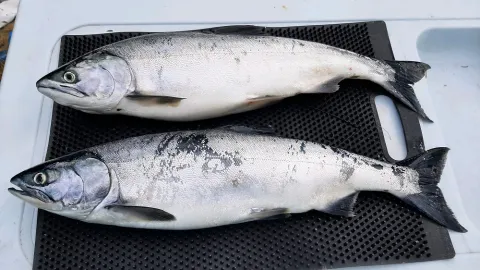
Introducing the unique Pink salmon: distinguished by their distinct life cycle, these fish follow a two-year journey, returning to their spawning rivers as two-year-olds. Adding to their allure is the intriguing fact that they exclusively run during odd years within Washington State. This year, an estimated 4 million Pink salmon are projected to traverse the Sound. Despite their classification as the smallest Pacific salmon, their tenacity in battle and delightful flavor remain unyielding. Their culinary versatility shines as they excel on the grill, particularly atop a cedar plank, and find their way into many anglers' smokers. For numerous enthusiasts, Pink salmon mark their initiation into the world of Washington State salmon fishing, thanks to their abundant presence and approachable nature compared to their larger counterparts.
Around this time of year, pinks flood the Sound and begin to stage near their home rivers. One of the best things about pink salmon is that you don’t need a boat to catch them from the shore or pier. They tend to swim within casting distance most of the time, and at this point in their life cycle they are still actively feeding, so they aggressively attack most offerings they see. With millions of pink salmon cruising by the shoreline looking for a meal, this is the perfect time to head to your local saltwater pier or beach and bring home some pinks for the grill.
Presenting A Jig
By and large, most shore anglers fish for pink salmon with jigs. There’s no need to use bait because pink salmon will aggressively bite a well-presented jig. Buzz Bombs and Rotators are the most commonly used jigs. They are easy to use and thousands of pink salmon readily gobble them up every year. They are designed to resemble a wounded baitfish, and they flutter erratically as they fall. Rigging them up is pretty simple: put on your buzz bomb, then thread on a bead and a bumper. Then tie directly to your hook (don’t forget to pinch the barb if it’s required). I usually use a 1/0 or 2/0 hook for pinks. To use jigs, cast out to where you think the fish are at, let your jig sink for a few seconds, then reel in and lift your rod tip up. Next, quickly lower your rod tip and let the jig fall. Repeat this until you reach the shore or catch a fish. Make sure to jig all the way until shore- sometimes the fish will follow your lure and strike at the last second.
Most of your strikes will be as the jig is falling. If you get a bite, quickly set the hook and keep up the pressure, especially if you’re using barbless hooks. As their name suggests, pink salmon love the color pink! It’s a good idea to start with that color, then switch it up if you aren’t getting fish. Buzz Bombs come in a variety of different weights. For pinks, I’d suggest using the lightest weight that you can cast well. If the bite is slow, try rubbing on some shrimp, anise, or herring scent. Gel based scent will cling to the jig longer. You can also thread on a small pink hoochie for extra action. If switching lures doesn’t work, you can switch locations as well. Sometimes just walking down for a few minutes on the beach can make all the difference.
Spinners
Another viable option if fish don’t seem to be hitting your jig is to use spinners. Vibrax spinners tend to be light, so it’s a good idea to thread on some bullet weights above a swivel to help get them down to where the fish are at. Several other brands such as Mepps make heavier spinners that will get to the proper depth without additional weight. Bring several options, and don’t be afraid to add scent or thread a hoochie on.
For your rod and reel, I’d recommend using a rod that can handle ½ to 1 ½ oz. weights, probably around 8 to 10 feet in length. I highly recommend using braided line because you can feel those sensitive bites easier, but mono will definitely do the job. A size 3000 to 4000 reel will have plenty of backbone to handle the fish. Remember to rinse your reel after fishing, saltwater is very corrosive and can cause damage if not washed off.
Where To Start?
Wondering where to start? Les Davis Pier, Edmonds Pier, Des Moines Pier, Browns Point, and Point No Point are all popular locations that reliably produce pinks every year. Any beach with a point and a good drop-off will most likely hold fish. Expect to have some company, though. Just be patient and try to avoid tangling your line with other anglers, especially if the current is strong. If you go to a pier, have a plan for netting your catch. Most piers are too far from the water to be able to use traditional nets. Pier anglers have taken to using crab rings. Just lower them down to the water and scoop up your fish. It takes some practice though! Beach anglers need not use a net, simply back up and swing your fish onto the beach.
As always, be sure to check the rules and regulations before going fishing. Don’t forget to swap those treble hooks for barbless single-point hooks, if required. You can buy barbless hooks or simply pinch the barb yourself with pliers. If you’re new to salmon fishing, WDFW offers salmon identification guides. It’s important to be able to tell the difference between salmon species, because they are regulated differently. You may be able to keep pinks but not chinook, for example.
In general, hatcheries do not clip pink salmon fins, so don’t worry about checking if they’re hatchery or wild. The way to identify pink salmon is by checking the gums and the spots on the tail. Pink salmon have large spots on the tail and a white mouth with black gum line and tongue. For optimum meat quality, don’t forget to bleed and gut your catch before going home. Despite what some anglers say, pink salmon tastes great on the smoker or grill. Since they don’t have as much fat as their cousins, they have a milder taste than other salmon, which some people actually enjoy more. My favorite way to eat them is to season them with some of my favorite rub and then grill them on cedar or alder planks. They’re a great summertime treat that the entire family will love!
/articles/pink-salmon-everywhere
Forecast the Fishing for Late Winter Rainbows
Several factors come into play in March when anglers can take advantage of spring-like weather to catch the biggest trout of the year.
The old saying the worst day fishing is better than the best day at the office is simply not true. It's almost true, but there are some really bad times to go fishing like whenever your brother-in-law wants to go.
We're enjoying a cold snap right now, but a lot of our trout lakes don't ice over. And the water is begging to be fished as soon as daytime temps get back to the low 50s.
This is the time of year when an angler has a chance to catch bigger trout for the table. The fish hatcheries want to find forever homes for surplus brood stock, putting those big old rainbows that can weigh 4 to 8 pounds out to pasture while last year's holdover legals can go 12 to 18 inches.
While food sources are scarce, bigger trout can be easier to catch than they will be in May. Flashers and hoochies and wedding ring spinners tipped with bait can catch fish, but fly fishing methods are a better bet.
A lot of our favorite lakes are too low to put boats in; Haystack, Hyatt, Chickahominy, Duncan, Prineville and Ochoco reservoirs are in build back better mode.
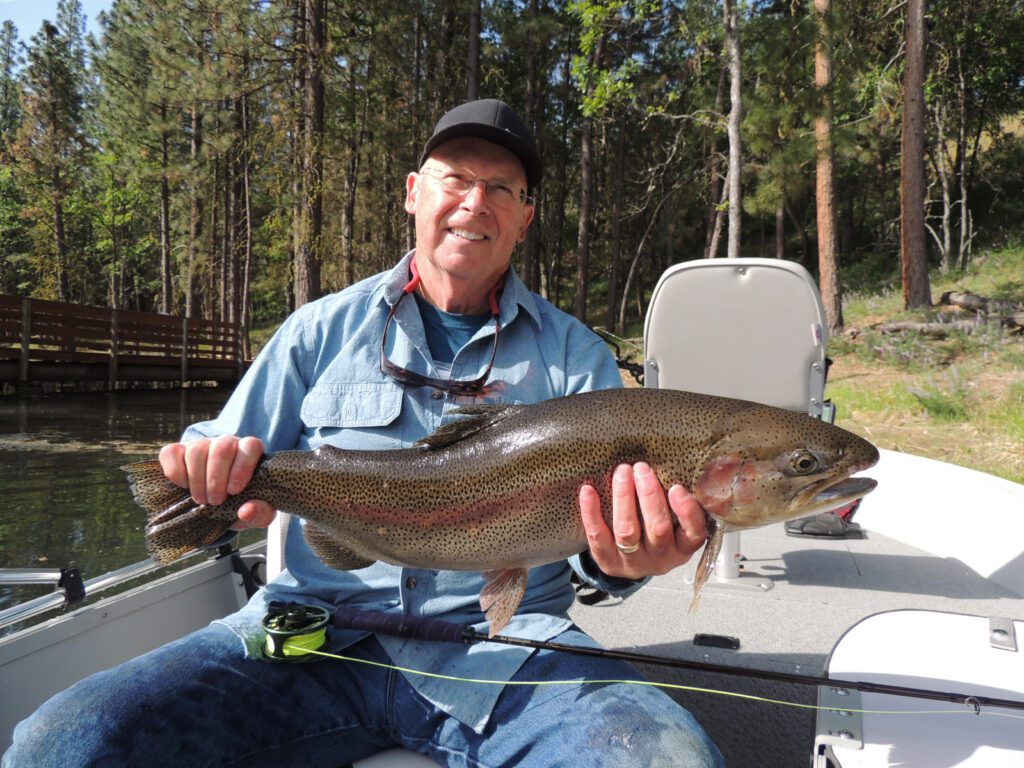
Instead, when planning a road trip for rainbows, tow the boat to places like Pine Hollow Reservoir (call the resort to check the ice), Lake Simtustus, Willow Creek Reservoir (Heppner), Lost Creek Reservoir (east of Shady Cove) and Dexter Reservoir along Highway 58.
In the winter, trout seek shallow water because the shallows warm first, which promotes weed growth which in turn promotes the insect activity that draws in little fish. Larger trout feed on the minnows, crustaceans and insects.
While shallow water offers better feed options, they are also a danger zone where larger trout may be taken by ospreys. Trout tend to rest and rove along the ledges where the light green shallows give way to deep blue depths. Rocky points, submerged rim rocks and even - in bigger reservoirs - flooded road and railroad beds also offer the kind of habitats where big trout like to hunt.
For the fly angler, a slow-sinking line is the best option because trout may be closer to the surface. Optimal trolling speed in most cases will be between .8 and 1.2 miles per hour, about the speed of a slow walk. Establish a trolling circuit to follow a contour line or to hit the rocky points. Feed out 30 to 50 feet of line behind the boat.
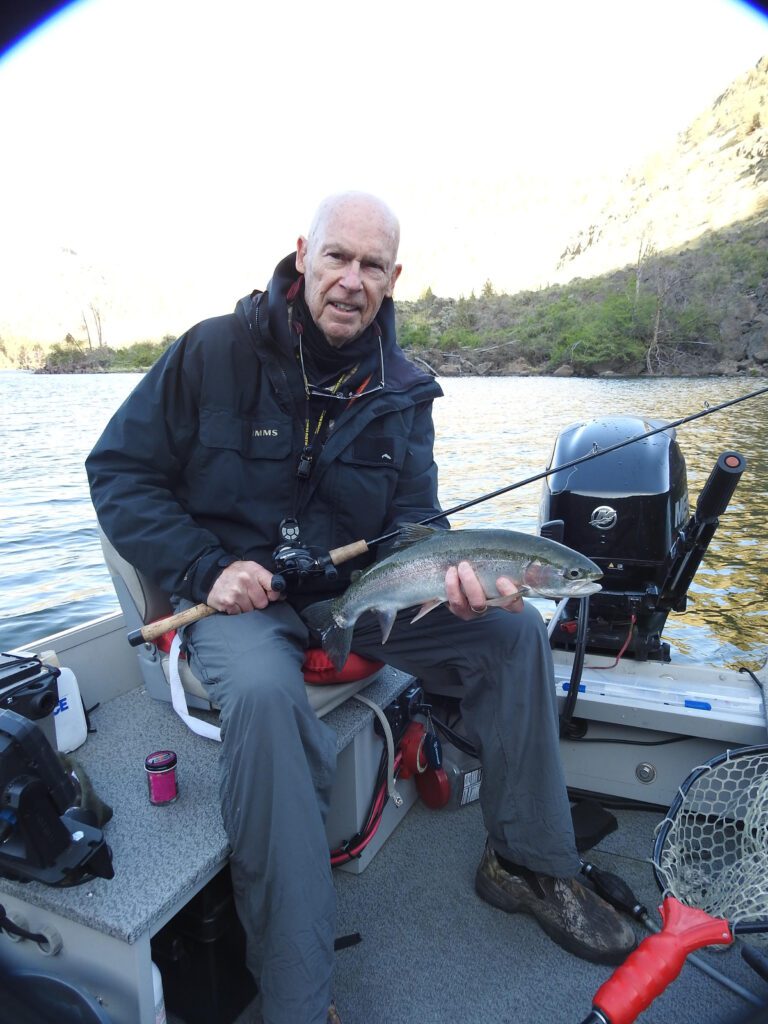
Vary the trolling speed and change direction by zigzags over the trolling circuit which changes the action of the flies. A lot of strikes come on the deceleration or on the outside of a turn.
Rods can be kept in rod holders, but strikes are often missed on fly gear because of the shock-absorbent nature of the line. Hold the rod in hand, the tip near horizontal. If a fish bites, lift the rod and set the hook with a quick strip of line.
A slower initial speed allows lines and flies to sink. Watch the amount of drop, the angle of the line and length. The boat operator can control depth by adjusting speed and lengthening or shortening the lines.
Watch the weather for the days between storm fronts when temps come up and the wind is light. Like grandpa told me, trout and salmon bite ahead of a storm front, and again after a low pressure system.
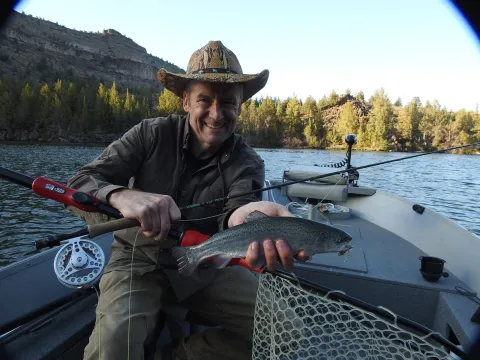
Late last winter we fished Lake Simtustus. Dad caught a fish on the first pass and then Randy and I doubled up when two trout grabbed on a turn - nice fat rainbows that had fed well over the winter. Then we could not get another bite. Looking at the solunar tables now, I see we fished two hours too late, but still it was better than a day at the office.
The Old Farmer's Almanac says the best days to fish are when the moon is between New and Full. That means we want to fish March 10 to March 24 and then starting again April 8.
My grandpa used to watch the barometer and tell me when the fishing was going to be fair. He would say something like, "When the barometer is below twenty-nine-point-seven, the fishing won't bite as good. What you want to see is when the barometer is low and rising." Then grandpa would say, "But it's always a good day to go fishing."
People have been studying this subject for millennia. We don't need a new brother-in-law, but we ought to remember the factors our grandfathers employed to forecast the fishing.
# # #
For a copy of the Fishing Central Oregon book, send $29.99 to Gary Lewis Outdoors, PO Box 1364, Bend, OR 97709 To contact Gary Lewis, visit www.GaryLewisOutdoors.com
/articles/forecast-fishing-late-winter-rainbows
Choosing The Right Ice Fishing Hut
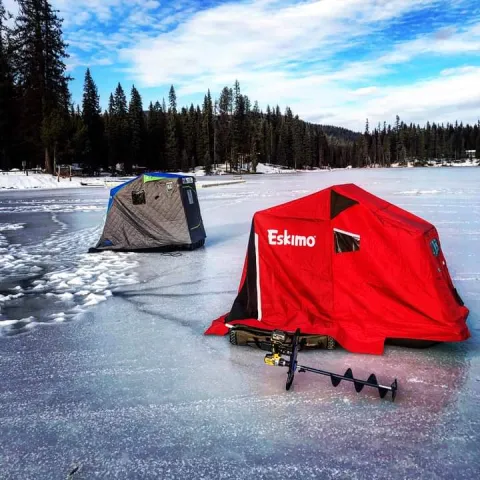
Ice fishing is a unique and rewarding outdoor activity that requires specialized equipment to make the experience enjoyable. One crucial piece of gear that can significantly enhance your ice-fishing adventure is a shelter. Two popular options on the market are hub shelters and flip-style shelters. In this article, we will go over the reasons why anglers might prefer one over the other, exploring the benefits and considerations that come with each choice.
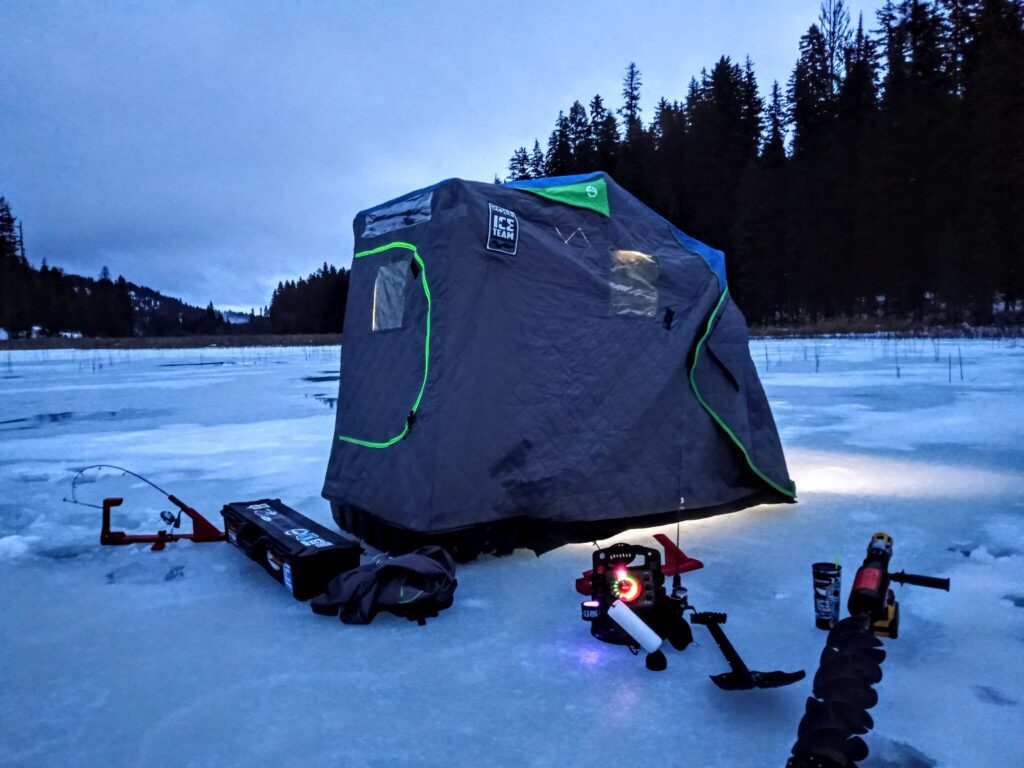
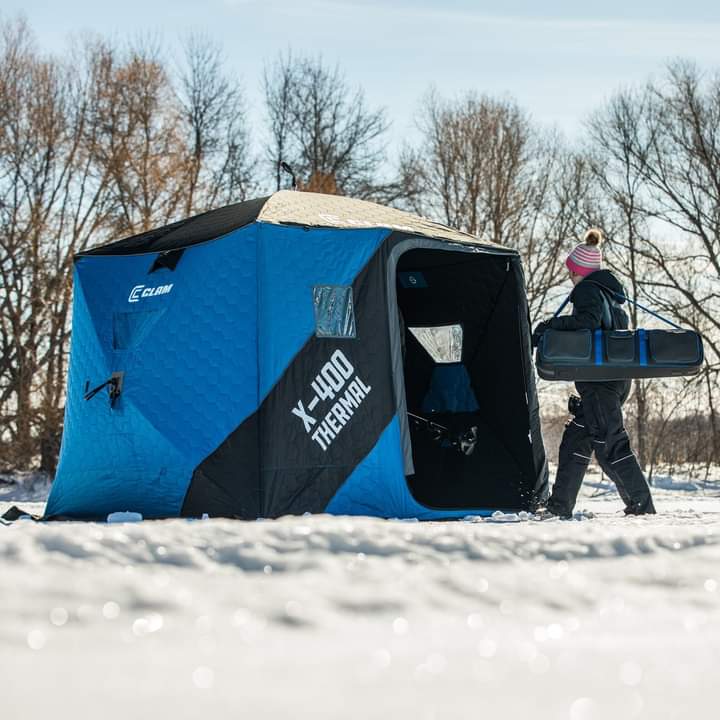
Hub Shelters: The Central Hub Of Comfort And Versatility.
-Spacious Interior: One of the primary advantages of hub shelters lies in their spacious interior. These shelters typically feature a hub on each side, and top, that serves as the support point for multiple poles, creating a roomy and open fishing space. Anglers can enjoy ample room for movement, accommodating multiple people comfortably.
-Quick set up: Hub shelters are known for their quick and super easy setup. With a simple pop-up mechanism, anglers can have their shelter ready in minutes, allowing more time for fishing. This convenience is valuable in extreme and inclement weather conditions when the swift assembly is crucial for staying warm and focused on the catch. The design of hub shelters, with multiple support arms radiating from a center hub, contributes to their stability, especially in windy conditions. With proper support, the stability ensures that the shelter remains firmly anchored to the ice, providing a secure environment for all anglers.
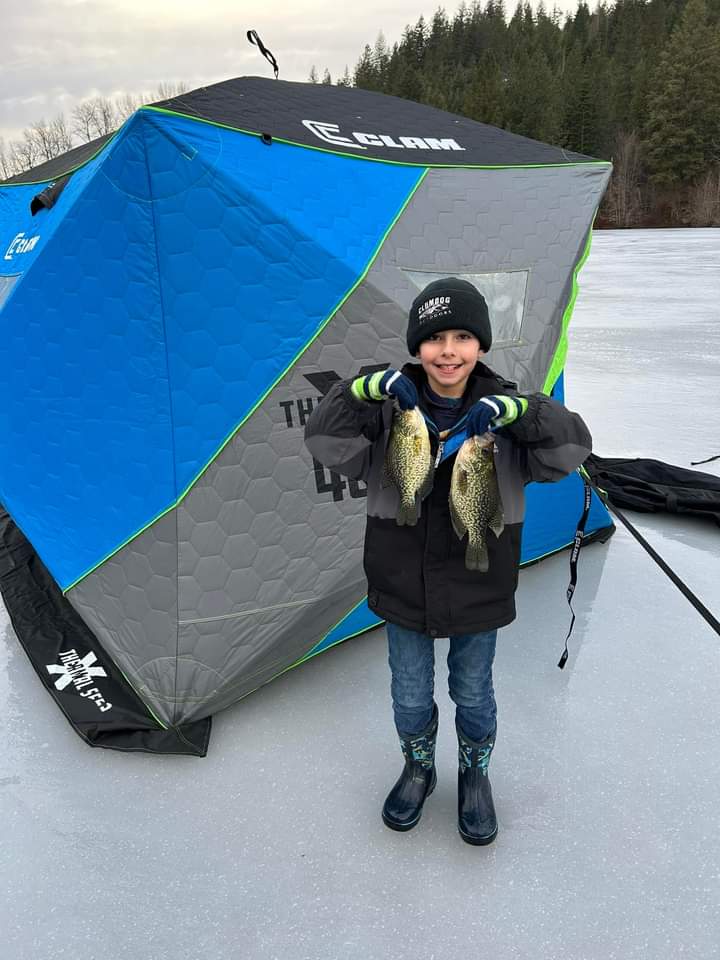
Hub shelters often come with customizable features, allowing the angler to adapt their set-up based on personal preferences and weather conditions or using an overnight setup. From adjustable ventilation options to detachable flooring, these shelters offer a level of customization that enhances the overall ice-fishing experience.
Flip-Style Shacks: Mobility And Quick Strikes.
Flip-style shacks are favored for their portability and ease of transport. These shacks typically come in a compact, sled-like design that can be easily towed across the ice. This portability is especially advantageous for anglers who prefer running and gunning from one fishing spot to another quickly.
The flip-styles are equipped with sleds, enhancing their mobility on the ice. This feature allows anglers to tow their shelter to different locations without the need for additional equipment. For ice anglers, the defining feature is the quick setup and take-down process. Anglers can simply flip open the shelter, allowing immediate access to gear and the fishing area. This rapid deployment is ideal for anglers who like to stay on the move, running and gunning to explore various spots, making the flip-style shelter a valuable companion.
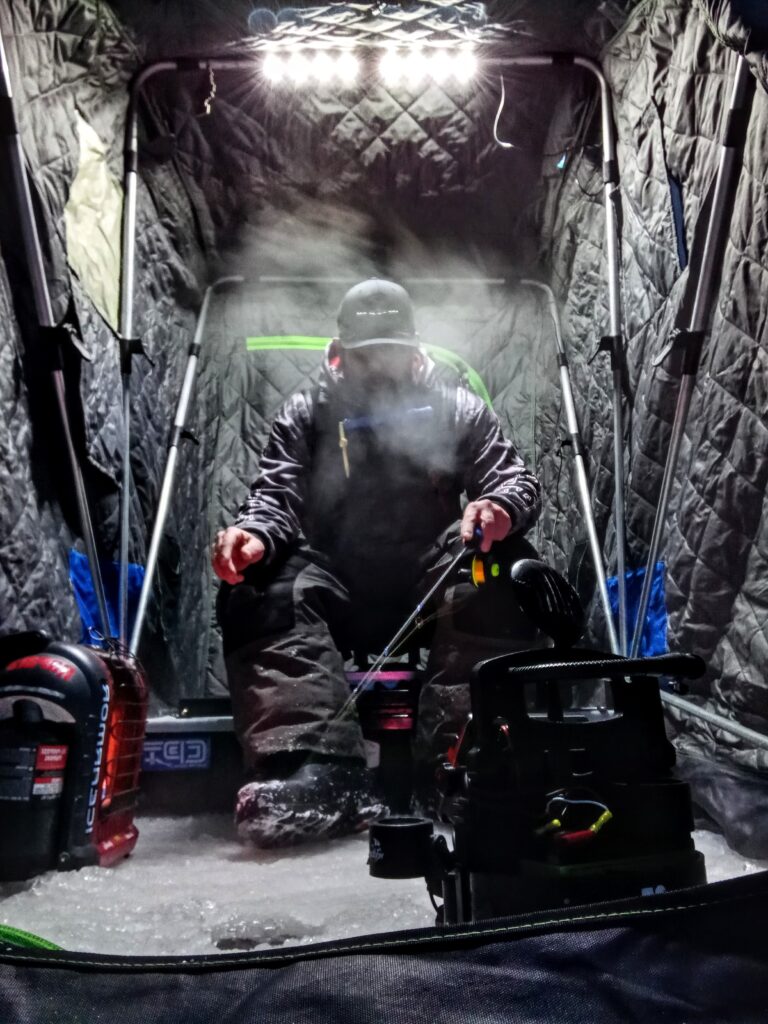
Ultimately, the decision between a hub shelter, and a flip-style shelter depends on individual preferences, fishing style, specific conditions, number of people, etc. Both options offer unique advantages, providing anglers with the flexibility to tailor their ice fishing experience and set up to suit their needs. Whether you choose the central hub for a spacious shelter or the quick mobility of a flip-style, investing in the right ice fishing shelter is a key step towards enhancing your winter fishing and adventures!
/articles/choosing-right-ice-fishing-hut