Lions, Snakes, & Bears, Oh My! by Mike Carey
Back in my Washington Alpine Lakes hiking days, my biggest concern was the potential of being stalked by a cougar. The odds were low, but the risk was high. The common wisdom was that you would never know what hit you until it was too late. Even so, I was in the habit of hiking with a Glock 45, which I figured was better than no protection. It was also protection against two-legged danger. Of course, hiking with a firearm in Washington led to some interesting encounters. One beautiful summer day, I was hiking up to Snow Lake, and when I arrived, there was a group of four younger hikers. I was wearing my outdoor shirt, which I had sewn the old Washington Lakes logo onto. One of the hikers looked at me, looked at my gun, fishing gear, and logo, and asked me, “Are you surveying the lake?” He obviously thought I was some type of official person. I replied, “No, just up here for some fishing.” The group had puzzled and worried looks on their faces as I went on my way. Guns were and are not a common sight on the hiking trails in Washington.
Fast forward twenty years and a move to Montana, where it is normal to be hiking with a holstered gun. And bear spray, and a knife. Because, in case you hadn’t heard, the last few years have seen a dramatic growth in black and grizzly bear populations in Montana, and the exodus of bears from the high mountain country to the plains of central Montana, where they once roamed freely (you can read about Merriweather Lewis’s famous encounter with a grizzly at the Great Falls of the Missouri).
Washington and Idaho are experiencing similar increases, not to mention growing wolf populations. The North Cascade Mountain range has grizzly bears again. Unfortunately, many casual hikers are sadly ignorant of the danger of wildlife encounters.
I don’t want to discourage anglers from exploring these beautiful, remote locations where it is possible to spend a day fishing and not see another angler or person. The desire to fish in secluded places means accepting the risks and being prepared. Going alone increases that risk. At the very least, you need to hike with the “ten essentials”, which you can find by doing a simple internet search. In addition, I now always bring bear spray and my gun. I tell my wife the general area I’ll be in, and if my plans change, I will text her the updated location I’m going to.
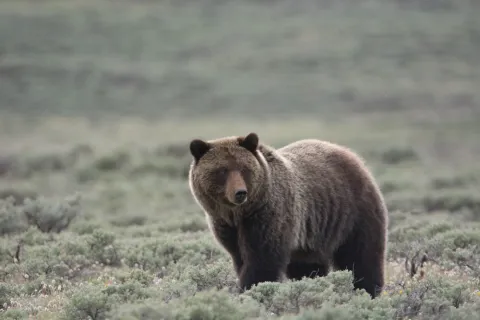
Time of year plays an important role in bear encounters, including the potential for lethal attacks. Bears coming out of hibernation are hungry, and female bears have their cubs with them, which puts them in protection mode. Spring is an extremely dangerous time of the year to be out and about, and extra caution is required. It’s not the best time for solo trips.
That said, I’m at the stage of life where I am semi-retired, and spring fishing is just a given. This year I’ve been exploring segments of the Missouri River in my jet boat, and often it’s just me and my dog, Duke. Obviously, being in a boat affords a higher level of safety, but there are times when we’ll pull up on shore to stretch our legs. Looking for spots that are open rather than brush-filled is the first thing to do. Having a dog that comes when called and doesn’t wander is darn important, too!
OK, you’re saying, spring is dangerous with bears; I’ll wait until summer comes. Not so fast, buddy. With the warm temperatures comes Indiana Jones’ worst fear: snakes. Washington, Idaho, Oregon, and Montana all have their fair share of snakes. The kind that rattle are particularly worrisome for me, not to mention my dog.
On a recent outing to “Widow’s Coulee” on the Missouri, Duke and I were wrapping up a productive day of fishing for walleye and smallmouth bass. It was a day in the low eighties, and by 2 PM, it was time to get Duke into some shade and call it a day. Securing my boat onto the trailer, I noticed some movement on my left. Coming out of the grass was a big old snake, easily 3-4 feet long. My first reaction was to break the Second Commandment, something I haven’t done in some time (I need to get to confession for that…). My second reaction was to walk around the far side of the boat, get in the truck, and run the snake over. I went back to investigate and never found the snake, so he’s probably waiting for the next angler to come along and scare the heck out of.
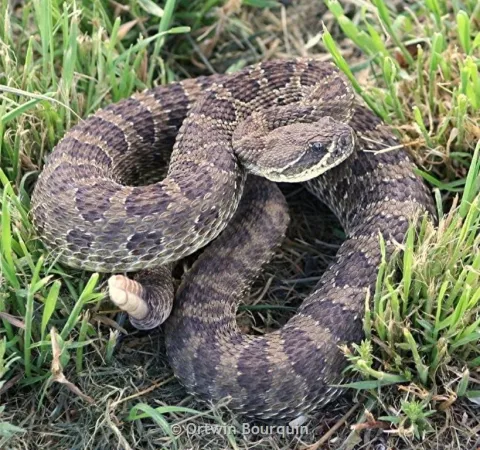
By the way, snakes can swim. Last year, on a different stretch of the Mo, I was anchored up and watched as a snake swam by our boat and onto shore. I’m still not sure what to do in the case of a snake on the boat situation, and I hope to never have to figure it out! Duke has received the rattlesnake vaccine, although I need to get him to a snake aversion training class as well.
Snakes, wolves, lions, bears – have I dissuaded you from backcountry adventures? I hope not. Our wild areas offer a unique and special experience to anglers. And sadly, more are disappearing every year. Personally, I’ve weighed up the risks and decided the experience is worth it. The quiet, peace, and solitude are something that feeds my soul, bringing me closer to my Creator.
I hope you’ll do the math and decide to venture on the roads less travelled. May your fishing adventures bring you the peace we all yearn for.
/articles/lions-snakes-bears-oh-my-mike-carey
Revisiting The Ten Essentials
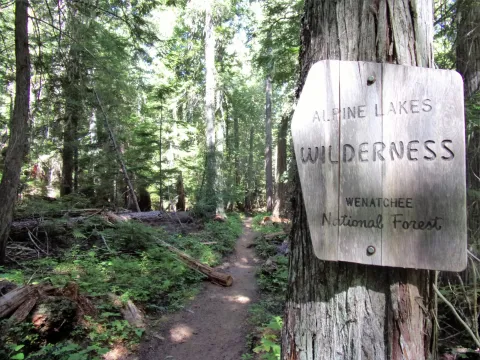
As a young Boy Scout who went on monthly hiking and camping trips, the Ten Essentials for survival was drilled into me as the items I always needed to have with me, even if I was on a day hike. In the last few years, Search and Rescue teams have become increasingly busy, in large part because novice hikers hit the trail unprepared and get in over their heads, relying on only their cell phones for help. With that in mind, revisiting the Ten Essentials seems like a good idea.
POCKET KNIFE – Never underestimate the many uses of a pocket knife for cutting, whittling, cleaning fish or game, and more. If you want to get even more use out of pocket knives, carry a Swiss Army Knife or Leatherman Tool which gives you all sorts of tools at your disposal.
FIRST AID KIT – It’s all fun and games until you fall, cut yourself or otherwise become injured. That’s why a basic first aid kit is needed, especially since you will not be anywhere near a medical facility.
EXTRA CLOTHING – Layered clothing is a must when out for a hike. That sunny day can cool down in a hurry when the sun goes down or even if clouds obscure the sun.
RAIN GEAR – Those clouds can turn into rain and especially in the mountains, thunder storms and rain can happen fast. That’s why a lightweight rain jacket should be part of your extra clothing.
WATER BOTTLE (filled) – Hydration is key and a filled water bottle (or two) will not only be needed, but appreciated while hiking on a hot day.
FLASHLIGHT – Why would you need a flashlight for a day hike? Because sometimes things go wrong and you are stuck in the woods when the sun goes down. Fortunately, cell phones have flashlights in them but a small (and more powerful) flashlight is easy enough to carry with you.
TRAIL FOOD – It’s amazing how much energy you burn hiking, especially if you are going uphill. Trail food that includes protein can give you a quick pick me up. Some of my favorites include trail mix, jerky, or protein bars.
MATCHES AND FIRESTARTERS – If you get caught in the weather or are forced to stay in the woods overnight a fire provides both warmth, comfort, and the opportunity to cook a meal. A box of waterproof matches, a lighter or a flint or carbide fire starter are all easy to carry and worth their weight in gold.
SUN PROTECTION – It’s easy to get dehydrated while on a hike or camping and not only do you want water to replenish lost fluids, but also protection from the sun. Sunburnt skin or lips are not only uncomfortable, but also a major factor in dehydration. Use sunscreen with a high SPF, lip balm and wear a hat to ward off that sunburn.
MAP AND COMPASS – Orienteering is rapidly becoming a lost art but having a map of the area along with a compass can be very handy, assuming you know how to use them. It’s an enjoyable skill to learn, and a reason to get out into the woods in and of itself. It’s also a lifesaving skill if your smartphone battery dies or if you are out of cell range and can’t access digital mapping.
ADDITIONAL MODERN DAY ESSENTIALS
COMMUNICATION – Cell phones can give you a false sense of security, with many novice hikers assuming they can just call 911 and get rescued if they need help. Unfortunately, a lot of wild places do not have cell service. A better idea is a satellite phone or a less expensive satellite messaging device that works anywhere on earth.
Speaking of communication, another essential thing to do occurs before you hit the trail. That would be telling someone where you are going, when you plan to return, and when to call the authorities if you don’t arrive back at a specified time. In the event you are incapacitated or can’t call for help, someone else can do it for you.
Be safe out there on the trail, and don’t forget the Ten Essentials!
/articles/revisiting-ten-essentials