How to Catch a Cone Licker
Fishing Lake of the Woods in Southern Oregon
You know what a cone licker is. You see them in places like Seaside and on the sand at Diamond Lake and they have cone lickers at Lake of the Woods in southern Oregon too. These are the poor folks whose mommas and papas never taught them how to fish. They like to go to the lake too, and they are the ones who, if you bump into them on their floaties, ask "Didja catch anything?" Or, "What kind of fish are in this lake?" It's not a sin to be a cone licker. It wasn't their fault they were born in Sacramento.
There's another kind of cone licker. They are the big trout that eat a steady diet of midge larvae and are particularly susceptible to a pattern called the Ice Cream Cone.
Lake of the Woods is a classic fishing lodge destination for the whole family. It's got something for everybody - a well-stocked marina store with boats and paddleboards to rent, a gift shop, cabins to rent, campgrounds, a great restaurant with a view of the lake, and a bar on the second floor with even better views.
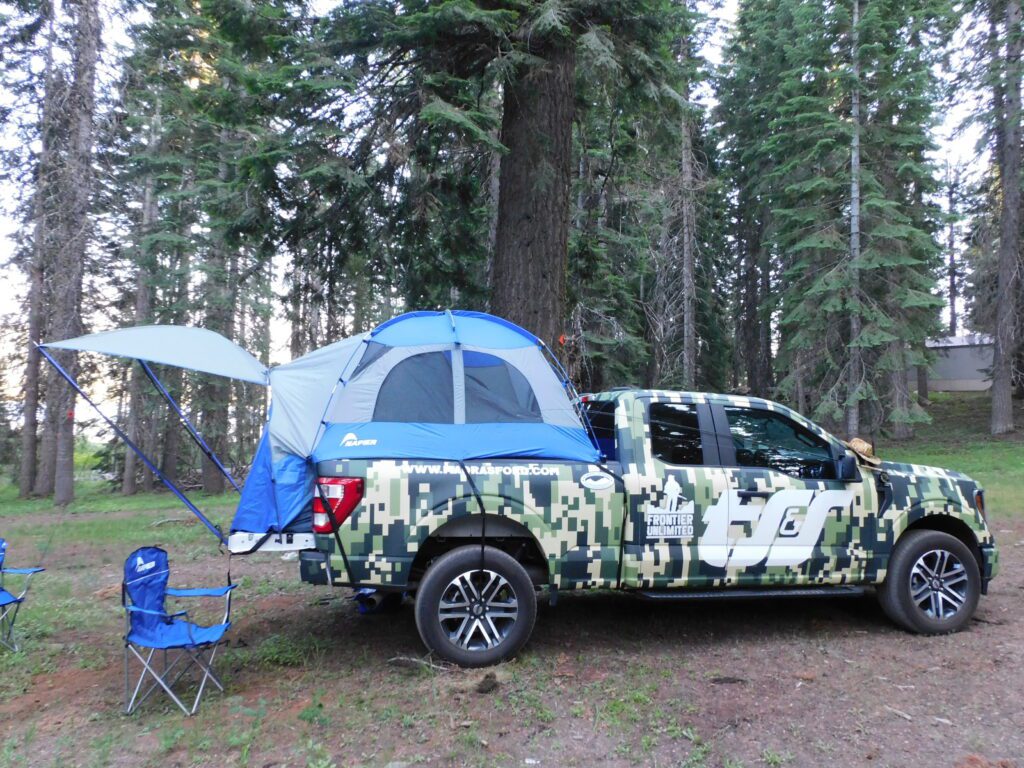
I set up the tent in the back of the F-150, a roomy two-man tent from Napier ( napieroutdoors.com ), specially made to the Ford's dimensions. Then I went down to the lakeside to look at the boat I had rented for the morning.
I knew exactly where I was headed, remembering it from the last time I had fished Lake of the Woods, which was too long ago. We were going to still-fish, having brought spinning rods and fly rods and a selection of jar baits and chironomids.
Soaking in the vacation vibe at Lake of the Woods, I could not help but smile. A lot of people are looking for exactly this kind of American experience. They just don't know where to find it.
FISHING CHIRONOMIDS
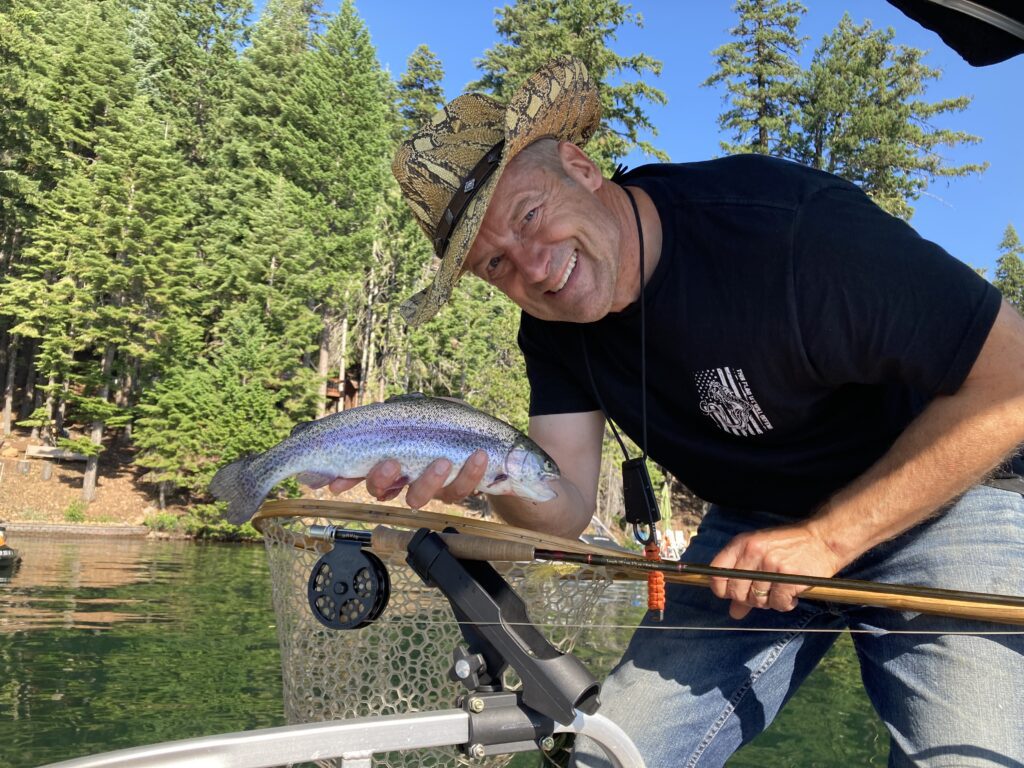
Set up the rod with a tapered leader down to 4X tippet. Affix a Thingamabob indicator well up the line and tie on a No. 8-10 Ice Cream Cone chironomid pattern. With another 12 to 18 inches of tippet add a second Ice Cream Cone tied off the bend of top fly.
Casting a two-fly rig is not an art form. The main thing is to put the flies at the depth of the feeders, keep slack out of the line, and watch for the indicator to indicate. The fun thing about this type of fishing is that some of the biggest fish move the indicator the least. Keep the rod tip low, touching the surface of the water, and be ready to set the hook. Like a rattlesnake.
Finding the feeders is the main thing with fishing chironomids. One trick is to drive the boat over the place you will fish then with a hemostat clamped to the bottom hook, gauge the depth of the water. Then adjust the float so that it puts the bottom fly something like 18 inches off the bottom. That puts the top fly 36 inches off the bottom. Pay attention to which bug gets bit the most and reset the rods accordingly.
You might have heard of the big bait-big fish principle. That doesn't apply to midge larvae. Big trout eat a whole of a lot of these tiny things.
WHERE TO ANCHOR UP FOR TROUT
A large mountain Stillwater in a forested setting, Lake of the Woods is fed by several creeks but gets the majority of its water from groundwater seepage. The deepest water is found along the western shore where the depth is reported as 50 to 55 feet. There is a good mix of shallows where weeds and bugs grow and colder water deeps and rocky ledges, which makes for interesting fishing.
The resort is situated on the eastern side of the lake on the north shore of Rainbow Bay.
One of the best spots for trout is just outside of the marina. Anchor up anywhere within 100 to 150 yards of the marina and within casting distance of either the east shore or the west shore. Anywhere out in front of the marina can hold trout.
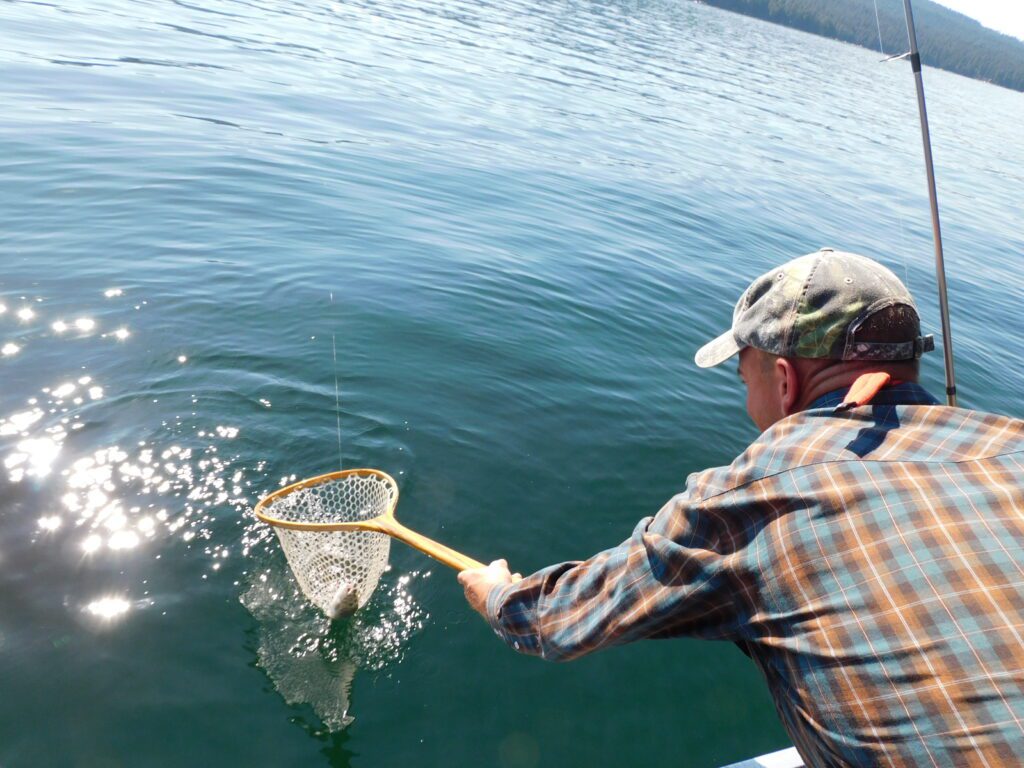
The other great trout area is along the west shore where a deep ledge makes for a great spot to anchor up or troll for rainbows and/or kokanee and the browns that hunt them.
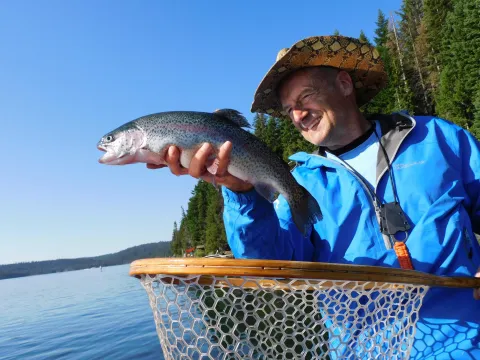
We caught nine trout, a catfish, a perch, and a couple of smallmouth bass in a couple of hours on both fly-fishing gear and spinning gear.
Standard trout rules apply for the Southeast Zone with a limit of 5 trout per day (only 1 trout over 20 inches) and 25 kokanee per day in addition to the trout limit. There is a 5 bass limit with only 1 bass over 15 inches. Angling is allowed 24 hours per day.
This lake is capable of growing hatchery trout big and holding them over. Trout can be caught year-round, but spring and fall are peak seasons for rainbows and browns. Trolling is popular on the lake, but still-fishing can fill out a limit faster, at least in my opinion.
Looking for a family fishing tradition to start? It's hard to beat Lake of the Woods with something for the whole family, even those cone-licking cousins who grew up in Sacrapimento. Heck, you might even teach them to fish.
# # #
For a copy of the Fishing Central Oregon book, send $29.99 to Gary Lewis Outdoors, PO Box 1364, Bend, OR 97709 To contact Gary Lewis, visit www.GaryLewisOutdoors.com
Directions: From Klamath Falls travel 35 miles west on State Highway 140; from Medford, take State Highway 62 north to Highway 140 then east 45 miles. From Ashland, travel 35 miles east on Dead Indian Memorial Road.
/articles/how-catch-cone-licker
Madison River Shoulders
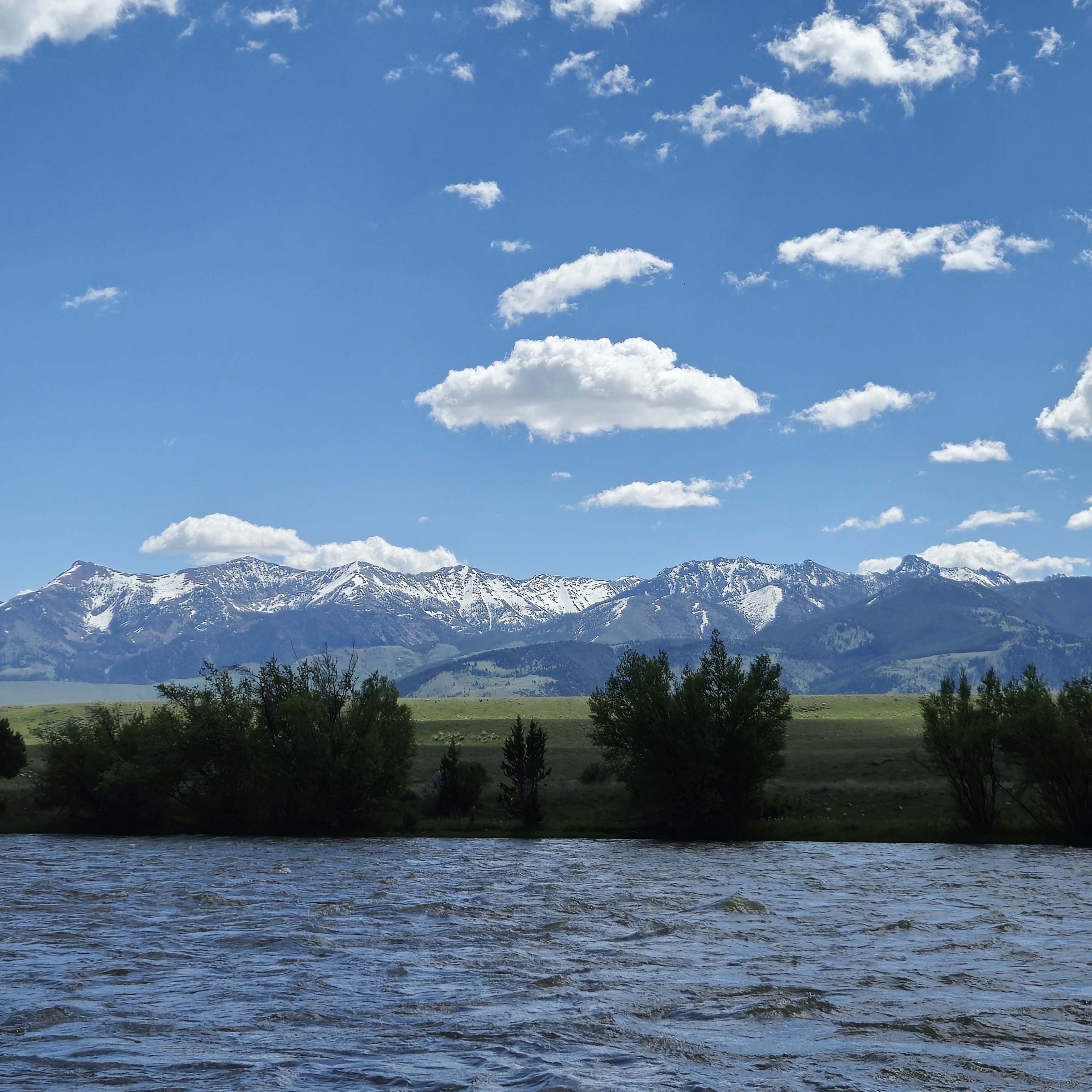
Mountains come out of the sky and they stand there. Snow-covered peaks create a breathtaking backdrop as we work our way down the fast-flowing, slightly off-color river. I could say a whiter shade of pale, but I’d be pushing the 70s music lyrics references a bit too much.
Matt and I are floating the Madison River, Epic, Historic, Blue-ribbon… pick your adjectives. At first glance, I wondered “Where do you even fish this?” To the untrained eye, the river looked uniform from side to side, a fast-moving, rocky, never-ending flow of energy.
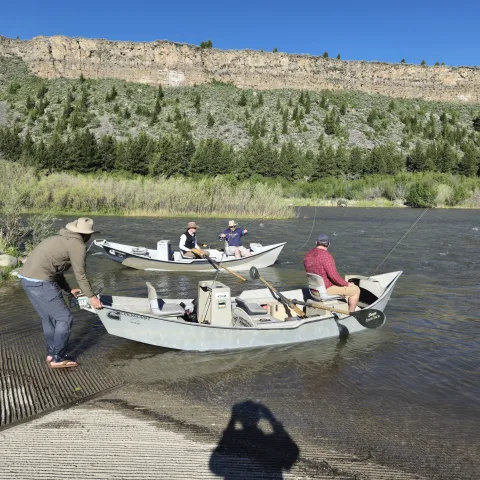
Hunter and Sam, our guides from River Borne Outfitters, had briefed us on the strategy to fish for this untamed wild river. “Today you’re going to be fishing buckets” Hunter elaborated, “When the water is running this fast, you want to target the small back eddies, slicks, and close to the shore. You’ll see the holding water better as the day progresses. It requires some accurate casting but it’s not that hard. The fishing can be really good, but I’m a bit worried about the color of the water.”
For my part, I was glad to be fishing and not rowing. We rapidly drifted past large boulders that would easily have flipped a less skilled rower. “That’s why you fish with a guide”, I thought.
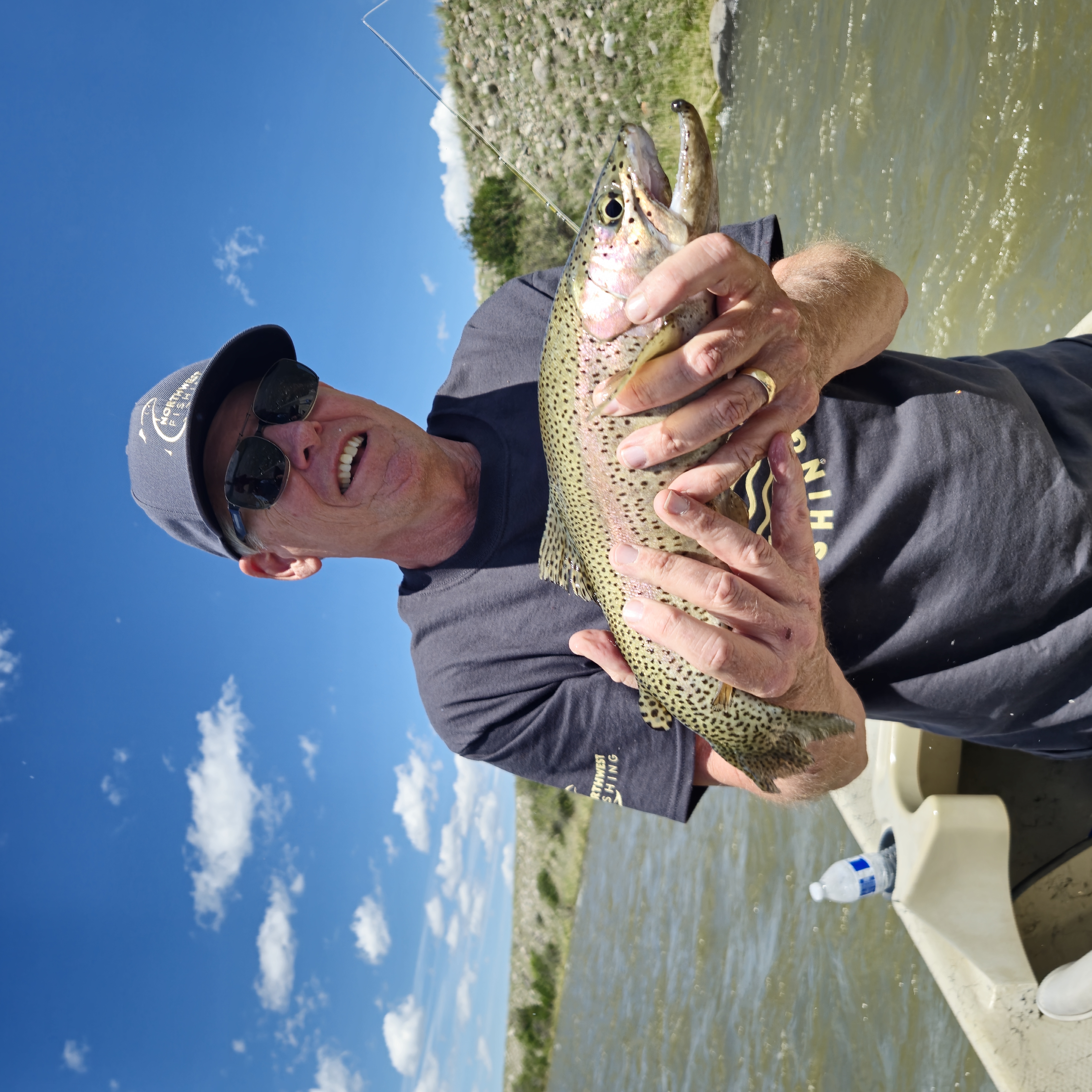
Suddenly Matt called out “Fish on!”. I looked back and his rod was doubled over with the weight of a solid fish, which revealed itself with a series of impressive jumps, clearing the surface a good three feet. A chrome bright, wild (that’s the only kind of trout in the Madison) rainbow was giving Matt a good battle. He skillfully took his time and brought the glistening 18-inch fish to the net. Scooping him up, Hunter let out an excited “skunks out of the boat” and it was the start of a memorable day on one of Montana’s most amazing and wild rivers.
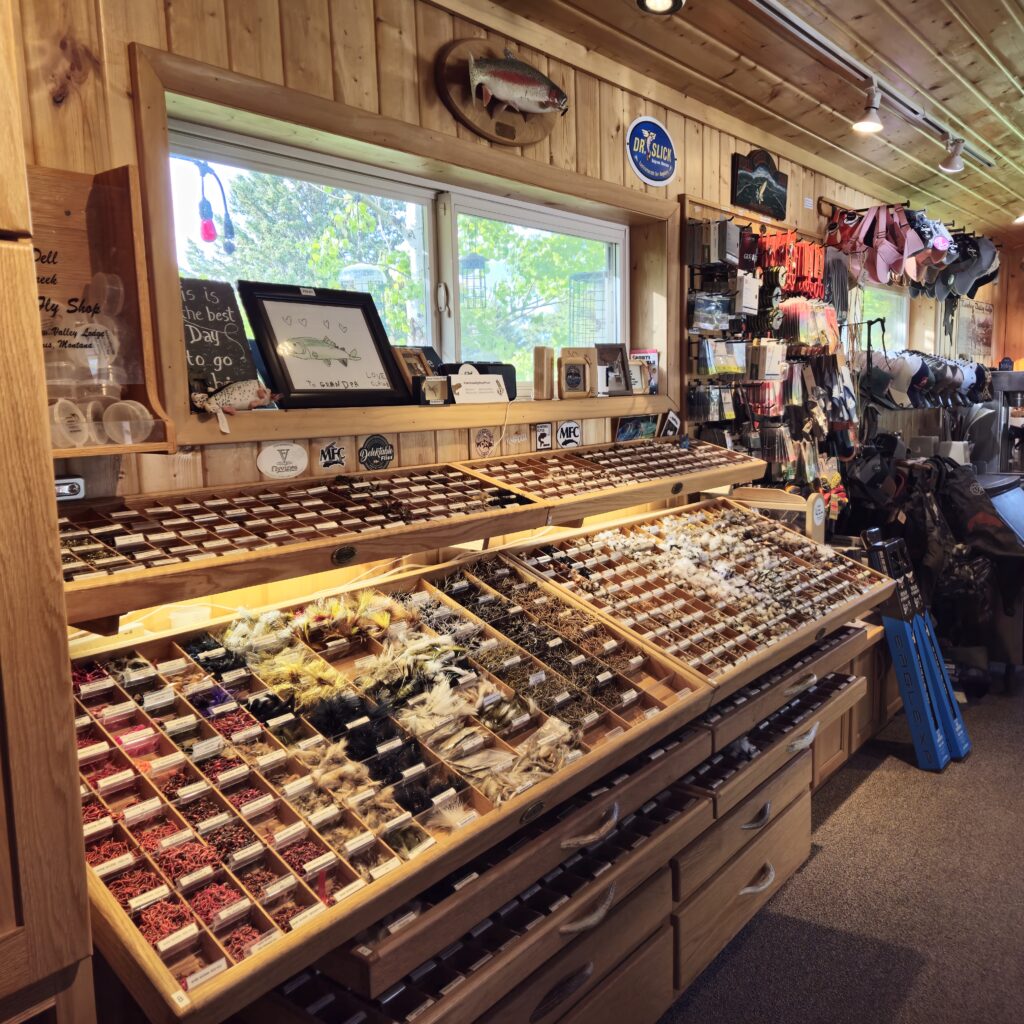
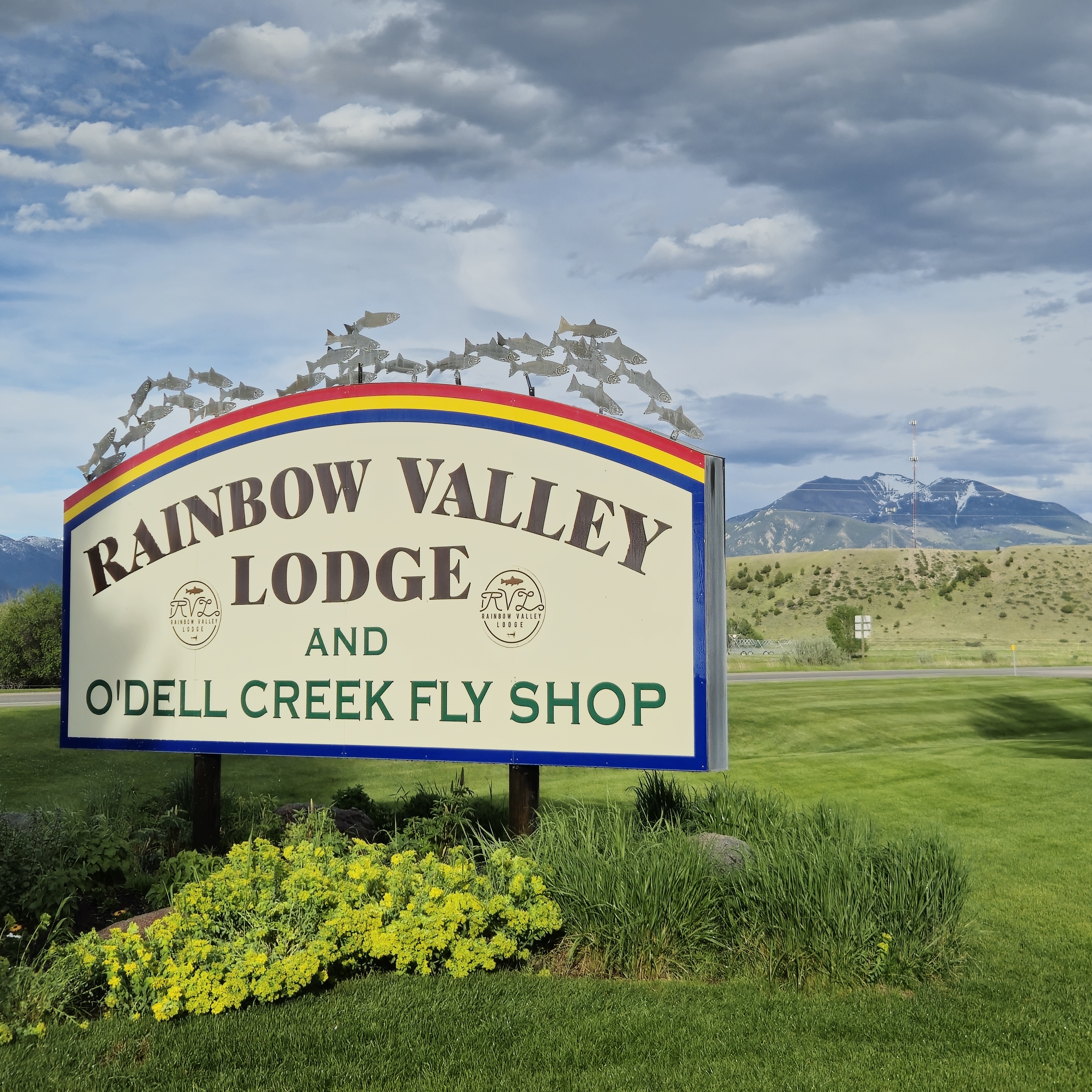
We had arrived the previous day at the invitation of Ed and Jeanne Williams, owners of Rainbow Valley Lodge. Ed and Jeanne had moved from California to Ennis, Montana over 35 years ago and taken over the lodge, growing it over the years into a destination for the rich and famous, and the average person. The two of them radiated an aura of enthusiasm and hometown friendliness that I have come to treasure over the past two years of living in Montana. We felt as if we had new friends we could return to year after year, and indeed, many of their guests expressed the same feelings to us. Not the largest lodge in Ennis, but certainly the most homey and one you’d want to return to year after year. Heated pool, rustic pine wood interiors, and beautiful flowers everywhere give you that “western feel” you are looking for when traveling to Montana’s fishing destinations. The impressive collection of fishing memorabilia in the lobby could keep an angler’s attention alone, not to mention their well-stocked O’Dell Spring Creek Fly Shop. The evenings are a gathering of guides and guests, chatting about the day’s fishing adventures and making new friends and acquaintances.



“Shoulder Season” is the term Ed had shared with me about the lodge’s seasons. Spring and fall anchored a full and busy summer of guests coming through Ennis to fish the famous Madison and use Ennis as a base camp for the 70-mile drive to Yellowstone National Park. Ennis is the last major town on the road to the north Yellowstone entrance. As such, come the end of the school year it rapidly fills up with tourists and summertime adventurers streaming to visit America’s most iconic national park. Anglers stream in as well, as the Madison River shares its impressive fishing with fishermen from near and far.
While the summer is a busy time for the lodge, spring and fall are another matter, and visitors can experience a slower and more relaxed pace if they’re willing to take a few chances. For us, the weather was outstanding with a day in the upper seventies and sunny. The recent warm-up had increased river flows to over 2,500 cfs (cubic feet per second), which had us drifting at a solid pace, but not too fast to catch fish. And as we found out as the day progressed, the visibility at about 18 inches was just fine for fish catching.
Soon after Matt’s nice start to the day, I watched as my strike indicator ducked under the water. I gave a quick tug and felt the heavy pressure of a nice fish. Unlike Matt’s fish which had treated us to a fun aerial display, my fish was a bulldog, the sign of a nice brown trout. Headshakes and hard runs kept me focused and I worked the fish back to Hunter’s waiting net. He skillfully scooped up the brown-speckled fish and after a quick measurement, we released a nice 16-inch thick brown trout.
Our setup for the day was a quality 5-weight Orvis rod and reel, floating line, and 8-foot leader. A pair of size 8 girdle (stonefly) bugs tied 18 inches apart were the fish enticement, and bites were monitored by orange strike indicators (all the better to see in the early morning sunny glare). Our instructions – when in doubt, set the hook!
While “bucket fishing” requires a degree of accuracy, it is a technique that lends itself well to intermediate and even beginner fly anglers. The casts are not terribly long, and if you miss the sweet spot of the “bucket” there is enough underwater structure that you still have a good chance of getting a hookup. While the Madison does not have the fish numbers of the Missouri, there are still plenty of fish to be had, and Sam explained that guides only promote catch and release on the river, so numbers have remained very consistent over the years.

As I noted earlier, this river, at springtime flows, in my opinion, would be a degree of difficulty I would not recommend to beginners behind the sticks. There were more than a few large boulders that could easily pin or flip a driftboat. So, if your rowing skills are marginal, leave the boat at home and hire a guide. Or wait for the slower flows of summer, but plan on having to share the river with a whole lot more anglers.
We continued the float catching fish at a regular pace, beautiful rainbows and brown trout, and an occasional whitefish. We didn’t catch any of the great white buffalo, AKA arctic grayling, but Hunter assured us they were in there. Brent, our film crew for the weekend, even caught his first trout on the fly with the help of his guide, Sam. The big fish of the day was Matt’s 20-inch brown he caught at the end of the day (what a way to finish!).

If you’re looking for the true western trout fishing river experience, keep the Madison River in mind, and don’t be afraid of fishing those shoulder seasons. You’ll find more than a few big-shouldered trout willing to share their day with you.
Rainbow Valley Lodge, Ed and Jeanne Williams, 800-452-8254
River Borne Guide Service, 406-581-2953, guides Hunter Schumacher and Sam Hall.
/articles/madison-river-shoulders
Backcountry Trout
All winter long we kept hearing about the Pacific Northwest's lack of snowpack and how it would affect our summer. A call for a drought, possible bad wildland fire season, lack of drinking water, and all the “doom and gloom” news agencies use to sell us fear. Sure, the snowpack is low but spring rains came and filled our reservoirs so the threat of a significant wildfire season is still lingering but what I kept hearing all winter and spring was how the backcountry would be snow-free very soon.
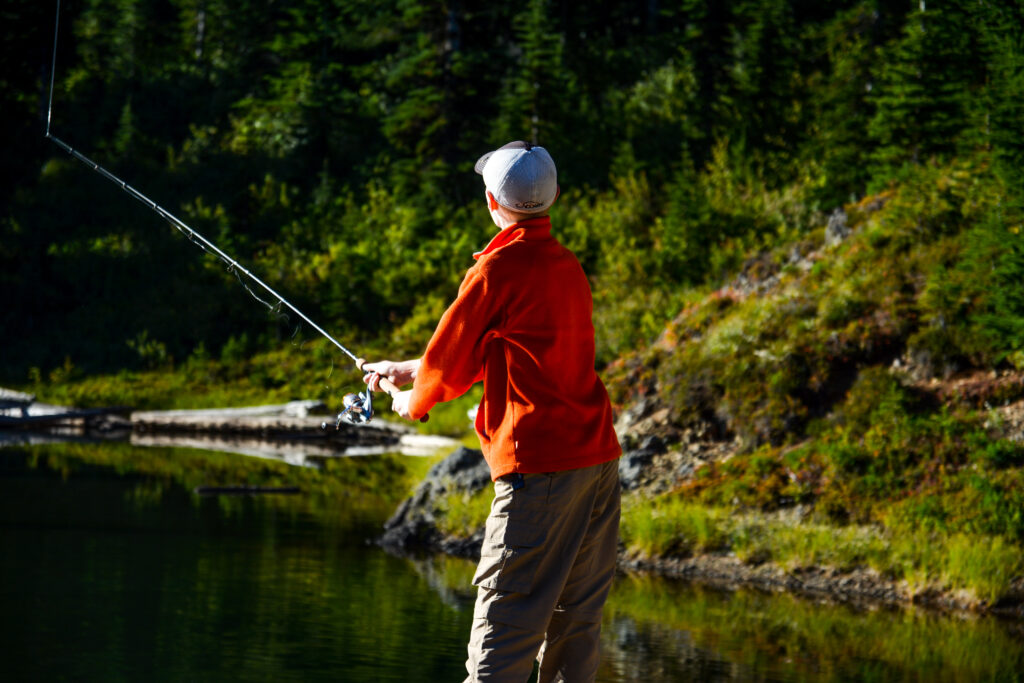
My normal backcountry fishing trips usually start around the 4th of July and continue well into late fall. However, this year the trails will likely be open and navigable, streams will be receding, and lakes will be ice-free come mid-June and that means it is time to strap on the boots, load the tent into the backpack, and grab the lightweight fishing gear.
Before you load up the pack and throw it in the small tackle container it is best to check mountain conditions. Even in June, you should always be ready for some chilly weather and high stream crossings. The SNOTEL Washington website provided by the U.S. Department of Agriculture will give you up-to-date data on current snowpack. Then do a quick search for river levels at the USGS website to let you know how much of that snow is melting.
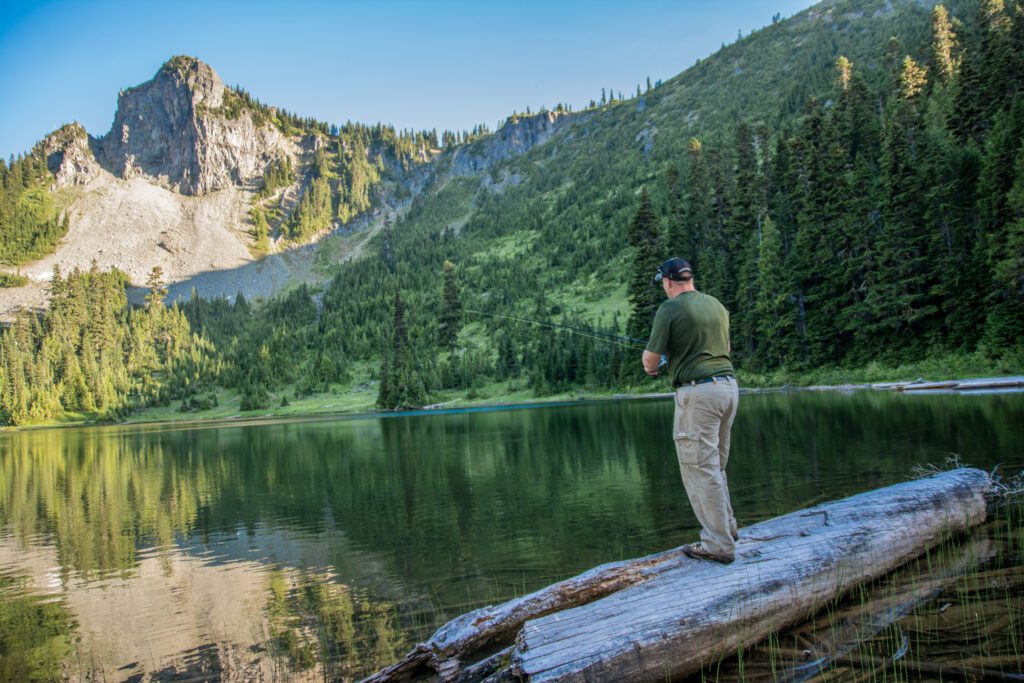
Once you figure out if the lake you are trying to get to is not only ice-free and if any streams you might have to cross to get there are safe to wade then one last web check for trail conditions at websites like the Washington Trails Association can provide you with important information such as any hazards on the trail, or if downed trees and other useful tidbits have blocked the trailhead. The main reason you want to research before you go is that June can be an interesting month for those trying to get to the backcountry. South-facing slopes will be open and snow-free but any north-facing slopes might still have lingering snow and making it impossible to get to the lake.
As the month wanes on most of the high country will be opened up and access will not be as much of an issue. Bugs will be hatching and though that makes for great fishing it also means a bit of an annoyance. Last year my son and I hiked into a relatively low “high mountain lake” that was at about 3,000 feet elevation. Fish were jumping and we soon found out why. Mosquitos flocked to our skin and swarmed us to the point that Deet was not going to be enough. Luckily, I had brought along Thermacells for both of us and plenty of extra butane cartridges and chemical pads that keep the bugs away. I also had a quick lesson on Thermacell's and that if you choose to strap them onto your pack to be sure that the vents do not become blocked as it can overheat and even melt the nylon on your pack.
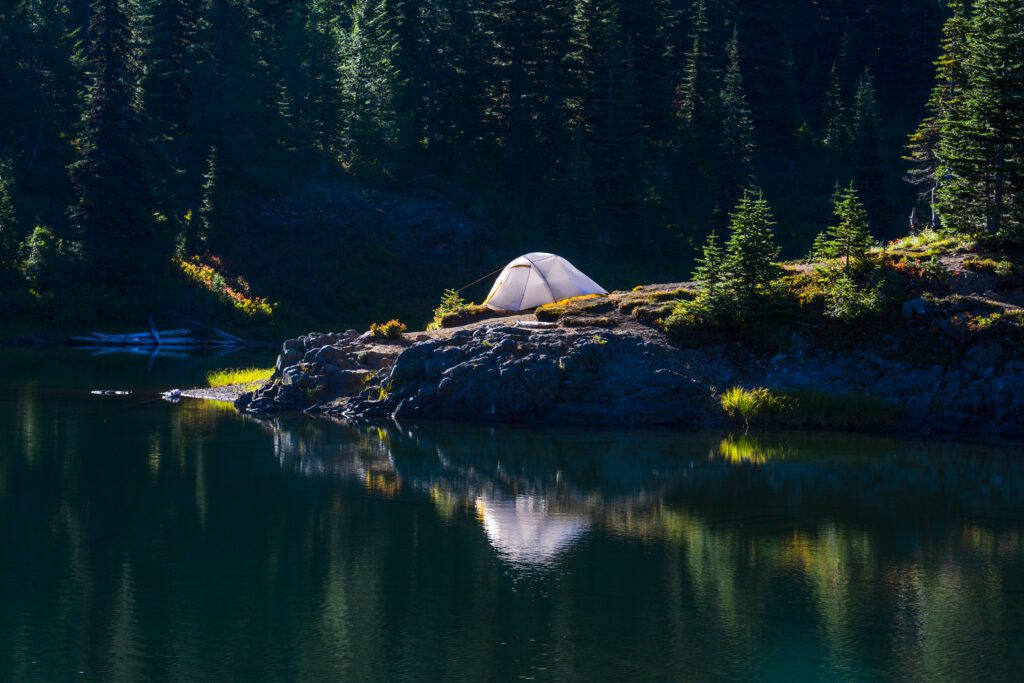
Long-sleeved shirts, lightweight hiking pants, and head nets will help with keeping bugs away and make for a more comfortable day of hiking and fishing. A lightweight double wall tent is also an excellent choice so you can make a quick bug-free area to sit and eat lunch or just rest and get away from the bugs for a bit. Being double-walled means the inner wall is a mesh material and you can leave the rainfly off if the weather is nice or put it on if the clouds come up.
Weather is another factor for June’s high-country adventures. Cool mornings and warm afternoons often mean thermal winds. Welcome the breeze as it will help keep the mosquitos at bay but also be ready if an afternoon thunderstorm approaches. Rain and even a snow shower is common in June in higher elevations as it is still springtime up in the mountains. Keep in mind that if you hike into a wilderness area fires are often not allowed so drying out can be a challenge.
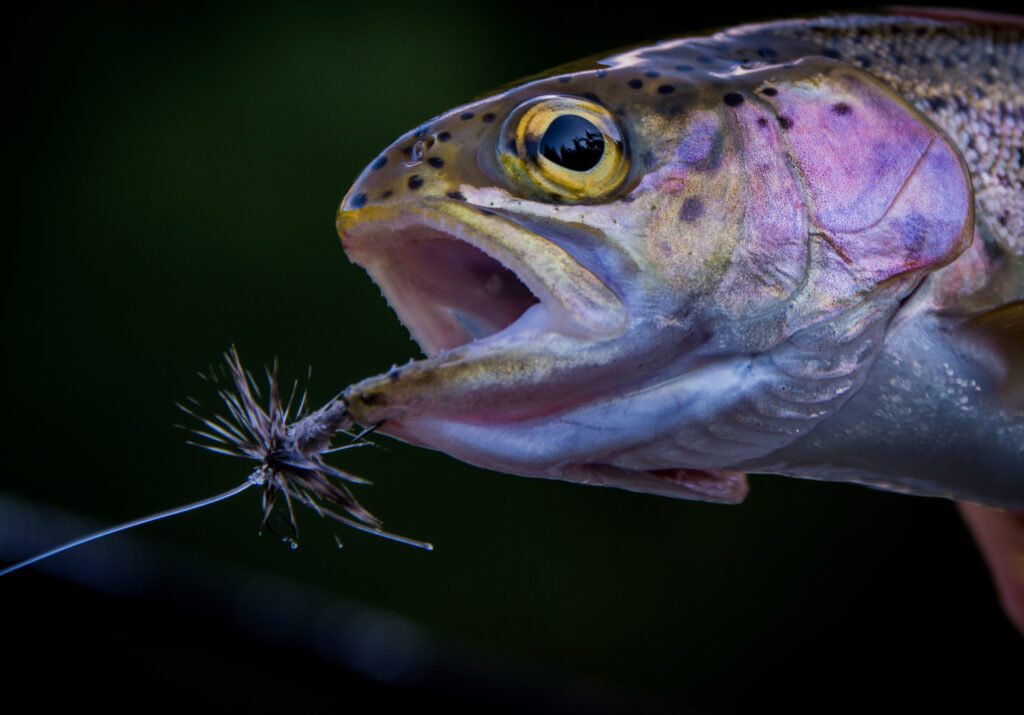
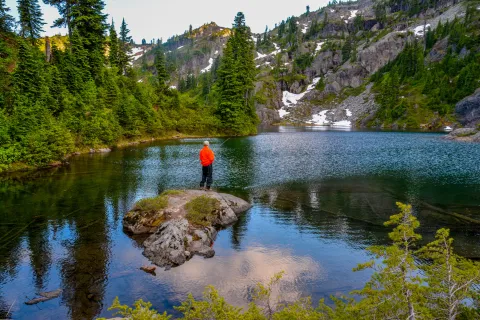
When it comes to finding the right lake be sure to check out the fish and wildlife website and other resources. For those of us in Washington the WDFW has a tab for “high lakes” and there you can find a list of lakes which include their location by GPS as well as their elevation and size. It also will have directions to the trailhead or lake itself and even a stocking schedule on when it was last stocked. These lakes are often supplemented with fish that are hiked in by volunteer groups and periodically restock the lake. Some lakes have natural production if there is a cold creek that trout can spawn in or if they have brook trout, which is a member of the char family and can spawn in the lake itself.
Backcountry fishing is often done in solitude. Once you find a few of these high mountain lakes you will soon realize which ones are popular with other hikers and anglers and which ones are “secret”. If you find a lake that is full of trout, and nobody around, then do yourself a favor and keep it a secret. These lakes cannot take much pressure and if you post your trip on social media and include the lake, trail, or even a nearby mountain then soon the lake will get new visitors and the next time you go there it might be void of fish.
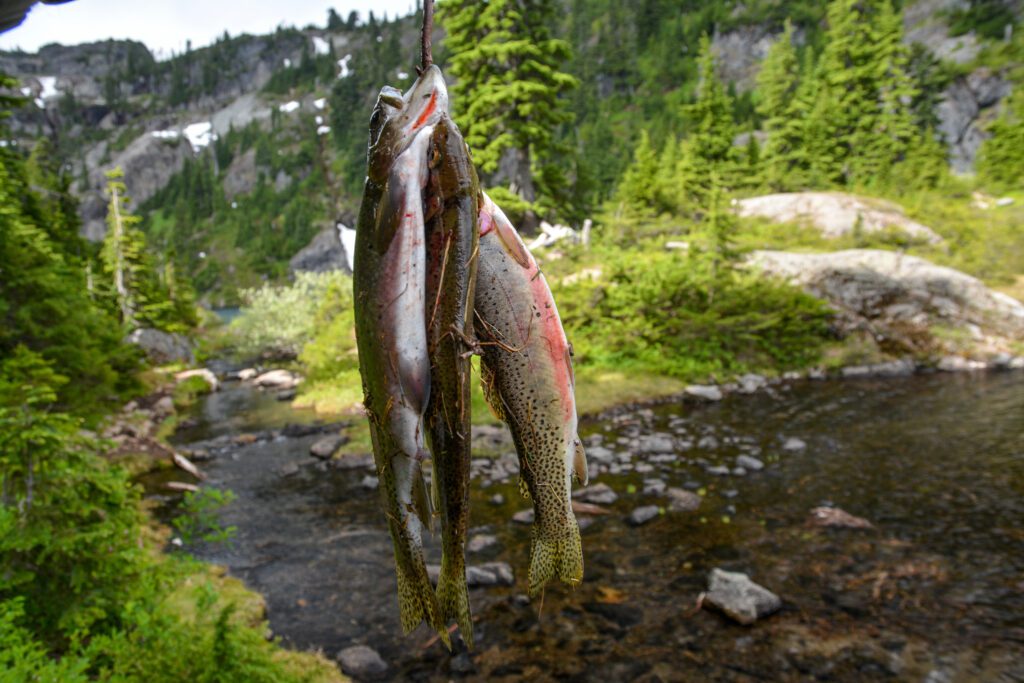
Then again, there are several lakes that are already popular, and those lakes tend to get regular re-stocking of fish so if you find other anglers do not feel bad about it. Same with harvesting a fish or two for dinner, these lakes either had or have a natural way to repopulate them with trout or were sterile to begin with and the fish were introduced into the lake for the specific reason to be caught. This does not mean you should catch a limit of trout to take home as there are plenty of lowland lakes to do that with. Instead, catch and release using artificial flies and lures is a wonderful way to spend the day. When it’s time for lunch, you can eat what you caught.
When it comes to cooking your catch, again, know the rules if you can have a campfire or not. A small titanium frying pan and a butane stove is a great way to cook up some fish. If fires are allowed, then packing a small piece of tinfoil is lightweight and makes cooking the fish easy or you can make a skewer and cook it open over the rising heat of the flames. High mountain trout make a great lunch, probably because of the work it takes to get to these lakes as well as the views as you sit along the shoreline.
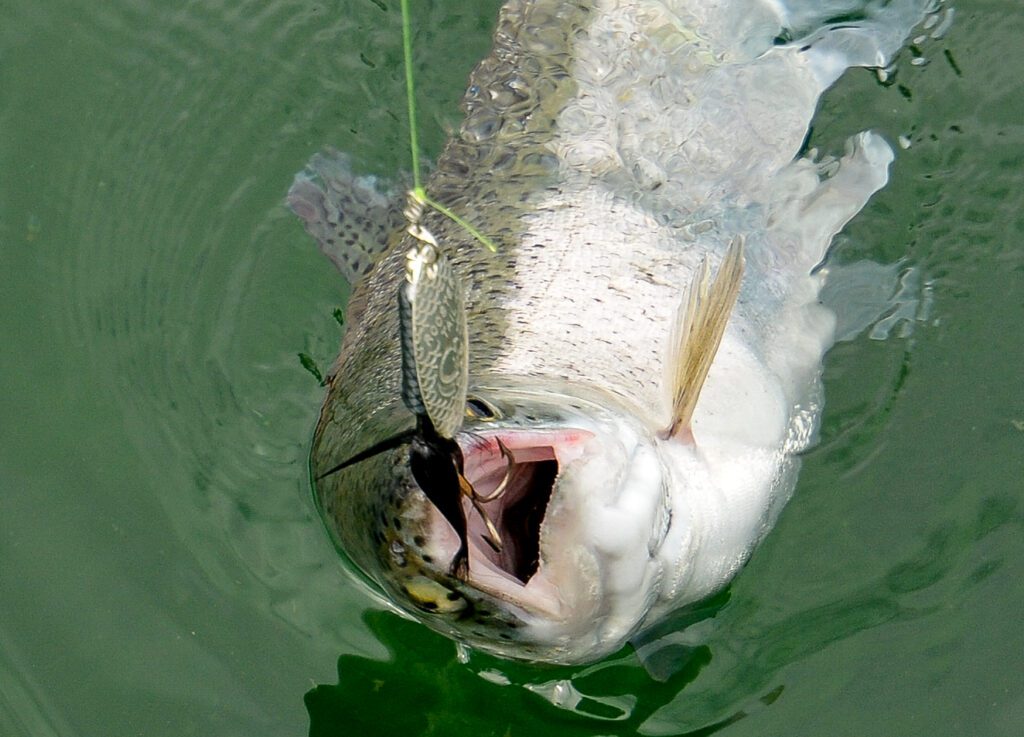
One of my favorite ways to fish high mountain lakes is with a lightweight fiberglass spinning rod. This rod is nearly indestructible and can take a beating while strapped to my pack. The spinning outfit allows the angler to cast lightweight lures such as Roostertail's and other spinners, but you can also use a plastic bubble style bobber and a dry fly. Fly fishing is a lot of fun and a lot of the lakes will have gradual shorelines as they are remnants of large ice fields. Other lakes might have a scree field where you can climb out on the rocks but be aware of your back cast and that rocks can shift.
In the early part of the month it might still be a bit chilly to wade, but by month's end a day out swimming and wading in the cool water also means being able to cast further. Regardless if you use a fly rod or the spinning rod with a bubble bobber very few things can beat a rising trout taking a dry fly. Most of these fish will be small and malnourished due to long winters and not much bug activity in the chilly water. This means using small dry flies such as a size 12 elk hair caddis or a size 14 mosquito. Light leaders in 4 to 6-pound monofilament will suffice and keeping the mainline light, around 6 to 8-pound test will help with casting long distances.
June offers the first chance at getting up to the backcountry. Lakes will become active with hungry trout and snow will melt from the trails. Load up the pack, be ready for changing conditions and strap on the trout rod. It is finally time to head to the high mountain lakes for some great fishing with incredible views.
Cooking Backcountry Trout
When it comes to a shore lunch along the banks of a high mountain lake it is hard to beat fresh trout. To make things easier pre-mix a spice shaker with some flour and your favorite spices, salt and pepper. This will help with adding flavor to the fish and keeps the mess down. Clean the trout and then butterfly it, cutting along the backbone from the underside, keeping the skin intact. Then simply shake the flour and spice mixture onto the flesh of the fish. When it comes to frying the fish, take along a small jar of coconut oil as it will remain solid at room temperature.
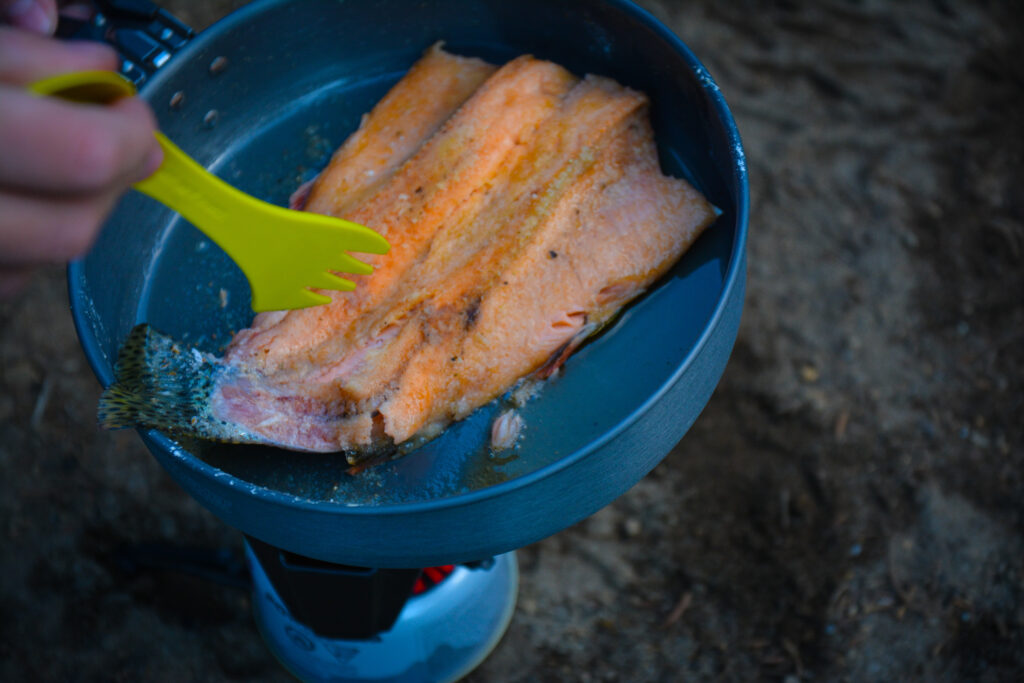
No worries about it leaking or spilling into your pack on the hike up to the lake. Scoop some out and put it in the frying pan and it turns into your standard frying oil and adds to the flavor. Once you are done cooking and the pan cools the oil turns back into a solid and can be scraped out of the pan and if you clean your pan in a nearby creek it will not mix with the water or stick to any rocks, though you should not clean anything in a creek. The coconut oil can be easily wiped out with a paper towel and stored in a zip-loc bag and can be used as a fire starter if needed much like paraffin waxed paper.
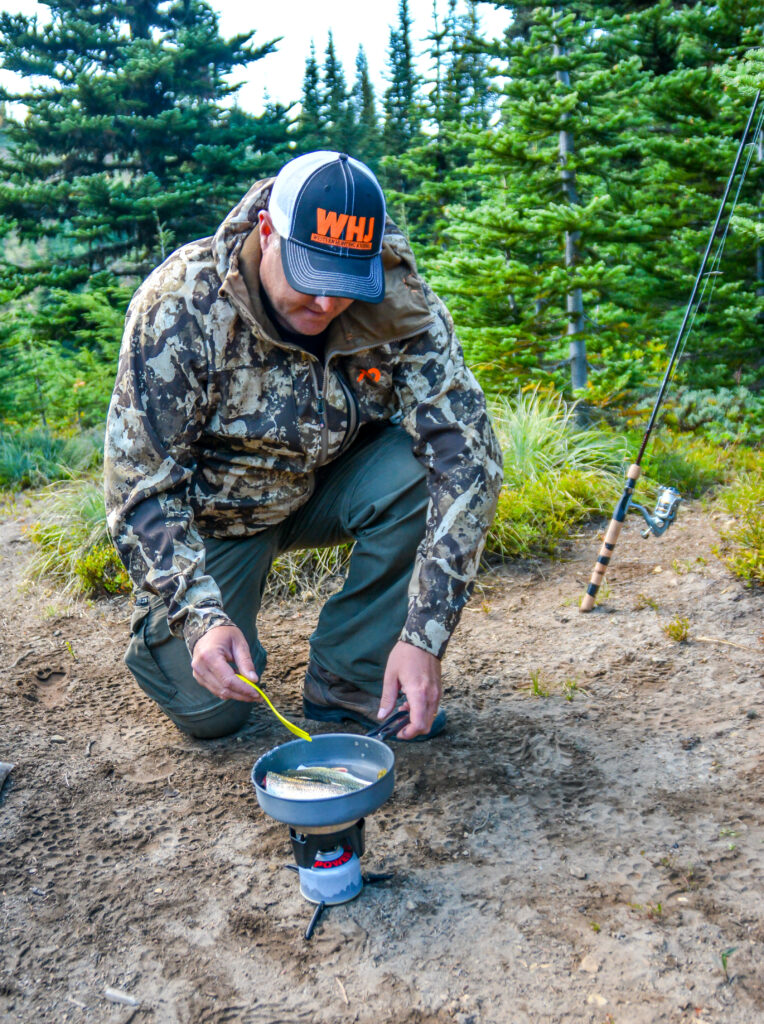
Another fun way to cook backcountry trout is to butterfly it just like described above and then use green sticks to skewer it. Build a small fire (where permissible) between rocks or make a rock oven and once the fire dies down place the skewered fish over the hot coals. Season with your favorite seasoning salt and let the heat cook the fish. Easy and no dishes to clean up afterward.
/articles/backcountry-trout
Lake Washington Kokanee Secrets
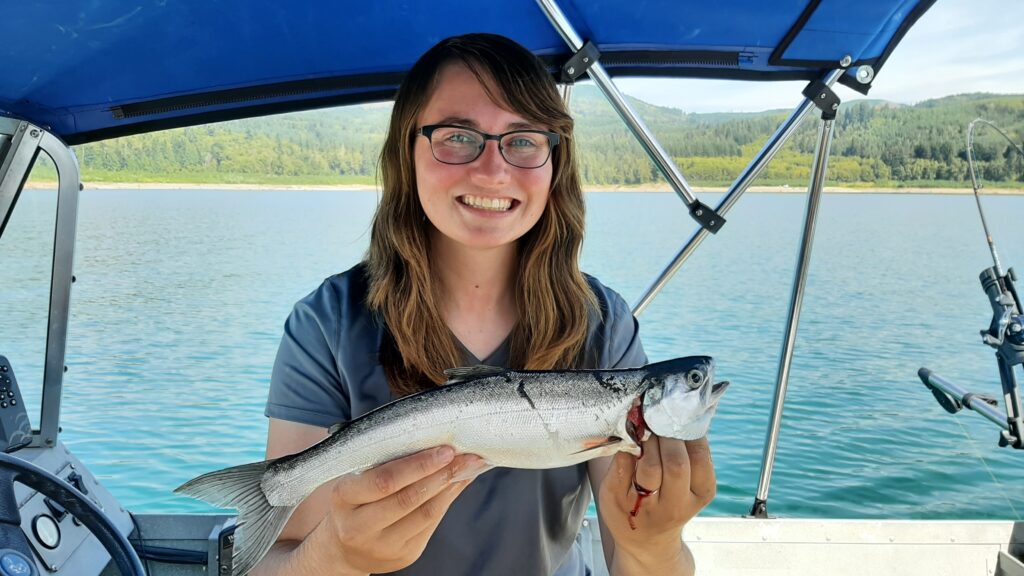
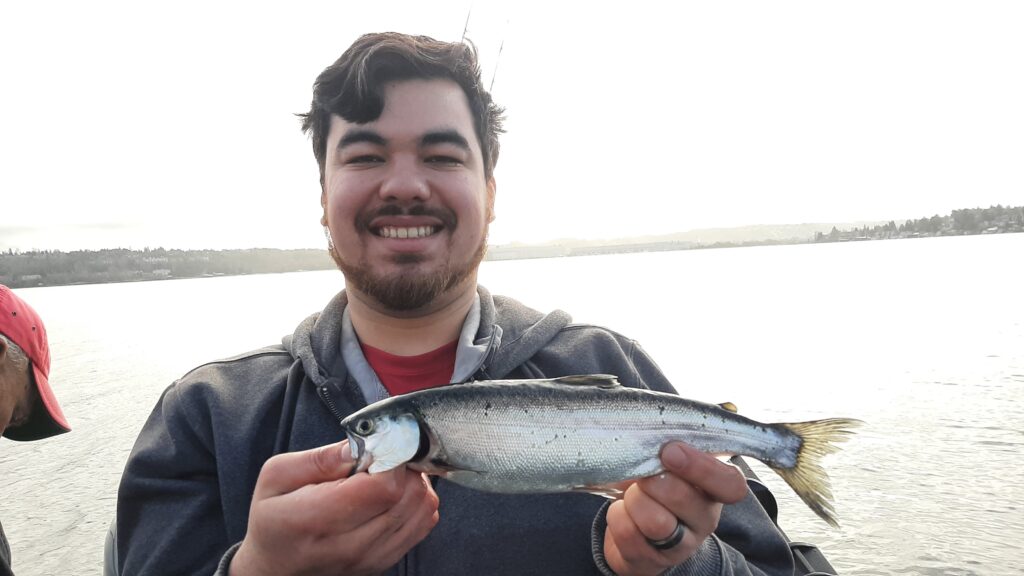
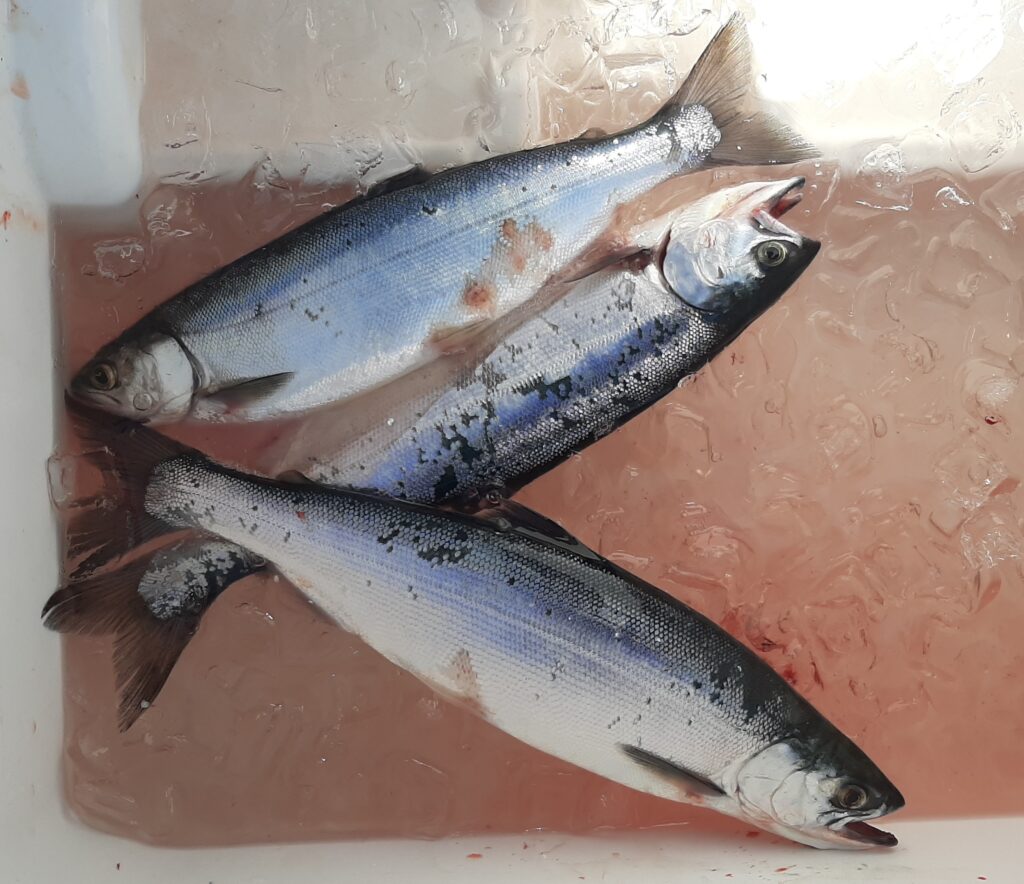
For most people, a trip to Lake Washington means a day of kayaking, jet skiing, or picnicking. But did you know that the lake plays host to thousands of kokanee? These land-locked sockeye salmon are smaller than their ocean-going cousins, but they taste great and are available year-round. Early summer is the perfect time to target them.
They are aggressive and plentiful. Learning how to troll for kokanee is a great way to dip your toe in the water before you fish for salmon in the fall. Whether you're an avid kokanee fisherman or a beginner, you should add Lake Washington to your list of summer fishing destinations. Not sure how to start? Let's go over some key information to make your trip to Lake Washington a success: which launches to use, tried and true techniques, and productive locations to start with.
Launches
There are many boat launches surrounding Lake Washington, so I'll just name the most popular ones here. In the south, the Atlantic City boat ramp is pretty spacious and has restrooms available. There is a fee to launch your boat, but the parking is free and plentiful. Gene Coulon Park is another popular option at the southern end of the lake. Parking can be tight, especially during weekends. There is a launch fee but there are restrooms and an Ivar's close by if you get hungry!
Near the middle of the lake, the Kirkland Marina has a small boat ramp. The launch fee is steep, but you can buy an annual pass to save some money. On the other side of the lake, Magnuson Park offers a well-maintained and easy to use boat ramp. At the very northern tip of the lake is the Kenmore boat ramp. It gets pretty shallow here, so be careful when launching in the early morning. There is no dock, but there's a nice bathroom and there's no launch fee. Although Lake Washington is quite large, you're never very far from a boat ramp!
Techniques
Although Lake Washington has a wealth of shore access, kokanee tend to hang out in water out of casting distance. Your best bet is to troll for them. Typical kokanee gear works well. Toss out a variety of lures and let the fish tell you what they want. Some days they like spinners, other days they want plugs. Kokanee can be very picky.
Artificial maggots and corn should both be in your tackle bag, as well as a few bottles of scent. While pink is the classic kokanee color for a reason, orange, red, and watermelon are all great choices for lure colors too. Sometimes giving the fish something they haven't seen before is the key to success. Trolling flies works great! Make sure you have a variety of dodgers too. You can experiment with different dodger styles and colors. I also tend to use a shorter leader than usual on Lake Washington. The fish seem to respond well to a 9-inch leader.
Make sure to bring a long-handled net for landing the fish. Kokanee have soft mouths- boat flipping them often results in lost fish. It's also a good idea to bring a stringer or a bucket to bleed the fish in. A cooler full of ice to keep your fish cool once bled is also crucial. Kokanee also has soft meat, to get the best meat quality it's a good idea to bleed and ice them.
Locations
One of the most important things to bring along on your Lake Washington trip is a fish finder. Especially during late summer when the kokanee dive down deep to escape the warm surface water, you'll need your fish finder to show you what depth to fish. I also recommend placing marks when you get hits or reel in a fish. Set your fish finder to show your trail, and you can set up a good trolling pattern. On the southern end of the lake, try fishing on either side of the I-90 bridge. On the north end, try fishing south of Highway 520. Target points and coves. The fish will move depending on the time of day and weather. Don't be afraid to try somewhere new!
Before we wrap up, let's talk about a few last-minute tips for your Lake Washington trip. First, I highly recommend planning on starting and ending your fishing trip early in the morning. This lake is incredibly popular with jet skiers, inner tubers, and water skiers, particularly later in the day.
If you get off the water early, you'll minimize your chances of tangling your lines or getting a rocky ride. It's a good idea to wear a life jacket and make sure your kids and/or dogs have them as well. The limit is 5 fish, and you must release any fish over 18 inches in length. This rule is in place to protect sockeye that run in the lake during late summer.
Lake Washington kokanee are the perfect fish to go after on a warm summer day. They're absolutely delicious on the smoker or even fried. Kids will love reeling in fish after fish! So, head out to Lake Washington and get your limit!
/articles/lake-washington-kokanee-secrets
The Big One Vs. The Many
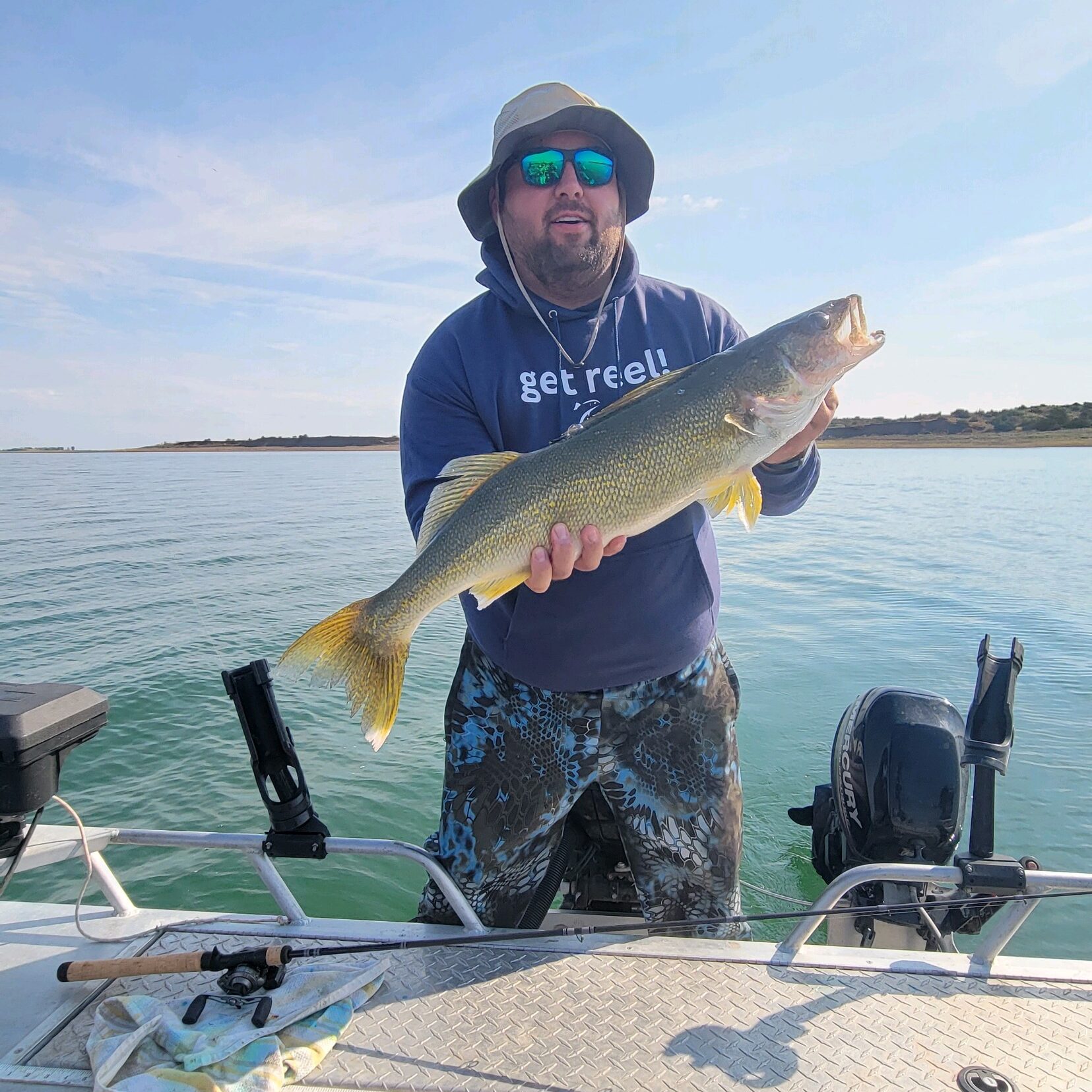
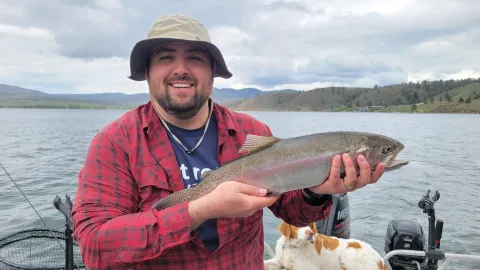
I can’t be the only one to think about this when I am getting ready for a fishing trip. Would I rather catch “the big one” or would I rather catch a steady stream of fish and hit my limit? The one monster fish could land me in the record books if I do well enough. That’s a fishing story I could get tattooed on me, or at least wear a button that says “Ask me about my state record fish”.
On the other hand, if we do really well, catching the limit on fish would fill up my freezer. And at (insert large number here) for the limit, I won’t even hardly have time to sit down if I’m catching them all day. That doesn’t even include the limit on a different kind of species I could inadvertently catch even though I’m not targeting them! Whether you’re somebody who relishes that big fish or someone who would rather be engaged in a regular catch, let’s at least hear out each side.
For “The Big One”
Marathon fishing days can lead to a lot of time talking with friends or inside our own minds. Those stretches of time where you’ll change out gear to find something that works. Is waiting the best part of fishing? No, not really. But it is part of the experience. You go an hour, two…six. Maybe without any kind of bite. And then, BAM. Your rod gets absolutely slammed. The fight is like nothing you’ve come across before. You think to yourself you must be snagged up or one of some different species because the one you’re targeting simply does not fight like this.
Then, the fish surfaces. It looks like something that’s been hitting the $5 buffets in Vegas and isn’t afraid to go back for thirds or fourths. It gets netted and you think to yourself, “How in the world did I catch this”. You grin, you cheer, you motion for everybody you're fishing with to take a look. It’s easily the story of the day, probably the story of your year. The old adage, I’ve got bigger fish to fry, tells you everything you need to know about moving on to bigger and better things.
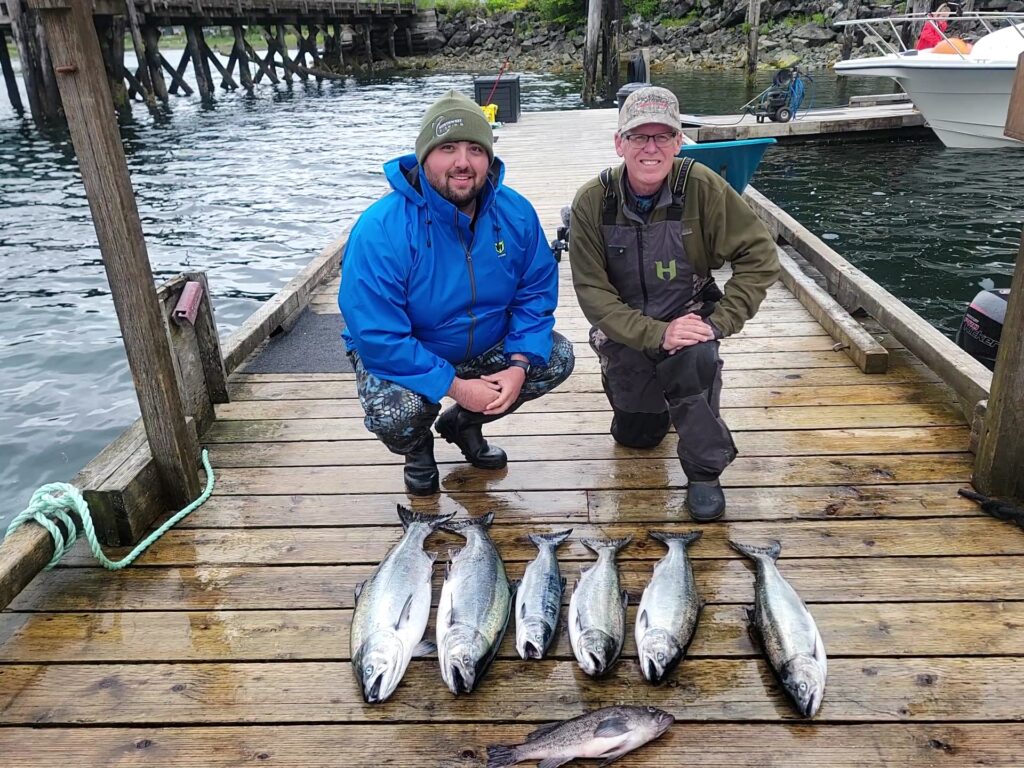
In fact, there’s an argument about the many that will probably resonate with many of you. It’s probably the most obvious argument because it’s the argument in favor of The Big One. It hit me as I was looking back in my photo album trying to justify an argument for the many. Who takes photos of a bunch of small fish? Sure, maybe you’ll take the first one to show you did in fact catch something. Or if you remember at the end of the day you’ll remember to line up all the fish on the dock. But, that’s when you’re already trying to bring the boat in, manage the queue of vehicles trying to get in and out, secure the boat to the trailer, put away the gear, and generally not look like a rookie.
These kinds of photos are great for a guide service to show they get folks on the water and into fish, which is certainly what you would hope for. But to the layman, the appeal really doesn’t seem to be there. Bystanders could look at your spread of fish and comment on you having had a good day, catching near or at the limit is great, but will silently be judging you and think about the mammoth they caught relative to the ho-hum size of the fish you brought in. It’s way more common and photo-worthy to post that one huge fish, rather than the compilation of small to average-sized fish. The one that makes people say “Wow!” But those fish that make everyone on the boat stop and admire it?
Those are the kind of kodak moments you’ll stop everything you’re doing to make sure you document the occasion. Look at any guide service, they post pictures of the legendary fish. State records? Do I need to say anymore? Where else can common folks like us hold a record for 30 or more years, because it sure won’t be in home runs for touchdown passes. But one nice fish can put our names in the record books. And it could be at any moment. Really, if we don’t fish for the clout and sense of self-worth, why bother fishing at all?
For “The Many”
Who among us doesn’t like pulling in their catch? I mean that’s the main objective of fishing, isn’t it? To bring in something on your line besides seaweed or a bait-less hook? You’re out with some friends, or maybe a kid who hasn’t fished much. An entertaining day with a cooler full of fish is the fastest way to hook someone else into this great sport.
When you get to the point in the day where everyone on the boat is looking at each other and asking whose turn it is, you know you’re in the middle of an awesome fishing adventure. In this fishing reality, we’ve built for ourselves, everyone gets a chance to participate, and everyone gets to enjoy a tasty dinner (if keeping your catch is your thing). The banter picks up. The camaraderie builds. Everyone is in great spirits and appreciates the constant action.
There isn’t that sense of if we catch something but instead, when are we going to catch the next one? You pass by some other boats in the water and exchange the usual conversation. What are you using, how has the bite been, that kind of stuff. Instead of the meh response of just doing OK with a few bites here and there you proudly share that the bite has been insane and you’re getting hit on every rod at every depth with every lure you’re putting in the water.
The other boat slowly trudges by with expressionless faces as they’ve had the exact opposite kind of experience on the day. In fact, they share that they've been camping throughout the weekend and haven’t so much as seen a fish surface or a blip on the fish finder. And like clockwork, your casual conversation is broken up because, well, you’ve got another bite to attend to.
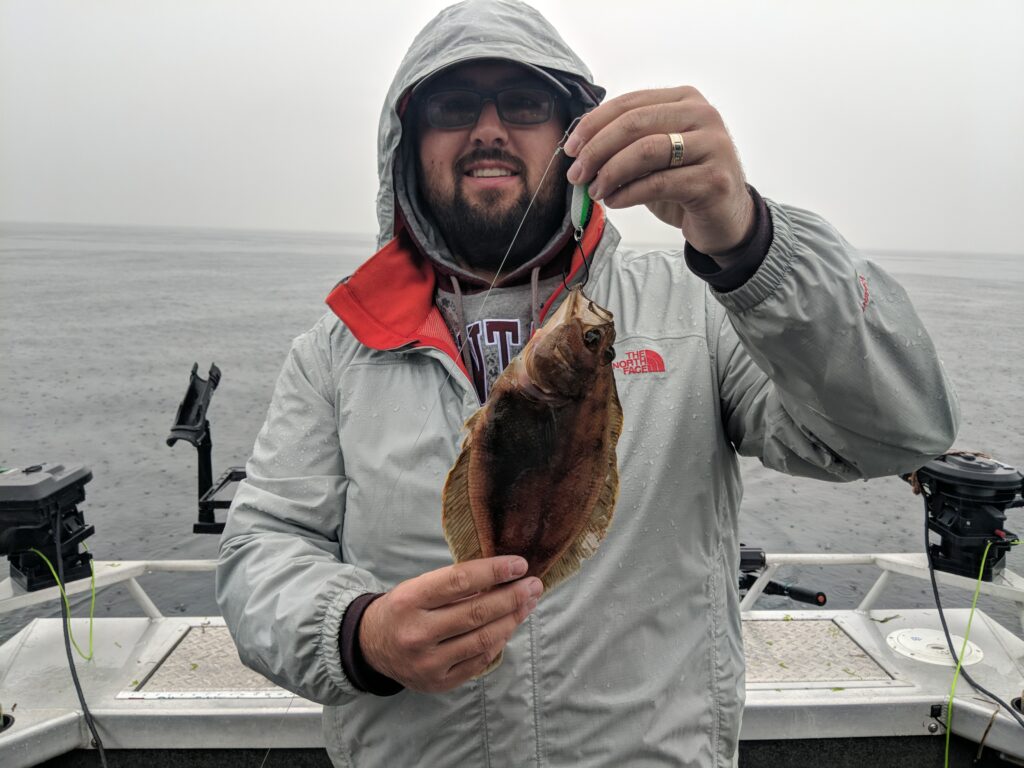
Another area to think about as to why we should be vying for the huge number of fish rather than the huge fish is the likelihood of each happening. We have all caught some big fish, me included. But many more of us, and more often, I would wager have had days where we limited out or went through an insane bite. Those fishing outings where you continuously pull in solid fish. The kind of fish that offers a good fight and makes for a consistent fun experience. For every day where a single big fish gets caught, there seems to be exponentially more multi-fish days out on the water. That consistency can’t be overlooked or overshadowed when we start those early mornings.
There you have it. The pros and cons of catching The Big One vs catching The Many. What do you think? Are you the kind of person who wants to hang his hat on a fish that you’ll talk about for the rest of your life? Or are you the kind of person who pulls in a huge quantity of fish and sees that as a day well spent out on the water? Let’s at least end with some common ground. In each of these scenarios, both kinds of anglers spent the day fishing. They can both be happy about that.
/articles/big-one-vs-many
Exploring My Favorite Waters: 7 Eastern Washington Lakes Every Angler Must Fish
When it comes to angling adventures, Eastern Washington boasts an array of lakes that promise unforgettable experiences for fishing enthusiasts. From serene hideaways to expansive waters teaming with aquatic life, each lake offers its own unique charm and beauty. In this article, we will go into the allure of 7 of my must-visit lakes in Eastern Washington. Loon Lake, Diamond Lake, Long Lake, Deer Lake, Waitts Lake, Sacheen Lake, and Lake Roosevelt.
#1 Loon Lake: A Tranquil Haven
Nestled amidst the scenic beauty of Stevens County, Loon Lake is a haven for anglers seeking tranquility and plentiful fish. Renowned for its population of Kokanee, Rainbow Trout, and Bass, this picturesque lake also offers World Record Tiger trout. An abundance of opportunities for both novice and seasoned anglers. Whether you prefer casting from the shore, chasing the sunfish and crappie around docks, or trolling on a boat, Loon Lake promises a rewarding fishing experience against a backdrop of natural beauty.
#2 Diamond Lake: A Gem For Anglers
True to its name, Diamond Lake sparkles as one of Eastern Washington’s hidden gems for fishing enthusiasts. Situated in Pend Oreille County, this pristine lake is celebrated for its clear water, and the diverse fish species. From trophy-sized Brown trout, and Rainbow trout, to feisty smallmouth bass, and some really nice perch, Diamond Lake presents anglers with a tantalizing challenge and the promise of unforgettable memories. From ice fishing to the warm summer months, the scenery year-round is amazing.
#3 Long Lake: Where Adventure Awaits
Stretching across Stevens and Spokane counties, Long Lake beckons anglers with its expansive waters and rich aquatic life. Boasting an array of fish species, including a healthy population of Walleye, some Northern Pike, great Perch and Crappie, plenty of Trout, and amazing bass fishing. This lake offers endless opportunities for exploration and angling excitement. Whether you prefer trolling, or casting from a boat, and or from the shore or dock, Long Lake invites you to embark on an adventure filled with anticipation and discovery.
#4 Deer Lake: A Serene Retreat
Tucked away in the foothills of Stevens County, Deer Lake exudes a charm that captivates anglers seeking solace in nature. With its clear waters and lush surroundings, this idyllic lake serves as a great place for relaxation and fishing. From Rainbow trout, and of course, the Mackinaw lurking below, you can also find some great bass and panfish. There was a time not too many years ago, when an angler could get into a mess of Kokanee, now the mystery is where did they go? Are they still swimming here? Deer Lake offers a bounty of opportunities for anglers to test their skills and unwind amidst the beauty of the great outdoors.
#5 Waitts Lake: Where Memories Are Made
Nestled in the heart of Stevens County, Waitts Lake stands as a testament to the enduring allure of Eastern Washington's fishing destinations. Boasting a rich history of big Brown trout, and abundant fish populations, Waitts has great opportunities for also Rainbow Trout, Perch, Bass, and Sunfish. Also a destination for many ice anglers in the winter months as well, as it's open year round. Whether you prefer trolling from the boat or fishing the resort's docks, Waitts Lake promises an experience filled with camaraderie, excitement, and the promise of cherished memories.
#6 Sacheen Lake: A Hidden Paradise
Not hidden like a secret, but tucked away in the forest of Pend Oreille County, Sacheen Lake beckons anglers with its year-round secluded beauty and great angling opportunities. This lake holds some gorgeous Brook trout, Rainbow, and Tiger trout. A healthy population of yellow perch, and crappie are a favorite target for the ice anglers. I saw some big bass pulled out of this lake as well. With its scenic surroundings, this lake offers something for every angler, whether novice or expert, Sacheen invites you to cast your line and immerse yourself in the peaceful rhythms of nature.
#7 Lake Roosevelt: The Jewel Of The Columbia
Stretching across the vast landscape of Eastern Washington, Lake Roosevelt is a testament to the region's natural grandeur and angling legacy. Formed by the mighty Columbia River, this expansive lake offers a wealth of fishing opportunities against a backdrop of rugged beauty and historical significance. With many launches and many miles of shore to enjoy and do some boat camping, you'll find that Lake Roosevelt offers a ton of activities. From trophy size Kokanee, and Trout, and an abundance of Walleye, some anglers may want to target the Sturgeon. Lake Roosevelt promises an angling adventure like no other.
Eastern Washington lakes offer a treasury of angling opportunities for enthusiasts of all ages and skill levels. From the small waters of Loon Lake to the expansive waters of Lake Roosevelt, each lake beckons with its own unique promise for adventure. So pack your gear, set your sights on those seven Eastern Washington lakes, and embark on a fishing journey filled with excitement, camaraderie, and the timeless beauty of our great outdoors.
![{"capture_mode":"AutoModule","faces":[]}](https://cdn.northwestfishing.net/sites/default/files/styles/large/public/images/IMG_20240127_094906_3-scaled.jpg.webp?itok=lCi6vt3M "{\"capture_mode\":\"AutoModule\",\"faces\":[]}")
/articles/exploring-my-favorite-waters-7-eastern-washington-lakes-every-angler-must-fish
Old School Catfishing
While some memories come and go, others stay with you for a lifetime.
One of my earliest fishing memories is of fishing on the Yahara River in the heart of Madison, Wisconsin. The river in this location was a channel that went from the Lake Mendota Locks, through the heart of the city, and a mile later emptied into Lake Monona. It was urban fishing at its finest, and as 12-year-olds we would look forward to fishing it often.
The day would start the night before, with a flashlight in hand my brothers and I would go into the backyard after dark and hunt for nightcrawlers. They always came out at night, and if one was stealthy, it would be possible to reach down and, pulling from the hole, ease out a plump crawler that was sure to be breakfast for one of the many species in the river. But pull too hard, and you ended up with half a crawler, which we would not keep as somewhere in our childhood brains we knew that putting in a broken crawler into the bait box would cause the other crawlers to die. I have no idea where we got that urban myth, but in any case, it caused us to be careful pulling those crawlers up.
The next morning we’d hop on our bikes and ride the three miles through Madison to reach our destination, and with any luck, our favorite spot was empty. This location had a small creek flowing from some ponds in the park into the Yahara River. The creek flowing into the larger river made for some good holding water.
Our rig of choice was simplicity itself. A hook and a couple of split shots 18 inches up, with a nightcrawler threaded onto the hook, and cast out into the river, along a seam from the inflowing creek. Let the bait hit bottom, tighten up the line, and watch for those first telltale jerks on the rod. Pickup said rod and set the hook. The tried-and-true Zebco 202 reel would squeak and moan at the weight of the fish on the end of the line. Sometimes a bass, walleye, or bluegill, but most often we would reel in a brown bullhead. On rare occasions, the excitement of a snapping or spiny softshell turtle would break up the morning’s procession of fish. These were always a joy for a twelve-year-old boy to catch.
Fast forward 50+ years, my son Matt and I were heading to his father-in-law’s ranch on a spring turkey hunt. Years ago, Bill mentioned that the Musselshell River, which flows through his land, held catfish. After doing a little research I learned that indeed, the river in this area was well known to hold nice cats. The Musselshell flows from the small town of Melstone another fifty miles or so and empties into the Missouri River at the point where the river widens to form Fort Peck Reservoir. This stretch of water is known as the “warm water zone”. Catfish work their way up the Musselshell for spring spawning and live in the many deep holes the river has as it twists and bends through beautiful prairie and wooded hillside. Bill told me that cats in the 10-15 pound range can be caught, but 4-6 pounders were more common. Stopping their upriver passage is the Davis Diversion Dam, downstream for the town of Roundup, which we would be fishing below.
After a leisurely drive from Great Falls through ever-changing prairie land and wooded hillsides, I arrived at Bill’s ranch. Grabbing a quick dinner, I followed Bill as he drove along a gravel road to a prime spot on his land. Deer darted away from us, and turkey leisurely ate their dinners in the recently plowed fields. I had to resist the worry of someone being in “our spot”. The land is private property, so unless one of his neighbors were fishing there it would be devoid of other anglers. After living in Washington for thirty years I’m still getting used to the concept of being able to fish with no one around me!
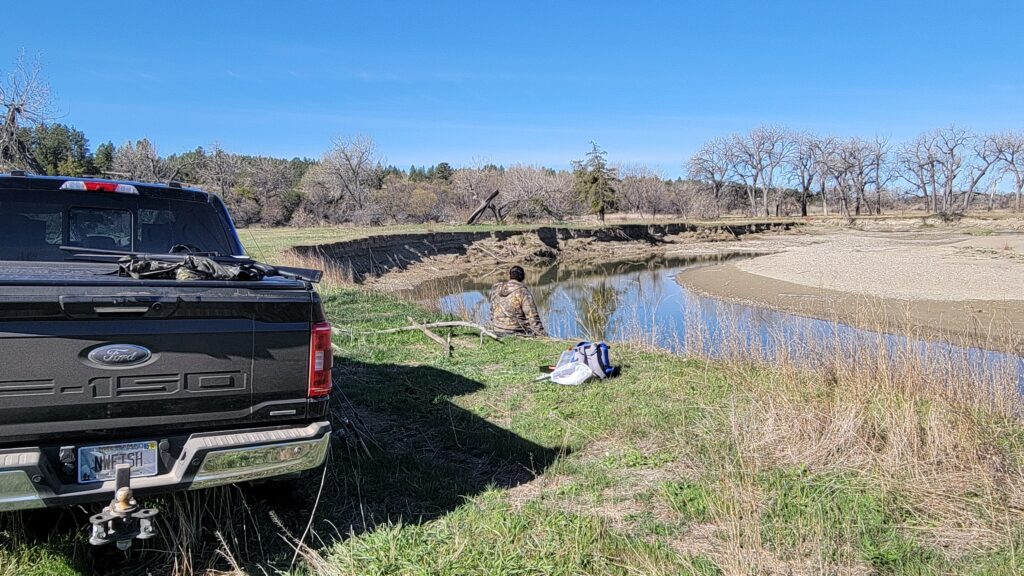
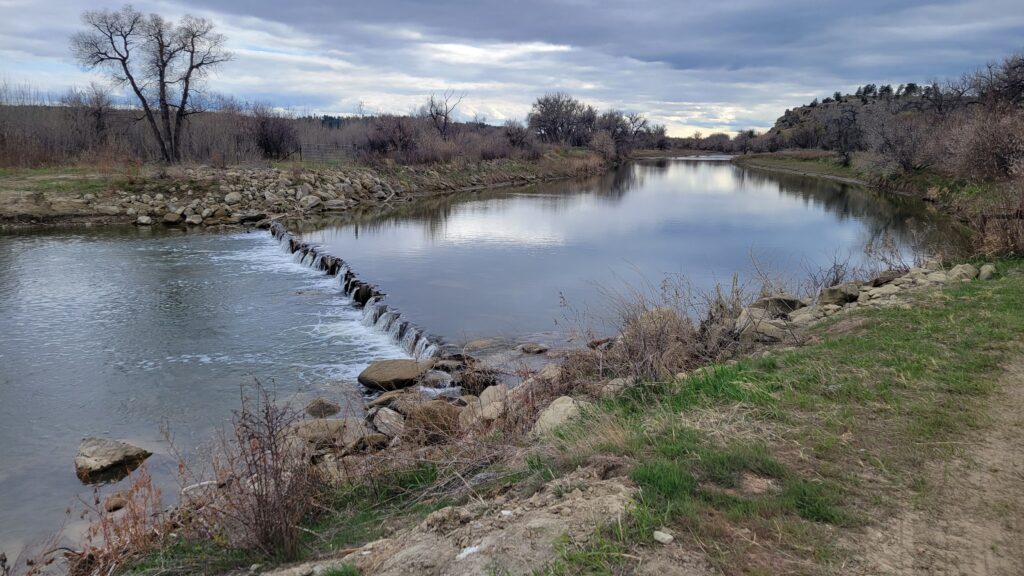
We arrived at an irrigation dam that had a beautiful hole below it and a clean river falling over the top of the spillway. As Bill drove off, I pulled out my seven-foot medium-weight spinning rod/reel combo and, like the days of my youth, tied on a large bass wide-gap hook. Two feet above the hook and tied a barrel swivel, and above that a sliding 3/8 ounce weight. For dinner, I was offering the fish down there a large, juicy nightcrawler.
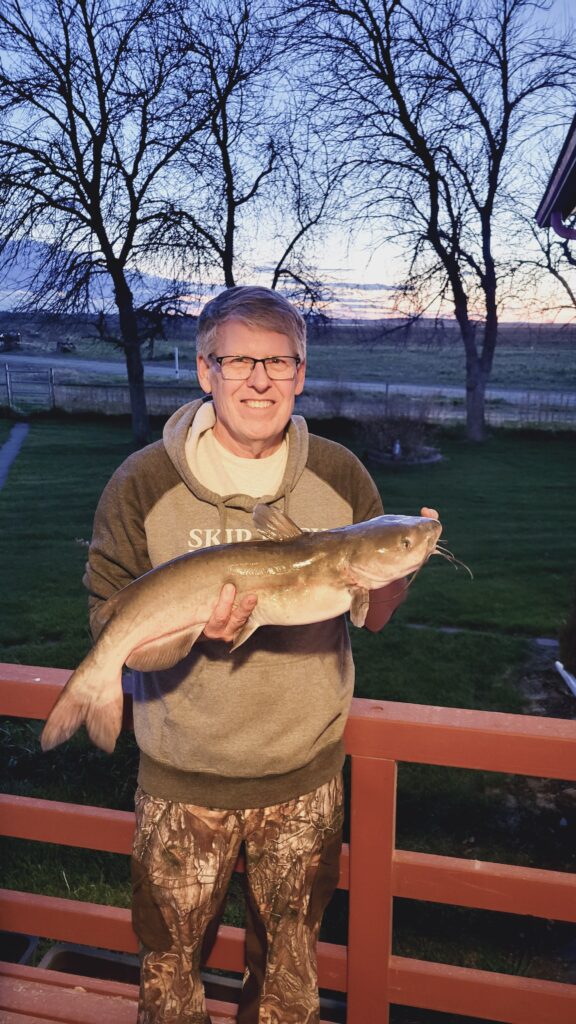
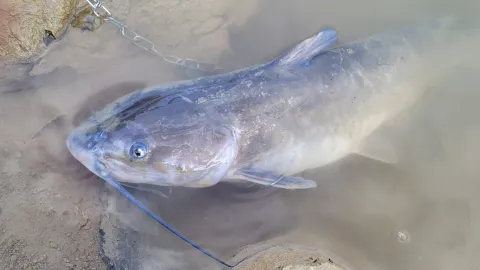
My first cast landed two-thirds of the way across the river. I reeled in the slack line and found a broken branch to prop my rod up against. Within minutes the rod tipped started to twitch, and then took a wild bend that started to pull the rod towards the river. I grabbed my rod and felt a solid fish on the other end of the line. The fish made several strong runs in the current and then settled down to a battle of tug of war with me. Working him ever closer to the shoreline, I saw that my first Musselshell fish was indeed a beautiful catfish! I found a sandy area of shoreline and dragged the fish onto land. What a beauty!
I re-baited my hook and cast it out to the middle of the river again. After a few minutes of waiting my rod again doubled over from the pull of a large fish. Setting the hook, this time I noted a different fight, and sure, enough, had a beautiful smallmouth bass on my line. Bringing in the fish I admired him, looking to be a solid 4 pounds. I released Mr. Smallmouth back to the river. With the sun beginning to set I decided to call it an evening and get back to the ranch before dark.
Arriving at Bill’s ranch my son Matt was there, having driven from Helena. “How’d you do”? they asked me. Pulling out the catfish from my cooler, Bill looked at it and said, “That’s a nice one, I’d say about ten pounds”. Matt’s eyes got wide and he asked, “When do we go?”
The next day’s sunrise was a classic Big Sky Painting, with red and yellow hues breaking over the trees. We had been shadowing a group of about thirty turkeys, trying to keep below a ridge that separated us from the turkeys between the field and the river. Finding an opportunity for an ambush location, we set up and started calling the mix of hens and gobblers toward us. Donn Morse of Old Goat Lures is also an avid turkey hunter and had given me a couple of the 3D pot calls that he makes and sells. The pots have great tone and soon several turkeys started our way. And then stopped. Dismayed, we watched the birds turn and head for the river, flying across to safety.
Returning to the ranch Bill had prepared for us a breakfast fit for a, well, a rancher. We made plans for the day, deciding to visit some friends and hitting the river after dinner for an evening bite.
I was excited to be fishing old school with Matt. Our lifetime fishing experiences had generally been from a boat, and I couldn’t recall bank fishing with him before. It gave me pause to think how sometimes possessions and technology can rob us of something so simple by making it complex. All the tools we use for fishing from a boat are certainly important, but there is just something about sitting on a bank and soaking a worm, waiting for a bobber to get pulled underwater, or seeing a rod tip twitch, knowing that on the other end, some kind of fishing is preparing to make your bait his meal.
After dinner we headed over to our fishing hole, passing groups of turkeys teasing us in the fields. They would have to wait for another day, we were Tom Sawyer and Huck Finn, our fishing rods and a box of worms in hand, looking for the perfect piece of forked tree branch to serve as a rod holder.
Matt baited up and cast out, and in a matter of minutes announced that he had a bite. Tightening down on the line, he set the hook and reeled in his first Musselshell catch, a nice smallmouth bass.
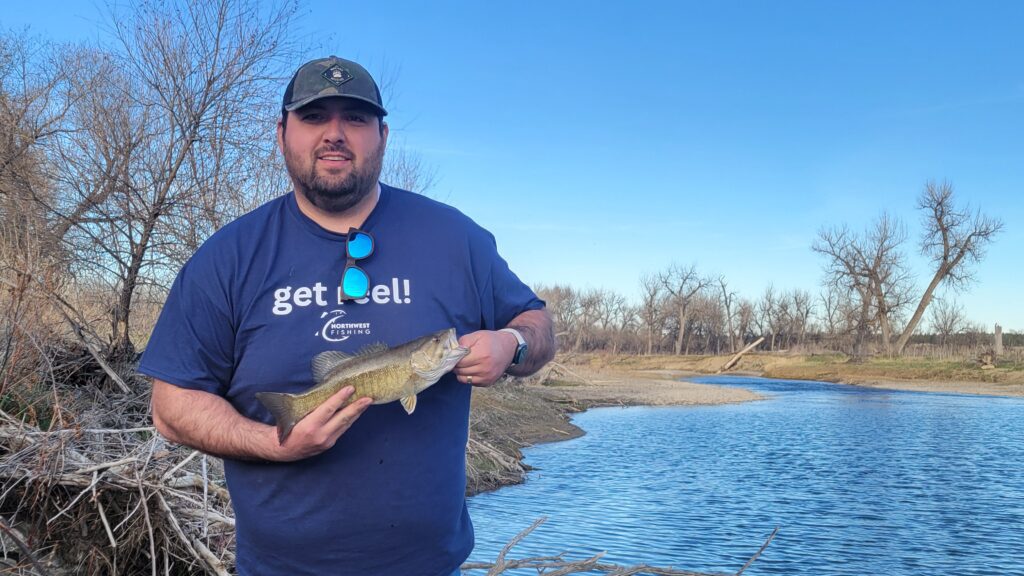
And so, the evening went on. Matt and I were kept busy with a steady evening bite. The smallmouth were most active, and we caught around a dozen ranging from dinks to nice 2-3 pounders. Thrown in the mix were plenty of yellow eye, which is a Montana version of a giant herring, around 12” in length and very spunky to catch. Sadly, the catfish bite was dead. No worries, though, with the Missouri River as our backyard there will be plenty of new places to explore the next time we decide to go “Old School” fishing.
/articles/old-school-catfishing
Alpine Kokanee Trifecta
There’s an Alpine Kokanee Trifecta that is often over-looked compared to the more well-known and popular kokanee fisheries. What if I told you that within an hour and a quarter of traffic-free driving from Seattle you could enjoy pristine Alpine lake fishing with little to no other boats on the water and have the chance to catch generous limits of kokanee every time out? No way you say? It’s true and waiting for you. But a little planning and tempering of expectations is required. These fisheries won’t yield 18-20” Lake Roosevelt kokanee, but they do have an abundance of under-fished kokanee that will still give you a nice bounty to bring home. Have I got your attention yet?
The Alpine Kokanee Trifecta I speak of is familiar to many, but passed by with a reputation of having small kokanee. I’m here to tell you, that is a myth. While it’s true you won’t find those 20” koks, you will find fish that range from 10” up to 14”. The lakes I’m referring to?
Keechelus, Kachess, and Cle Elum. Yup, that first big reservoir as you crest Snoqualmie Pass going east is one of three Alpine Kokanee Lakes that I think you should make plans to visit. Let’s look at them one by one, going from west to east.
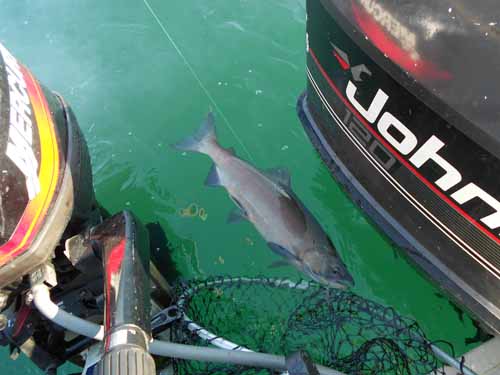
Keechelus Reservoir
This lake is the one that we all gaze at as we are driving somewhere else. It’s also the one that come August turns into a giant stump field. At 2,408 acres, it’s the smallest of the three lakes. At 2,521 feet of elevation it’s also the highest of the three lakes. The lake holds rainbow, cutthroat, whitefish, bull trout (which are endangered and are to be carefully released), burbot, and kokanee. Of the three lakes we will look at, this lake probably has the smallest kokanee in it. But check this out – the 2016 stocking numbers for this lake were a whopping 256,892 kokanee! In 2015 it was 265,000 and in 2014 it was 238,000 kokanee. So bottom line, that’s a lot of kokanee swimming around waiting to be caught!
Here’s the catch (there’s always a catch, right?). This reservoir gets drawn down as the summer progresses. Seriously drawn down, as in not able to launch a boat drawn down. So if you want to fish the Trifecta next year, you’d best plan on hitting this lake first. The primary boat launch is found on the west end of the lake. The earthen dam is on the far east end of the lake. Be aware, this lake, perhaps worst of the three, is prone to heavier wind and whitecaps. Be prepared to get back to the launch if the wind picks up. The lake is also the least serene of the three lakes as the constant hum of the freeway and view of semis roaring past are a sharp contrast to the beautiful surrounding mountains. This lake is a one pole only lake.
Kachess Reservoir
If you’re looking for a beautiful camping location with stunning scenery this is your lake. The Kachess Forest Service Campground is one of the nicer ones around. Plenty of camping spots and some larger pull through sites make it “boat friendly”. The restrooms are - surprise – running water and flush toilets! The boat launch is a two lane concrete ramp with nice grade and plenty of surrounding shoreline to pull your boat up on. Winds can be an issue as it’s not in a sheltered location. Parking is good.
Like Keechelus, Kachess holds a nice variety of fish. Rainbow, cutthroat, bull trout (protected), whitefish and burbot can all be found in addition to the kokanee. As to kokanee stocking, in 2014 WDFW stocked 365,000 fish, 2015 490,000, and for 2016 413,098. You’ll get into the kokanee as soon as you launch the boat. Motor out a hundred yards and watch as your depth finder shows the bottom dropping to 180 feet and deeper. And then you’ll see your fish finder light up with kokanee arches 35 to 80 feet deep. You’ll find fish all the way the length of the lake down to the dam end, over four miles away. But beware, if you head north the lake shallows up at a choke point north of the launch and you’ll find yourself in ten feet of water.
On our most recent trip, we found a great early morning bite that turned off at 8:30am. After an hour of fruitless trolling we ran all the way down to the dam and were rewarded with good action the rest of the morning. Don’t be afraid to leave non-biting fish in search of the biters! On this trip we also caught and safely released a powerful 16” bull trout. What a thrilling fight on kokanee gear. We hooked him at 55 feet deep on the downrigger. To help protect these beautiful fish bring a knotless net.
Kachess is 4,377 acres and an elevation of 2,258 feet.
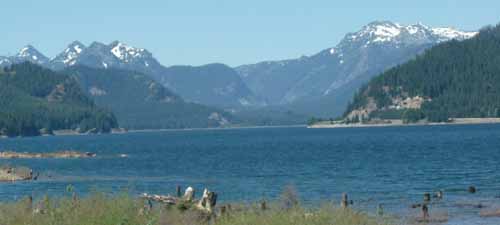
Cle Elum Reservoir
The final gem of our trifecta is Cle Elum reservoir. Although the farthest of the three lakes, it’s still a day trip for the Seattle area angler. Cle Elum also has a Forest Service campsite and nice paved launch (an old road, actually). Not as nice as Kachess, but the scenery is again spectacular and there is no freeway sound to ruin the experience. Cle Elum also has the nearby town of Roslyn to grab provisions and a nice dinner at the end of your day of fishing.
Cle Elum is the largest of the three reservoirs at 4,566 acres. It’s the lowest lake, at 2,227 acres. As the summer water draw down lowers the lake, the ramp becomes high and dry. Boaters then will launch among the stumps at the southeast side of the lake by the dam. Watch your props and winds out of the north as this can be a risky proposition.
The lake holds the same species as our other two lakes with a notable and significant difference. First there is Mackinaw trout in the lake.
These fish are on WDFW and the Yakima Tribe’s radar screen to remove from the lake. Why, you may ask, when some dandy lakers up to 15 pounds and more have been caught? Well, in the (hopefully) not too distant future Cle Elum may join Baker and Wenatchee lakes as a destination sockeye fishery.
That’s right; the Yakima Tribe has been working since 2009 to restore a sockeye run to Lake Cle Elum. It works like this: the sockeye are captured at Priest Rapids dam and transferred to the lake. They then run up the Cle Elum River and spawn. When the fish hatch, they spend 1-2 years in the lake and then leave the lake via a flue around an earthen dam to the Yakima River. From the Yakima River, they will swim to the Columbia, and traveling on another 330 miles, around four Columbia River dams, to the Pacific Ocean.
Here’s more information from the Yakima Nation Fisheries website:
“One thousand adult sockeye were transplanted in the summer of 2009, 2,500 in 2010, 4,500 in 2011, 10,000 in 2012 and 4,000 in 2013. The sockeye successfully spawned in tributaries above the Lake in all years becoming the first sockeye to spawn in the Yakima Basin in over 100 years. Juveniles from the 2009 brood were observed migrating downstream at Roza and Prosser Dams in 2011. Preliminary data from trapping operations at Prosser indicated a 2011 smolt outmigration of approximately 80,000 sockeye. From July - Oct. 2013, 701 Sockeye migrated to the Yakima River Basin (numbers reported at October 17, 2013). So far, 211 sockeye have migrated back home to the Yakima River Basin (updated July 1, 2014).Once these fish move north to Roza Dam they will be transported into Lake Cle Elum or Cle Elum River. So far, we have trapped and hauled 4,500 sockeye from Priest Rapids to Lake Cle Elum. We will continue to monitor fish run numbers and trap and haul accordingly (updated July 1, 2014).”
So where are the kokanee you may ask? Well, WDFW has stopped stocking Lake Cle Elum since this recovery process started. But that doesn’t mean you can’t catch kokanee.
According to a fisheries biologist I spoke with on the subject, some of the kokanee you catch are actually sockeye that have decided to not migrate back to the ocean. Instead, they spend their adult lives in lake Cle Elum, and then spawn as well in the Cle Elum River. In order to protect the sockeye in Cle Elum, WDFW has placed a slot limit of 9” to 15”on kokanee in Cle Elum. The limits are different on Cle Elum as well. As of 2016, Keechelus and Kachess had ten kokanee limits, and not including trout. Cle Elum has a five fish limit, including trout. Cle Elum is also the only lake of the three to allow the two pole endorsement. Finally, there is NO limit on lakers, brown, and eastern brook trout. WDFW wants these non-native species out of the lake to benefit juvenile sockeye salmon and encourages anglers to help in that effort. As always, be sure to check current regs for any updates.
There you have it. Three Alpine Lake Kokanee gems, all day trips from the greater Seattle region offer the angler spectacular scenery and fisheries that produce abundant (if not huge) kokanee. With gas prices at historical lows now is the time to plan a trip to these great destinations and leave the masses behind.
I will offer a couple words of caution for boating anglers. First, the winds blowing down the mountainsides on these three lakes can kick up and blow whitecaps, especially in the afternoon. So keep an eye on the weather and be ready to head back in if things start blowing. Second, if you troll with downriggers, be aware that these reservoirs may have trees sticking up from the bottom that didn't get clear cut. So be ready to bring those downrigger balls up fast!
See you on the water catching some tasty kokanee on these Alpine Lake Gems!
/articles/alpine-kokanee-trifecta
A Very Special Place
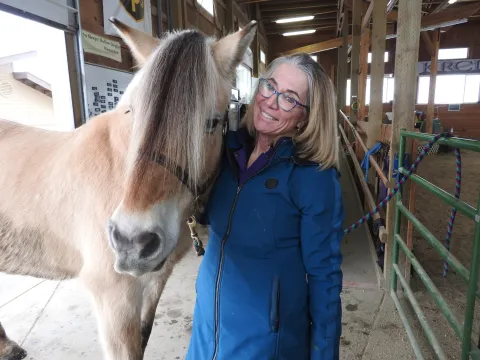
A friend of mine suggested I do a story about the Alatheia Therapeutic Riding Center near Wenatchee and I’m so glad she did. I visited there this past week and met with the co-founder of this very special place, Nancy Grette.
Nancy and her husband Glenn started this non-profit organization at their home on Sleepy Hollow Heights in 2011. The two had purchased several horses they kept on their property but their children had grown and left home and they were pondering what to do. That’s when a five-year-old girl who was physically disabled came out for a ride for her fifth birthday on one of their horses. The ride was an amazing experience for the child and Nancy said she knew what she was meant to do for the rest of her life.
After that Nancy and Glenn started offering weekly rides to disabled children and adults as a means of emotional and physical therapy. The word Alatheia is a Greek word from the New Testament that means “disclosed truth.” It specifically comes from Ephesians 4:15 where the Apostle Paul exhorts all to speak the truth (alatheia) in love to one another.
In Nancy’s words, “It is a way of living, and the riding center is how we choose to speak truth.”
The Alatheia Riding Center provides some 108 individuals the opportunity to spend an hour or more with and on their horses every week. This includes not only physically and mentally disabled children and adults but also combat veterans suffering from Post-Traumatic Stress Disorder. The rides take place on their 12 Norwegian Fjord horses, a small, stout, and ancient breed known for their gentle temperament and sure-footedness. Nancy says these horses are very empathetic and reflect the feelings of individuals they come in contact with. She also explained the weekly rides offer therapeutic benefits for their riders in a physical, emotional, and mental way.
Nancy explains the reason it is a weekly program (as opposed to a one-time experience) is that you need continued exposure to the movements of the horse to get the benefit.
“Physically, when an individual is on a horse, for every minute, a hundred balance accommodations are going on in the body. You are developing balance, and coordination as well as large and small motor skills which is helpful for physical disabilities. Those with learning disabilities benefit from the socialization and peers and executive function of the brain while those who suffer from trauma are ministered to by the horse in a way you can’t explain. The horses are intuitive and in the moment and there is no judgement. People can be who they are with a horse.”
The rides happen in an indoor arena or on a trail overlooking the Wenatchee Valley. This non-profit organization has several employees who work right out of the Grette’s home along with a number of volunteers. One group of volunteers is the barn buddies. These are young adults with developmental disabilities who work at the ranch for two to three hours a couple of times a week. Nancy says they started this program because they learned that once children were out of special education classes in school and on their own as adults, they didn’t have much in place to develop further life skills. The Barn Buddies program allows these individuals, ranging from 21 to 40 years of age, the opportunity to learn how to work on a ranch or in a barn and socialize with other individuals.
The Alatheia Therapeutic Riding Center has plans to expand from its current location soon so that it can increase the number of individuals it serves.
If you want to support this non-profit organization with donations or time as a volunteer contact them through their website at www.alatheiaridingcenter.com or call Tel. 509-630-8710.
John Kruse – www.northwesternoutdoors.com and www.americaoutdoorsradio.com
/articles/very-special-place
Shellfish Harvesting on the Puget Sound
During the mid-1800s, the Duwamish people, a coast Salish tribe that’s indigenous to the south Puget Sound, provided aid to the newly arrived European and Euro-American settlers by showing them how to utilize clam juice as a substitute for cow’s milk, a staple that the settlers no longer had substantial access to. The salty clam broth is rich in potassium, protein, and sodium, and served as a well-needed supplement to the often-malnourished settlers.
The Duwamish, along with many other Coast Salish tribes, had mastered the art of procuring nutrients from the Puget Sound through the harvesting of clams, mussels, oysters, and geoducks. Their mastery was so advanced that they even cultivated their own clams by creating clam gardens by stacking rocks in a line along the zero-tide zone. This practice greatly increased the number of clams that could be harvested in a given area and is often considered the oldest form of aquaculture known to Washington state.
Shellfish harvesting has continued to be a mainstay in both industry and culture alike throughout the years of Washington State's development. It’s estimated that the shellfish industry rakes in over 200 million dollars per year, making Washington the United States foremost producer of shellfish. However, it’s not just the commercial outfits that get to soak in the glory of our bivalve oasis, which is the Salish Sea, there is also ample opportunity throughout the year for the recreational harvester, and for the 2024 year—monthly tide predictions show that March is the kickoff for noteworthy daytime low tides. On these upcoming lows, harvesters will have good access to oysters, cockles, manilla, butter, and horse clams. If you're looking to harvest geoducks, you’ll have to wait till April when the daytime low tides drop to -2 ft and lower.
From the islands to the mainland shores, there are miles upon miles of beach where you can dig for clams and collect oysters in Washington. The main things to consider are whether the beach is open to the public and if shellfish are safe to eat in that area. Head to the WDFW website on the day of your dig to assure you that shellfish have been deemed safe for consumption in your given dig area and that the beach is open to the public for recreational shellfish harvesting.
Oysters
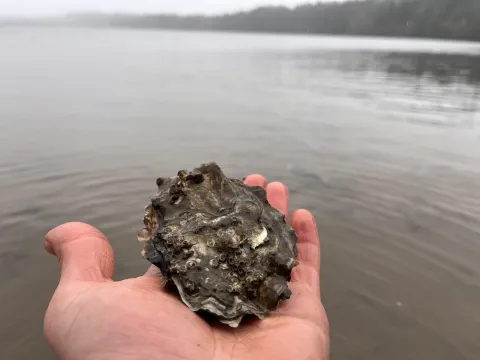
Oysters can be found on most rocky beaches of the Puget Sound and no two beaches are the same regarding how low the tide needs to be for oyster beds to be exposed. A good rule of thumb is to stick to +2 ft tides and lower for your best chance at reaching your daily limit. As a complementary insider tip, I will add that Oakland Bay in Shelton, Washington exposes oyster beds at tides much higher than this.
Oysters would likely be the easiest shellfish to harvest on the Puget Sound if it wasn’t for one important aspect of the process, and that is the shucking of the oyster itself. Legally oysters must be shucked on the beach and the shells should be left where they were found. This allows oyster larvae to use these shells during the colonization process. For more information on best shucking practices please refer to my 2022 April article where this process is explained in great detail. Oysters require little to no cleaning and can be eaten whole in a variety of preparations. Steaming, barbecuing, and deep frying are all popular choices. Minimum size 2 1/2 inches.
Manila
Manila clams are one of the most popular clams to harvest on the Puget Sound and their populations remain healthy throughout the region. They grow up to 2.5 inches long and can be found in sand, gravel, or mud during +2 ft tides or lower. A variety of common garden tools can be used to collect Manila clams. The most popular tools are a hand shovel, hand rake, or a hand pick. Raking along the surface, or simply scooping a few inches of the substrate with a shovel, should easily expose these bivalves at low tide.
After collecting your clams, you’ll want to store them in a cooler with a few ice packs to keep them chilled during transportation. Do not submerge them in water during transport. Once you are home, you can then submerge them in saltwater that you collected from the area where they were harvested. You’ll want to keep the saltwater cool with ice packs. This submerging process is intended to purge the clams of any sand or grit they have stored inside them. Discard any dead clams (clams that stay open and will not close no matter how much you poke at them, should be considered dead). Manilla clams can be eaten whole and are great for chowder, pasta, or soups. Minimum size is 1 1/2 inches.
Butter clams
Butter clams are significantly larger than manilas, often growling up to about 5 inches. At a +2 ft tide or lower, search along the beach for small holes in the sand or mud. Once a hole is located, you can dig with a spade shovel down to around 18 inches or until you reach the clam. Use the same technique as with Manila clams to purge. Though butter clams are delicious when served with melted butter, this is not where they get their name. Instead, butter clams get their name because of the natural buttery flavor of their flesh. They can be used for chowder, barbecued on the half shell, or even fried. Minimum size is 1 1/2 inches.
Horse clams
Ah, the mighty horse clam. Different from the oyster, manilla, or butter clam, the horse clam presents a set of challenges that place it in a category not far from the Pacific Coast razor clam. These clams grow quite large and can reach up to 5 lbs. They can be found in the sand or gravel and are easiest to harvest when located in sand substrate. Walk the beach and scan the surface for a siphon protruding out of the sand.
Horse clams’ siphons are rough to the touch. Once you find the siphon, you can either start digging with your shovel immediately, or you can take a stick and push it down into the siphon. The stick will stay in place and will keep you keyed in on the exact location of the clam. These guys will usually be around 1 ft to 1 1/2 ft deep. Shovel the sand around the clam until you can get your hand on the shell and then give it a good wiggle to free from its hole. If the clam is deep enough, you will need to place a 5-gallon bucket with the bottom cut out into the hole that you are digging. This will act as a retaining wall for the surrounding sand, and it will keep the hole from collapsing in on itself. After the clam is removed, you can place it in a cooler with some ice packs and transport it home.
The horse clam doesn’t require siphoning, instead, these clams need to be processed like a razor clam, and the stomach needs to be removed. The abductors, the foot (or digger), and the neck can all be eaten. Be sure to cut off the siphon (the tip of the neck). Horse clams fry up well with a nice coating of flour and or cornmeal. There is no minimum size for horse clams.
Cockles
Cockles grow up to 5 inches but are more commonly found in the 2 inch - 2 1/2 inch range. Their shells have several ribs that run down each side, making them popular for those who like to repurpose shells for art and other decorative purposes. They can be found in 1-2 inches of sand or cobble at a +2 ft tide or lower and are harvested the same way as manila and butter clams. Cockles can be eaten whole and are often steamed or boiled. Be sure to purge these clams to free up any sand or grit. Minimum size 1 1/2 inches.
As noted before, geoduck opportunities don’t pick up till April, so we will save that behemoth of a clam for a later article. For now, march is the preamble to spring clamming and it’s a great opportunity to get out with friends and family and take advantage of the numerous culinary wonders that grace the waters of our beloved Puget Sound.
/articles/shellfish-harvesting-puget-sound