Spring Ahead To Roses Lake
Looking back across the lake to the floating dock and small boat launch, it appeared much farther away than it was. Roses Lake, near the small orchard community of Manson, WA, is 130 acres and surrounded by foothills leading to the Cascade mountains. Roses Lake is not small, but also not nearly as large as the nearby 55-mile-long Lake Chelan which is the main reason why most visit the farming valley.
But on this springtime day, the afternoon winds had come up, blowing down the rolling hills and across Roses Lake. Between me and the newly redesigned boat ramp stretched a choppy expanse of wind-driven waves and whitecaps. In my small 12-foot rowboat, the real challenge wasn’t just the distance, it was the fact that I’d be rowing straight into the wind and crashing waves.
It had been a good day of fishing with several trout on the stringer and even more released as I rowed across the lake. Towing a green Mack’s Smile Blade fly in olive green with two small split shot a couple of feet before the fly meant catch and release was an option. If you choose to use bait then all fish caught must be counted towards the daily limit, even if released. Once I got to the far shore which is lined with cattails, I opted to switch over to a lightweight rod and a small jig with a curly tail grub under a float. This provided non-stop action with bluegills and small largemouth bass. Roses Lake offers anglers a lot of options all year long.
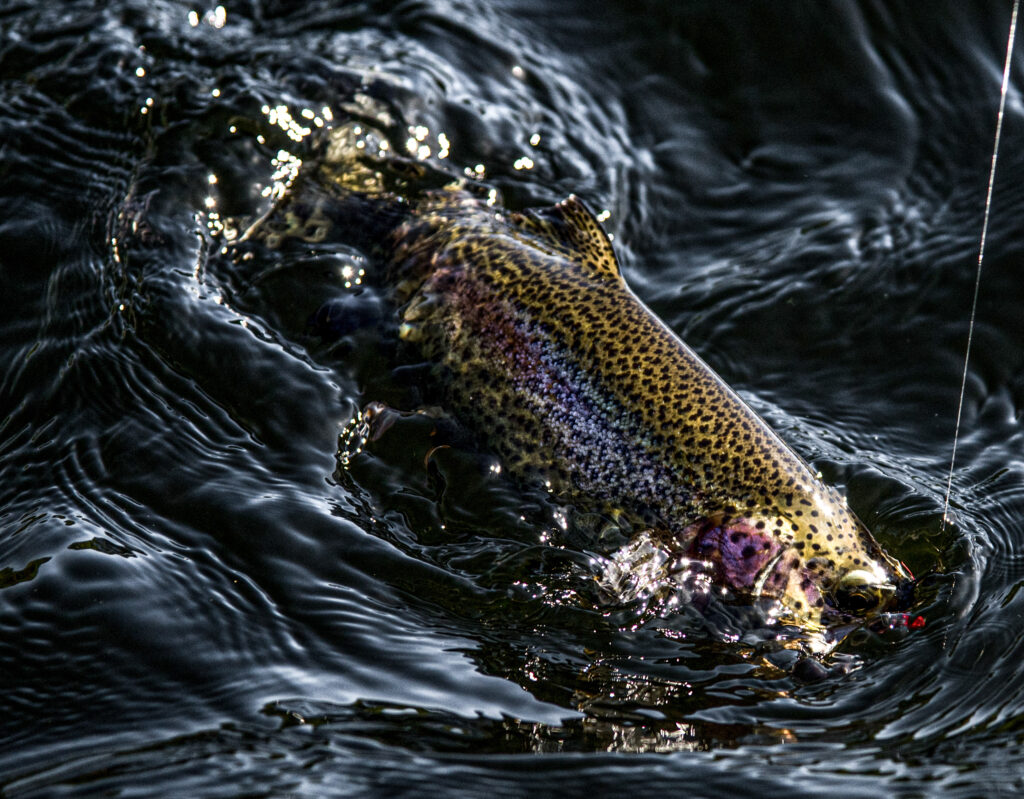
I grew up fishing this lake and back when it was a winter-only fishery, opening on December 1st and closing on March 31st; it was very popular with the locals. Every weekend there would be dozens of people sitting on buckets huddled around holes in the ice. But by the time the ice was gone, so were the locals. It seems they had their fill by March. Then several years ago the lake became a year-round season, now there is no rush of fishermen on December 1st.
When the ice is on this lake it is still very popular with the locals, but just like the days of years ago during the winter-only fishery, once the ice is off, the lake is all but forgotten. My dad fished it every day for a week straight this past January when the ice was thick and solid. He also limited on 10 to 12 inch rainbows in less than 2 hours each day he went out and the fishing continued to be good until the summer heat warmed up the water and brought out the water skiers.
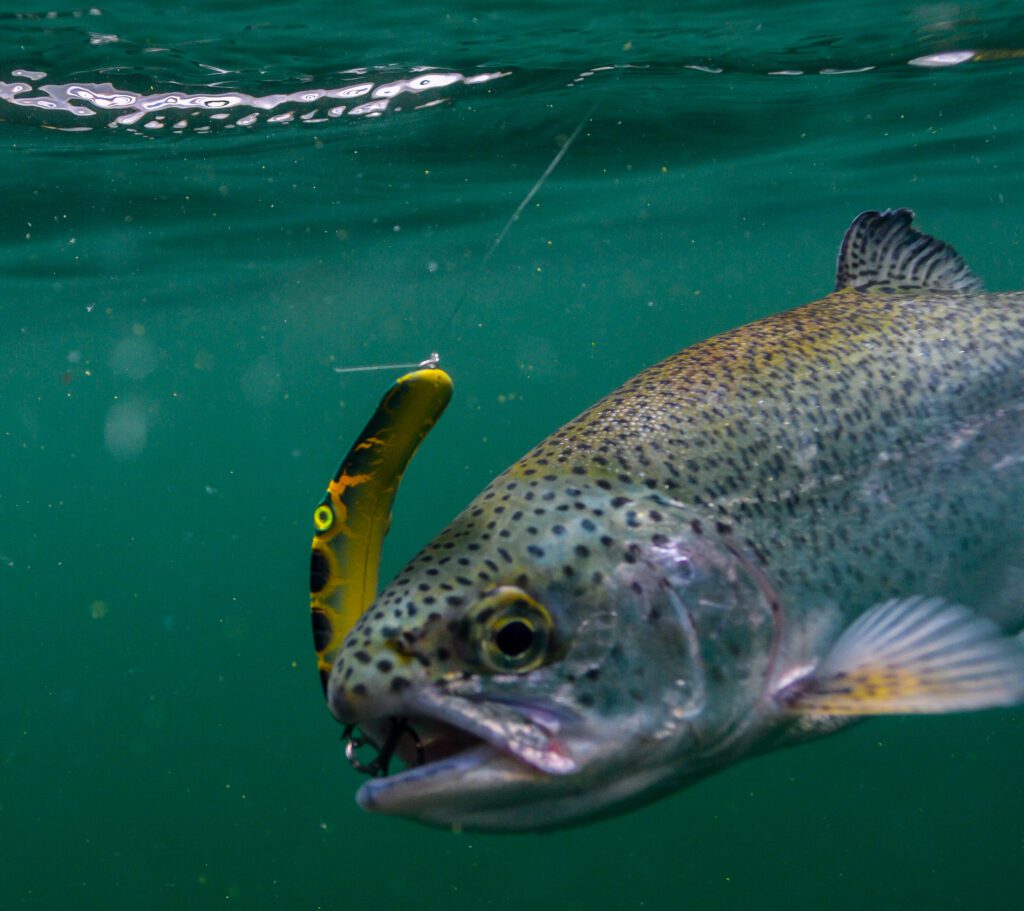
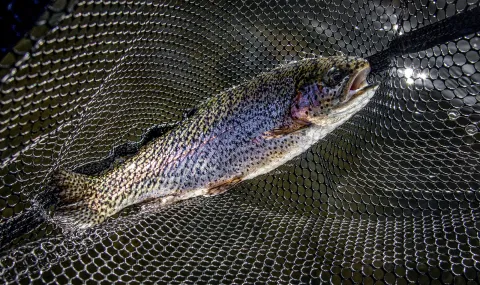
In March, the lake becomes very active, especially towards the end of the month when the water temps start rising and bugs start hatching. April and May are great months to fish the lake, especially trolling Mack’s Smile Blade flies or Carey Special flies either on a sinking fly line or on a lightweight spinning outfit with a few split shot above the flies. Since the lake receives trout plants throughout the year there always seems to be enough fish to make it worth the time to wet a line.
On average this lake sees a yearly planting of 31,000 rainbow trout, with 25,000 of those being triploids which are sterile and grow quickly. Washington Department of Fish and Wildlife also stocks around 2,000 brown trout and another 2,000 tiger trout, which are planted in hopes of keeping the warmwater spiny ray species in check. There are also catfish in this lake, though rarely targeted, and a good population of bass as well.
Access:
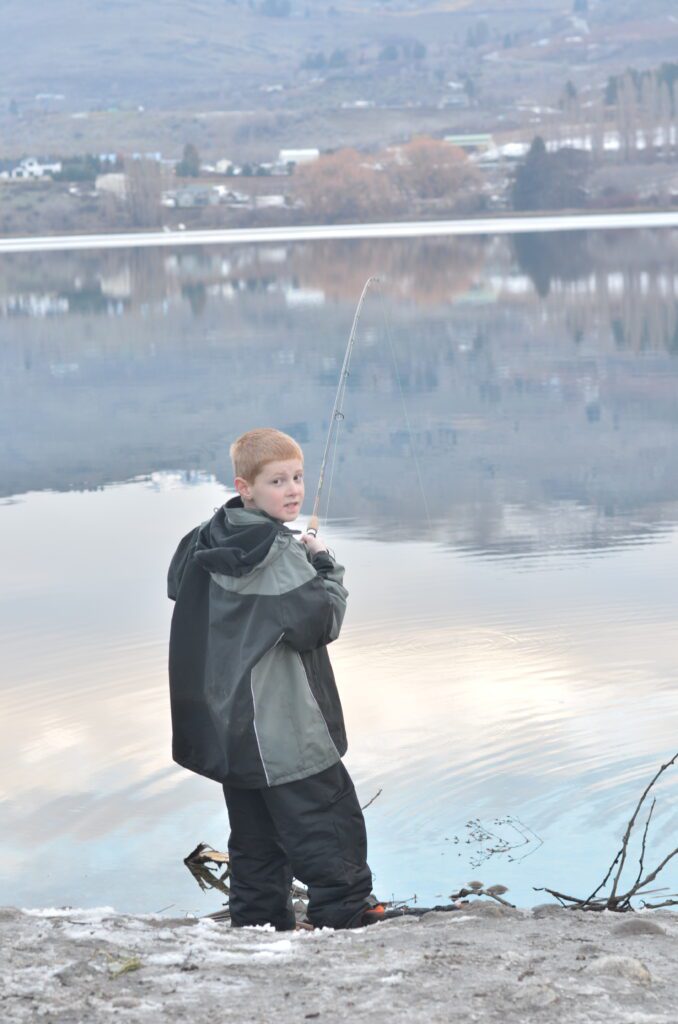
Roses Lake is 7 miles from the town of Chelan, along the north shore. Take Highway 151 towards Manson. Turn right on Wapato Lake Road, which is the same road that leads to the Colville Tribes casino and is across from Mill Bay County Park. Continue for approximately 2 miles until you come to Roses Ave. Turn left for about a ½ mile and the road veers right onto Green Avenue. Then head to the marked WDFW launch and access site about a ½ mile further.
There is ample parking which was recently re-paved and has bathroom outhouse facilities. Roses Lake access site also had the boat launch improved a few years ago with a dock added to assist in launching small watercraft. For those bound to the shoreline, WDFW just added a new fishing dock and a handicapped access bulkhead to fish from. It should be noted that this is the only public access to the lake as the rest of the shoreline is private property.
Where to fish:
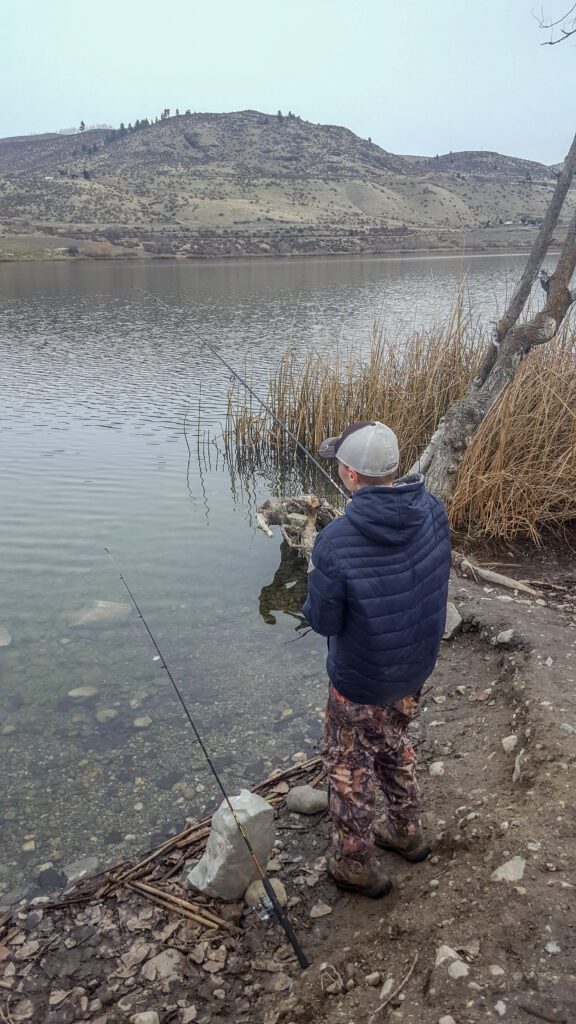
Right out in front of the boat launch and off of the two fingers at the public access site has always produced fish. But if you have a boat there are two other areas that I highly recommend. First is a cove to the Northwest end of the lake. This cove area is shallow compared to the center of the lake and the water temps can warm up a little bit here which makes for better bug activity and hungry fish.
The second area is the East shoreline. This area is also shallow and has a sandy bottom which heats up the water in the early spring. There is a spring to the north side of the eastern shore where fresh water enters the lake from the aquifer. As the ice comes off of the lake with the oxygen-deprived water this area always does well in early spring. Of course, my favorite area is actually trolling between the east shore and the cove to the northwest along the northern shoreline just outside of the cattails.
What to use:
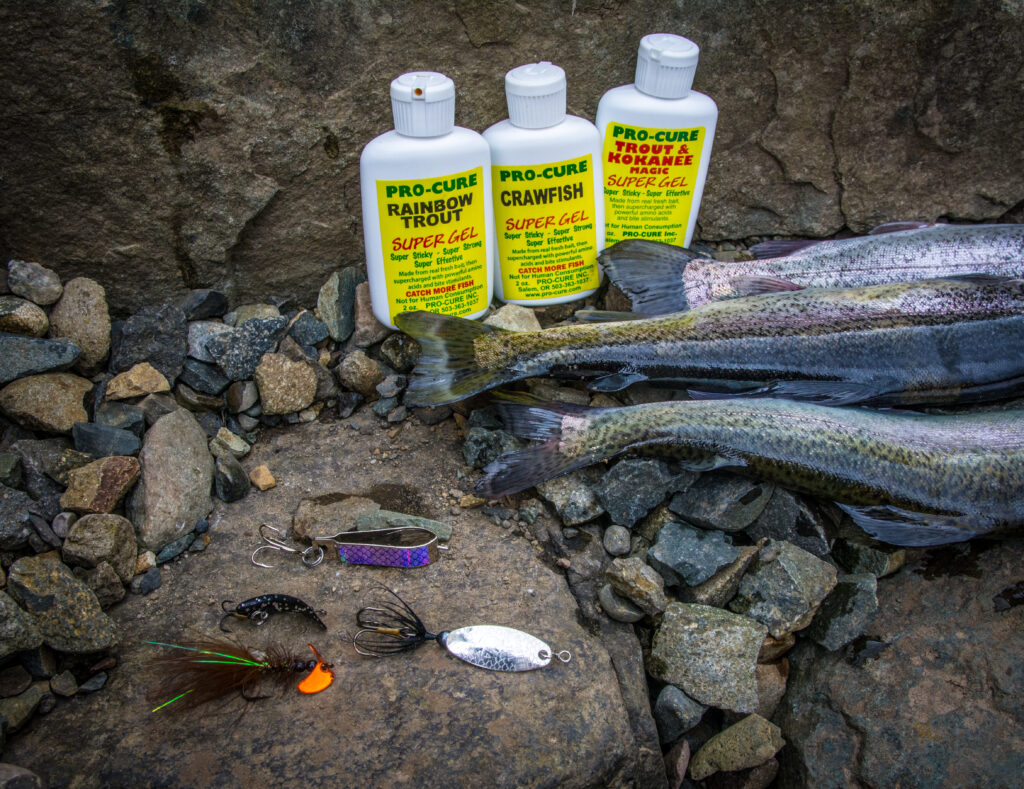
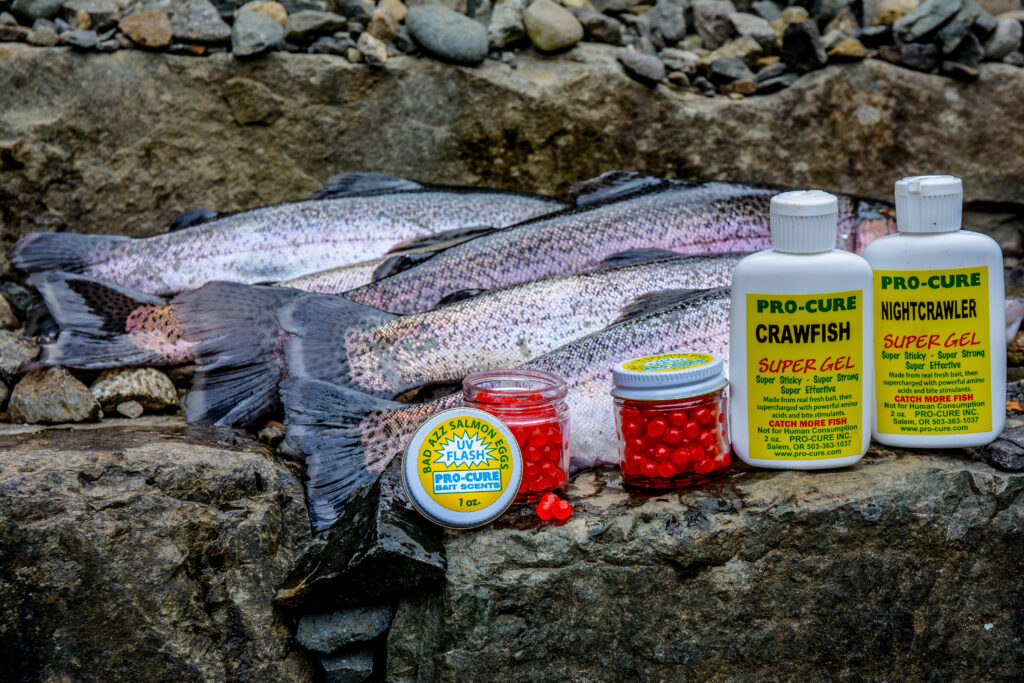
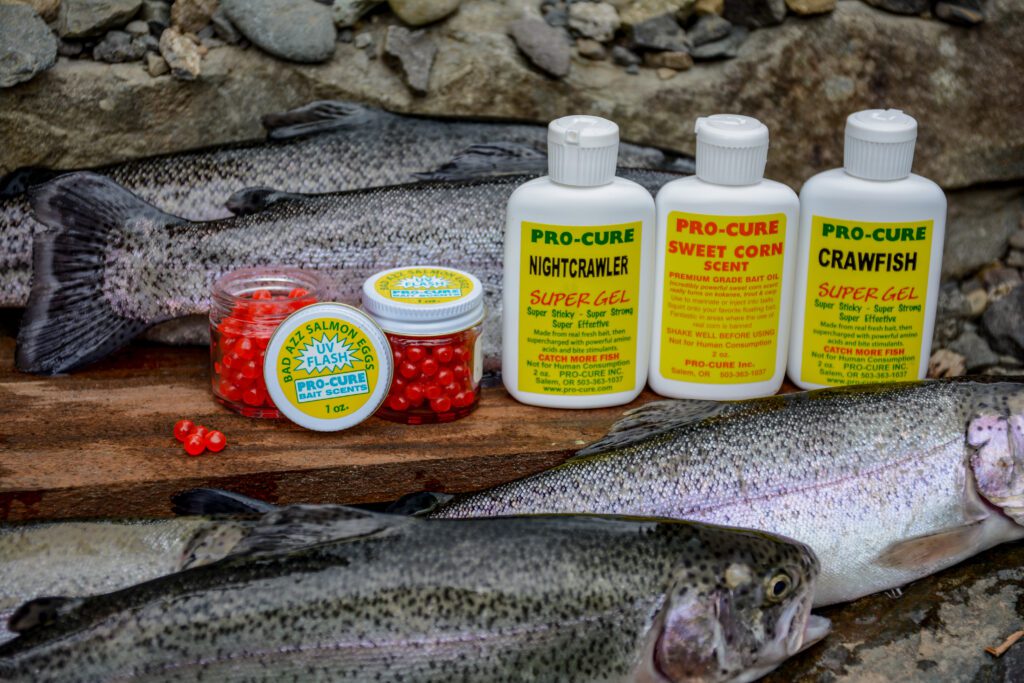
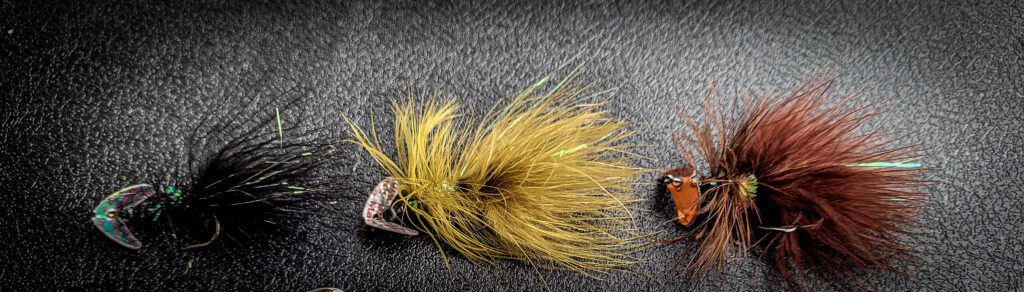
This is your standard trout lake and you can’t go wrong soaking powerbait or single salmon eggs doused with Pro-Cure SuperGel in nightcrawler or trophy trout. Be ready if you’re a bait plunker as there are also some big channel catfish in the lake that might gobble up your offering and give you a heck of a surprise when you’re expecting a planter rainbow! When the ice is on a favorite bait is cooked cocktail shrimp tipped with some corn soaked overnight in Pro-Cure bloody tuna SuperGel. But either before the ice or after it comes off my number one way to fish Roses is to troll a Carey Special or olive green Mack’s Lure Smile Blade fly, which is essentially a Whooly Bugger with a small Mylar blade in front.
Black leaches and a gold bead head black or green whooly bugger also works really well and you can use them to catch panfish and bass as well. You can use a 5 to 7 weight fly rod with a slow sinking line, or just a few small split shot two feet in front of the fly with a spinning outfit. Of course, if there was anyone joining me for the day I always made sure we had at least one Yakima Bait Company 2-inch Maglip in a green frog pattern being trolled behind the boat. You can use motors on the lake, but rowing can increase bites as it seems that the slower you go the more fish you catch.
Fly fishing too:
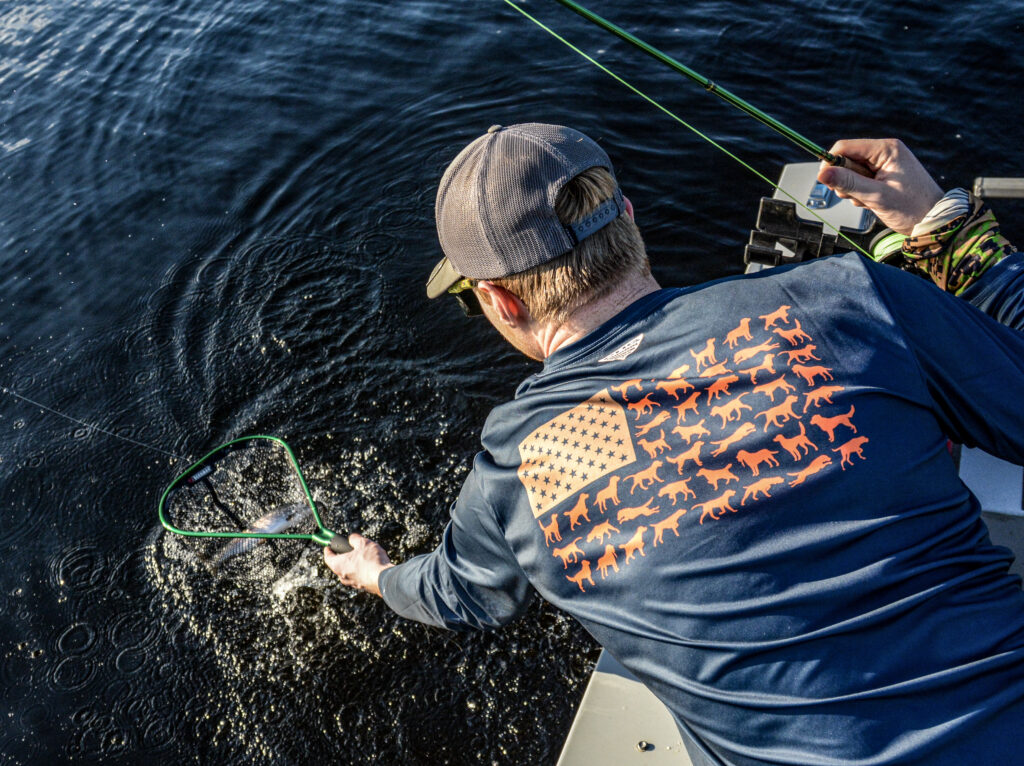
Just to the west of the boat launch is a little stream that outflows from Roses Lake to Dry Lake. Dry Lake is full of warm water fish, such as bass, crappie, bluegills and sunfish. These species always seem to sneak their way into Roses and this part of the lake is ideal for float tubing with a fly rod. There are also tiger trout in Roses and even a few browns, as WDFW tries curtailing the sunfish and invasive panfish that can spawn in lakes by using these predators. If the trout fishing is slow then you can try poppers or leach patterns for the pan fish.
Other options:
If you are planning a trip to the Chelan Valley to give this fishery a try, don’t forget a few other options as well. Dry Lake right next to Roses is a bass fisherman’s dream. This lake is very shallow and by summer the weeds have overtaken the lake, but in fall and spring the weeds aren’t as bad and it’s very fishable. I don’t recommend ice fishing this lake because it is so shallow that the ice seems to be thin or “rotten” in places as the water can remain a bit warmer than the deeper Roses Lake. There is no improved launch at Dry Lake, but a small car topper boat or a float tube works great here. There are some big bass in there as well as good-eating crappie and other pan fish.
Of course, Lake Chelan is also an option that you cannot overlook. Springtime is prime time for the Lakers as they are in their spawning cycle. It seems the bigger fish come up from the depths or from the up lake to the down lake area (little is known where the big fish hang out since the lake is so big and deep). By late spring you can target the kokanee which are heading to the east end of the lake. The standard pop gear and wedding ring tipped with a worm and shoepeg corn soaked in Pro-Cure’s anise or bloody tuna is the top producer for the Kokes.
It seems this migration of landlocked sockeye fatten the Mackinaw for a chance to break the state record for Lake Trout. Try off of the end of Wapato Point where the lake goes from 150 feet to over 250 feet, either jigging 1 oz white grub jigs tipped with pike minnow or herring strips or troll a U20 flatfish along the bottom off of downriggers. If you’re not equipped for the deep water, the smallmouth bass are found along the docks in the town of Chelan. The water is clear enough that you can often see fish for the bass.
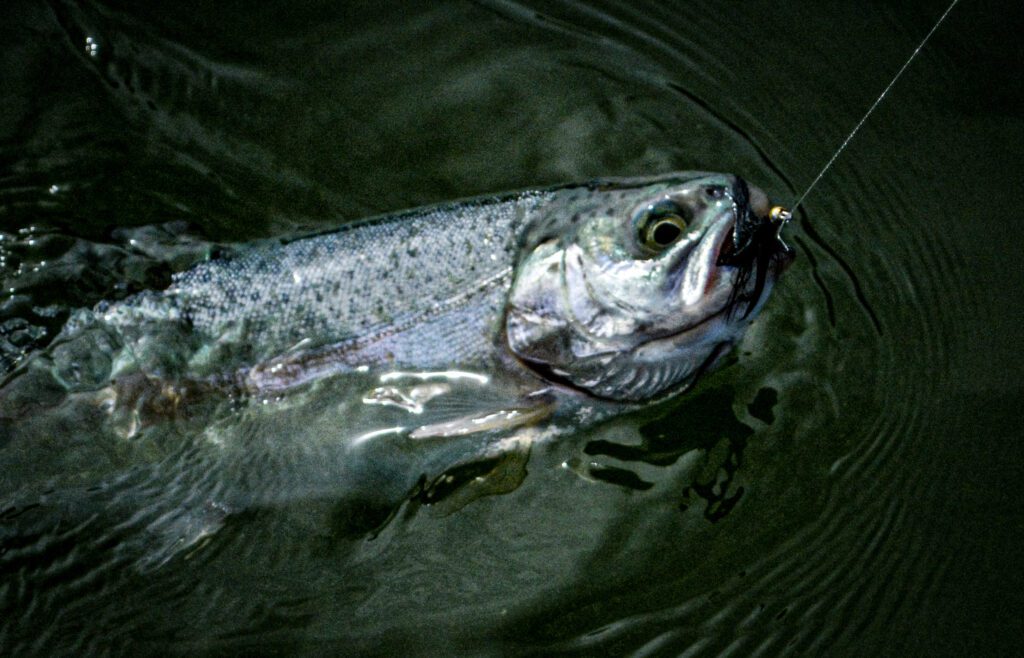
Back on Roses Lake, keep an eye on the afternoon winds and be ready to head for the boat launch. If the trout fishing slows then work the cattails for some incredible bass fishing. You might not find big bass here but they are plentiful and easy to catch. Keep in mind that there is often a water ski slalom course on the west end of the lake and that others will be using this lake as well. The 130-acre body of water is surrounded by orchards and a few houses and respect the shoreline.
The WDFW access site gets busy but there is plenty of parking and good bank access. This lake has it all, for everyone, from kayakers and float tube anglers to bass boats and tow boats, trout and bass, and some bluegill too. This makes it a perfect lake to take the kids as well as just spend some time catching fish while in the Lake Chelan Valley.
/articles/spring-ahead-roses-lake
Walleye Fishing At Long Lake
A few inside tips that can make you more successful your next time out.
Nestled in the Spokane River in Washington state, Long Lake is a favorite destination for anglers seeking productive fishing and multiple species. While the lake is well known for bass fishing, and recreating, it has earned a reputation as an excellent spot for walleye fishing. Whether you're a seasoned Angler or a novice hoping to reel in a trophy catch, Long Lake offers opportunities to hook a variety of quality fish, with now the walleye becoming the star of the show. Throughout this article, we will explore a few techniques you may want to know to catch walleye on Long Lake and some of my favorite spots to cast a line.
The Allure Of Long Lake
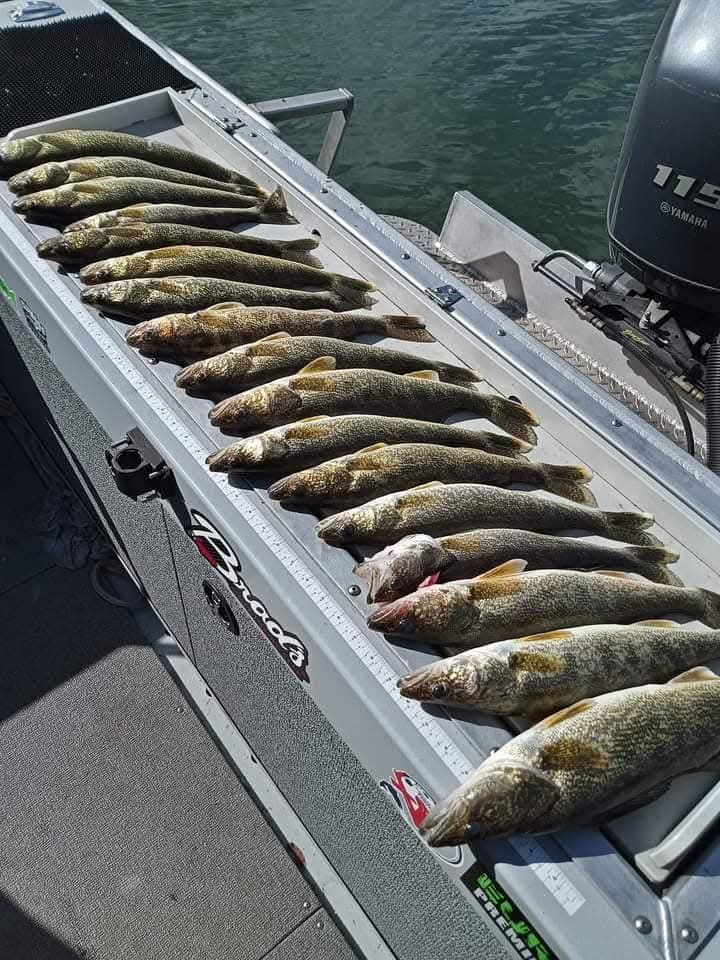
Long Lake, also known as Lake Spokane, spans roughly 24 miles and allows a ton of fishing opportunities. The lake is a man-made reservoir created by the Nine Mile Dam, and Long Lake Dam. With the lake being so close to Spokane, it attracts a lot of recreation boaters, swimmers, jet skiers, and kayakers. Lots of bass tournaments are held there, and plenty of trout are planted for family-catching fun. Don't be surprised if you come across a pike, as at one point in time they were quite plentiful in the system. Now with the good population of walleye showing up the past several years, and so much room to fish, it makes Long Lake a prime fishing destination in the region.
Walleye: A Coveted Catch
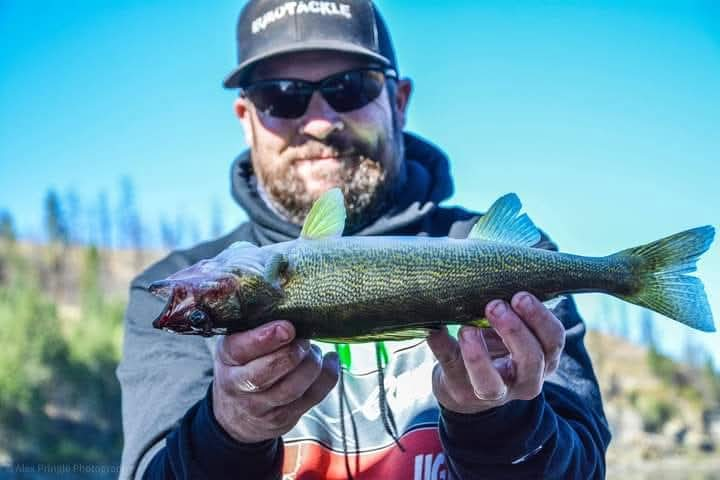
Walleye or a highly prized fish for anglers due to their elusive nature, sporting challenge, and their great taste. Their reputation as one of the best-eating freshwater fish definitely adds to their appeal. Known for their sharp teeth and distinctive pale greenish silver color with dark vertical bars on their body. Walleye are not as aggressive as Bass, making them a bit harder to catch, which increases the excitement for anglers.
Long Lake walleye have flourished due to the abundant amount of forage fish like perch and so many other minnows, great water, and structure; including drop-offs, rocky shorelines, and vegetation. The walleye population in Long Lake is healthy, with many Anglers regularly reporting good catches, making for a perfect habitat for these predatory fish.
Walleye fishing at Long Lake typically peaks in the warmer months, from Spring to late fall. However, most anglers are drawn to the lake in the spring and summer when walleye are actively feeding and more of the lake is accessible as the water is low in the winter.
Best Time To Catch Walleye
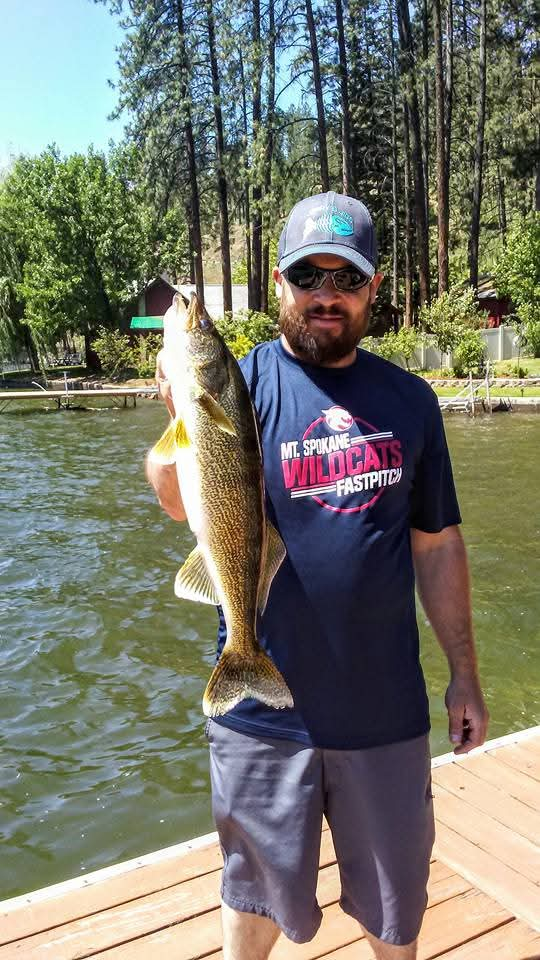
The best time to fish for walleye on Long Lake largely depends on their feeding habits and the season. Walleye are known to be nocturnal, meaning they are most active during dawn and dusk, when the water cools and the light levels are lower. This makes the early morning and evening hours prime times to catch walleye. These fish of course will bite during the heat of the mid-day during warmer months, but I tend to find my best fish during the cooler months at night. In terms of seasons, spring and fall are often regarded to be the best times for Long Lake walleye. During the spring, walleye are typically spawning, which makes them more concentrated upriver near the Spokane House launch and further up in the shallows. That's where we find our most large and aggressive fish. In the fall, walleye put on the feed bag and bulk up for the colder months, fishing can be productive as they aggressively feed on smaller baitfish flourishing just outside weedlines.
Summer fishing walleye can still be productive, and very good, but may require deeper fishing targeting the river channel. Walleye tend to retreat to deeper, cooler water during the summer. Using your electronics can be particularly helpful in locating them in deeper regions of the lake.
Techniques And Tips For Catching Walleye:
- Trolling
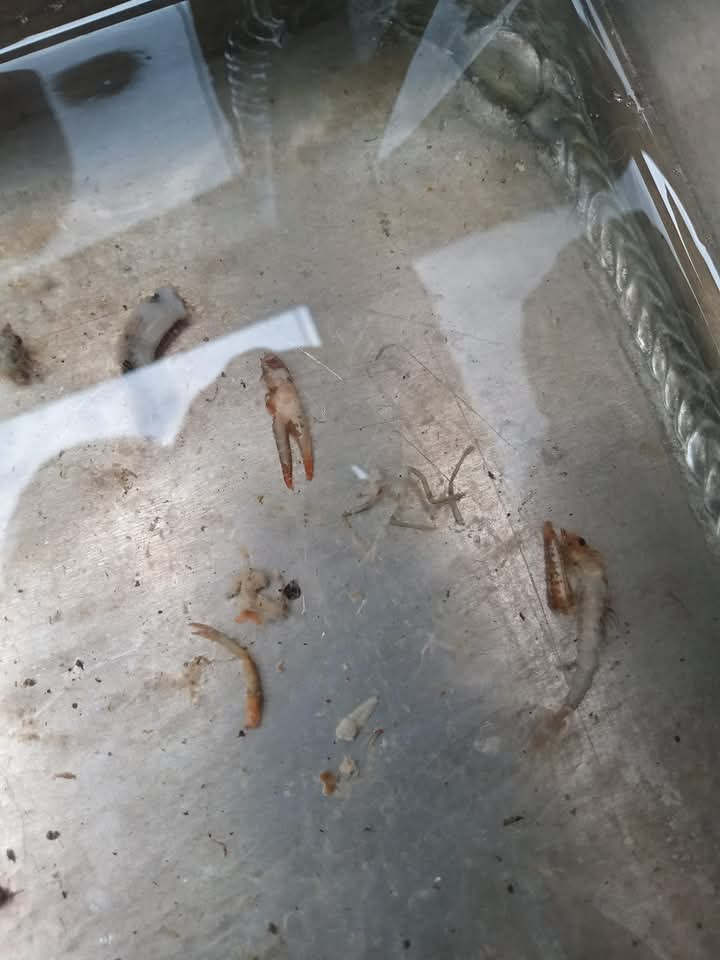
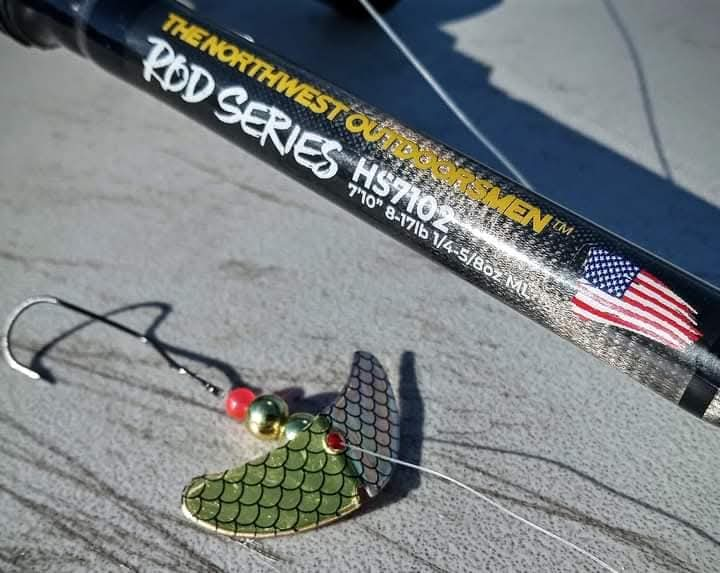
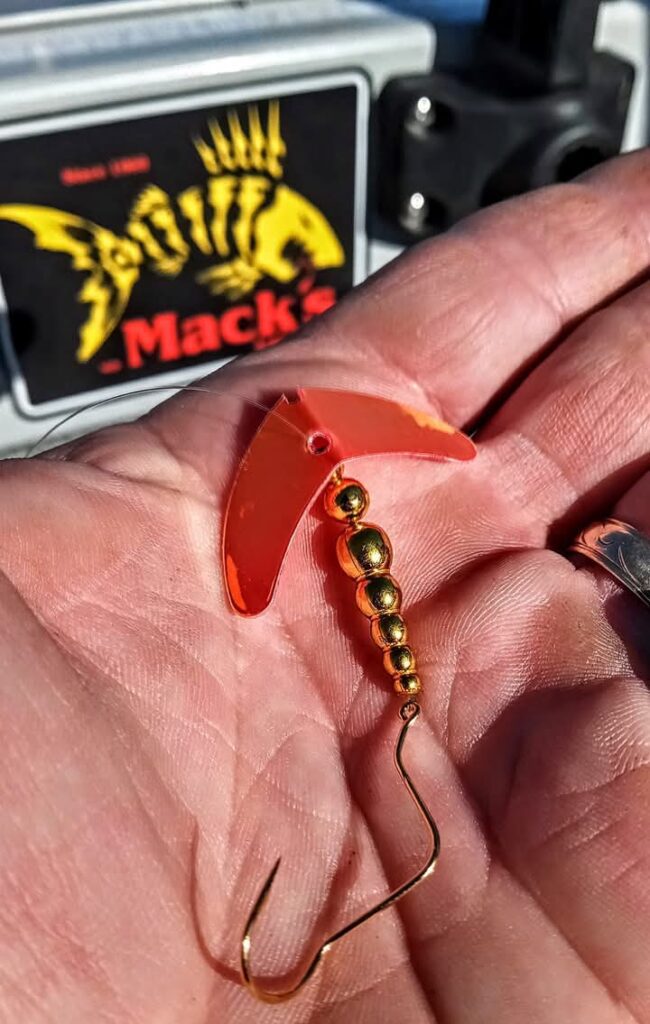
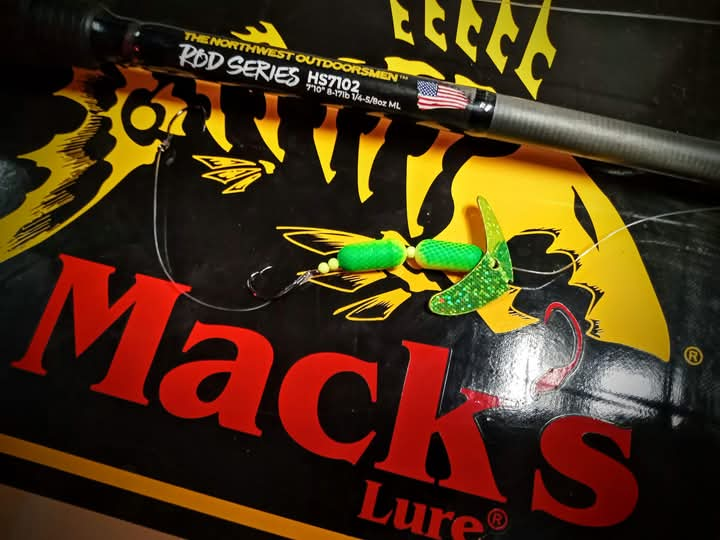
Trolling is one of the best and most effective ways to catch walleye, by covering more ground and increasing the chance of encountering a hungry walleye. When im trolling Long Lake, the most effective depths for me have been in the target range of 10-30ft, depending on season and temps. Early season trolling large crank baits like Bandits in 10-12ft of water is lights out up near the Spokane House launch. Make sure those crankbaits are making contact with the bottom a little, and you'll be in the zone, trolling upriver. When the fish start to move out to the main lake, and a little deeper is when I will switch to a slow death rig with a worm harness from Mack’s Lure - usually on a 3oz. bottom bouncer trolling at slow speeds maintaining contact with the bottom. Walleye love crawdads and bouncing the bottom mimics crawdads fleeing, drowning in the walleye.
- Jigging
Jigging is another effective method for walleye, especially as they migrate deeper along the river channel. By using a jig tipped with a worm, or cut bait Anglers can lure walleye into biting by mimicking the movement of a distressed bait fish. The key to success with jigging is to work the base slowly and deliberately, ensuring it mimics the walleyes' natural prey. Many anglers, including myself, prefer using soft plastics and various profiles and colors.
- Drift Fishing
Drift fishing I find effective when fish are spread out or flats I find just off the river channel. Drift fishing involves allowing your boat to slowly drift with the current while casting jigs, or bouncing jigs close to the bottom. This technique can be productive when targeting drop-offs near the flats, weed lines, or rocky shorelines.
- Night Fishing
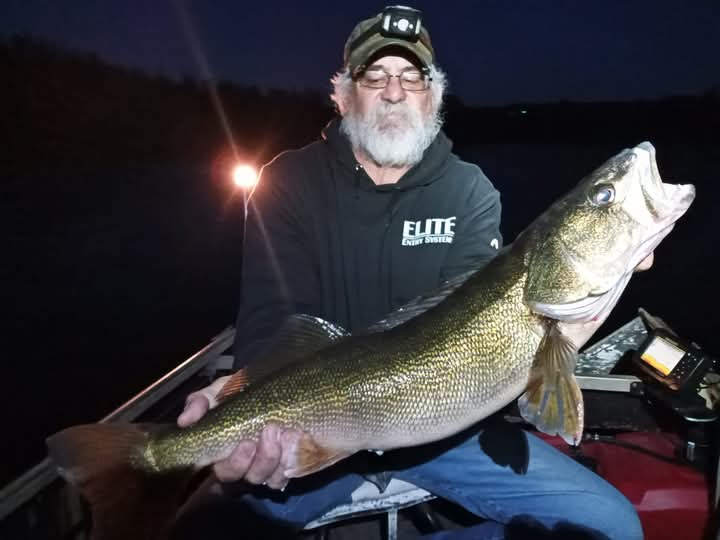
Walleye are known to be more active at night, targeting the shallow river areas early season, or shallow weedlines closer to shore around that 7-15ft of water. I like glow color lures, silver lures, or dark black lures.
Where To Fish On Long Lake
Long Lake has several spots that can consistently produce good walleye catches. Many anglers focus on the flats adjacent to the deeper river channel, but can also be found shoreline weedlines and structures such as drop-offs and submerged gravel beds.
Some of my favorite spots include:
- The upper end of the lake: This upper portion of the lake near Long Lake Dam has many rock formations and drop-offs where these predators can hunt bait fish. Look for shorelines on the upper end that have gravel or rip rap. Walleye love to chase crawdads in these areas.
- The lower end of the lake: This area provides plenty of spots to fish from between 9-mile recreational area to Willow Bay. Trolling and jigging is very effective in this large stretch.
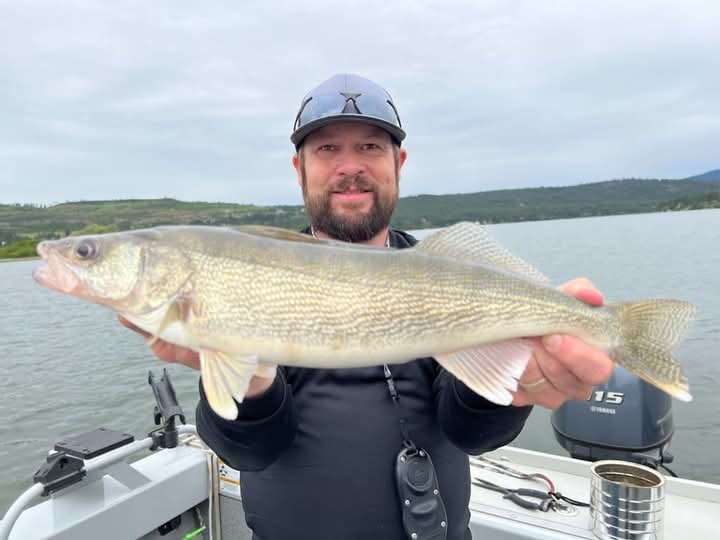
Walleye fishing on Long Lake in Spokane Washington, offers an experience for anglers looking to test their skills. Whether you're fishing from a boat or the shoreline, the lake offers a diverse habitat that provides the perfect environment for walleye to thrive. With the right techniques and a little patience, you can have a successful fishing trip reeling in a trophy walleye. So grab your gear, head to Long Lake, and discover why it remains as one of the best-kept secrets for walleye fishing in Washington.
/articles/walleye-fishing-long-lake
Exploring My Favorite Waters: 7 Eastern Washington Lakes Every Angler Must Fish
When it comes to angling adventures, Eastern Washington boasts an array of lakes that promise unforgettable experiences for fishing enthusiasts. From serene hideaways to expansive waters teaming with aquatic life, each lake offers its own unique charm and beauty. In this article, we will go into the allure of 7 of my must-visit lakes in Eastern Washington. Loon Lake, Diamond Lake, Long Lake, Deer Lake, Waitts Lake, Sacheen Lake, and Lake Roosevelt.
#1 Loon Lake: A Tranquil Haven
Nestled amidst the scenic beauty of Stevens County, Loon Lake is a haven for anglers seeking tranquility and plentiful fish. Renowned for its population of Kokanee, Rainbow Trout, and Bass, this picturesque lake also offers World Record Tiger trout. An abundance of opportunities for both novice and seasoned anglers. Whether you prefer casting from the shore, chasing the sunfish and crappie around docks, or trolling on a boat, Loon Lake promises a rewarding fishing experience against a backdrop of natural beauty.
#2 Diamond Lake: A Gem For Anglers
True to its name, Diamond Lake sparkles as one of Eastern Washington’s hidden gems for fishing enthusiasts. Situated in Pend Oreille County, this pristine lake is celebrated for its clear water, and the diverse fish species. From trophy-sized Brown trout, and Rainbow trout, to feisty smallmouth bass, and some really nice perch, Diamond Lake presents anglers with a tantalizing challenge and the promise of unforgettable memories. From ice fishing to the warm summer months, the scenery year-round is amazing.
#3 Long Lake: Where Adventure Awaits
Stretching across Stevens and Spokane counties, Long Lake beckons anglers with its expansive waters and rich aquatic life. Boasting an array of fish species, including a healthy population of Walleye, some Northern Pike, great Perch and Crappie, plenty of Trout, and amazing bass fishing. This lake offers endless opportunities for exploration and angling excitement. Whether you prefer trolling, or casting from a boat, and or from the shore or dock, Long Lake invites you to embark on an adventure filled with anticipation and discovery.
#4 Deer Lake: A Serene Retreat
Tucked away in the foothills of Stevens County, Deer Lake exudes a charm that captivates anglers seeking solace in nature. With its clear waters and lush surroundings, this idyllic lake serves as a great place for relaxation and fishing. From Rainbow trout, and of course, the Mackinaw lurking below, you can also find some great bass and panfish. There was a time not too many years ago, when an angler could get into a mess of Kokanee, now the mystery is where did they go? Are they still swimming here? Deer Lake offers a bounty of opportunities for anglers to test their skills and unwind amidst the beauty of the great outdoors.
#5 Waitts Lake: Where Memories Are Made
Nestled in the heart of Stevens County, Waitts Lake stands as a testament to the enduring allure of Eastern Washington's fishing destinations. Boasting a rich history of big Brown trout, and abundant fish populations, Waitts has great opportunities for also Rainbow Trout, Perch, Bass, and Sunfish. Also a destination for many ice anglers in the winter months as well, as it's open year round. Whether you prefer trolling from the boat or fishing the resort's docks, Waitts Lake promises an experience filled with camaraderie, excitement, and the promise of cherished memories.
#6 Sacheen Lake: A Hidden Paradise
Not hidden like a secret, but tucked away in the forest of Pend Oreille County, Sacheen Lake beckons anglers with its year-round secluded beauty and great angling opportunities. This lake holds some gorgeous Brook trout, Rainbow, and Tiger trout. A healthy population of yellow perch, and crappie are a favorite target for the ice anglers. I saw some big bass pulled out of this lake as well. With its scenic surroundings, this lake offers something for every angler, whether novice or expert, Sacheen invites you to cast your line and immerse yourself in the peaceful rhythms of nature.
#7 Lake Roosevelt: The Jewel Of The Columbia
Stretching across the vast landscape of Eastern Washington, Lake Roosevelt is a testament to the region's natural grandeur and angling legacy. Formed by the mighty Columbia River, this expansive lake offers a wealth of fishing opportunities against a backdrop of rugged beauty and historical significance. With many launches and many miles of shore to enjoy and do some boat camping, you'll find that Lake Roosevelt offers a ton of activities. From trophy size Kokanee, and Trout, and an abundance of Walleye, some anglers may want to target the Sturgeon. Lake Roosevelt promises an angling adventure like no other.
Eastern Washington lakes offer a treasury of angling opportunities for enthusiasts of all ages and skill levels. From the small waters of Loon Lake to the expansive waters of Lake Roosevelt, each lake beckons with its own unique promise for adventure. So pack your gear, set your sights on those seven Eastern Washington lakes, and embark on a fishing journey filled with excitement, camaraderie, and the timeless beauty of our great outdoors.
![{"capture_mode":"AutoModule","faces":[]}](https://cdn.northwestfishing.net/sites/default/files/styles/large/public/images/IMG_20240127_094906_3-scaled.jpg.webp?itok=lCi6vt3M "{\"capture_mode\":\"AutoModule\",\"faces\":[]}")
/articles/exploring-my-favorite-waters-7-eastern-washington-lakes-every-angler-must-fish
Catfishing in Washington
By Josh DeBruler
It was November 6th of 1902 at the confluence of the Ohio and Mississippi Rivers, where the great explorer, Meriwether Lewis, recorded in his journal that a prominent fisherman within their expedition had brought in a Goliath of a catfish that measured over 4 ft long and weighed in at 128 lbs.
Whether this accounting is of historical fact, or just generally accepted as American lore, the fact remains that Catfish get BIG. The record size catfish for the same river that Lewis and Clark’s men were dropping their lines in is currently a 104 lb.
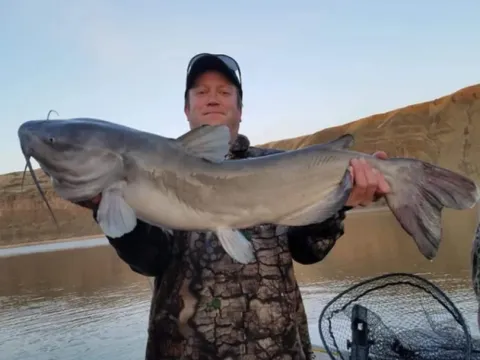
blue catfish, and though we wont likely see those types of numbers coming out of our Pacific Northwest waterways anytime soon, we certainly do see some formidable sized cats here in Washington State. In 2019 a 15 year old boy hauled a 37 lb. state-record channel catfish out of Lake Terrell in northwest Washington, beating the previous record by 1.5 lbs.
If you’re looking to hook into a big catfish here in Washington State, chances are you’ll be fishing for channel catfish. Channel catfish are native to much of North America, but they didn’t make their debut here in Washington till 1892, when a load of them were dropped off in Skagit county’s clear lake.
From that point forward, these fish were distributed throughout Washington State for both recreational angling opportunities, and more recently, for management of problematic forage fish. Although, they can be found throughout the state, most anglers familiar with the fishery would agree, your best bet for harvesting some of these fish would be to head to the Columbia river to fish it and its tributaries that head north from the Bonneville Damn, and meander up and across the eastern portions of the state.
Rivers like the Columbia, Yakima, Snake, and Walla Walla, all provide reasonably suitable habitat for these fish to spawn and maintain self sustaining populations. Conversely, lowland lakes that are stocked with channel cats, will only provide anglers with fishing opportunities that reflect both the frequency of the WDFW stocking programs and the pressure the lake receives from anglers. Channel catfish are not known to reproduce in most Washington lakes.
Where to fish in Eastern Washington (Eastside of cascades )
-Lake Umatilla
-Lake Wallula
-Lower Yakima River
-Lower Walla Walla
-Lake Sacajawea
-Lyons Ferry State Park (confluence of Snake and Palouse rivers)
-Roses Lake
Where to Fish in Western Washington
- Green Lake
- Clear Lake
- Silver Lake
- Lake Terrace
- Swofford Pond
- Lake St. Claire
When to fish
Fishing is most productive when catfish are spawning. This typically peaks around June and you can expect the bite to taper off as we move into fall. The spawning season also causes catfish to move out of the larger Columbia river and into its tributaries where the shallow waters provide better spawning grounds. Take advantage of this time to target catfish in these smaller waters, and if you can fish the confluences of the Columbia and said tributaries at this time, a bottleneck opportunity occurs, and this is where the fishing can become excellent.
How to fish them
Being that most techniques are fairly straight forward, fishing for channel catfish should be suitable for anglers of all different experience levels. You’ll likely find that the most challenging part will be getting on top of the fish in the first place. If you are fishing at night, you’ll find catfish feeding in the shallow waters near the shore, and though night fishing is excellent for channel cats, it’s also not a very suitable time for the typical angler.
For this reason, many anglers fish throughout the day, and do-so successfully. During the day, you’ll find most of your channel catfish in deeper waters beneath the column of warm water known as the thermocline. Typically, 15-20 ft down will get you past the thermocline and into the cooler waters.
Since these fish are bottom feeders, the goal should be to get your bait at the bottom where it can be detected by the catfish’s keen since of smell. There’s a wide variety of baits you can use. Many anglers opt for chicken livers, oily cut baits, earthworms, chicken skins, hot dogs, shrimp, corn, or dough balls made specifically for catfish. These fish don’t seem to be extremely particular about their food as long as it’s in front of them.
As far as rigging goes: a slip sinker rig is both simple and productive. From your main line, add your preferred slip sinker, a stop bead, barrel swivel, about 5-20” of leader, and a 2/0 to 3/0 hook. You can get the hook suspended a bit off the bottom by adding a poly ball or foam peg float a few inches back from the hook if desired (note this becomes ineffective if a substantial amount of current is present)
A slip bobber rig is also a popular and effective method to get your bait suspended off the bottom while being able to detect bites visually. Just add a stop knot to your mainline, then a bead, a slip bobber, slide sinker, barrel swivel, and 10-20 inches of leader before your hook.
There are plenty of other methods available for catching channel cats, but these should be all you need to get started.
/articles/catfishing-washington