The Last Ride
Boats are in my blood. From my early years as a young man, I have always had some type of floating vessel with which to explore (for me) uncharted waters. The curiosity of what lies around the next bend was as important as the fish that I was pursuing. Thankfully that curiosity has not diminished with the passing of the years. And now, in my third year living in Montana, the flame burns as bright as when I was younger.
To pursue my passion properly, years ago I realized that a one-boat family would just not cut it. My fleet gradually grew, one boat for saltwater and lake fishing, one boat for rivers, and one pontoon boat for peaceful floats. The diversity of boats allowed me to explore many of Washington’s lakes, rivers, and saltwater fisheries. I was (and am) truly blessed.
The Missouri River by Ulm is a slow-moving, deeper version of itself. A couple dozen miles upstream the trout fishing is renowned, and a day of catch and release for trout is generally the norm. But here the river slows, with deeper pockets that attract a more varied selection of finned pursuits to target. As the trout populations drop off, the warm water fish make their appearance. This is the river of pike, walleye, sturgeon, and catfish. To search out these noble warm water fish requires a different strategy. Drift boats are great for the Craig area trout, but from Cascade, downstream to Loma, and onward to the Missouri Breaks requires a boat that can safely navigate shallow runs, rocks, and sunken logs. A jet boat is the preferred vessel of choice.
I had given my first jet boat, a 15-foot Klamath, to my son Matt several years ago. It was a boat that saw much use on the Cowlitz, Skykomish, and Satsop Rivers of Washington where I targeted coho and steelhead. I loved skimming over the shallow runs, dodging rocks and log snags, and learning how to use the lack of a prop to my advantage as I “Tokyo Drifted” my way through narrow passages. More fun could not be had!
Back on the Missouri, Matt and I were fishing for pike, and I had just caught a nice 26” specimen. Don’t get me wrong, I enjoy fly-fishing for trout, but having a pike slam your lure in mid-retrieve has its place in my heart as well. While admiring my fish, Matt casually mentioned that he and his wife were looking to buy a house in Helena, and of course, would no longer need to store the boat with us in Great Falls – meaning – no more jet boat for me to use whenever I felt like it.
Later that night, lying in bed, I turned to my wife, JoAnn, and tentatively began a line of probing conversation.
“I sure had fun fishing with Matt today – fishing the Missouri with his boat opens up so much water close by to explore”. “You know”, I continued, “when they find a house he’ll be taking his boat. I won’t be able to fish the river around here.”
“What are you saying?”, she asked. After thirty-five years of marriage, I knew that she knew exactly what I was saying.
I plunged forward. “I could sure use a jet boat to fish around here. The Thunderjet is a prop boat and too big, and my raft is not the right boat for this part of the river. These waters need a riverboat.”
I watched for her reaction, and she responded, “well, I think you should get one then.”
What can I say? I’m a very lucky man! We had some money set aside and I immediately began my quest for a new boat. I had the criteria firmly in my head – river boat, capable of being handled by an aging angler. All that remained was working out the specifics.
With a solid green light from the only person that matters, I turned to today’s version of the want ads, Craig’s List and Facebook Market Place. I started my search criteria with a boat 14-18 feet long, made for the river, and a jet motor. My budget allowed me to consider solid boats that were ready to be re-motored. Bonuses would include a bow-mounted electric trolling motor and a fish finder. A double bonus would be something with oars that I could also use to back down slow drifts when the opportunity presented itself.
My list grew to around forty potential boats. I then paired my list with twenty or so of the best boats for my needs. A planned trip to Spokane allowed JoAnn and I to check out a few boats along the way, including test drives.
I quickly figured out that 14 feet would be too small, and 18 feet, while a great size for 3-4 anglers, would be too much for me to handle on my own as I get older. I needed something light enough that I could easily move it around and retrieve it on solo trips. That left 16 feet as the sweet spot.
When we arrived in Spokane, we went to check out The Elephant Boys’ selection of boats. They have an excellent assortment of boats on the premises to compare. The 18-foot Roughneck would be the perfect boat for me – ten years ago. Keeping in mind that a 66-year-old with his seventies loaming ever closer needed something lighter, my eyes fell on the Lowe lineup of jon boats.
For those of you not familiar with a jon boat, these fishing and hunting machines are designed for shallow and backwater travel. Anglers and duck hunters have used jon boats since the late 19th century, first originating in the Ozarks, where they were ideal for navigating the shallow waters of the Missouri Valley. With a flat bottom, a jon boat isn’t something you’d want to take on big water, but for smaller lakes and rivers they are ideal. Perfect for fishing on the Missouri River around Great Falls.
Jon boats can run from bare-bone set-ups with tiller steering to side or center counsels. They can have floors, or not. Storage – or not. In fact, a quick YouTube search revealed dozens of boaters had DIY videos on how to customize a basic jon boat into a tricked-out fishing machine. Finally, because jon boats have fewer “amenities” and lighter gauged hulls, they are easier to trail and move around. Heck, even a future seventy-year-old can launch and retrieve one!
“Finding what you’re looking for?” A friendly voice greeted me as I stared intently at a 16-foot jon boat with side counsel. “I’m Ed, can I answer any questions for you?” It turned out that I was being helped by the owner of Elephant Boys, Ed Conley.
“Well, yes, you can”, I replied.
I explained just what I was looking for and how I planned to use it. I noted that as nice as those Roughnecks were, they were just a bit more boat than I felt I could manage in the years to come. “My friends Mr. Ibuprofen and Mr. Tylenol are telling me to go lighter”, I joked.
“These jon boats are great for what you are looking for and will handle the river just fine. And I know what you mean about the aches of older age.” Ed laughed. “Another plus is they are at a good price point. Let me build out a boat for you and see what we can do.”

I had a solid idea of what I was looking so the “build-out” process was quick and easy. Ed took the list and went back to his desk to add everything up. A short time later he returned. “Here you go,” he said. “This boat will be great for what you are looking for.” I was pleased to see the final cost landed well under my budget.
A handshake and deposit later, my boat began having all the components installed there in The Elephant Boys shop. A week later JoAnn and I returned and took possession of our new boat. Tyler, one of the service techs, gave us a walk-around and went over all the features, including the break-in schedule of the 35 HP Mercury jet. After grabbing some boating extras from the showroom, we were back on the road to Great Falls, new boat in tow.
The following week we put the boat in for some light-hearted fishing and scenery viewing. A short ten-minute drive to the Missouri River boat launch in Great Falls and JoAnn, myself, and our two dogs were enjoying a beautiful fall day with no other boats around us.
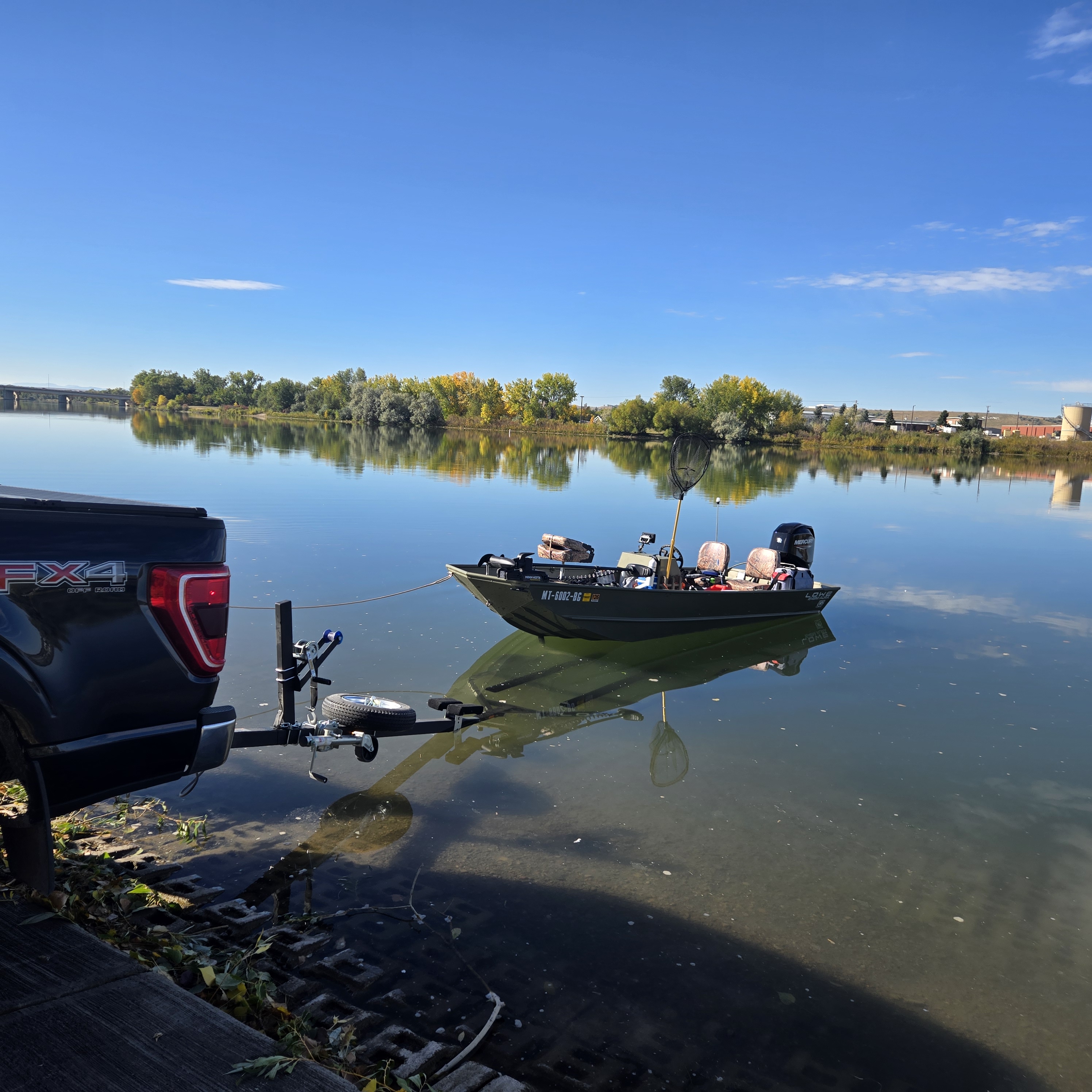
Finding a nice stretch of 6-10 foot deep water in slow current I lowered the Minn Kota and put us in anchor lock while baiting up the rods. Anchor lock is an awesome feature that keeps the boat in position, and it works in a river just fine! Game Changer Number One for fishing solo.
Dropping the bottom bouncers back about 30 feet I felt contact with the bottom. Into the rod holders they went, and we waited in anticipation for our first fish – which took just minutes as the port rod doubled back with a vicious hit. Reeling in a small pike, the boat was officially christened.
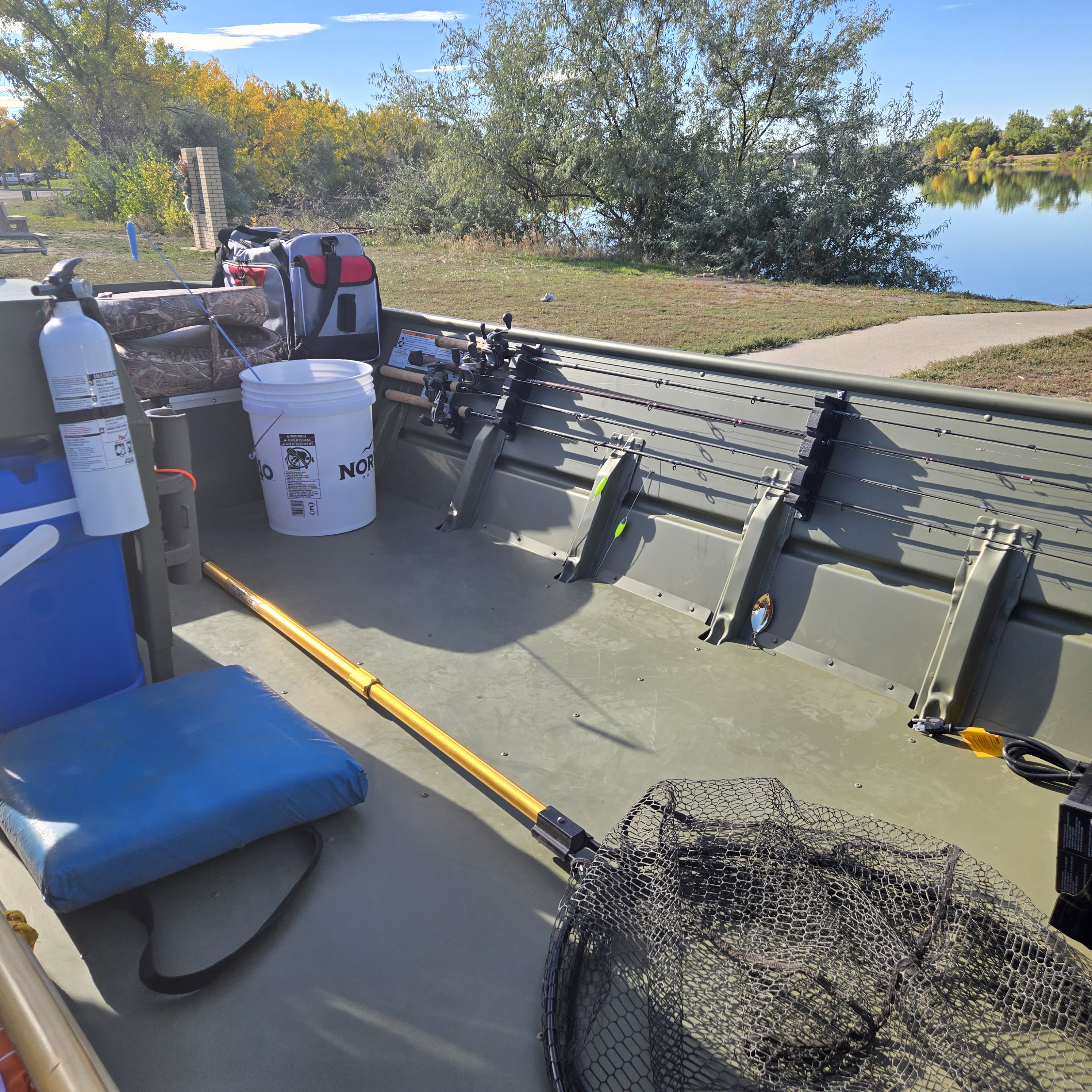
With the long straight stretch we were on, I hit the directional lock button, and the trolling motor kept us on a straight and steady course. No more fishtailing back and forth or oversteering, and again, hands-free boat operation made for a relaxing ride. Game Changer Number Two – direction lock.
The layout of the Lowe gives us plenty of room to stretch out. Even with two dogs moving around, barking at deer on the riverbank, the boat was solid and stable for both trolling and casting. Returning to the launch on a smooth plane, I looked over the side at 6 to 12-inch deep water; 27 mph was plenty fast for this guy!
Whether it’s your first boat or your last, it’s so important to know what you want to use it for and find the boat that does that job well. For us, this jon boat is going to offer many relaxing days in the years ahead fishing in our backyard. It was well worth the drive from Great Falls to Spokane to check out The Elephant Boys' boat selection. Thanks to Ed and the gang for a great buying experience on what will be the last ride I buy.

/articles/last-ride
Winterize, Seasonal Maintenance and A Plan
After what has proven to be an epic summer and fall fishing season, the last of our marine salmon fisheries are behind us. The general trout fishery just closed and you’re still struggling to find space in the freezer for one more vacuum-packed fillet. Now what, is it time to winterize? With the typical winter forecast of questionable seas, rainy and icy weekends, it may be time to pay little attention to your equipment.
I know you want to fish but don’t waste your energy bagging on the weatherman. Use the time and energy to get ready for next year’s adventures. Winterize the boat, spend some time with your gear to ensure that your gear is in tip-top condition, and work on your game plan for next season. It should be winterized even if you’re lucky enough to use your boat during the winter. The following information and ramblings will help you prepare for warmer times to come.
It is time to cover the boat, or if possible, store it under a roof (garage or carport). Snow is hard on boat canvas and freezing temperatures play havoc with any moisture that may collect in your boat. To that note, pull the plug and or drain anything on your boat that holds water. Make sure that you drain, blow out, or add RV antifreeze to any washdown or live well pumps. If you store your boat outside and are a seasonal user you have some work cut out for you. Garage-stored or year-round boaters are not off the hook here, and have a task or two to attend to as well. Now is the time to get at it.
Aside from cleaning the boat and eliminating any standing water, the number 1 most important item on your winterization chores list is your fuel system. Check all fuel lines and fuel line fittings. Replace anything that is brittle, cracked, or otherwise damaged. Now is also the time to replace or drain as appropriate your fuel/water separator. Water trapped in the canister can freeze and crack the unit. If your boat is not equipped, it is a great time to install one.
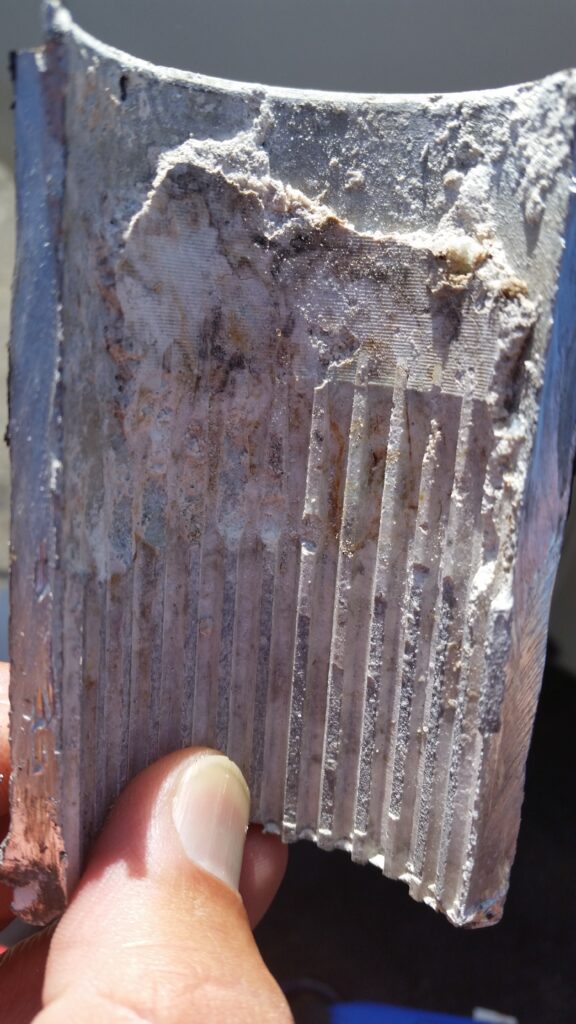
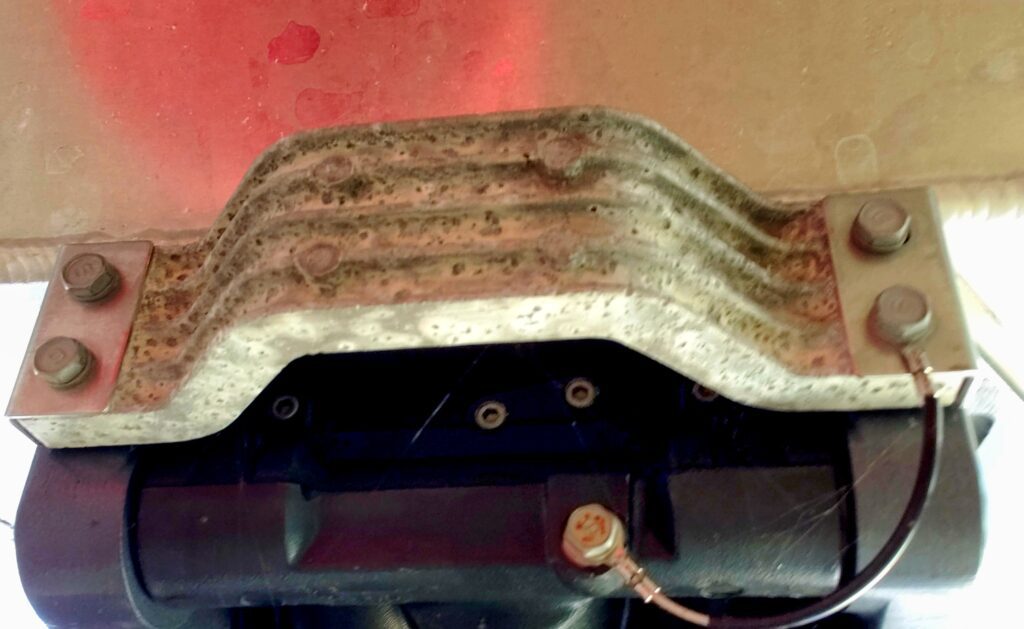
Look over your sacrificial anodes (zincs) and where equipped, the associated bonding jumpers. They should be inspected once a year. Replace if the anode(s) have lost half of their mass to corrosion. Generally, you can replace them with the same part number. But if in one year, more than 50% of the anode has been lost to corrosion or you are seeing excess corrosion on the protected equipment it is a good idea to increase the size of the anode or consult someone that specializes in boat corrosion protection.
You should add a fuel stabilizer with each fill-up. If you do not, make sure you add it before long-term storage. Add the stabilizer and then top off the tank. Check hydraulic fluid levels of any steering or power tilt/trim units. Use your motor manufacturers’ recommended products and do not top off or mix the various manufacturers' products.
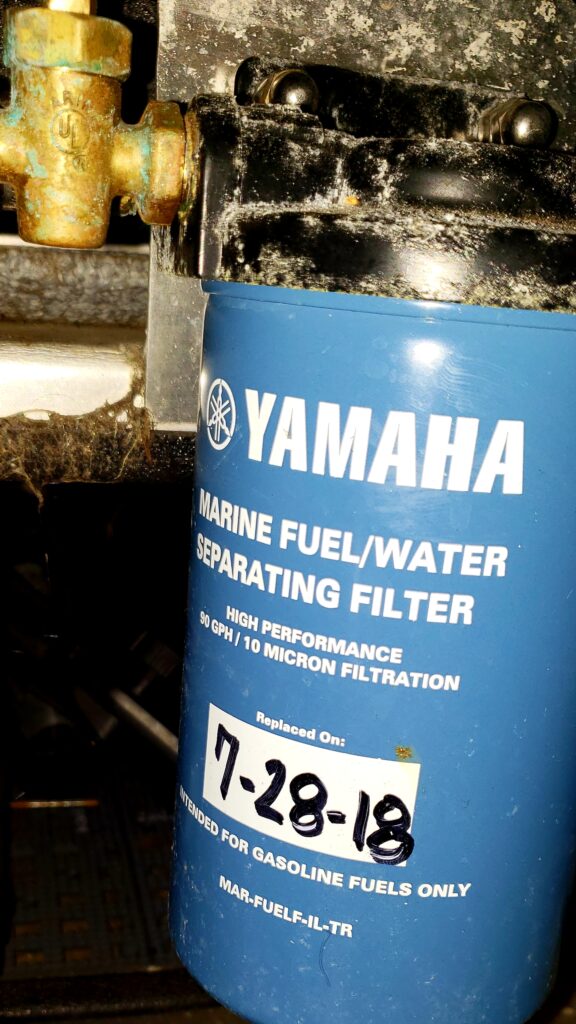
Often overlooked, your winterization routine should include changing the lower unit oil. There are several reasons for doing this before the big freeze sets in. If there is any water in your lower unit it can freeze and damage the unit. It also gives you the opportunity to evaluate the condition of the lower unit. If the gear lube is milky a seal has been compromised.
The water can freeze and/or corrode the internal components which may result in major damage. Check the lower gear casing plug; it is magnetic and designed to collect metal shavings. A few shavings are OK, but if there is a Magic Rocks cityscape of shavings growing on the plug you have some level of gear failure brewing. It will need to be repaired before you put it back in service.
While we’re thinking about lower units, have you paid attention to your pee stream lately? No not that one, that’s a whole different article. Check your motor’s telltale pee stream. If it is weak or you haven’t changed the water pump in the last two years the components should be replaced.
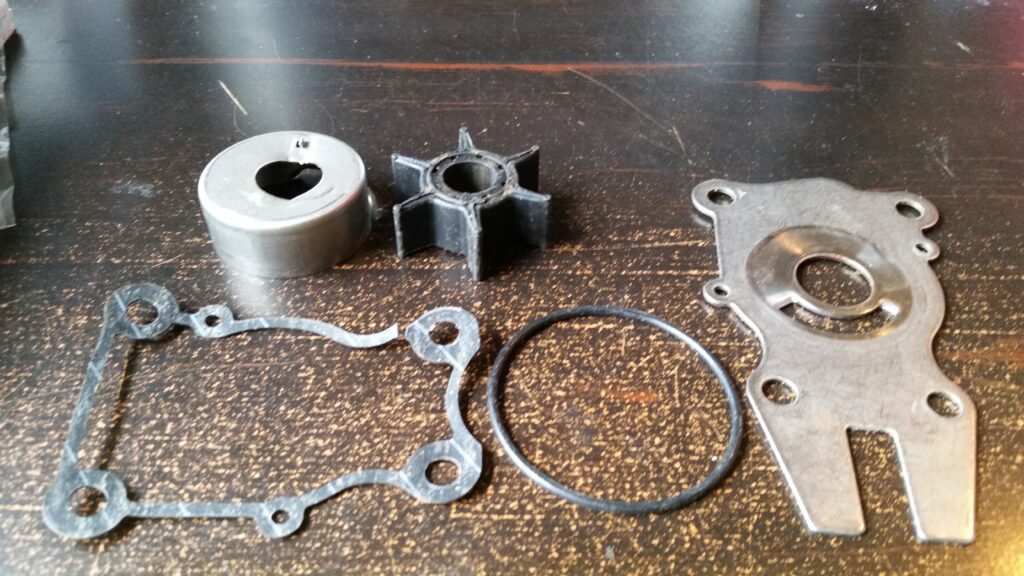
Pull the propeller and check the shaft for fishing line or damage. Remember to lay all the nuts, washers, sleeves, or adaptors out in the same order they came off the shaft. Maybe even take a picture or two. This makes reassembly much easier. Take a look at the propeller, if the blade edges are showing an excessive number of nicks/dings, now might be the time to send it in to be rebuilt. Even slightly damaged blades will affect performance and running a boat with severely damaged blades can lead to all kinds of shaft/seal problems down the road. Using waterproof grease, generously grease the shaft before you reinstall the propeller.
A thorough inspection of your battery(s) and electrical system is especially important during your winterization process. Make sure each battery is topped off with distilled water then bring it up to full charge. A battery at full charge is less likely to freeze; in fact, a fully charged battery can withstand -58 degrees Fahrenheit before freezing. If you find corrosion on the terminals, remove the battery from the boat and clean it off with a mild solution of baking soda and water. Once everything is clean it is also a good idea to use one of the various corrosion guard offerings after reassembly. As long as you have 12 volts on the brain, you should also go through the rest of your electrical installation and look for loose connections, and damaged wiring. Check all the switches and breakers to make sure they are working correctly.
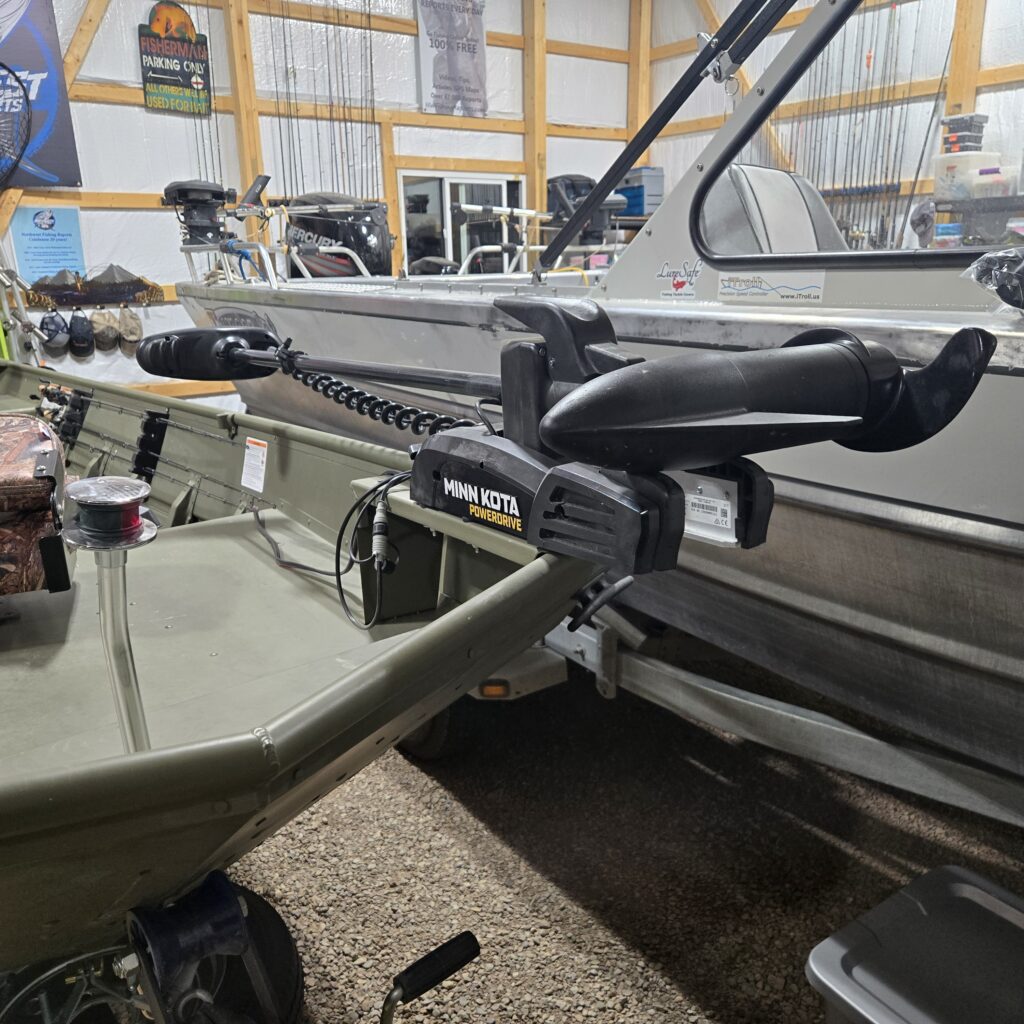
Don’t overlook your electric trolling motors and their electrical system. As with the boat batteries make sure the trolling motor batteries are fully charged. Pull the prop and remove any fishing line, hair-ties, balloon ribbons, and weeds that may have set up shop. Check the drive pin for damage and make sure that you have a spare onboard. Check all the mounting bolts and tighten them as required. Clean and lubricate per the manufacturer’s requirement. Check all your electrical connections and pull the batteries from any remote controls.
Give your trailer the once over: Check the trailer lights and trailer brake fluid levels. Also, check the tire pressure on all the tires including the spare. If you can, protect the tires from the sun. Assure that all bunks and or rollers are in good condition. Check your safety chain, winch strap, or cable and tie down straps and replace them if they are questionable. Check your lights and if they need replacement consider replacing with the waterproof LED lights.
Initially, they are more costly but with increased reliability, they will pay for themselves in no time. As an added safety benefit the LEDs are much brighter than the standard 12-volt incandescent lights. Now is also a good time to check your trailer bearings. If they are oil bath hubs check the fluid level and condition of the oil. If it is low, milky or appears to be foamy replace as required. If you’re running standard grease-packed hubs it would be a good time to repack them, better safe than sorry.
With the boat drained, fuel systems in good condition, all your hydraulic systems topped off, gear oil serviced, the electric trolling motor in tip-top shape, all things electrical are functioning as expected and the trailer serviceable there is one last thing to do. Unless your baby is stored in a heated garage raise the bow so all rainwater or snow melt drains out of the boat. Tilt the lower unit down so water will not collect in the lower unit, freeze, and damage the motor.
I know, all your rods are piled up safe and sound in the corner of the garage and everything worked fine the last few outings. Do you have nothing to worry about? Yes, now is the time to ensure all your gear is in good condition. Come along spring you don’t want to lose the fish of a lifetime because your favorite reel has a case of the herkie-jerkies.
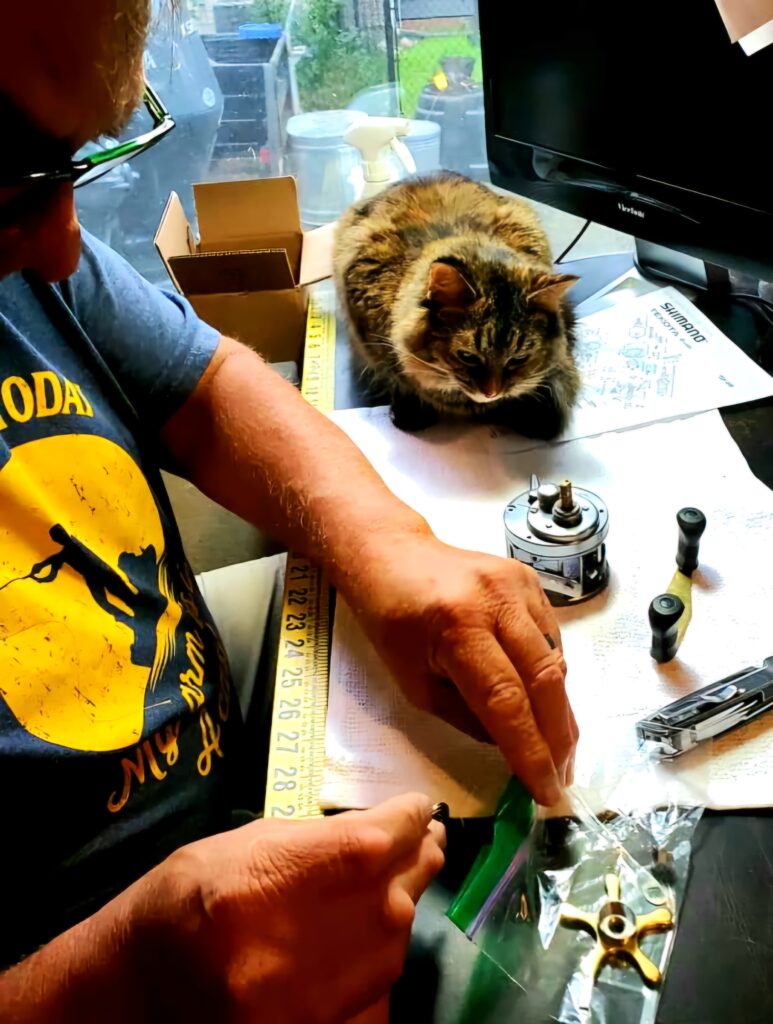
Although with most reels it is easy enough to replace the drag washers, sometimes getting the replacement parts can be a challenge. I am a Shimano guy but I have to say they can be very slow in supporting part orders. There are a number of websites offering online reel parts but sometimes their stock is limited or on backorder. Now is the time to order parts, a delay in getting parts should have minimal impact on gear used next season.
When you disassemble your reels use Simple Green to thoroughly clean the reel components. Rinse and then dry the parts using the low setting on a blow-drier before reassembly. Once the parts are clean inspect everything, look for unusual wear, and replace anything suspect. Use the advanced synthetic lubricants and reel grease sparingly during the reassembly process. If you are running mono, replace it with new line. Take your reels to a high-volume tackle store like Holiday Sports in Burlington and have them bulk-fill your reels. Their line should be fresher and they will recycle your old line.
Also, give all your rods the once over. Make a point to verify that each line guide is not cracked or worn. You can use a cotton swab and swirl around in each guide. If the guide catches any cotton fibers the guide needs to be replaced. Years ago, I lost a bragging rights fish to a cracked guide insert. Make sure you check the reel seat and ferrules and then clean as required.
Whether or not you fish year-round, winter weather will leave you with a few idle days. Don’t let them go to waste. Assuming that you have already taken care of your winter maintenance routine, now is a great time to develop your game plan going forward.
In the salt, there will be a few winter salmon, flounder, and inshore opportunities. If you don’t fish for kokanee maybe it is time to learn to catch them. They offer a year-round opportunity to drag gear through the water, they are very tasty and offer great sport on light gear. Where many of the east side winter kokanee fisheries tend to hold up through the winter months, the west side kokanee lakes are a different story.
A few are year-round lakes but most of those become a challenge during the winter. East or west my recommendation is that you choose a Kokanee lake close to your home, somewhere where you can fish both on the weekend and as your schedule permits during the week. Don’t fret about the size of the fish or even the numbers; this will be your therapy lake.
A bit of work but your boat is now winterized. Your gear and equipment are dialed in and you have a “plan”. Hopefully, next season will be free from equipment issues, and if you do fish through the winter, may an occasional meal find its way into your cooler.
/articles/winterize-seasonal-maintenance-and-plan