Navigating Nature’s Nooks - A Guide’s Fishing Wisdom
Guides offer an invaluable service to anglers. Whether you’ve never fished before, are new to the area, or just need to learn a few new techniques and tricks, guides provide knowledge that can stay with you even after you’ve paid for their services.
When fishing with a guide, it’s like the grown-up version of show and tell. They’ll get you situated with everything you need and be sure to coach you throughout the day on the water. I’ve been lucky enough to fish with some great guides and I have not taken their teachings for granted. I’d urge you to think about these different areas of the fishing experience next time you fish with a guide and how you can apply them when you fish on your own.
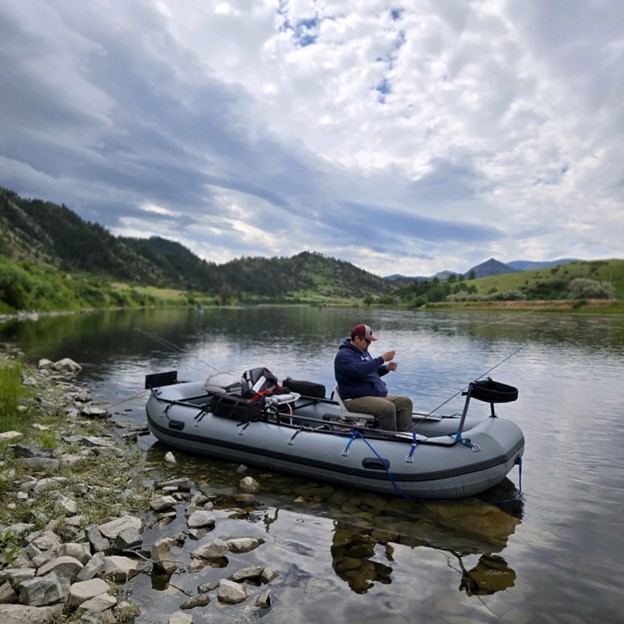
The Setup
Trial and error can be a learning experience in itself, but man it really speeds things up when you know what you’re doing. Asking questions is never a bad thing to do when fishing with a guide. A guide who wants to help make the most of your experience with them will often answer questions that aren’t even asked. Taking the initiative and asking about the gear being used when fishing with a guide not only gives you something to talk about but is a learning experience in itself.
Why are we using the blue/silver lure instead of the red/gold lure? Is there a reason you’re using squid as bait instead of the herring? What's a split shot and why do we need it? Your guide can be a wealth of knowledge if you only take the time to ask the questions. I’d also add this - there is a great sense of accomplishment when you retain what you’ve learned from a professional and apply it. I think this holds true in nearly all aspects of life. Learn how to cook a delicious meal from a chef and then replicate the dish at home?
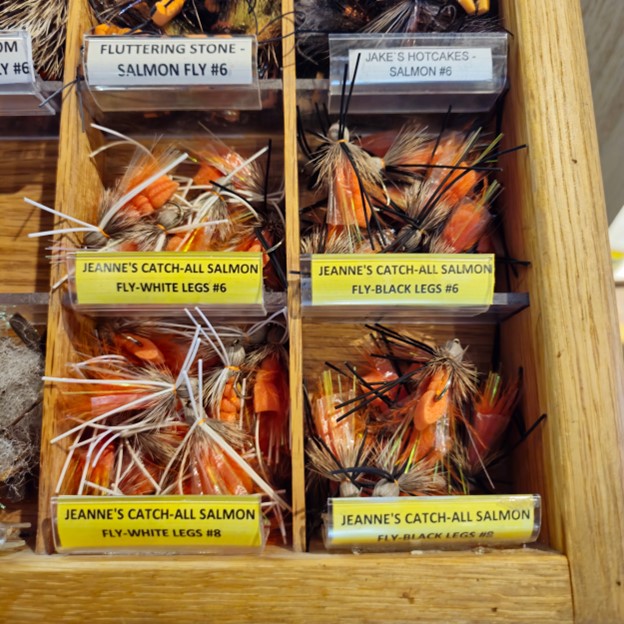
You might win spouse of the year. Have someone in a leadership position in your job show you how to do something and then you accomplish that task later to be complimented by them? Great job satisfaction and collective efficacy. Purchase the right kind of flies for the time of year when fishing, tie them, fish on your own in an area you think will be effective, and actually catch something? This time without a guide? That’s a great feeling.
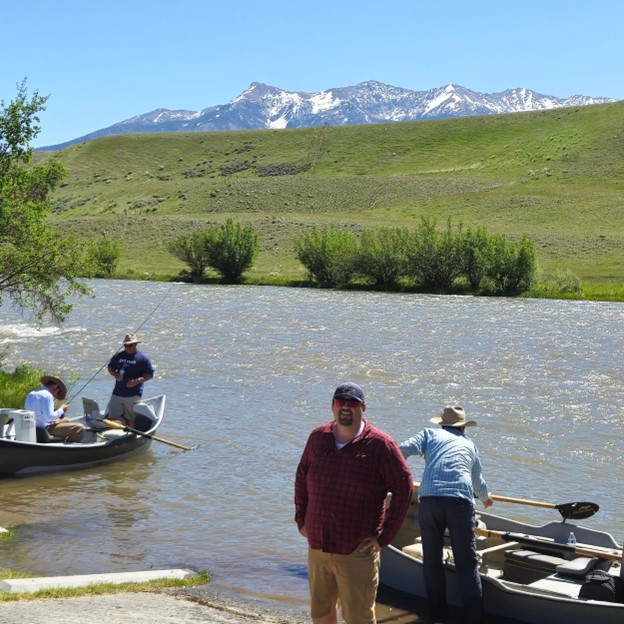
On The Water
Great, you’ve got the gear. You’ve tied everything together the way it should be just like the guide showed you when you last fished together. Now all that’s left is putting the line in the water. Although, there’s a lot of water to cover and you only have so much time available to fish.
If you were hopefully paying attention to your guided fishing experience, you should be able to ascertain whether or not you are fishing in an area that is likely to hold fish or at a depth that will be productive for you. If you’re planning on coming back to the same waterbody, make a mental note when your guide tells you “This spot is usually really good” or “The fish like to group up behind these rocks”.
Those clues can be used when you come back again on your own, if you remember. More broadly, a guide can help you identify general areas that will likely hold the fish you are looking for. The guide can provide you with a “Habitat 101” crash course while out on the water. Knowing your fish is migrating because of the spawning season, like a plateaued rocky surface, or will hold up in a small bay to rest can help provide you some general knowledge on where to go when fishing on your own.
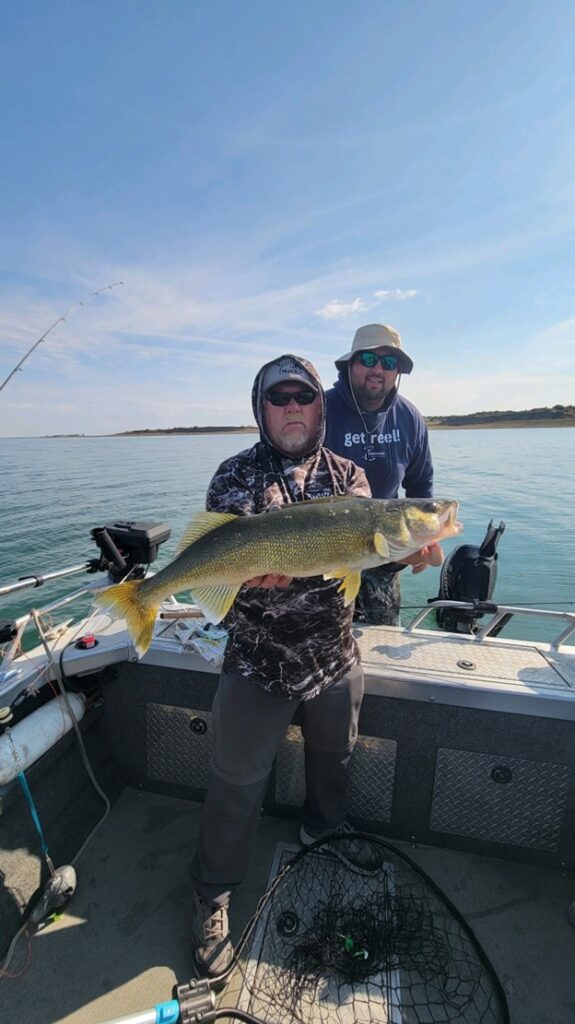
The Fight
As mentioned earlier, the setup is a crucial part of the fishing experience. Knowing what kinds of lures or bait to use, how long leaders should be or the distance from dodger to lure are all invaluable. Similarly, fishing in an area that is likely to actually hold the fish. But, arguably the most important information you can take away from a guided fishing trip is how to actually fight the fish once hooked!
Take the tips learned during your fishing adventure as you played the fish, with some coaching from your guide, and apply them as best you can in your personal fishing. I know the feeling of hooking into a nice fish and the sense of urgency that takes over, the adrenaline-pumping feeling where you tense up and feel like you’ve got to bring this fish in. All you think about is “hand, reel, crank” until the fish is in the boat.
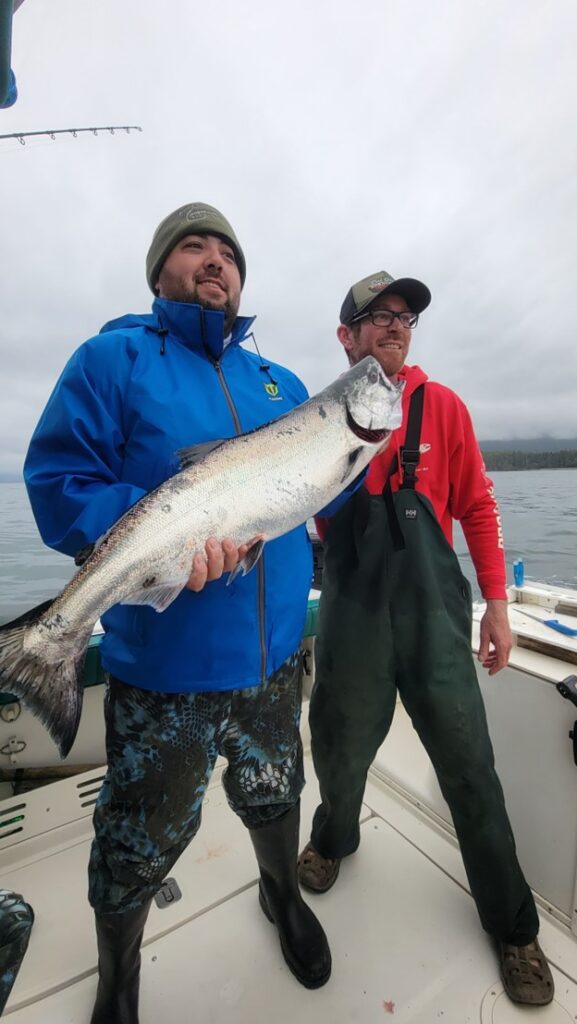
If you can calm your mind during this tussle with your opponent and think back to the advice from your guided experiences, you’ll not only have a more enjoyable time battling the fish, but you should be more likely to land it. Something as subtle as bracing yourself up against the side of the boat when out on the choppy ocean water can help provide solid footing. Remembering and recognizing where the fast water is in the river and steering your fish away from the heavy current and into a section with slower water makes for a, in theory, easier catch.
I only scratched the surface of all the benefits and help that guides can provide us on the water. Certainly, their knowledge and advice is helpful at the moment, while they’re in the same boat as us and judging the conditions of the water in real-time. Still, a savvy angler will retain their advice and draw upon the guide’s experience to apply solid fishing techniques not only during the fishing trip but out on the water during personal adventures as well. Want to get started with some solid guides who are sure to get you on some great fish?
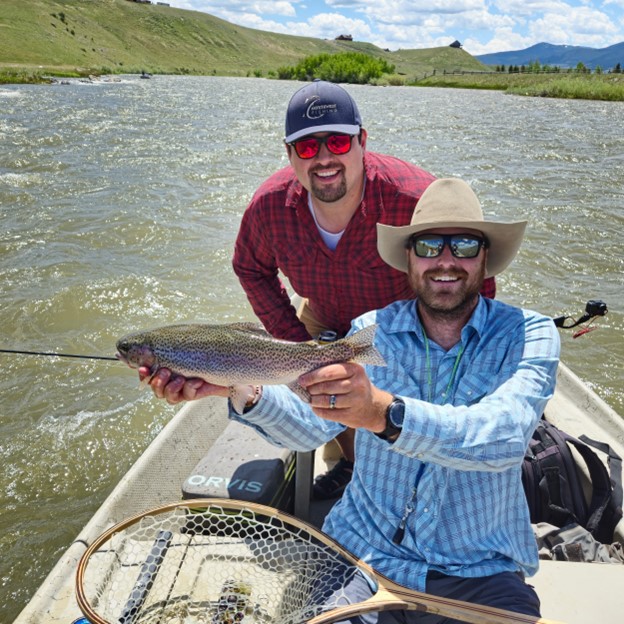
Check out our “Guides and Charters” section in the back of the magazine or in the directory section of the website. They can help you get started if you’re new to fishing, offer advice to seasoned fishermen that only comes with experience from hundreds of days on the water in a year and help you expand your knowledge about the variety of fish and techniques to catch them that swim throughout the northwest. I know I’ve benefited tremendously from their guidance in my own personal fishing outings and know that the same success in my personal fishing life will continue as I keep fishing with and learning from many great guides in the future!
/articles/navigating-natures-nooks-guides-fishing-wisdom
Choosing a Fishing Guide
I have been fishing my entire life, but even today, try to fish with at least two to three different guides a year to learn new techniques and methods. Outside of time on the water, fishing with a guide is the single greatest way to become a better angler. Note that even the most experienced anglers can learn new things and your guide will be your teacher.
What continually impresses me is just how much our fishing methods can change from one place to the next and even within a specific system, such as the Columbia River for example. I am also surprised at how confident guides tend to be in their techniques. It is equally surprising how much those techniques may differ from other guides fishing the same fishery.
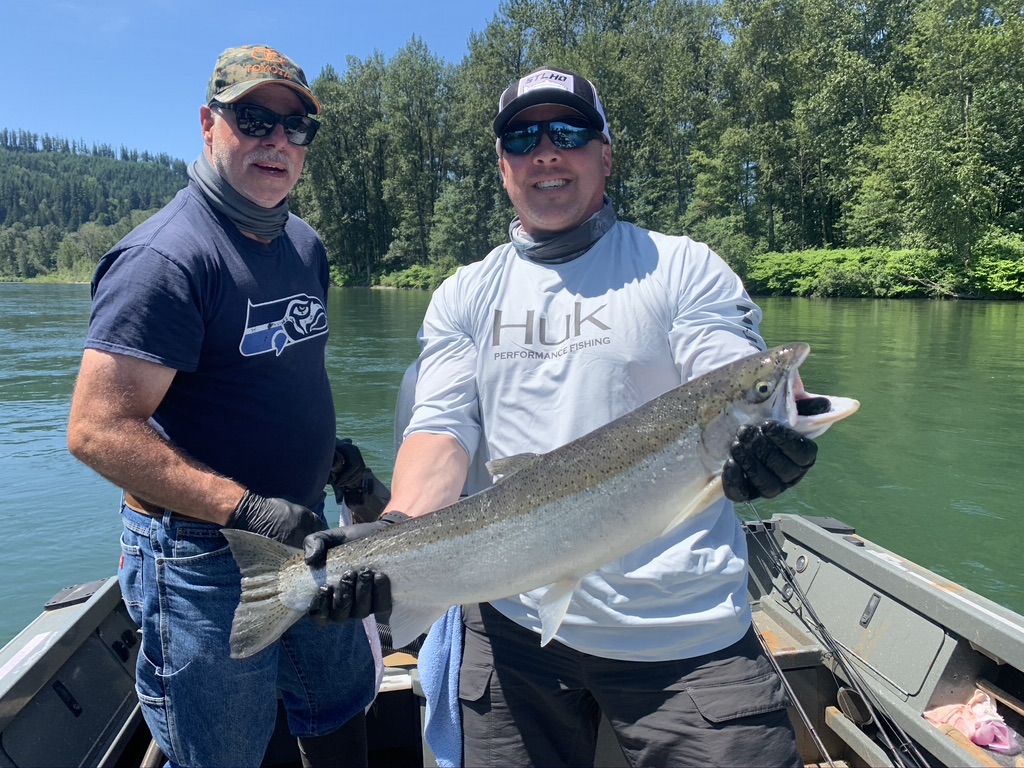
As a client, I find that I receive a constant barrage of feedback on what I am doing correctly or incorrectly and why. It seems that one guide tells me to fish a certain way and when I replicate this fishing technique with a different guide, I am re-educated. As hard as this is, it does build perspective and allows us to become better overall anglers.
Now that we have established that guides vary in their approaches, I would like to address how different their client approaches can be. For this purpose, I have categorized guides into three categories, the great, the effective, and for me, the “no thanks”.
THE GREAT
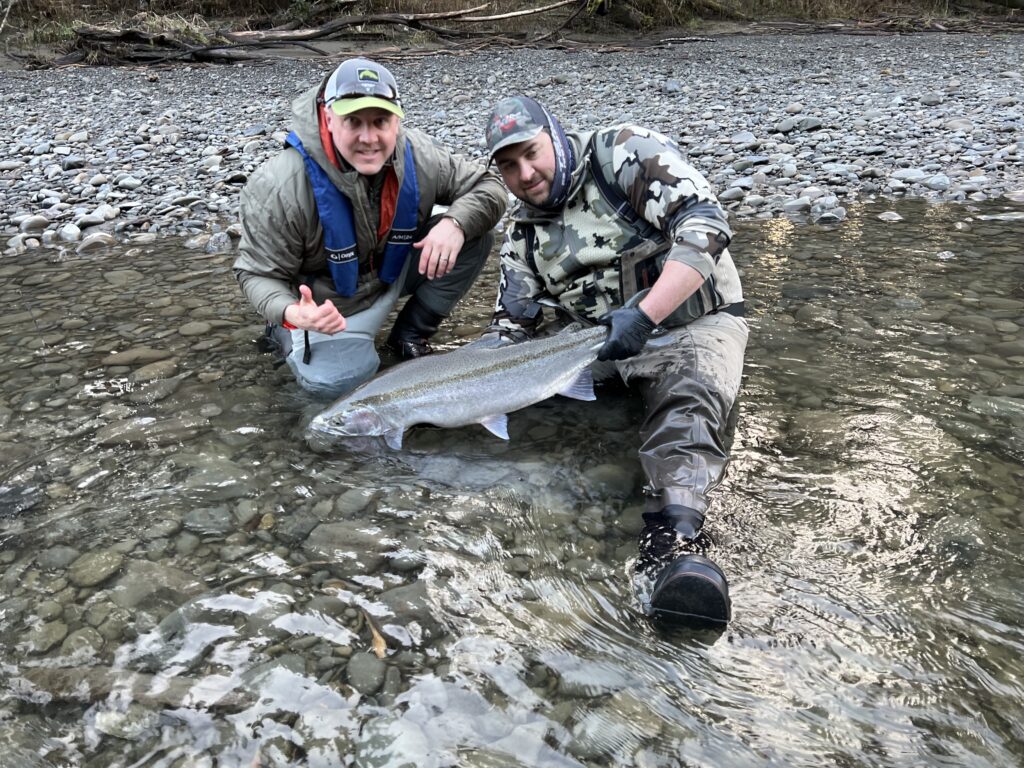
The first guide type, the Great, is without question my favorite. Though their goal is to put you on fish, they are more concerned with providing an experience and making sure that their clients have a great time. This is the approach that makes fishing fun and the type of guide to fish with, regardless of how “fishy” they might be. I highly recommend that you seek this type of guide as I guarantee that you will fish with them again and again and laugh every time.
They tend to be a lot of fun, laid back, funny, and willing to teach you little things that allow you to become a better fisherman. Rarely will this guide correct you with sharp criticism. They have generally honed their skills around feedback and are fantastic teachers who lead with a positive approach.
THE EFFECTIVE
The second type of guide, the effective, tends to be more intense and highly competitive. This guide is all about catching limits and will put in a long day to make this happen. I feel that an angler can learn a lot from this type of guide, but often the experience can be intense, and the fisherman might leave feeling inadequate and exhausted. This is a tough one because the experience itself is not necessarily laid back and enjoyable, but the outcome is often good, and you learn new skills. I have not entirely determined the best approach to use with this type of guide, but I feel like you should give them feedback on their approach and define the limits of your expectations. It is a toss-up whether I fish with this type of guide more than once, but again, they tend to be very good fishermen, and much can be learned while fishing with them.
THE "NO THANKS"...
The third is the guide, whom I call the “no thanks”, who wants to put you on fish and get you back to the launch or dock as quickly as possible. I tend to avoid these types. As an example, I recently had a guide in Alaska who asked us to be at the ramp at 3:45AM. No big deal for me, but a bit tough for my 17-year-old son. I inquired about going an hour later and the guide responded by telling me that he had six fish in the freezer and would be happy to give them to us if we wanted to sleep in. Really? Did he think that we were only going out to fill the freezer? Needless to say, I will not be fishing with this guide ever again. As you can see from my story, this guide has little interest in the experience that he or she provides, and I feel that their approach is very self-serving. Fishing with this type of guide is why I started writing!
With social media prevalent, it is much easier to find a guide today who meets your requirements and expectations. It is also much easier to determine client approval ratings before you spend money fishing with someone who is only going to disappoint you. This makes things better, but it also does not tell the story of who the person is. Getting to know the guides that I fish with and building a lifelong relationship is not something that can be done on social media. Join a Facebook group, ask friends, do your homework, and look for guide #1 above. I promise that you will thank me for it later.
Need ideas or recommendations, email me at bknight@iss-safe.com and I will do what I can to help.
One final thought. Anglers need to understand that they play a role in their success and the experience itself. The guide can only do so much; you need to meet them in the middle, listen to what they tell you, and engage with them. Don’t be afraid to tell them what you want and how they are doing. If they exceed your expectations, tip them well as they work hard for a meager income. A decent tip is around $100 per person, per trip.
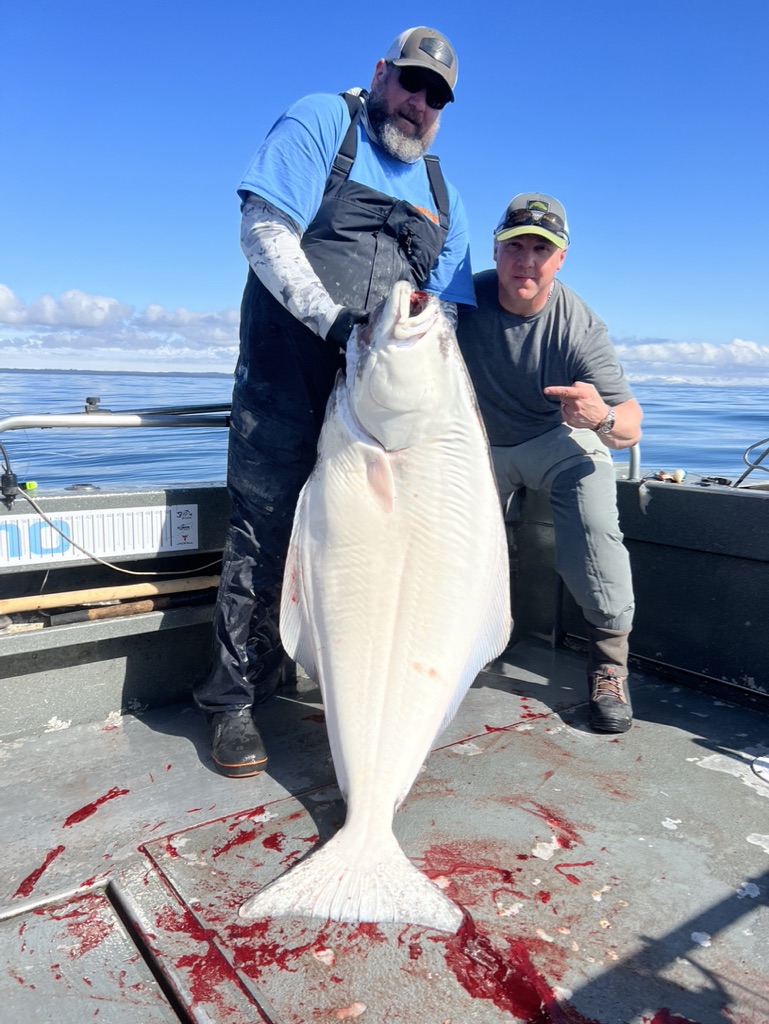
I hope that you find this information useful and helpful in selecting your next adventure and the guide who is going to take you there. Find a good one and you will go back year after year. An argument can be made that you can buy your own boat and do it yourself, but I would counter that argument by addressing the fact that when you are running the boat, you are not fishing, and you are often feverishly catering to the anglers in the boat.
It is a lot of fun but can be exhausting. I would argue that this is a great option if you love to watch other people catch fish and if you love to teach. This can be extremely rewarding. If you love to fish, go with a guide, and let them do the work so that you can relax and have a great time.
/articles/choosing-fishing-guide